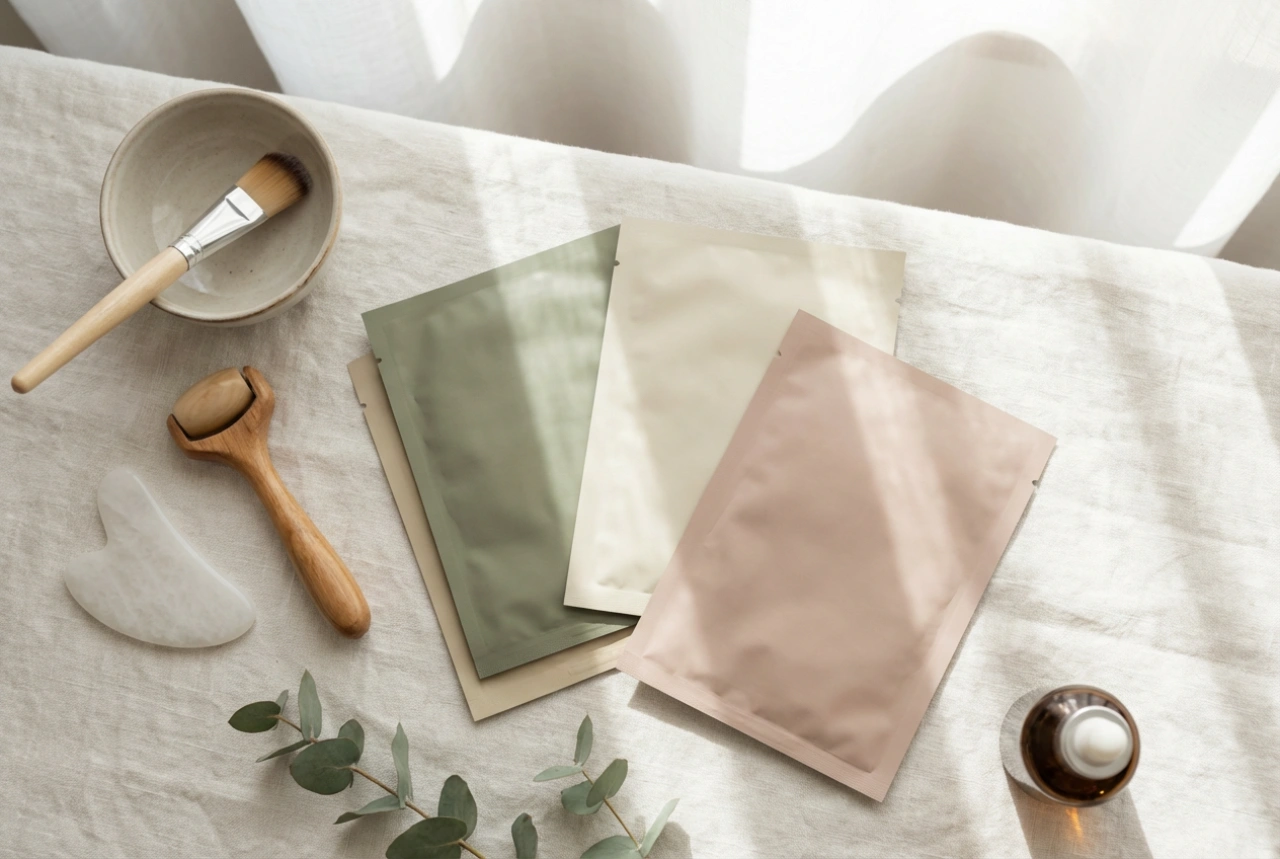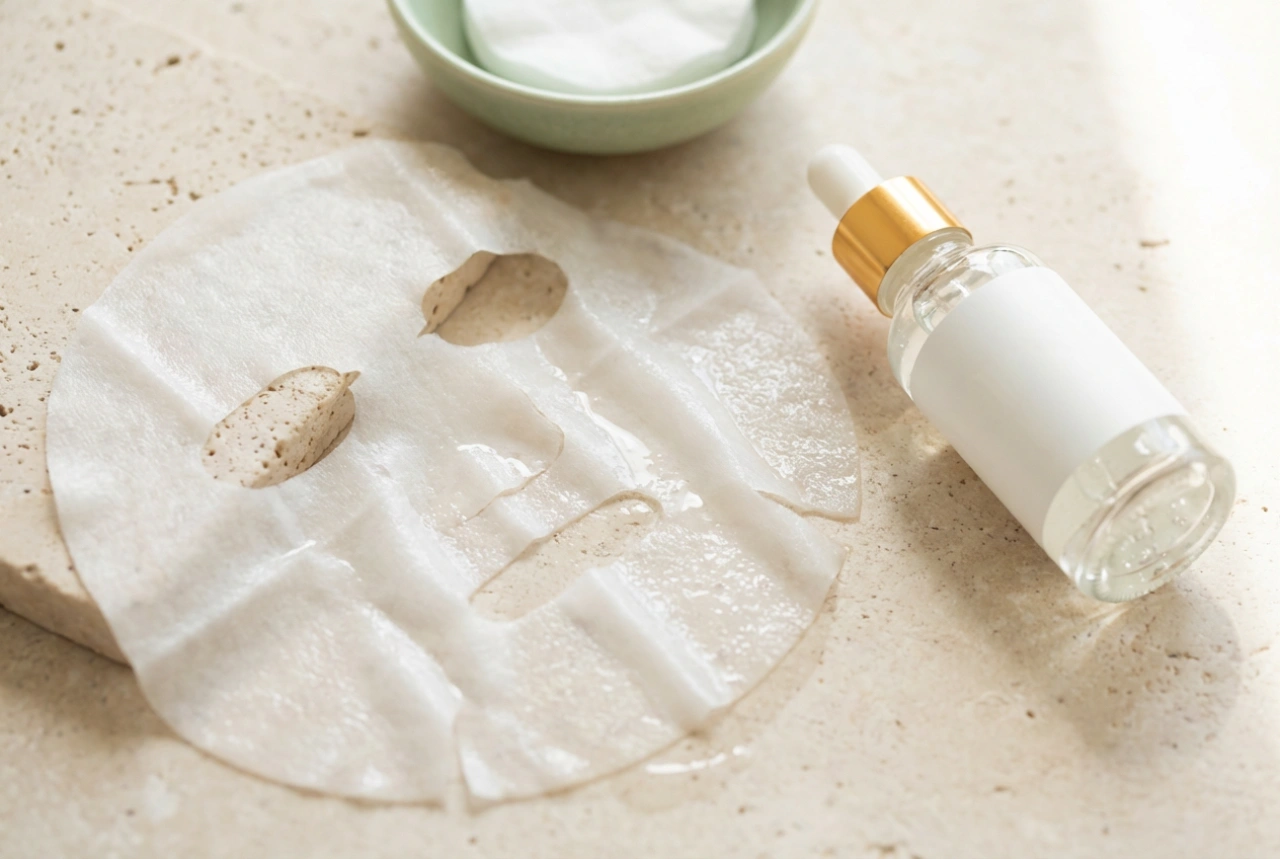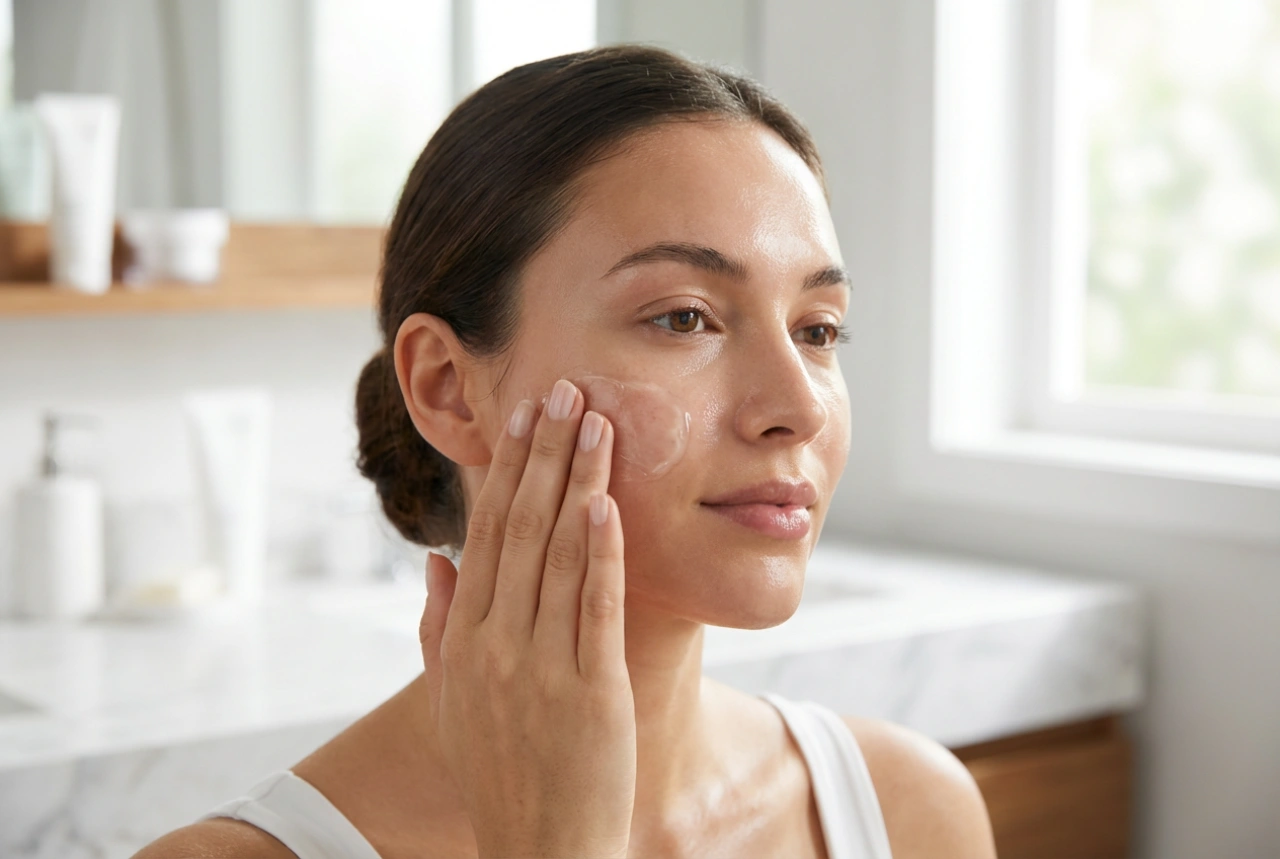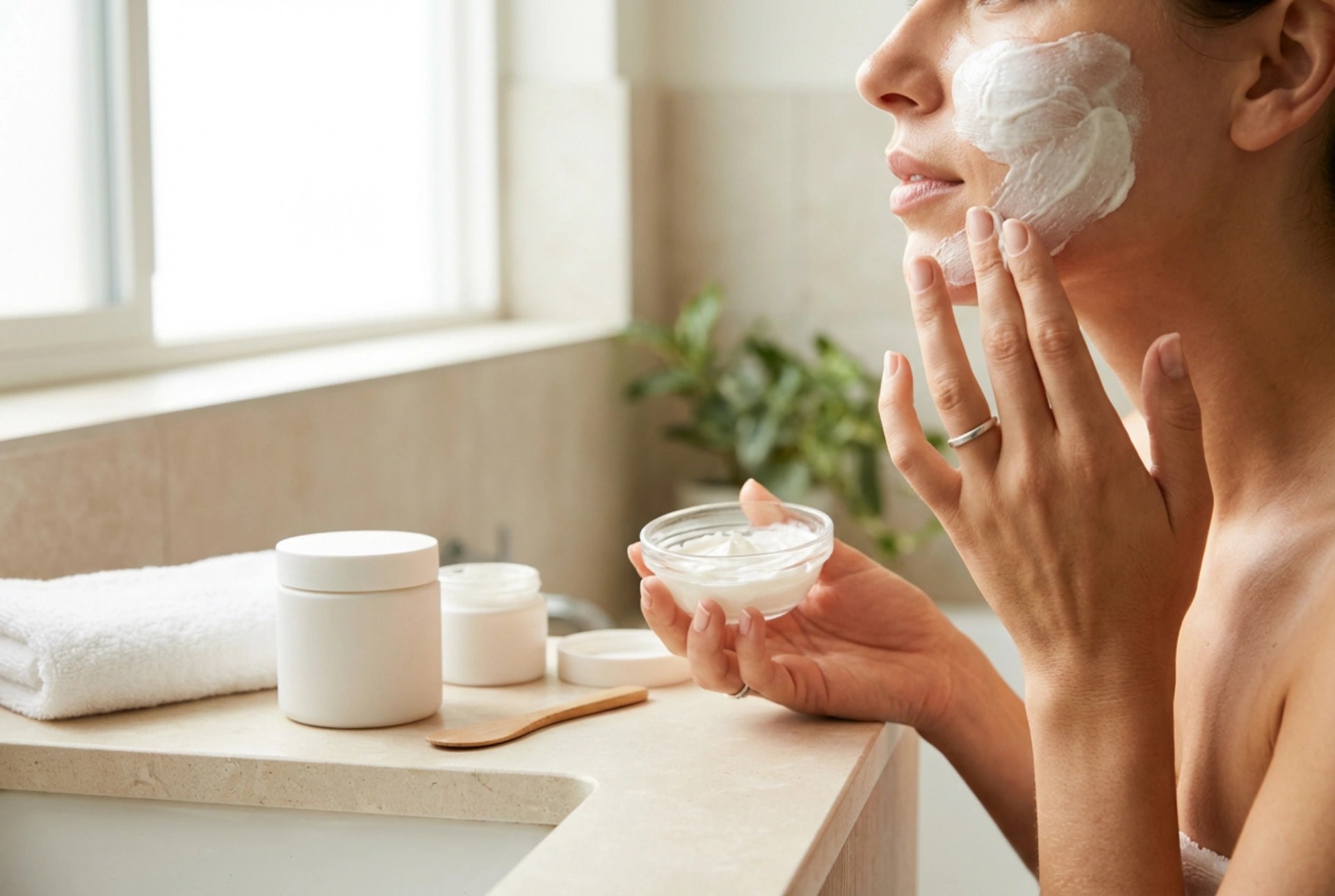


Achieving a smooth, radiant complexion often comes down to the small, deliberate steps we take in our weekly self-care rituals. Applying a face mask is more than just a cosmetic step; it is a dedicated moment of nourishment that replenishes the skin. When we look at a gentle, mindful application process—much like delicately smoothing a rich, creamy formula over the cheekbones and face—we can appreciate how proper technique elevates the efficacy of our favourite skincare products. Understanding how to integrate these masks into your routine can transform your skin's texture and overall appearance.
The importance of prep: Cleansing and toning
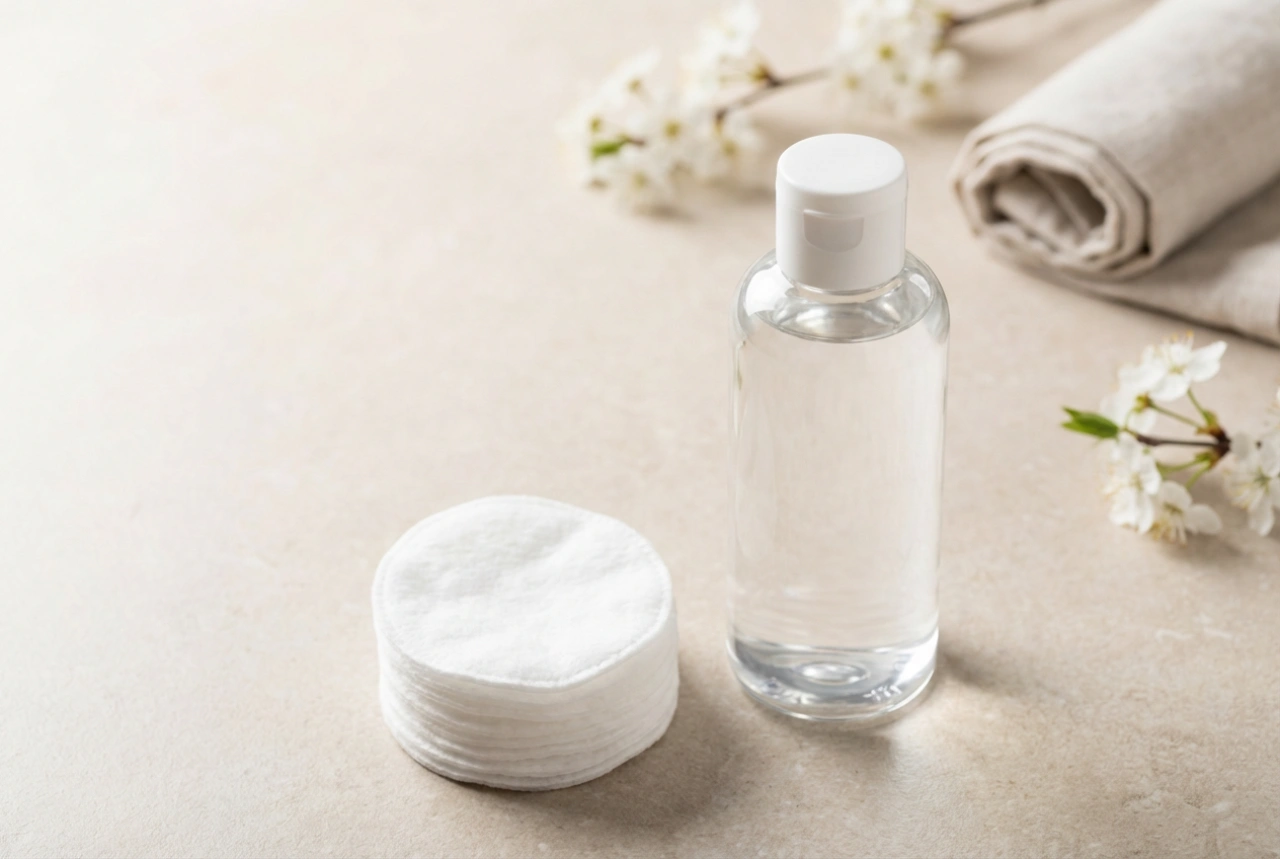
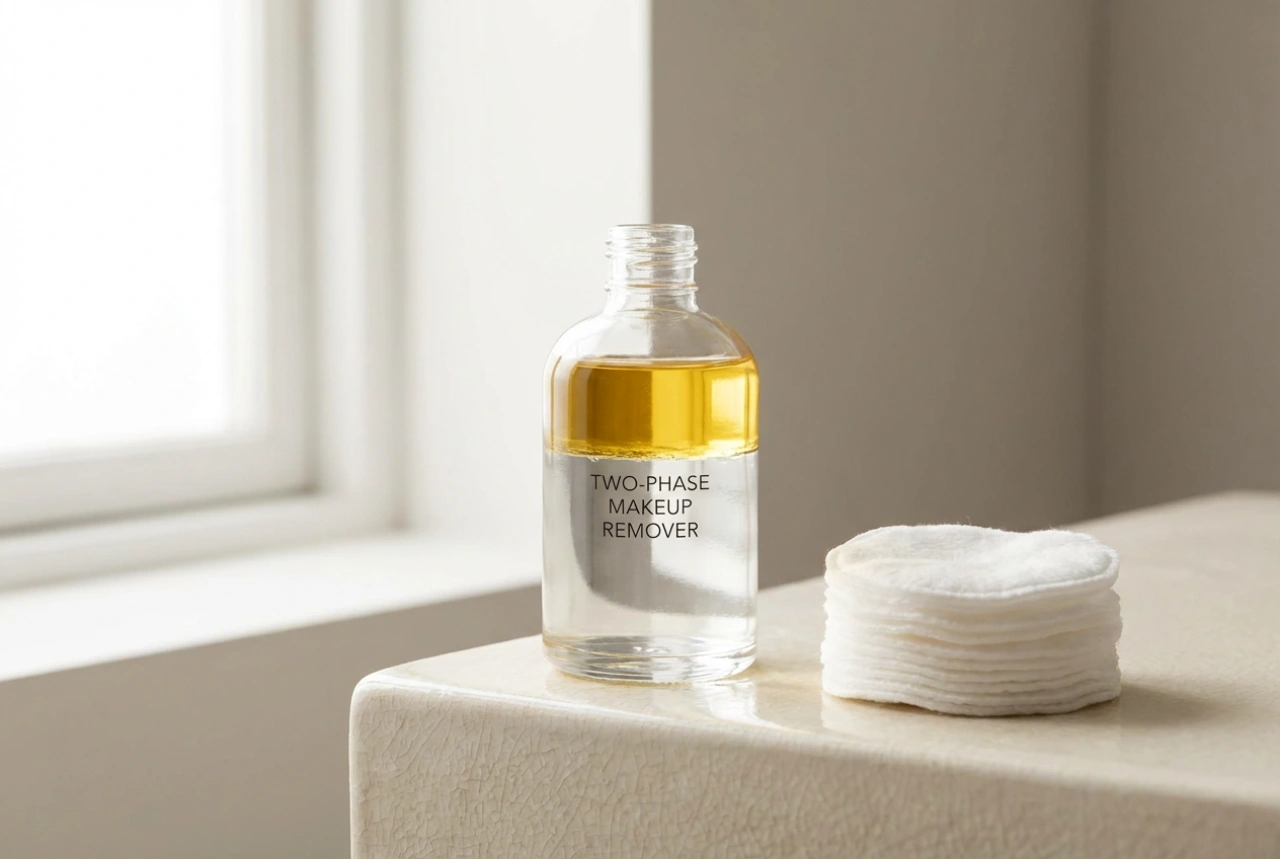
Before any mask can deliver its beneficial ingredients to the skin, the surface must be thoroughly prepared. Applying a rich cream mask over impurities, makeup residue, or daily pollution prevents the active ingredients from penetrating effectively. Start with a gentle, non-stripping cleanser to purify the skin. Pat your face dry with a clean, soft towel rather than rubbing, which can cause micro-irritation.
Following your cleanse, applying a mild, hydrating toner is an excellent way to balance the skin's pH levels. A damp, toned surface acts like a sponge, absorbing the subsequent mask much more efficiently. This simple preparation step ensures that your skin receives the maximum smoothing and softening benefits from the treatment.
Application techniques for maximum smoothness
How you apply your face mask can significantly influence the results. Instead of rushing the process, treat it as a mindful massage that promotes relaxation and surface circulation. Use your fingertips to apply the product in gentle, upward and outward motions, starting from the center of the face and moving towards the hairline. This method respects the natural structure of the skin and prevents unnecessary pulling.
Applying the right amount
More is not always better when it comes to skincare formulations. A generous, even layer that fully covers the skin without being excessively thick is ideal. An overly thick layer will not absorb properly and is simply wasted, while a layer that is too thin may dry out too quickly, failing to deliver the desired hydration and smoothing effect.
Avoiding delicate areas
Always remember to leave a safe distance around the eyes and mouth. The skin in these areas is exceptionally thin and sensitive, requiring specialised care. Keep your face mask focused on the cheeks, forehead, chin, and jawline, where skin texture and fine expression lines are most prominent.
Relaxation and rinsing: The final steps
Once the mask is applied, allow it to rest on your skin for the exact time recommended on the packaging, usually between ten and twenty minutes. Use this time to relax, as facial tension can contribute to the appearance of fine lines. Removing the mask gently is just as important as the application. Avoid harsh scrubbing, which can lead to redness and physical irritation.
- Use lukewarm water to gently melt the product away.
- A soft, damp microfiber cloth can help remove stubborn cream formulas without pulling the skin.
- Finish with a splash of cool water to refresh the skin.
Locking in the benefits with post-mask care
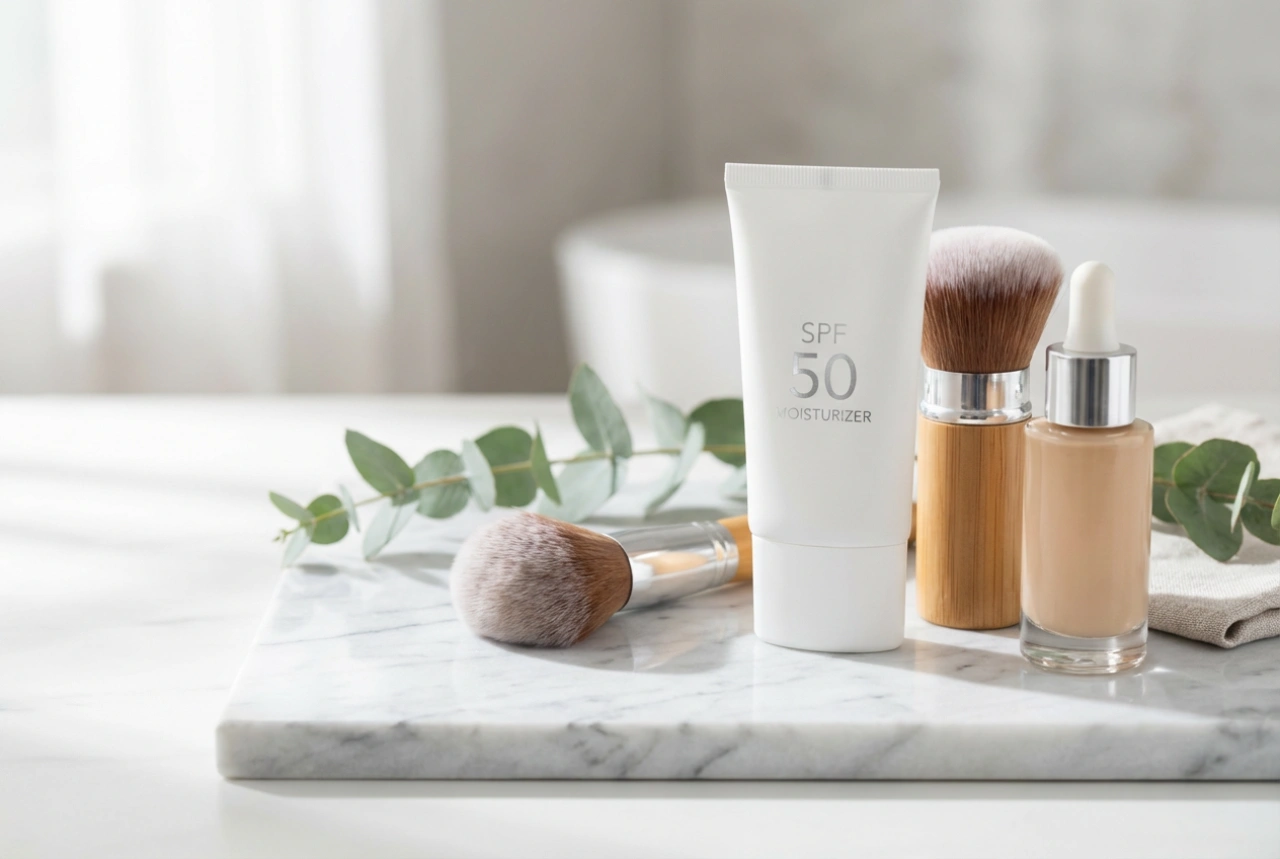
After rinsing, your skin will feel incredibly soft and plump, but this hydration needs to be sealed. Immediately follow up with your regular hydrating serum and a nourishing moisturiser. This step creates a protective barrier that locks in the moisture and active ingredients from the mask, ensuring that your skin remains smooth, supple, and radiant long after the ritual is complete.