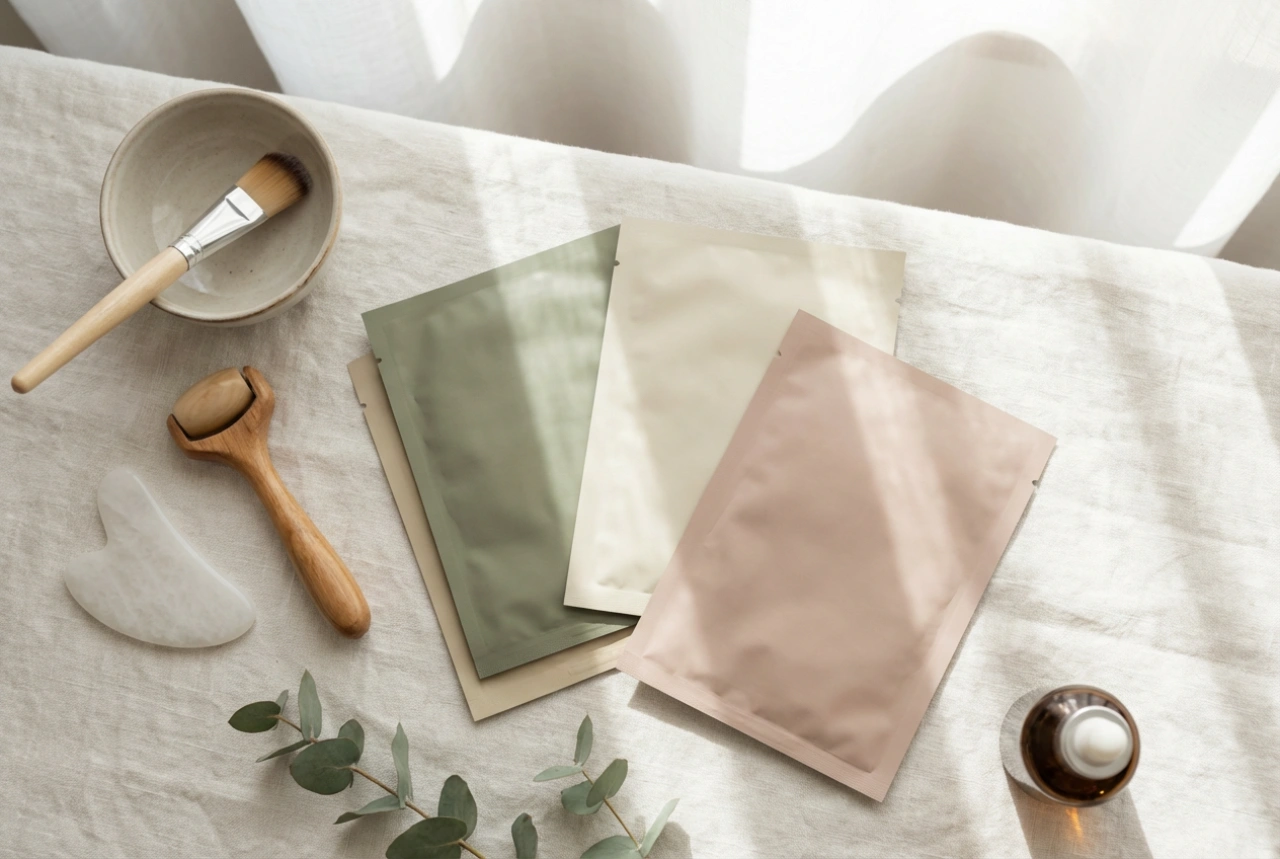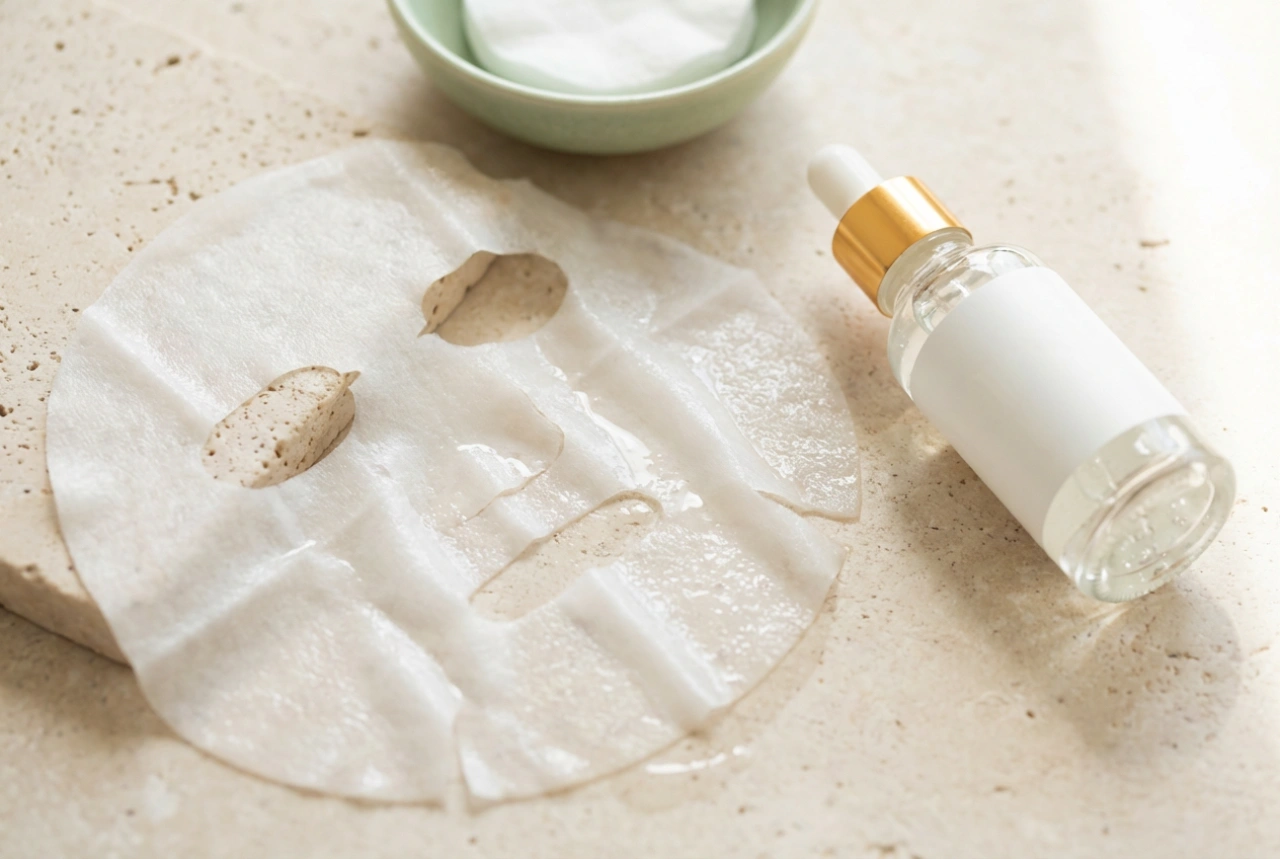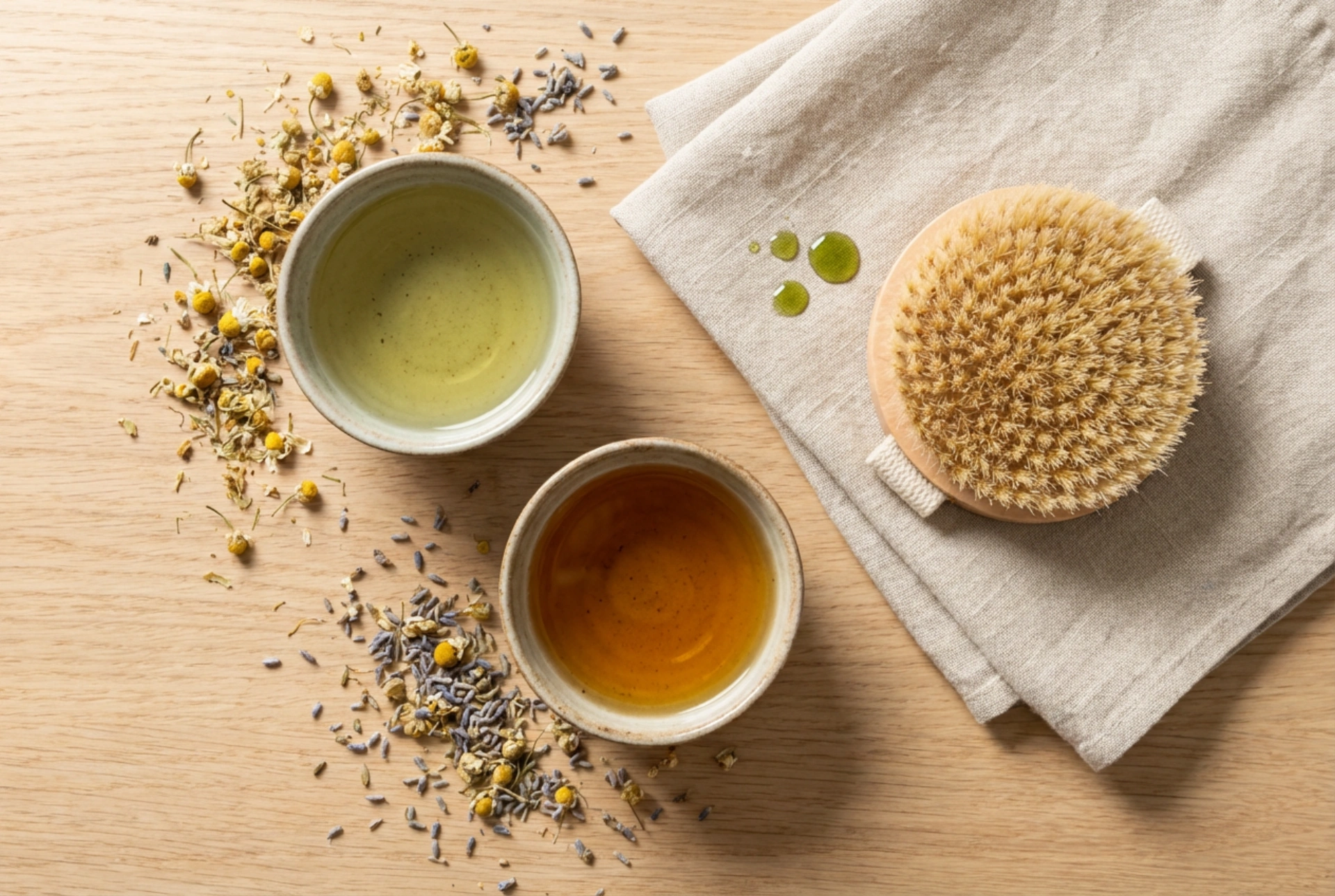


Using natural botanicals in your daily skincare routine is a time-tested way to restore radiance, balance, and hydration to your skin. The image of dried herbs, rich infusions, and soft application brushes reflects the pure, calming nature of traditional beauty rituals. Incorporating herbal face masks made from dried plants, freshly prepared infusions, and cold macerates allows you to customise your skincare using clean, simple, and plant-based ingredients.
The Power of Herbal Infusions in Skincare
An infusion is one of the simplest ways to extract the beneficial properties of dried herbs. By pouring hot water over selected botanicals, you release water-soluble active compounds, such as flavonoids and essential antioxidants, which help soothe and refresh the skin. This warm liquid can then serve as the liquid base for a powdered clay mask or be applied directly as a comforting compress.
To prepare a classic skincare infusion, place one to two tablespoons of dried herbs, such as chamomile, calendula, or linden blossom, into a ceramic cup. Cover with hot, but not boiling, water and let it steep under a lid for approximately ten to fifteen minutes. Once cooled, strain the liquid carefully. This gentle herbal water can be used immediately to mix with cosmetic clays, oat flour, or ground flaxseed to create a smooth, nutrient-rich paste for your face.
Understanding Macerates for Deep Nourishment
Unlike infusions, which rely on hot water, macerates are created by steeping botanicals in a liquid medium over a longer period, often using oil or cool water. Cold-water macerates are particularly beneficial for mucilaginous herbs like marshmallow root or flaxseed. When soaked in cool water for several hours, these plants release a soothing, gel-like substance that provides exceptional hydration and protection for dry or sensitive skin.
To create a soothing cold macerate, combine a tablespoon of your chosen herb with room-temperature water and leave it to sit for four to eight hours. Strain the mixture to obtain a slippery, hydrating liquid. This gel can be applied directly to the face as a light mask, mixed with a few drops of a neutral facial oil, or used to bind dry ingredients into a creamy, easy-to-apply paste that prevents the skin from drying out during your treatment.
Choosing the Right Herbs for Your Skin Type
Creating a bespoke herbal mask requires selecting the correct botanical ingredients to match your skin's specific needs. Different herbs offer unique properties that can help balance, hydrate, or gently cleanse the skin without causing irritation.
- For Dry and Sensitive Skin: Chamomile, calendula, marshmallow root, and rose petals help soothe irritation, reduce redness, and provide gentle hydration.
- For Oily and Combination Skin: Rosemary, thyme, green tea, and mint contain natural clarifying properties that help refresh the skin, refine texture, and balance excess surface oils.
- For Dull Skin: Linden blossom, nettle, and rosehip are rich in vitamins and antioxidants that help promote a natural, healthy-looking glow.
Step-by-Step Guide to Safe Application
While natural ingredients are gentle, they are also highly active. To ensure a safe and pleasant experience, it is essential to follow a structured application routine. Start by thoroughly cleansing your face to remove any makeup, dirt, or excess oil, allowing the herbal nutrients to absorb effectively.
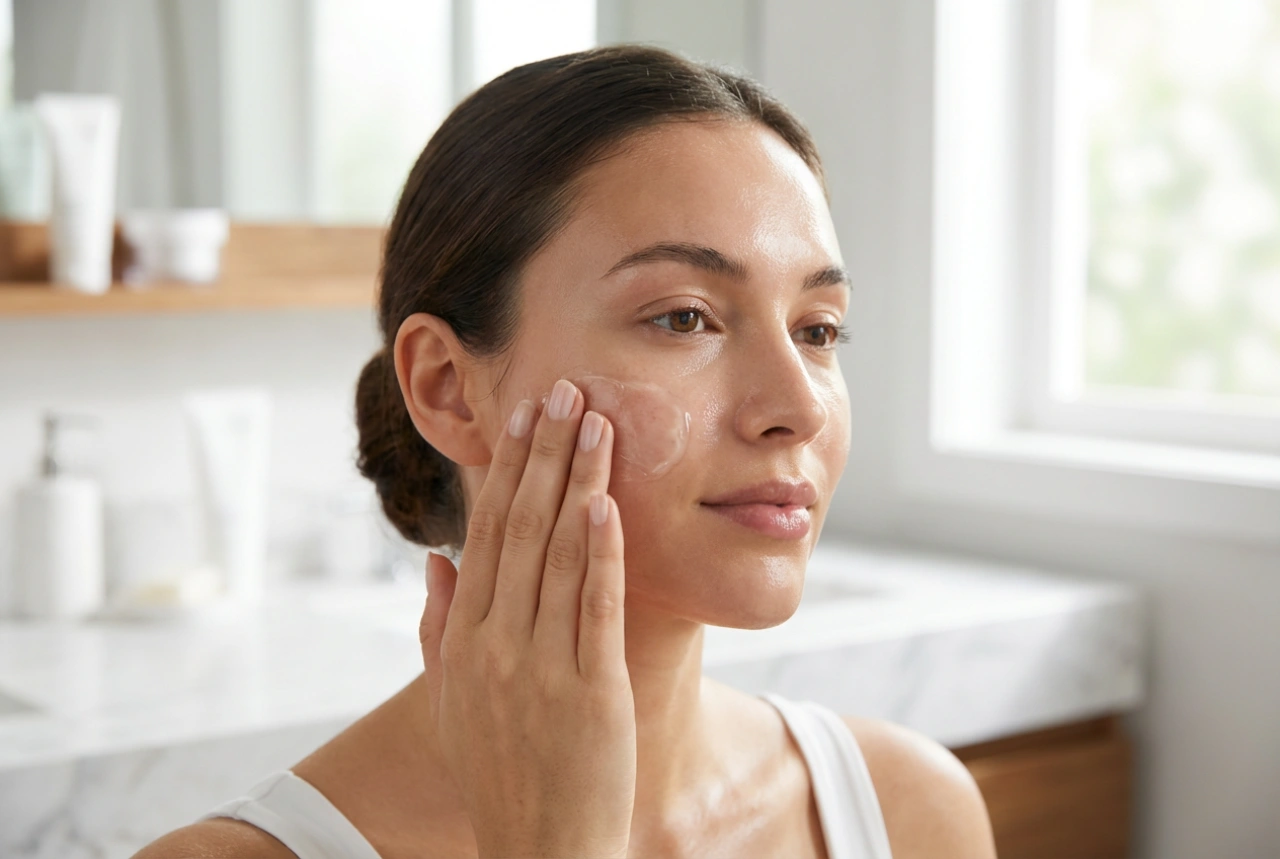
Before applying any new herbal mixture to your face, always perform a patch test. Apply a small amount of the prepared infusion or mask to the inner side of your forearm and wait twenty-four hours to ensure no redness or sensitivity occurs. Once cleared, use a soft, clean natural bristle brush to apply the mask evenly over your face, avoiding the delicate eye and lip areas.
Leave the mask on for ten to fifteen minutes. If you are using a clay-based herbal mask, do not let it dry out completely, as this can draw moisture out of your skin. Keep it damp by misting it occasionally with your remaining herbal infusion. Rinse gently with lukewarm water, pat dry with a soft linen cloth, and immediately follow with your favourite moisturiser to lock in the beneficial hydration.