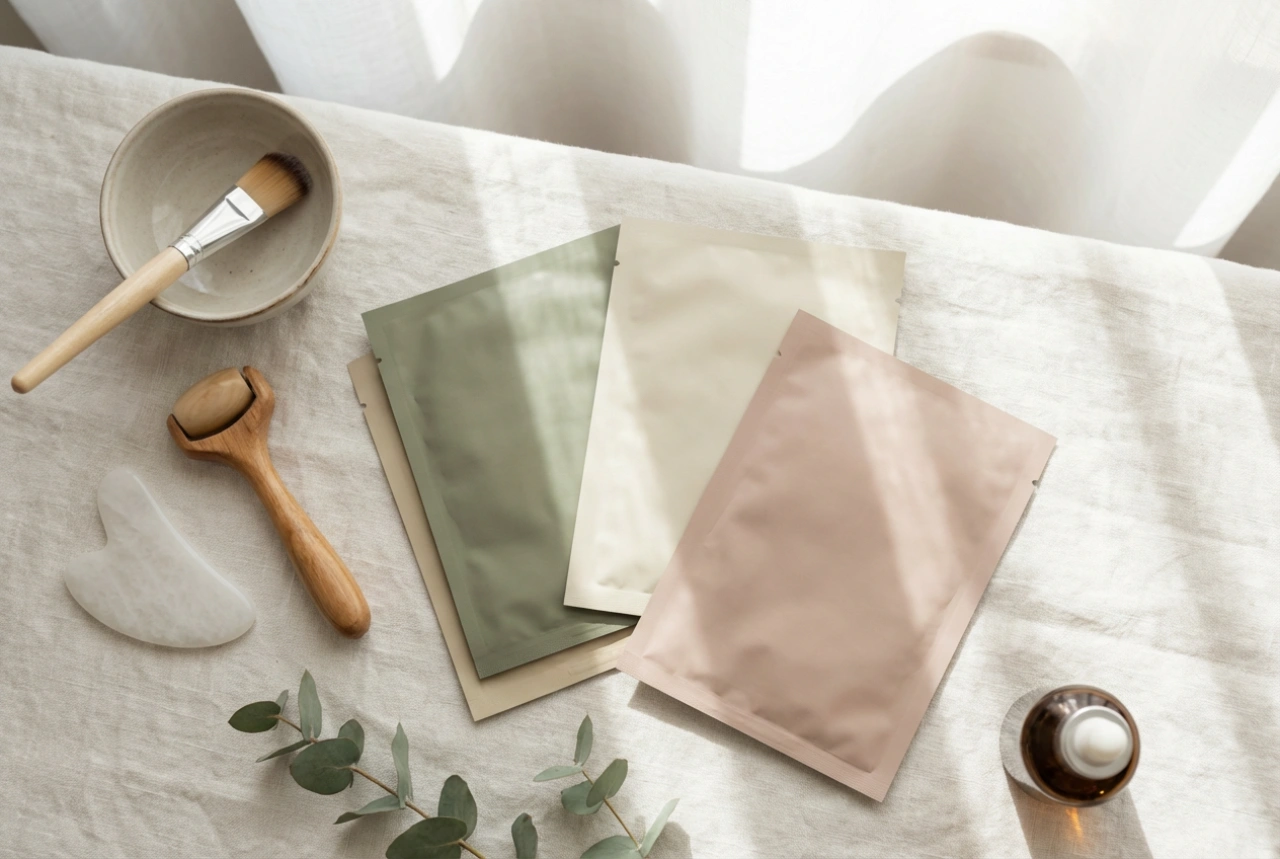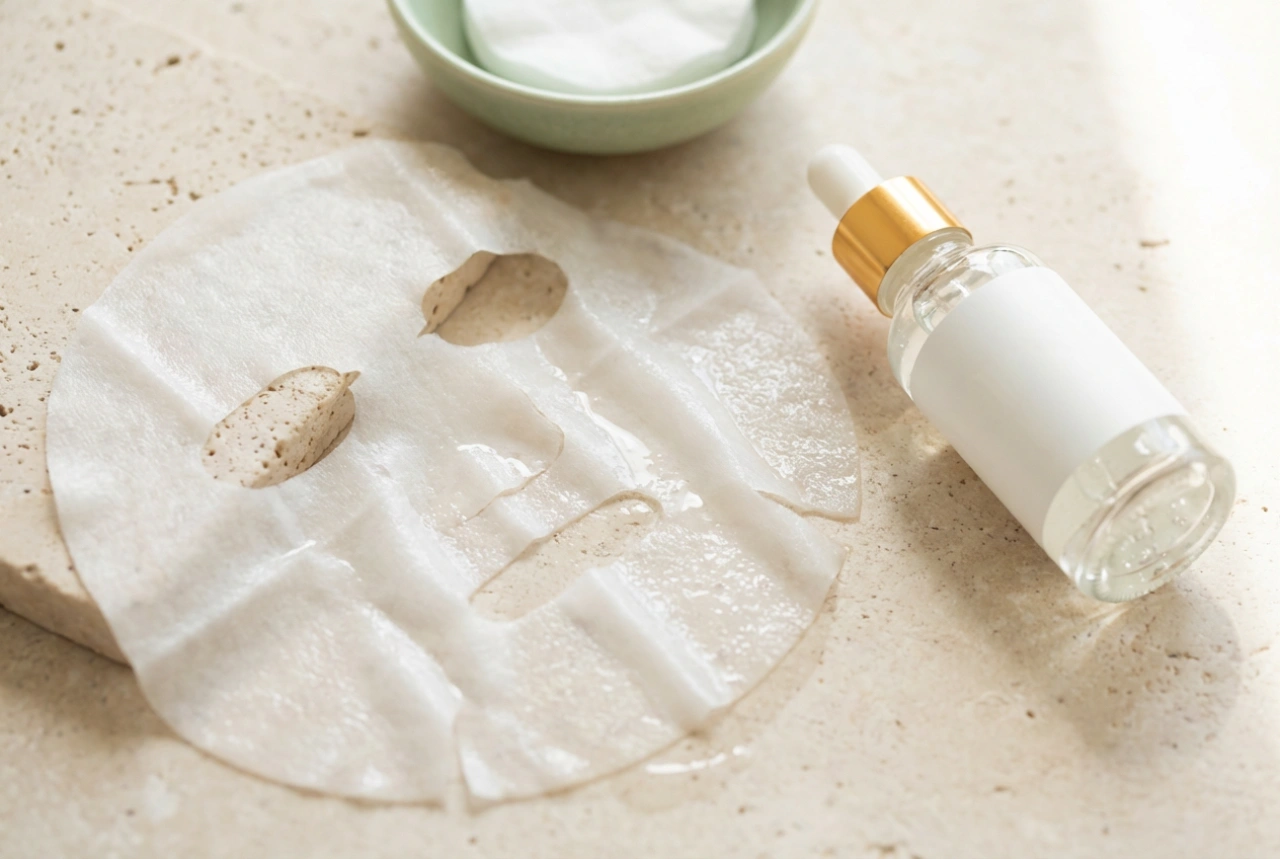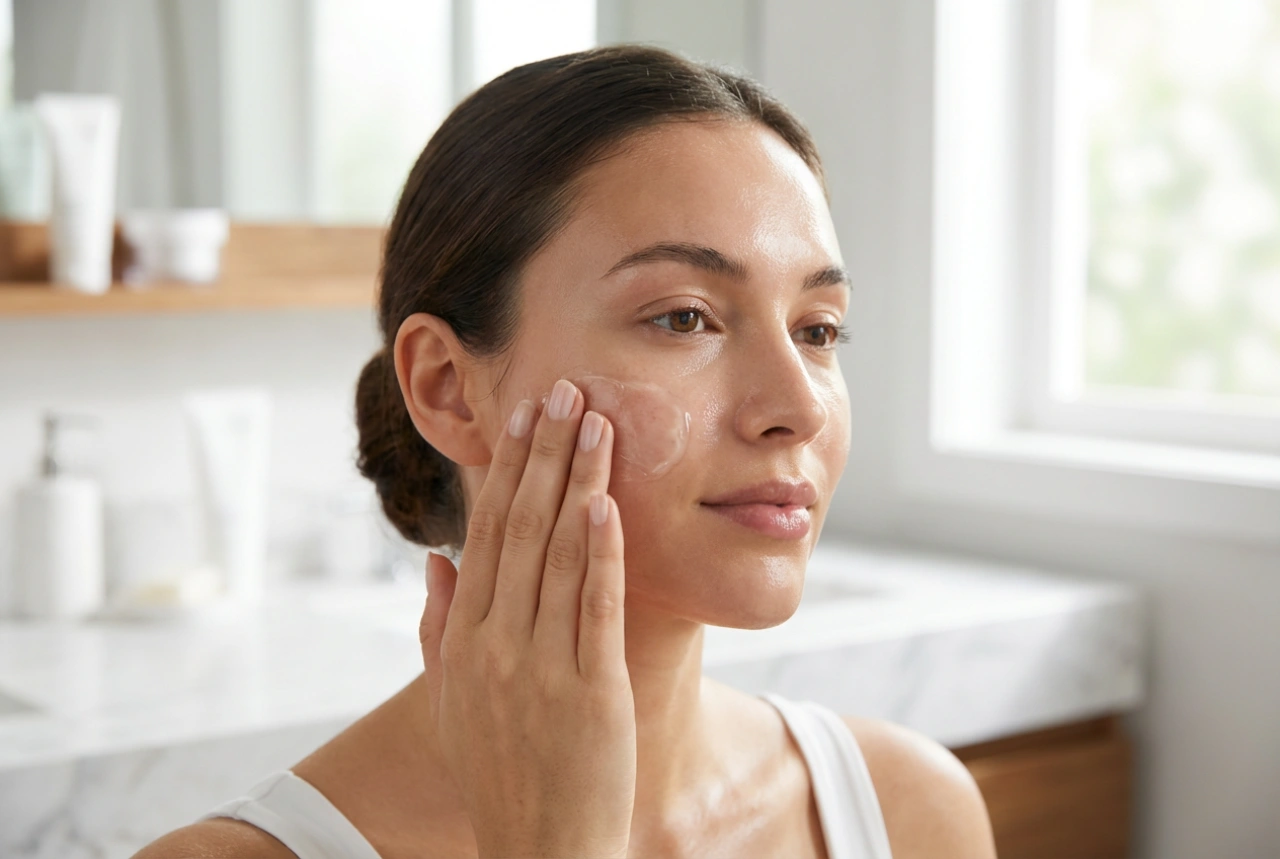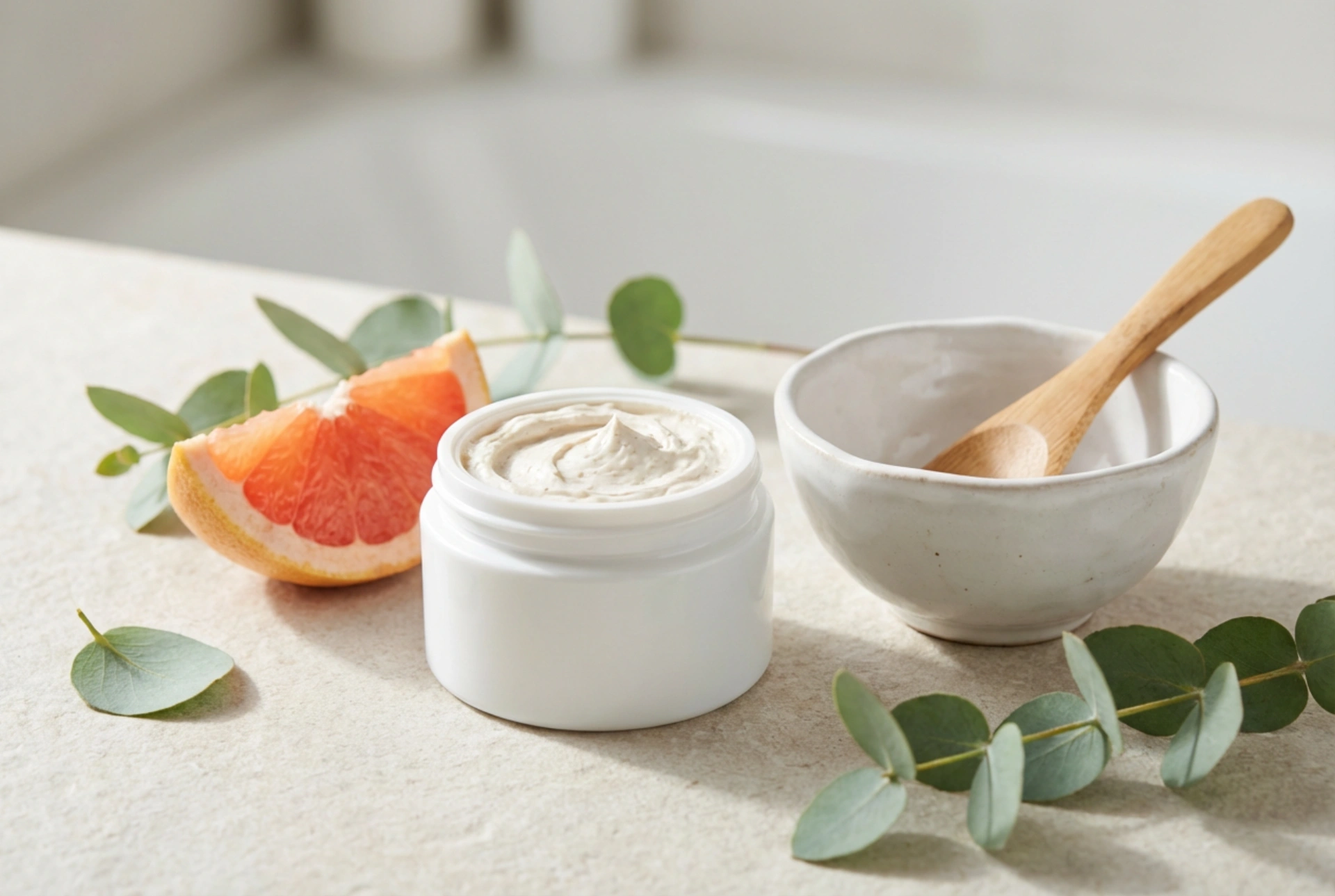


Achieving an even skin tone and restoring a natural glow is a common goal in modern beauty care. A brightening face mask can be an excellent addition to your weekly ritual, especially when formulated with well-chosen, non-medical botanical extracts and gentle exfoliating agents. Selecting the right ingredients and understanding how to apply them safely at home is key to revealing a refreshed and radiant complexion. The gentle, creamy texture of a nourishing mask combined with botanical elements offers a relaxing self-care experience that enhances the skin's overall appearance.
Effective ingredients for an even skin tone
When choosing a home-care mask designed to target uneven skin tone, it is important to look for gentle, proven ingredients that support the skin's natural renewal process. These botanical and cosmetic compounds work harmoniously to brighten the appearance of the skin without causing irritation.
- Vitamin C derivatives: Well-known for their antioxidant properties, these compounds help to revitalise dull skin and promote a radiant, healthy-looking complexion.
- Niacinamide: Also known as vitamin B3, this versatile ingredient strengthens the skin barrier, improves texture, and helps to visibly balance uneven skin tone.
- Licorice root extract: A natural botanical soothing agent that gently addresses dullness and helps to restore a natural, luminous glow.
- Papaya and pineapple enzymes: These natural enzymes provide exceptionally gentle exfoliation, removing dead skin cells to reveal a smoother surface underneath.
How to apply a brightening mask correctly
To get the most out of your brightening mask, proper preparation and application are essential. Following a structured routine ensures that the active cosmetic ingredients can work effectively on the skin surface.
Step 1: Thorough cleansing
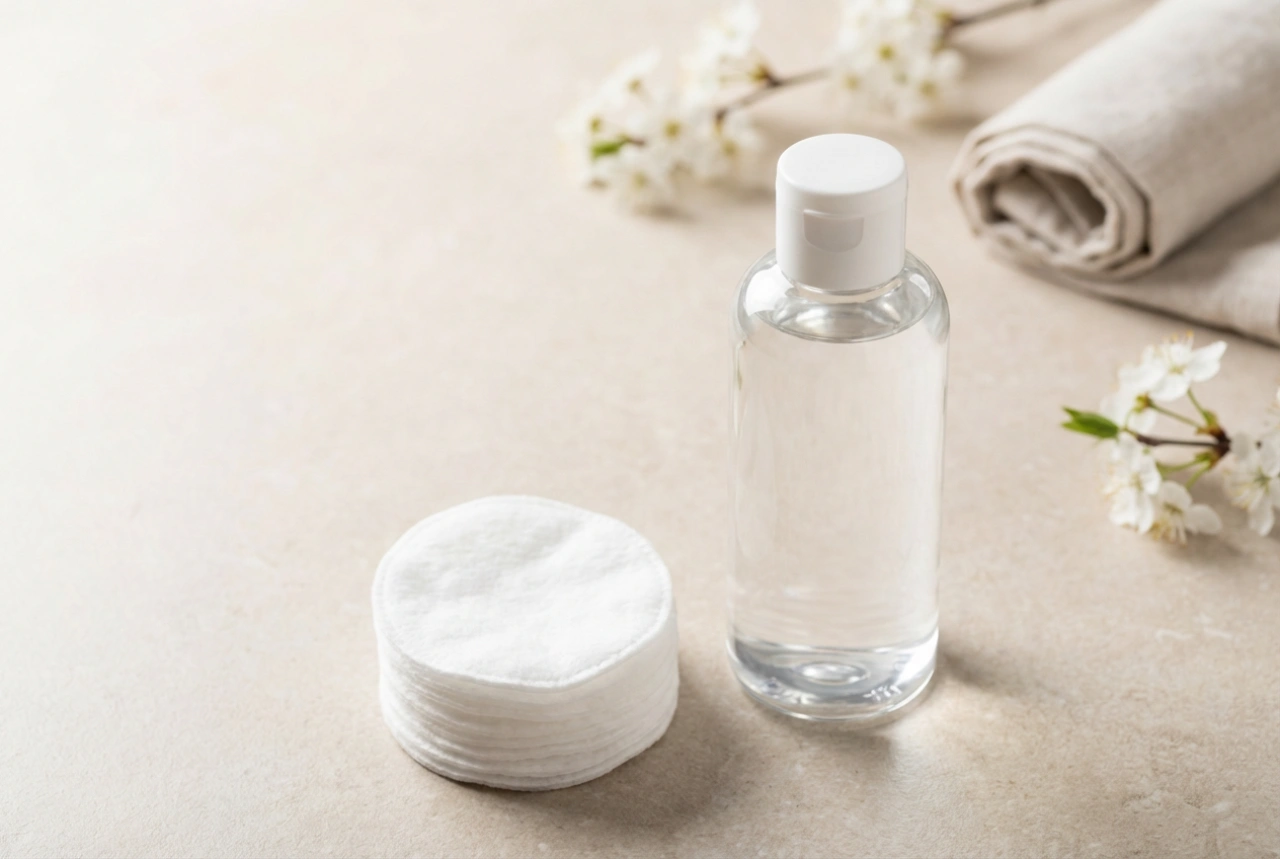
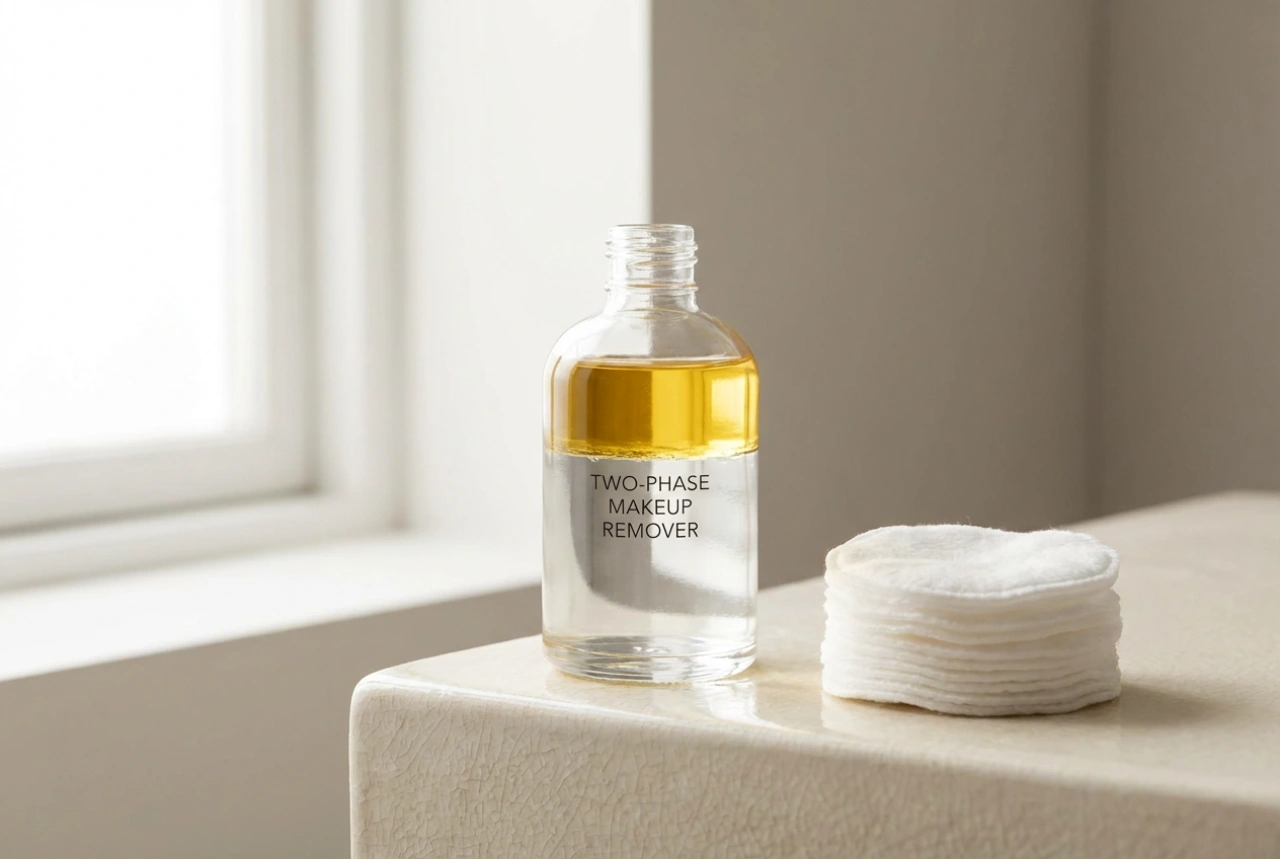
Always start with a clean canvas. Use a mild, hydrating cleanser to remove make-up, impurities, and excess oil. Pat your face dry with a clean, soft towel. Applying a mask to unclean skin can trap impurities and limit the absorption of beneficial ingredients.
Step 2: Even application
Using clean fingertips or a dedicated cosmetic brush, apply an even layer of the mask to your face, avoiding the delicate eye and lip areas. A medium layer is usually sufficient; there is no need to apply the product too thickly, as this does not increase its effectiveness.
Step 3: Respecting the contact time
Always follow the manufacturer's instructions regarding how long to leave the product on your skin. For most gentle, creamy formulas, this is typically between 10 to 15 minutes. Leaving a mask on for longer than recommended will not provide better results and may lead to mild dryness.
Step 4: Gentle removal
Rinse the mask thoroughly using lukewarm water. Avoid hot water, which can strip the skin of its natural oils, and refrain from harsh scrubbing. Gently pat the skin dry and immediately follow with your favourite alcohol-free toner and a hydrating moisturiser to lock in the benefits.
The role of consistency and sun protection
When it comes to improving the appearance of uneven skin tone, patience and consistency are your best allies. Brightening cosmetic products do not produce overnight results; they work gradually over several weeks. Incorporating a brightening mask into your routine once or twice a week is generally optimal for most skin types.
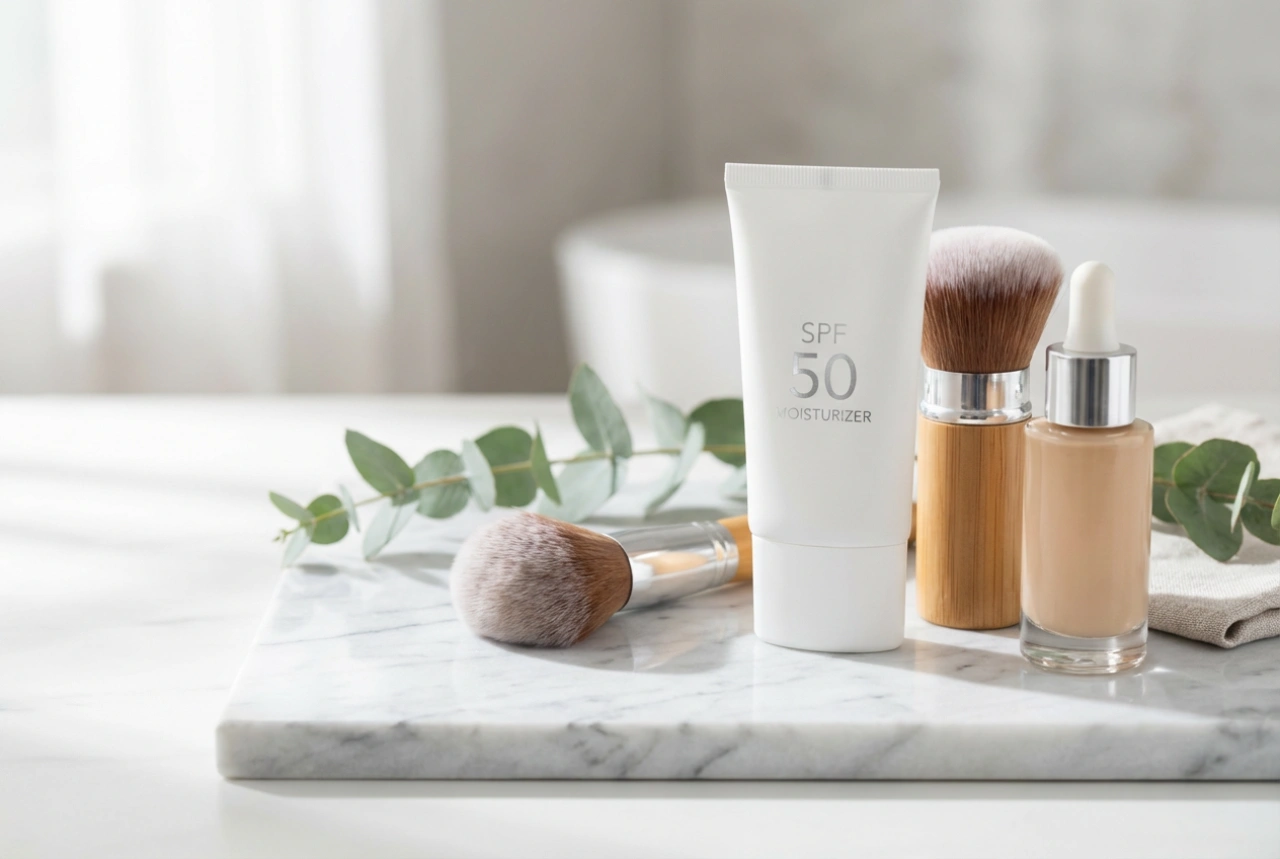
Furthermore, protecting your skin from daily environmental exposure is crucial. Applying a broad-spectrum sunscreen every morning is an indispensable step in any beauty regime, especially when using products designed to brighten the complexion. Daily sun protection helps maintain the positive results of your skincare routine and prevents future dullness caused by environmental factors.