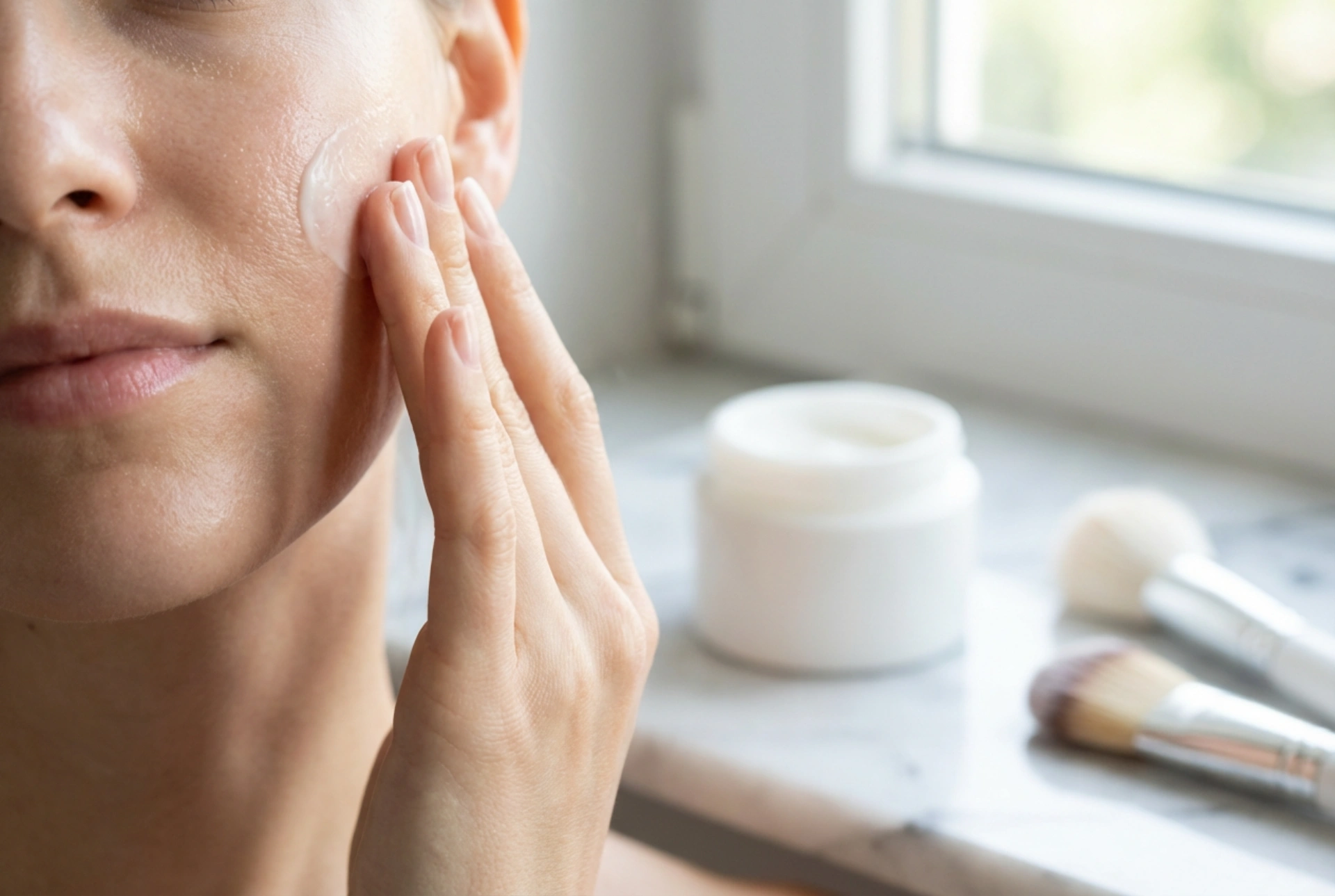


Achieving a radiant, healthy-looking complexion starts with proper hydration. A rich, deeply hydrating face cream is a cornerstone of daily skincare, helping to lock in moisture, support the skin barrier, and create a smooth canvas. When applying a nourishing moisturiser under soft, natural light, we can appreciate how it transforms the texture of the skin. However, to get the absolute most out of your hydrating cream, it is essential to understand when to use it, how to apply it correctly, and how to seamlessly integrate it into your makeup routine without causing sliding or pilling.
Choosing the Right Time of Day for Intensive Hydration
The skin has different needs depending on the hour, meaning your hydration strategy should adapt from morning to night. During the day, the skin requires protection from environmental factors alongside lightweight but long-lasting moisture. In the evening, the focus shifts to recovery and deep nourishment.
Morning Application: Protection and Preparation
In the morning, a hydrating cream serves as a protective shield and a base for your daily beauty routine. The key is to choose a formula that absorbs quickly while still providing sufficient moisture. Applying your cream in the morning helps plump the skin, filling in fine dehydration lines and creating a fresh, dewy base that lasts throughout the day.
Evening Application: Deep Regeneration
At night, the skin undergoes its natural renewal process. This is the perfect time to apply a more generous layer of a rich, deeply hydrating cream. Without the need to layer makeup on top, you can opt for heavier, lipid-rich formulas that slowly sink into the skin overnight, ensuring you wake up with a soft, supple, and fully restored complexion.
The Art of Application: Maximising Your Cream's Potential
How you apply your moisturiser is just as important as the formula itself. Applying cream in a rush can lead to uneven distribution and wasted product. Taking a mindful approach to application ensures that every drop of moisture is absorbed efficiently.
- Damp Skin Is Key: Always apply your hydrating cream to slightly damp skin, ideally right after using a gentle toner or hydrating mist. This helps lock in the moisture on the surface of your skin.
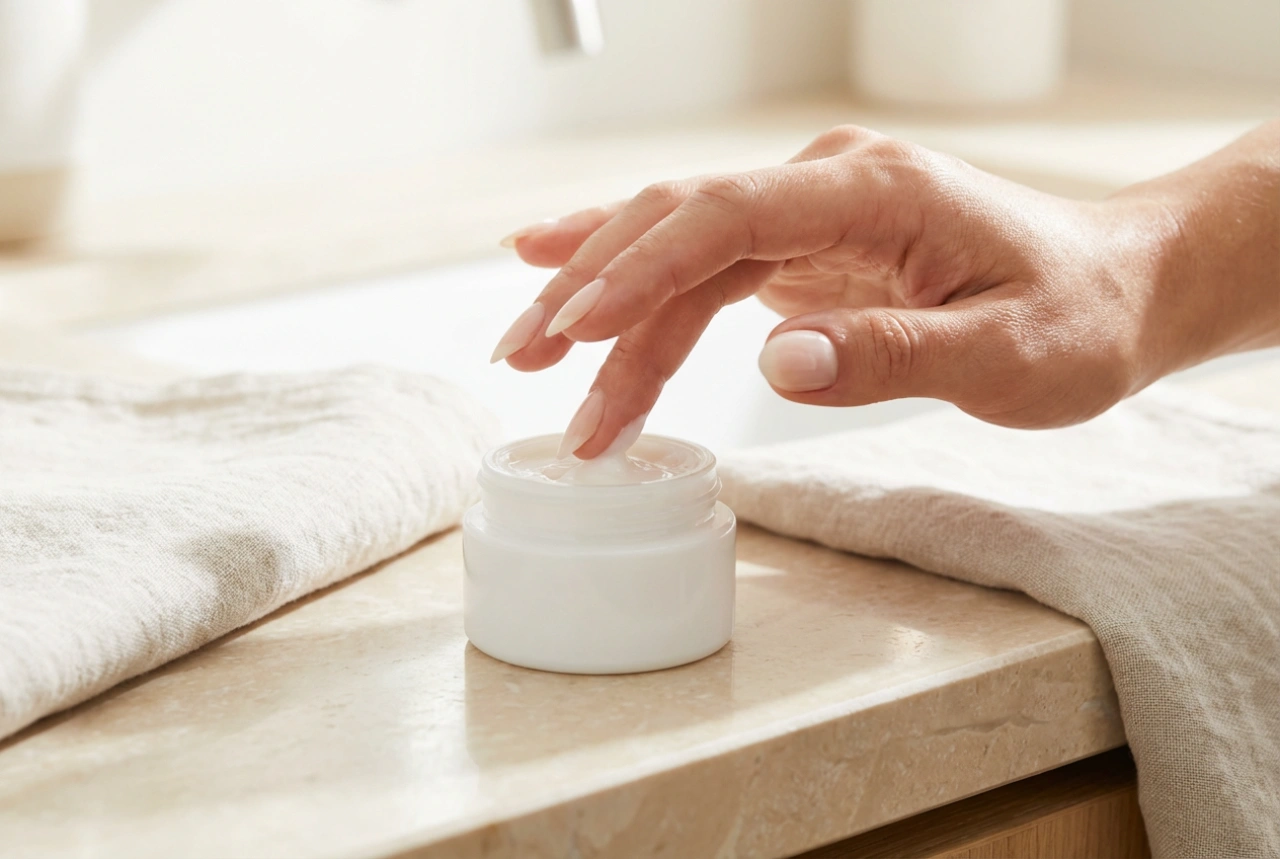
- Gentle Pressing and Patting: Instead of rubbing the cream vigorously, warm a small amount between your fingertips and gently press it into your face. Start from the center and move outwards and upwards.
- Don't Forget the Neck and Decolletage: These areas have delicate skin that is highly prone to dryness. Always extend your hydration routine downwards to keep the neck and chest looking equally smooth.
How to Seamlessly Combine Hydration with Makeup
Many people find that rich creams can cause makeup to slip, slide, or break up during the day. However, you do not need to sacrifice deep hydration for a flawless makeup finish. The secret lies in patience, product compatibility, and technique.
The Power of Waiting
The most common mistake when combining skincare and makeup is working too quickly. After applying your rich hydrating cream, wait at least five to ten minutes before reaching for your foundation or concealer. This allows the cream to fully bond with the skin, leaving a dry-to-the-touch, velvety surface rather than a wet, slippery layer.
Matching Formular Bases
To avoid the dreaded pilling effect (where makeup balls up on the skin), pay attention to the bases of your products. If your hydrating cream is highly oil-based or contains heavy natural butters, it may clash with water-based foundations. Try to pair similar formulations together, or opt for a lightweight, water-infused hydrating cream if you prefer water-resistant or silicone-based cosmetic products.
Using Beauty Tools Strategically
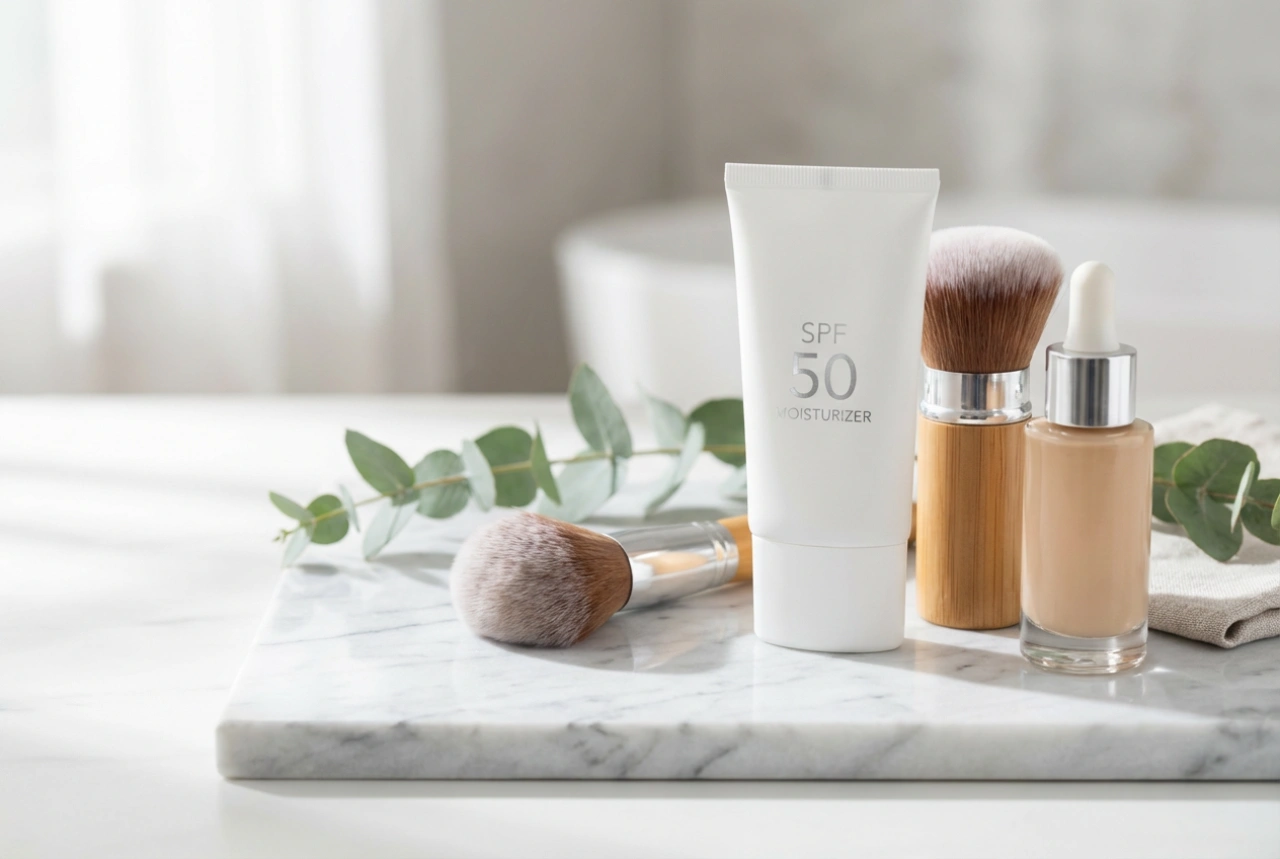
When applying makeup over a deeply hydrated base, your choice of tools matters. Using a damp beauty sponge to press foundation into the skin, rather than dragging a firm brush across it, will keep the underlying layer of moisturiser undisturbed. This technique ensures a seamless, glowing finish that looks incredibly natural under any light.