

An effective skincare routine relies on ingredients that deeply nourish, maintain moisture levels, and support the natural protective barrier of the skin. Among the most valued substances in daily care is urea, a powerful humectant known for its exceptional hydrating properties. When incorporated into a face cream, it helps achieve a smooth, supple, and radiant complexion. Understanding how this ingredient works, how to apply it correctly, and how to combine it with other products in your beauty arsenal is the key to unlocking its full potential.
The role of urea in face care
Urea is a naturally occurring compound in our skin, forming a vital part of the Natural Moisturising Factor (NMF). Its primary role is to bind water molecules in the epidermis, preventing dehydration and maintaining a plump, healthy appearance. In cosmetic formulations, urea is used in various concentrations to address different skincare needs. At lower concentrations, typically under five percent, it acts as a gentle humectant, drawing moisture into the skin and softening the outer layers. This makes it an excellent choice for daily hydration, especially for those experiencing temporary dryness or environmental stress.
How urea supports the skin barrier
A healthy skin barrier is crucial for defending against external aggressors such as wind, cold weather, and dry indoor air. When the barrier is compromised, moisture escapes rapidly, leading to flakiness, tightness, and a dull complexion. Urea face creams work by reinforcing this protective shield. By restoring optimal hydration levels, urea helps the skin remain resilient, smooth, and naturally soft to the touch.
How to apply urea face cream for best results
To maximise the benefits of your urea-infused cream, proper application is essential. It is not just about the product itself, but also about creating the right conditions for absorption. Incorporating it into a mindful morning or evening ritual can significantly enhance its efficacy.
- Preparation: Always start with thoroughly cleansed skin. Use a gentle, soap-free cleanser to remove impurities without stripping the skin's natural oils.
- Toning: Apply a hydrating toner or mist to slightly dampen the skin. Applying urea cream to damp skin helps lock in extra moisture.
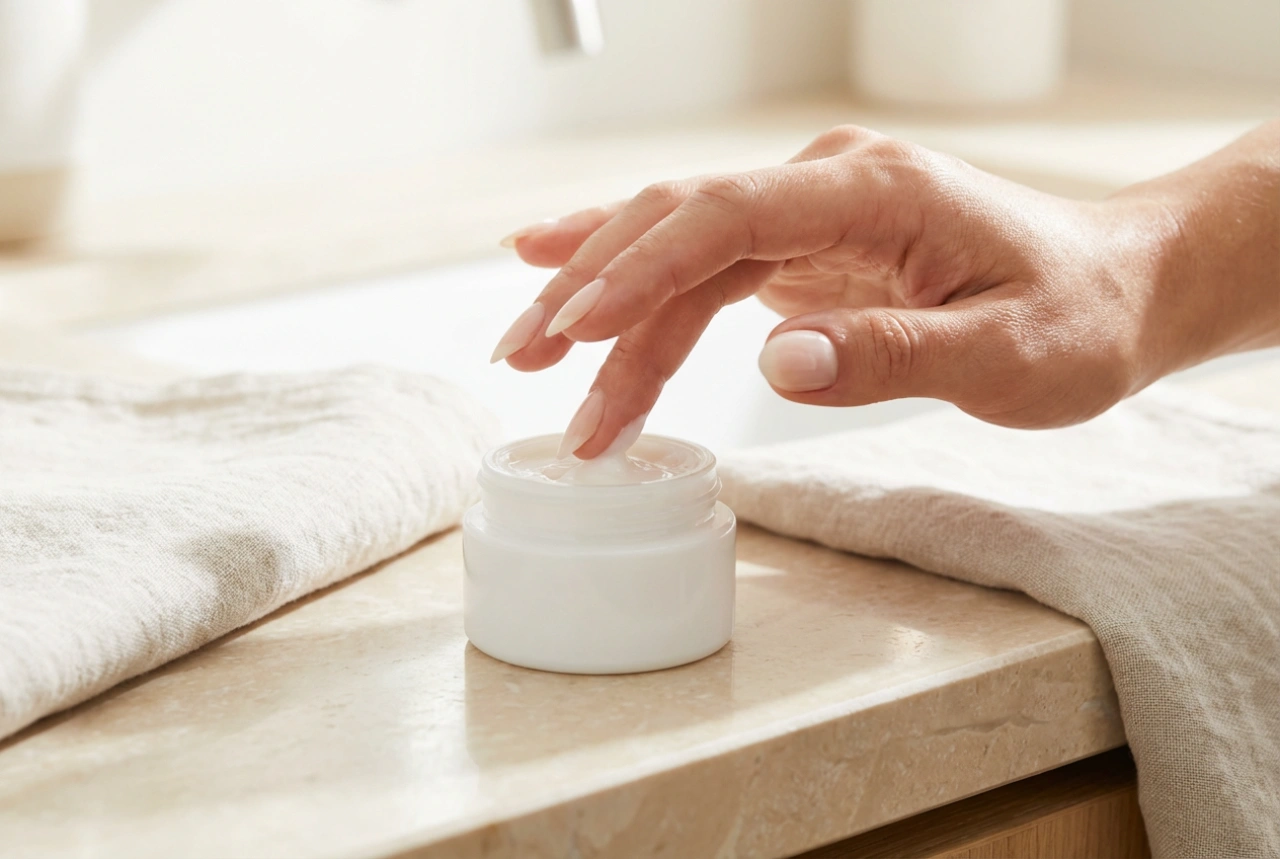
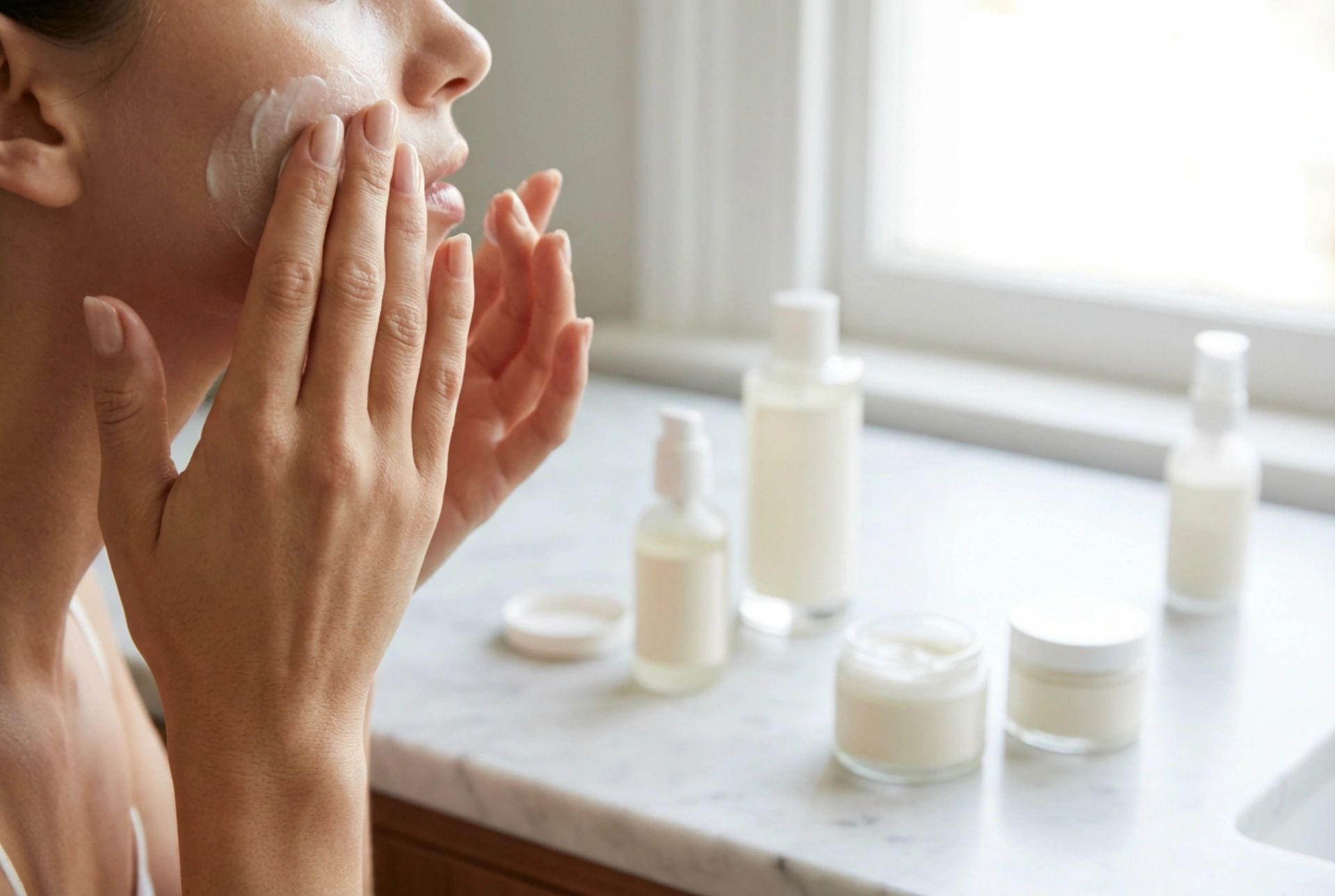
- Quantity: A pea-sized amount is usually sufficient for the entire face and neck. Gently warm the product between your fingertips before application.
- Technique: Smooth the cream upward and outward, using gentle pressing motions rather than vigorous rubbing to avoid unnecessary friction.
Combining urea with other skincare active ingredients
Creating a balanced skincare routine often involves layering different products. Urea is highly versatile and pairs beautifully with many common cosmetic ingredients, but a few simple guidelines should be followed to ensure compatibility and avoid overloading the skin.
Safe and beneficial combinations
Urea works exceptionally well alongside other hydrating and barrier-supporting ingredients. Combining it with hyaluronic acid creates a powerful hydration duo, as both substances attract water but work at slightly different depths within the epidermis. Ceramide-rich lotions or creams can be applied after a urea cream to seal in the hydration and provide a nourishing lipid shield. Additionally, soothing botanical extracts and gentle oils can complement the softening effects of urea, leaving the skin feeling deeply comforted.
What to watch out for
While urea is generally very well tolerated, caution should be exercised when using it in the same routine as strong exfoliating acids, such as high-strength glycolic or salicylic acids, or powerful retinoids. Because urea softens the skin and increases permeability, combining it with intense exfoliants might occasionally lead to mild temporary sensitivity. If you wish to use both, consider applying your active serums in the evening and your hydrating urea cream in the morning to keep the routine balanced.
Choosing the right formulation for your skin type
Urea face creams come in various textures, from lightweight fluids to rich, comforting balms. If you have combination or oil-prone skin, look for light, non-comedogenic emulsions that provide hydration without a heavy residue. For those with dry or very dry skin, a richer cream containing nourishing plant oils alongside urea will offer the deep nourishment needed to restore comfort and a healthy-looking glow.