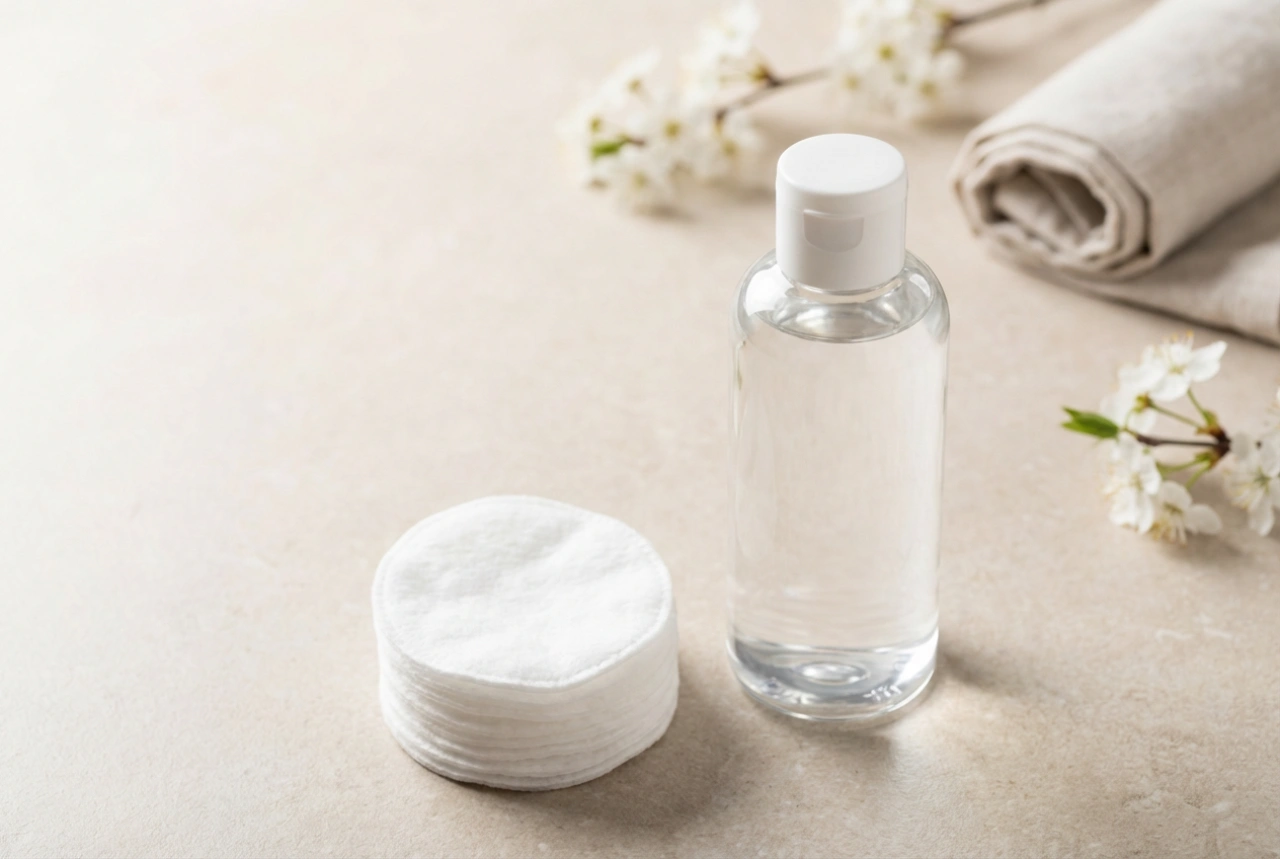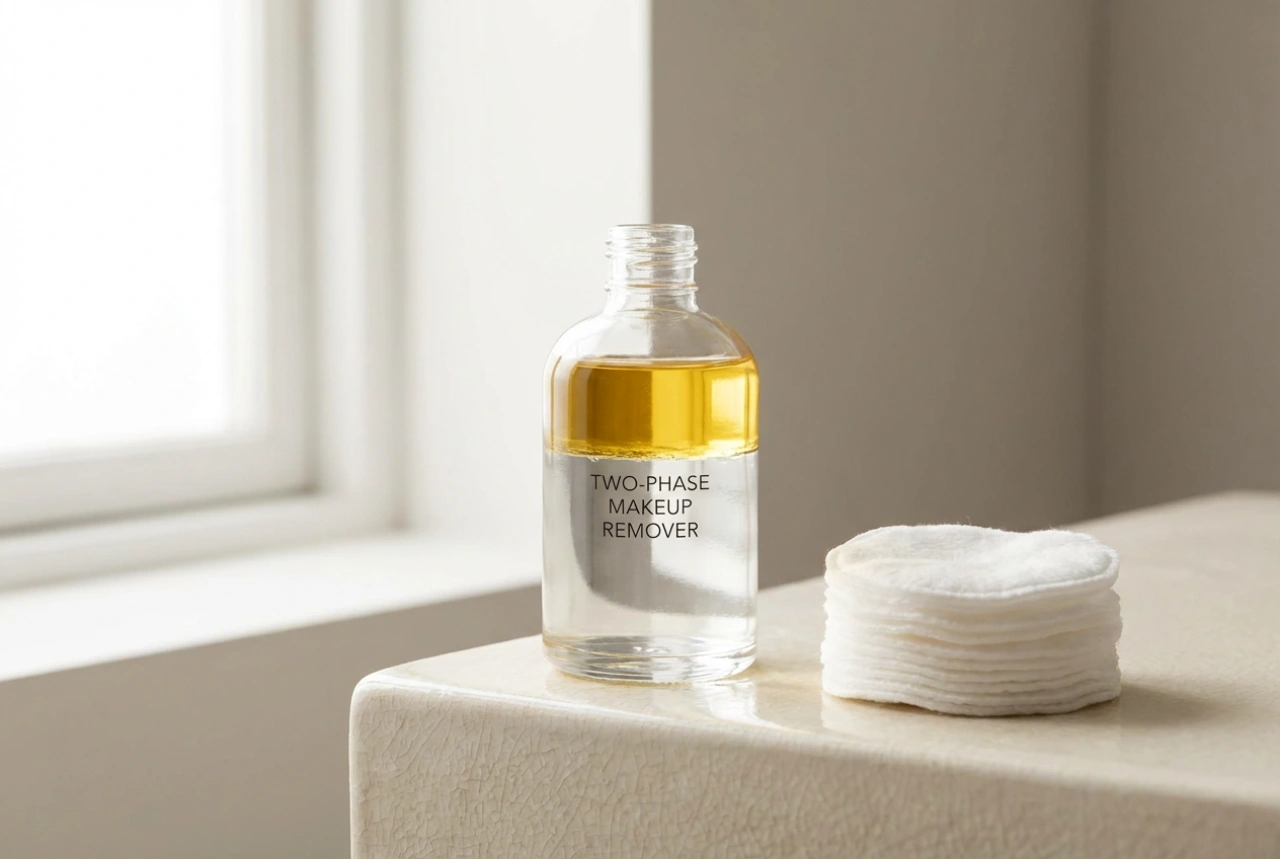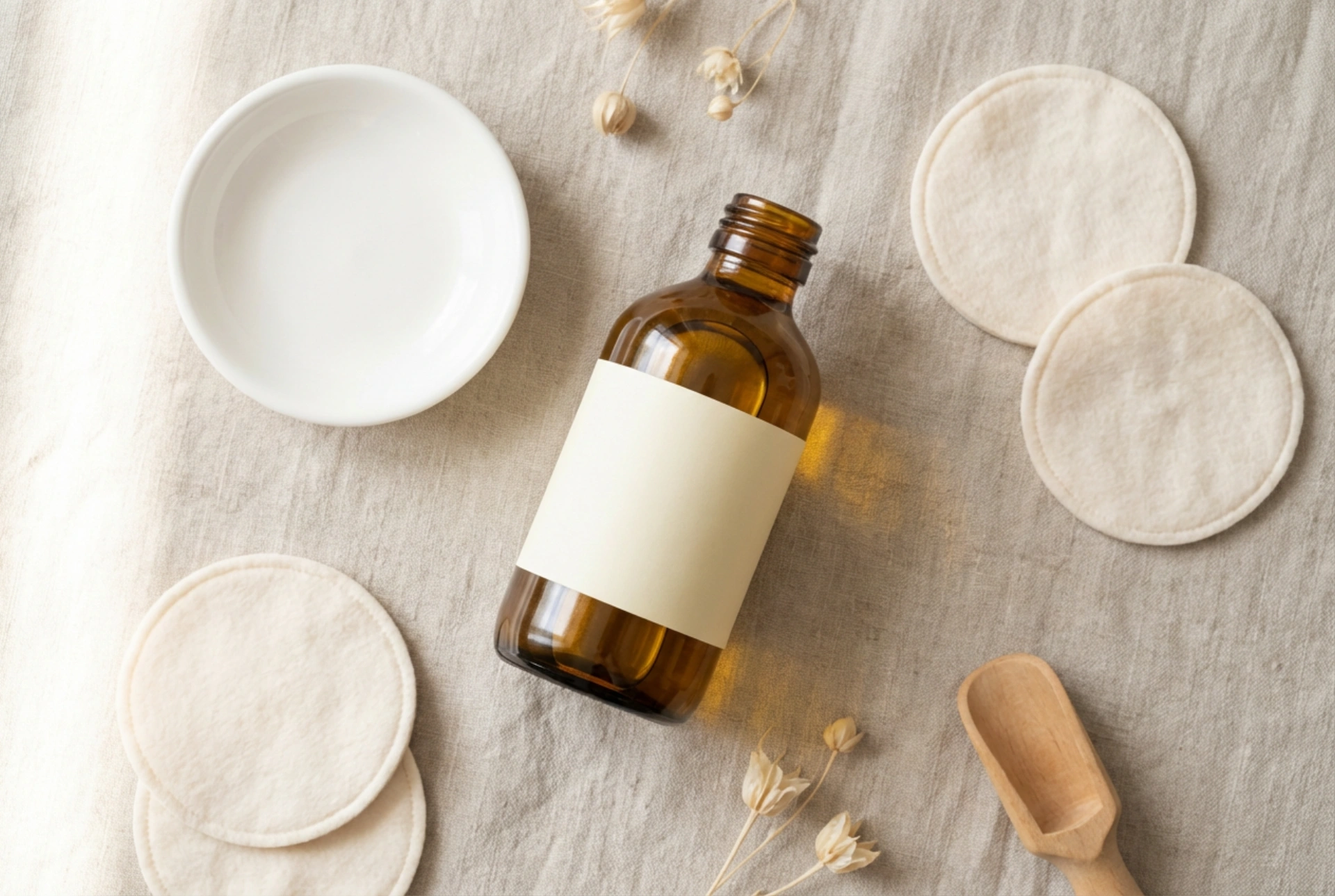


A minimalist skincare ritual often begins with the visual promise of purity: an elegant, amber-toned bottle of cleansing oil sitting beside clean cotton pads in soft, natural light. This aesthetic simplicity reflects a deeper, highly effective philosophy derived from Korean beauty traditions. The Korean cleansing oil has transitioned from a niche secret to a global skincare staple. Designed to effortlessly melt away daily impurities, it provides a gentle yet thorough start to any evening routine, respecting the skin's natural balance while ensuring a perfectly clean canvas.
The Principle of "Like Dissolves Like"
To understand why Korean cleansing oils are so effective, one must look at the basic chemistry of skincare. Throughout the day, the skin naturally produces sebum and accumulates environmental pollutants, sweat, and residues from cosmetics. Many makeup products, particularly waterproof formulations and physical sunscreens, are designed to be lipophilic, meaning they are oil-soluble and resistant to water alone. Traditional water-based face washes often struggle to break down these stubborn substances, requiring harsh scrubbing that can irritate the delicate epidermal barrier.
This is where the scientific rule of "like dissolves like" comes into play. When you apply a botanical-based cleansing oil to a dry face, the lipids in the cleanser bind with the excess sebum, makeup, and sunscreen on your skin. Instead of stripping the skin, the oil gently lifts these impurities from the pores. Because the formula contains emulsifiers, the oil transforms into a light, milky emulsion upon contact with water, allowing the entire mixture to be rinsed away easily without leaving a greasy residue behind.
Why the Korean Cleansing Oil Differs
Korean skincare philosophy places a significant emphasis on hydration, prevention, and barrier protection. Unlike traditional makeup removers that can feel astringent and dry, Korean cleansing oils are formulated with skin-nourishing botanical extracts. They focus on maintaining the natural moisture barrier while providing a deep, sensory massage experience.
- Gentle Formulations: They generally rely on high-quality plant oils such as jojoba, sunflower, apricot kernel, or green tea seed oil, which are rich in antioxidants and fatty acids.
- Hydration Retention: Instead of leaving the skin feeling tight or stripped, these oils help retain moisture, leaving the texture soft and supple.
- Pore Refinement: By gently dissolving excess sebum inside the pores, regular use helps to minimise the appearance of blackheads and congestion without causing inflammation.
Debunking the Myth: Cleansing Oil for Oily Skin
A common misconception is that those with oily or combination skin should avoid oil-based skincare products out of fear of clogging pores. In reality, avoiding oils can sometimes cause the skin to overcompensate by producing even more sebum. When oily skin is stripped of its natural moisture, it becomes dehydrated, triggering a cycle of excess oil production.
Using a lightweight, non-comedogenic cleansing oil helps to harmonise the skin's natural oil levels. Because it binds specifically with excess sebum, it removes the unwanted shine while keeping the essential hydration intact. The key is choosing a formula that rinses off completely clean, ensuring no heavy residue remains to block the pores.
How to Use a Cleansing Oil: A Step-by-Step Guide
To get the maximum benefit from your Korean cleansing oil, the application technique is just as important as the product itself. Following a mindful, step-by-step approach ensures a thorough cleanse and a relaxing self-care ritual.
Step 1: Dry Hands, Dry Face
Always begin the process with completely dry hands and a dry face. If your hands or face are wet, the oil will emulsify prematurely, losing its ability to bind with the makeup and sebum on your skin. Pump a small amount of oil into your palms and warm it slightly by rubbing your hands together.
Step 2: Gentle Massage
Smooth the oil over your face and begin massaging it in gentle, upward circular motions. Spend about thirty to sixty seconds focusing on areas with heavier makeup, such as the eyes and lips, or areas prone to congestion, such as the nose and chin. This step not only dissolves impurities but also stimulates local circulation, promoting a healthy radiance.
Step 3: Emulsification
Wet your hands with a small amount of lukewarm water and continue to massage your face. The oil will immediately react with the water, turning into a light, milky fluid. This emulsification process is crucial, as it breaks down the bond between the dissolved impurities and your skin, preparing them to be washed away.
Step 4: The Rinse
Rinse your face thoroughly with lukewarm water. Ensure that all traces of the milky emulsion are completely gone. Your skin should feel clean, soft, and refreshed, without any heavy or greasy film.
Step 5: The Double Cleanse
In the classic Korean skincare routine, the oil cleanse is followed by a gentle, water-based foaming or gel cleanser. This second step ensures that any remaining water-soluble impurities, such as sweat or environmental dust, are thoroughly removed, leaving the skin perfectly prepared to absorb subsequent hydration steps like toners and serums.
Choosing the Right Oil for Your Routine
While most cleansing oils are versatile, selecting one tailored to your specific skin needs can elevate your routine. For dry or mature skin, richer oils containing argan or macadamia seed extracts offer deep nourishment. If your skin is sensitive or prone to redness, look for formulas enriched with calming ingredients like centella asiatica or calendula extract, which soothe the skin while cleansing. For oily or combination skin types, lightweight botanical oils like grapeseed or tea tree oil help keep the complexion balanced and clear.