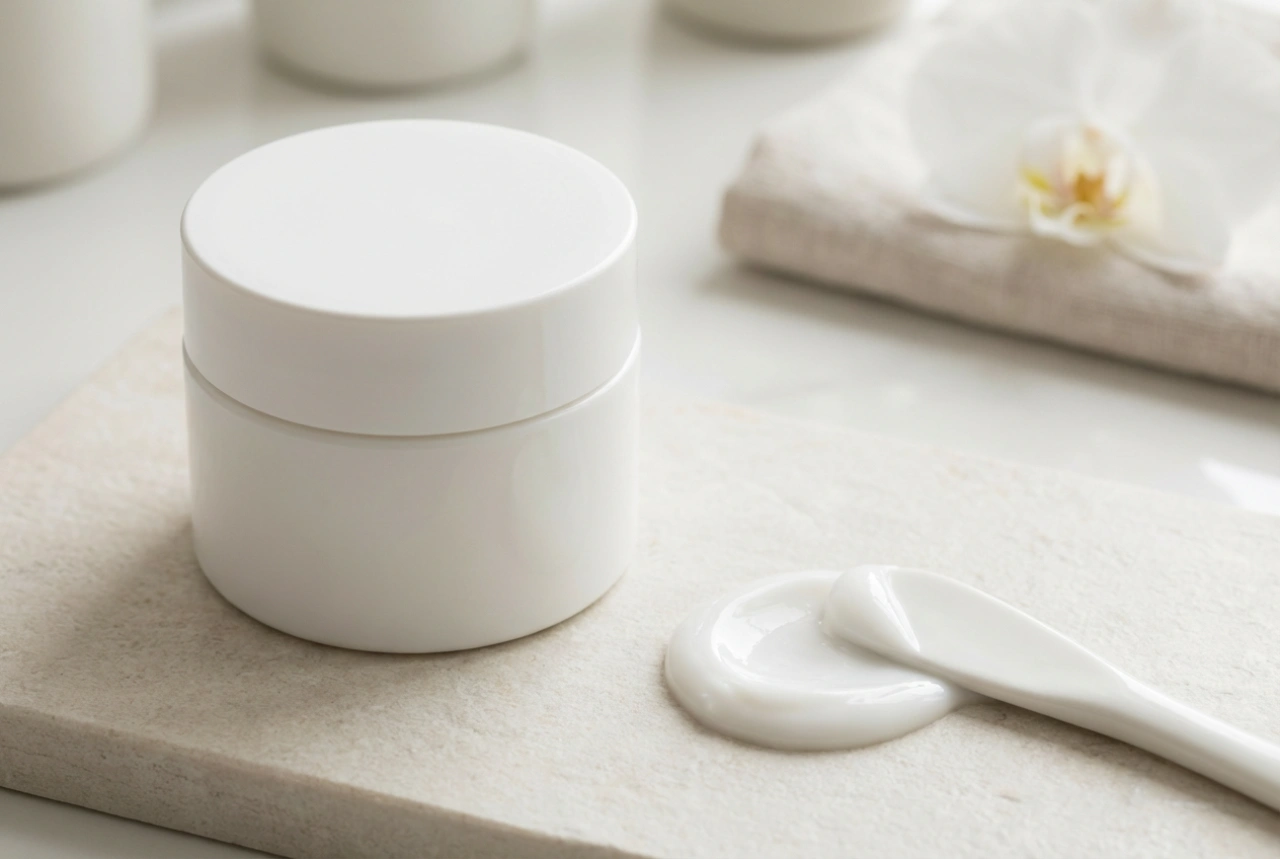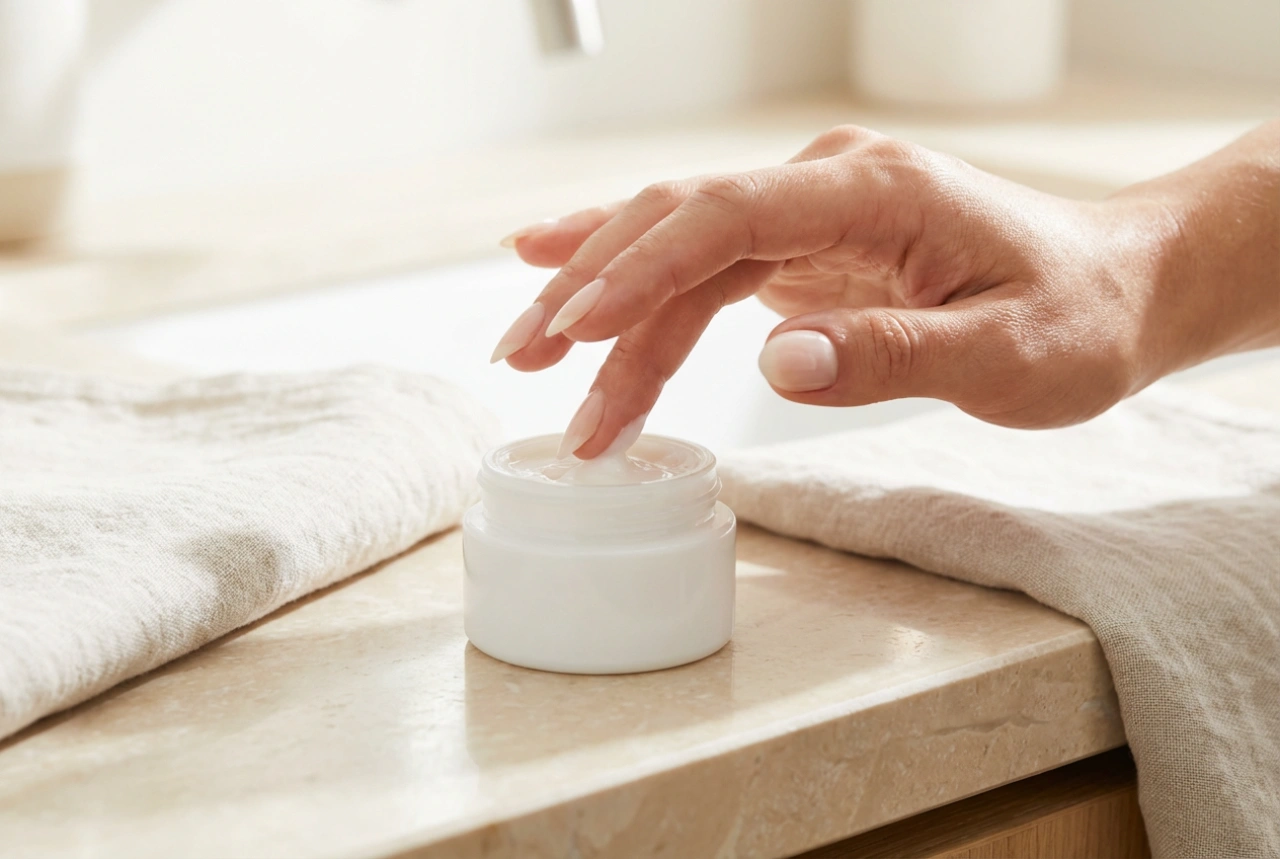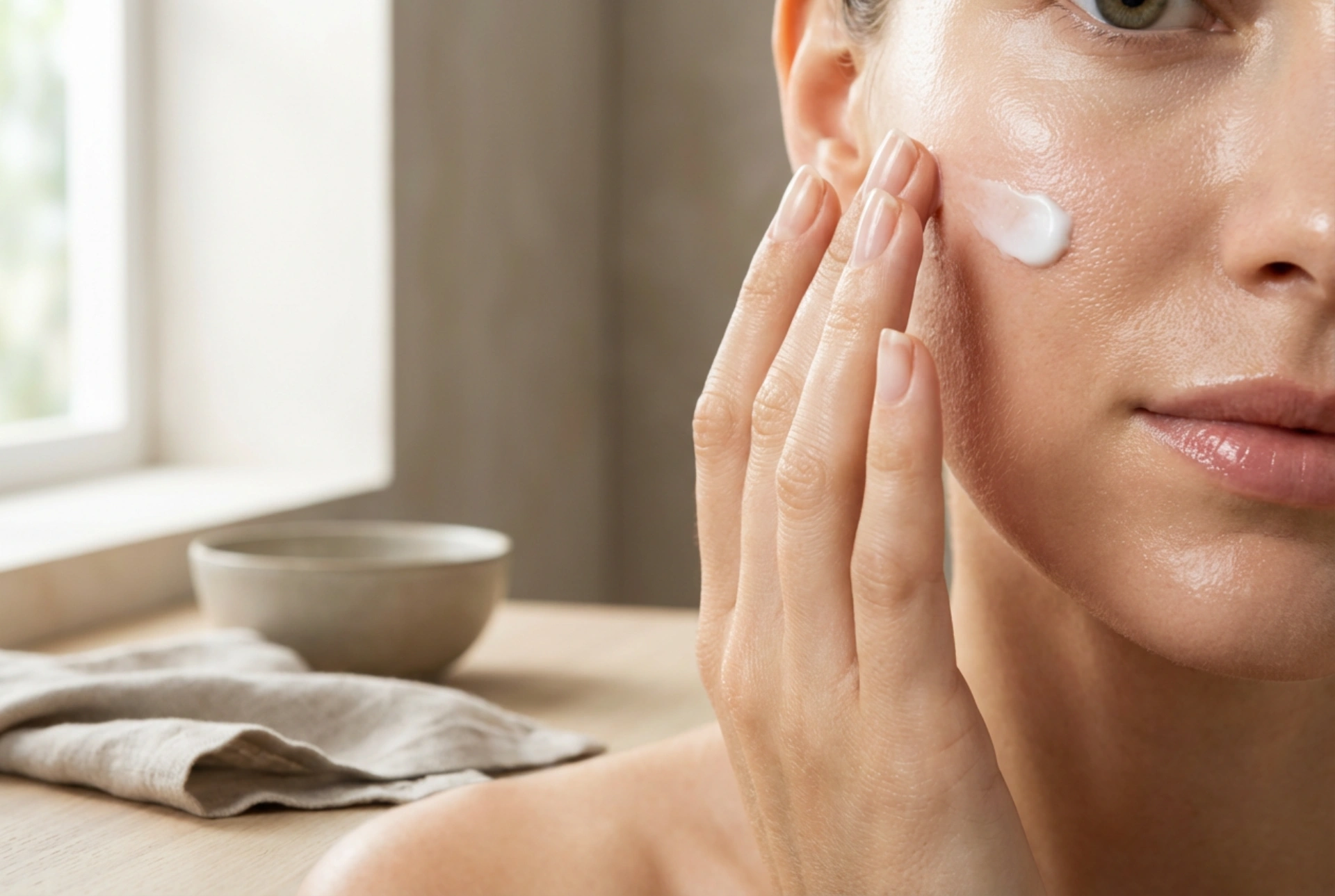


A tranquil, effective skincare ritual begins with a simple touch. Seeing a small dab of generic white cream gently smoothed onto glowing skin reminds us of the fundamental step in any daily beauty routine: hydration. A well-chosen moisturising face cream is not merely a cosmetic product; it is the cornerstone of maintaining a healthy, radiant complexion. Ensuring your skin receives the right balance of moisture and protection can transform its overall texture and appearance, leaving it soft, supple, and beautifully balanced.
Understanding Your Skin Type and Its Hydration Needs
Before selecting a moisturiser, it is essential to understand that different skin types require distinct formulations. Using a product designed for another skin type can lead to imbalances, making it crucial to assess your skin's specific needs.
- Dry Skin: This skin type lacks lipid production and often feels tight, flaky, or rough. It requires rich, nourishing creams that restore the skin barrier and seal in moisture. Emollient-heavy formulas are ideal here.
- Oily Skin: Often misunderstood, oily skin still needs hydration. A lack of moisture can actually cause the skin to produce more oil to compensate. For this type, lightweight, water-based, or gel-like moisturisers are perfect as they provide hydration without clogging pores or leaving a greasy residue.
- Combination Skin: This type features an oily T-zone (forehead, nose, and chin) combined with normal or dry cheeks. Balancing combination skin involves using a lightweight moisturiser that can be layered more heavily on drier areas, or utilising two different products to target specific zones.
- Sensitive Skin: Easily irritated, sensitive skin benefits from minimalist formulas free from potential irritants such as heavy artificial fragrances or essential oils. Soft, soothing textures that support the natural skin barrier are paramount.
Key Cosmetic Ingredients for Effective Hydration
When looking at moisturiser formulations, it helps to understand how different cosmetic ingredients work to keep your skin hydrated. A good moisturiser typically combines humectants and emollients to achieve optimal results.
Humectants
These are substances that attract water from the environment or deeper layers of the skin into the epidermis. Examples include hyaluronic acid, glycerin, and urea. They provide immediate, plumping hydration and are perfect for refreshing tired skin.
Emollients and Occlusives
These ingredients smooth the skin surface by filling in gaps between cells and creating a protective barrier that prevents water loss (transepidermal water loss). Plant oils, squalane, shea butter, and ceramides are classic examples that lock in moisture and leave the skin feeling velvety soft.
The Art of Correct Cream Application
The way you apply your face cream is just as important as the formula itself. Proper application ensures the product is absorbed efficiently and enhances blood circulation, promoting a natural glow.
- Preparation: Always start with a thoroughly cleansed face. Applying moisturiser to damp skin is highly effective, as it helps trap extra moisture.
- Dosage: A pea-sized amount is generally sufficient for the entire face. Using too much product can overload the skin and prevent it from breathing, while too little will not provide adequate protection.
- Technique: Warm the cream slightly between your fingertips first. Dot the product onto your forehead, cheeks, nose, and chin. Using gentle, upward, and outward sweeping motions, distribute the cream evenly. Avoid pulling or tugging downwards, as this can stress the skin tissue over time.
- The Eye Area: The skin around the eyes is particularly delicate. Avoid applying regular face cream too close to the lash line unless the product is specifically formulated for eyes. Instead, use your ring finger to gently tap any remaining product around the orbital bone.
- Do Not Forget the Neck: Your neck and décolletage are extensions of your face and are often the first areas to show signs of dryness. Always extend your moisturising routine downwards using gentle upward strokes.
Morning vs. Evening Moisturising Rituals
Your skin has different needs depending on the time of day, meaning your morning and evening moisturising routines should serve different purposes.
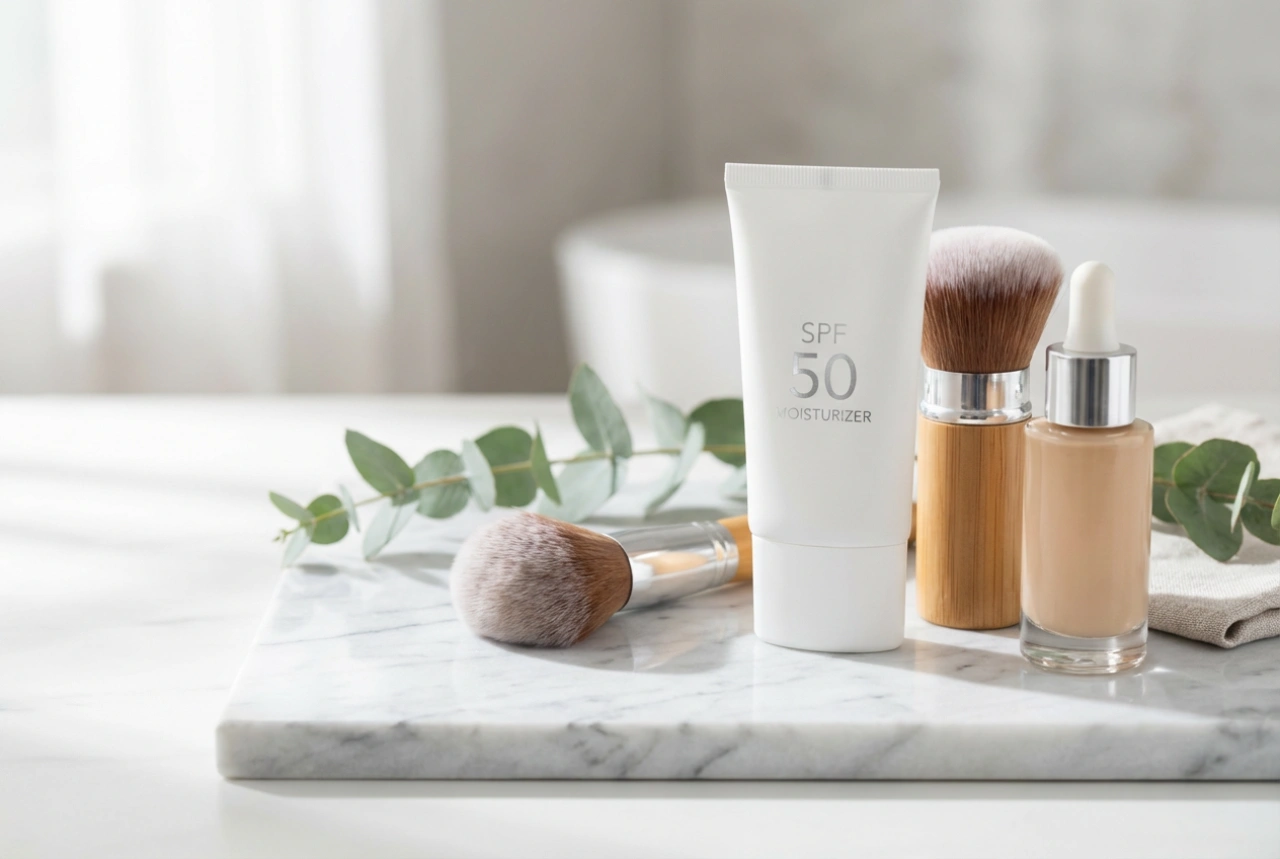
During the day, your skin is exposed to environmental stressors. A daytime moisturiser should be lightweight, easily absorbed under makeup, and focused on protection and hydration. Many daytime formulas contain antioxidants to shield the skin throughout the day.
While you sleep, the skin enters a restorative phase. Night creams are typically richer, heavier, and packed with nourishing ingredients designed to support the skin's natural regeneration process. This is the perfect time to use emollients that provide deep, long-lasting hydration, allowing you to wake up with a refreshed and glowing complexion.