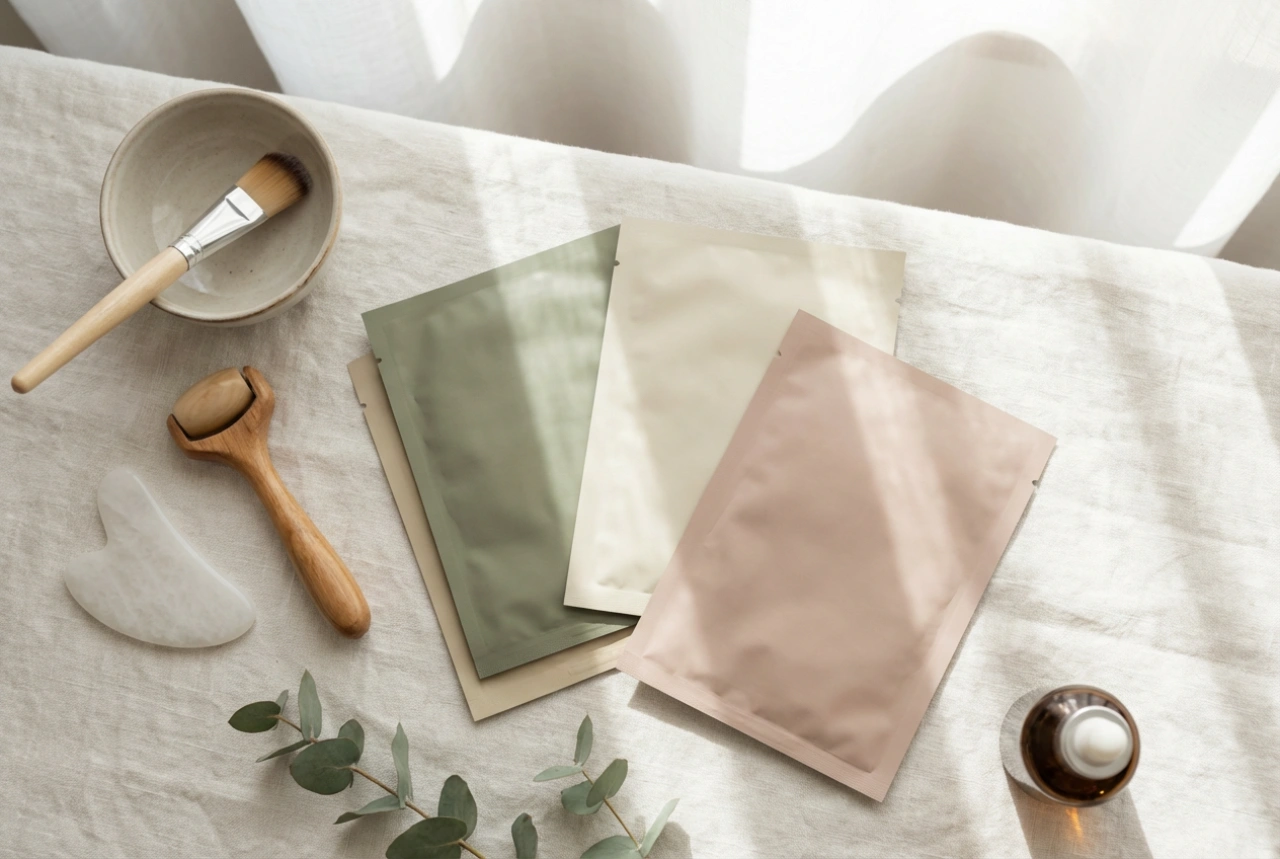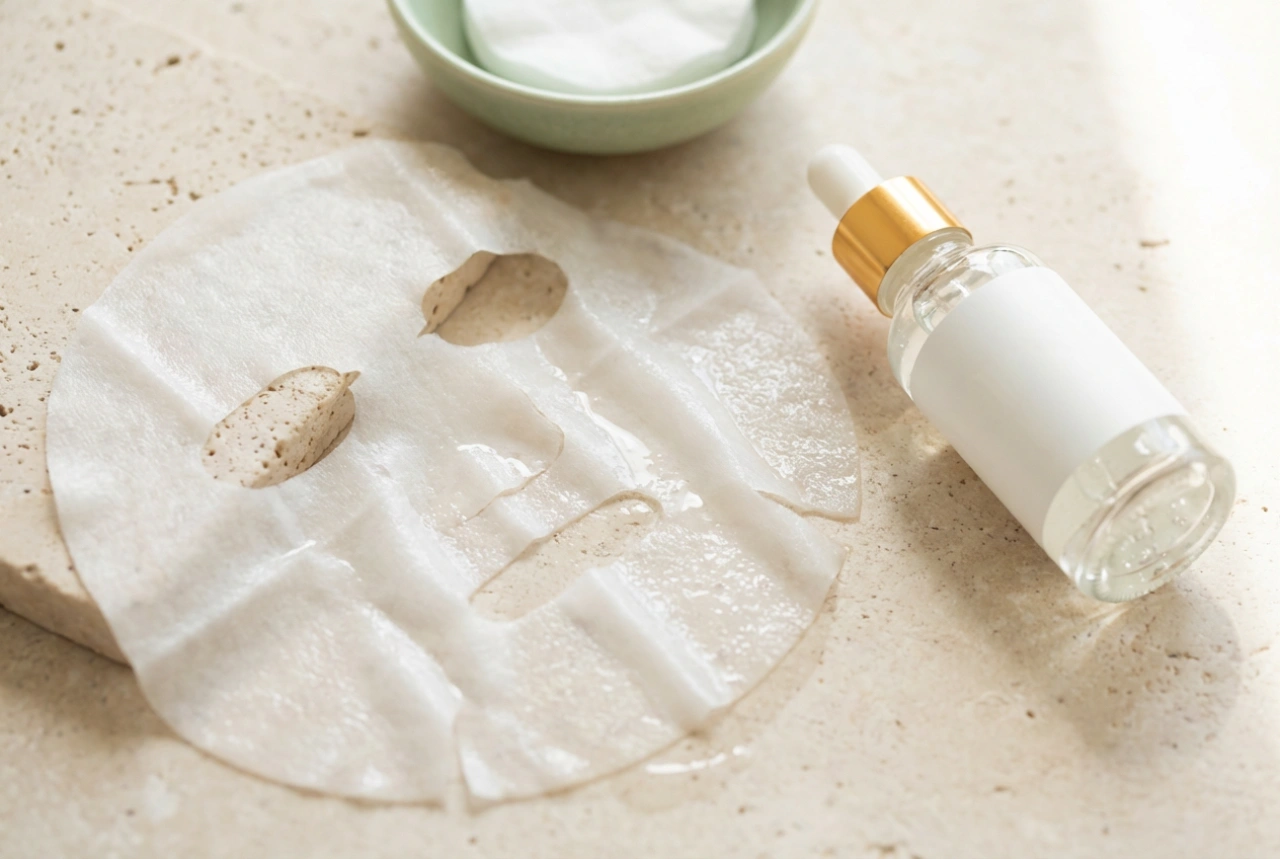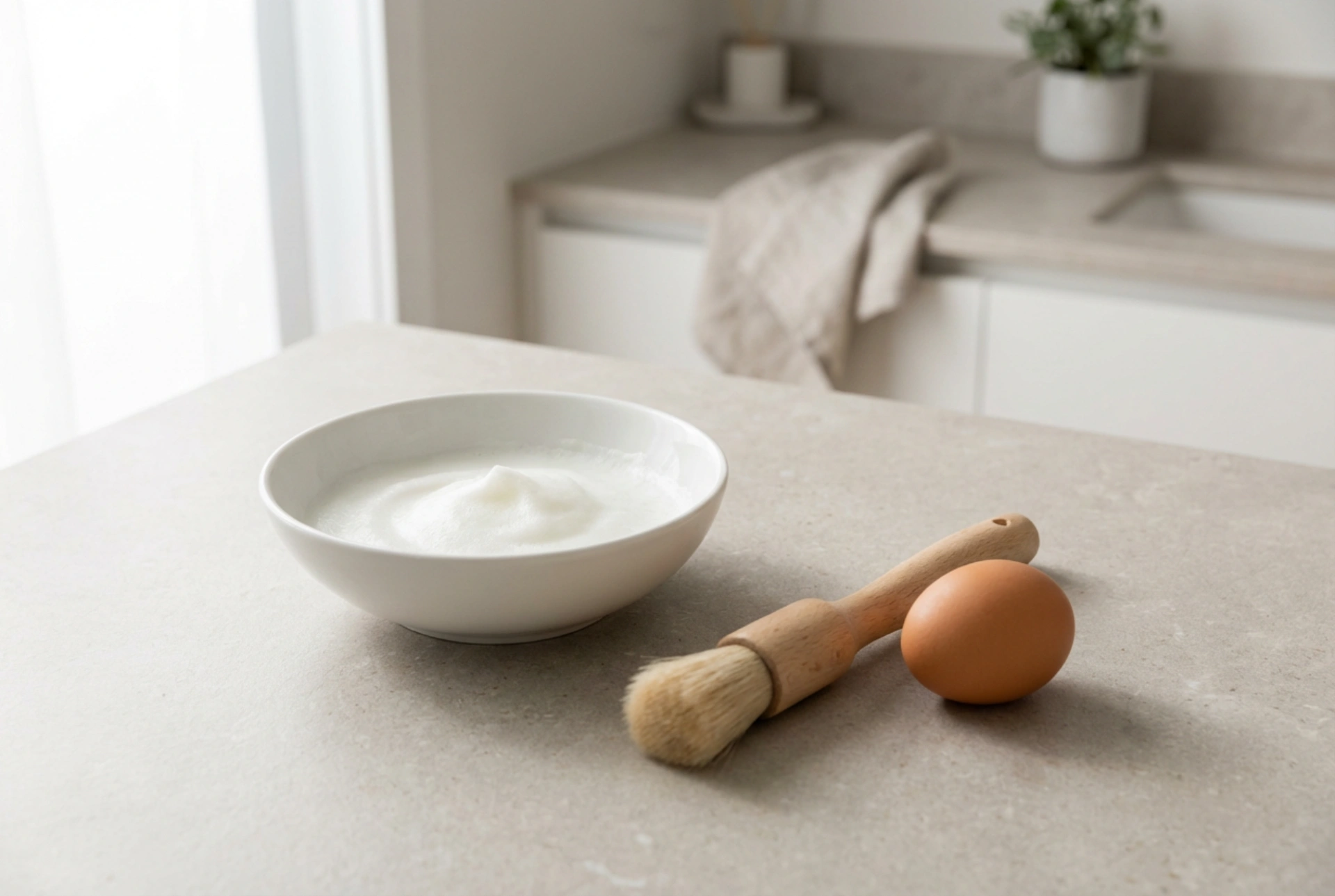


In the quest for simple, natural beauty rituals, home-made skincare treatments have enjoyed a significant resurgence. Among the traditional kitchen ingredients turned beauty staples, egg whites are often celebrated for their immediate skin-refreshing properties. A minimalist flat lay of a clean ceramic bowl containing a light, frothy egg white mixture next to a soft application brush beautifully illustrates the modern appeal of these uncomplicated, self-care routines. But does an egg white face mask truly deliver on its promises, and how should it be prepared and applied for the best cosmetic results?
Understanding the Cosmetic Properties of Egg Whites
Egg whites, which are composed primarily of water and proteins, have long been utilised in DIY beauty treatments. The star component in egg whites is albumin, a high-quality protein known for its film-forming capabilities on the skin. When applied topically, egg white dries to form a thin, tense layer. This film-forming action creates a temporary tightening effect, which can make the skin feel firmer and smoother to the touch immediately after rinsing.
Beyond this tightening sensation, egg whites contain natural enzymes and amino acids that help to absorb excess sebum. For individuals with oily or combination skin, this makes the egg white mask an appealing, cost-effective option to temporarily reduce surface shine and minimise the appearance of enlarged pores. However, it is essential to recognise that these effects are temporary and cosmetic, serving as a quick pick-me-up rather than a permanent alteration to the skin's structure.
Step-by-Step Preparation and Application Technique
To enjoy the benefits of this traditional beauty ritual, proper preparation and a gentle application technique are key. Using clean utensils and fresh ingredients ensures a pleasant and hygienic experience.
Step 1: Preparation
Start by thoroughly cleaning a small ceramic or glass bowl and a soft cosmetic brush. Separate the white of one fresh egg from the yolk. Using a fork or a small whisk, gently beat the egg white until it becomes light, frothy, and slightly foamy. Whipping the egg white makes it much easier to apply evenly across the skin and prevents it from sliding off the face.
Step 2: Cleanse the Skin
Before applying the mask, cleanse your face with a mild, everyday cleanser to remove surface dirt, makeup, and oil. Gently pat the skin dry with a clean towel. A clean canvas allows the egg white to adhere effectively and absorb excess oils directly from the skin surface.
Step 3: Precise Application
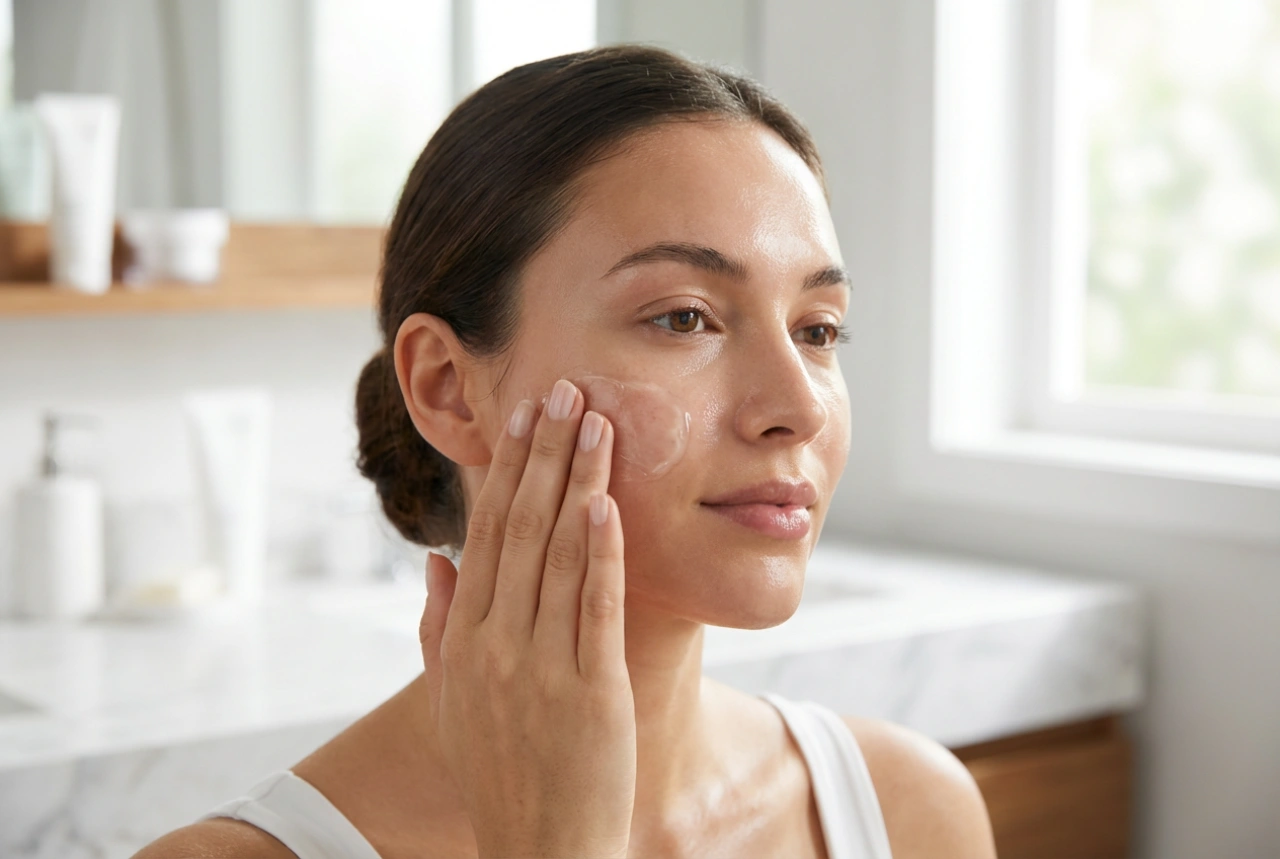
Dip your clean cosmetic brush into the frothy egg white mixture. Apply a thin, even layer across your face, starting from the centre and moving outwards. Focus on areas prone to excess shine, such as the forehead, nose, and chin (the T-zone). It is crucial to avoid the delicate eye area and the lips, as the skin here is highly sensitive and prone to dryness.
Step 4: Relaxation and Removal
Allow the mask to dry for approximately ten to fifteen minutes. During this time, you will feel a distinct tightening sensation as the liquid evaporates and the protein film forms. Avoid making expressive facial movements while the mask is drying. Once the mask is completely dry, rinse it off thoroughly with lukewarm water. Use gentle, circular motions with your hands to soften the dried film, ensuring no residue is left behind.
Who is the Egg White Mask Best Suited For?
Due to its oil-absorbing and temporary tightening properties, an egg white mask is particularly suited for individuals with oily, combination, or dull skin looking for a quick refreshment. It acts as a natural astringent, helping to matte the skin and refine its texture before a special event or as part of a weekly evening pampering session.
Conversely, those with very dry or highly sensitive skin should approach egg white masks with caution. The tightening effect can sometimes feel overly drying or restrictive for skin types that already lack moisture. If you have dry skin but still wish to try this ritual, consider mixing the whipped egg white with a teaspoon of honey or a few drops of a nourishing plant-based oil to counteract the drying effect.
Important Safety Precautions for Home Skincare
While natural ingredients are generally safe, proper care must be taken when applying raw food products to the skin. To prevent any adverse reactions, keep the following guidelines in mind:
- Perform a Patch Test: Always conduct a patch test before applying raw egg white to your entire face. Apply a small amount of the whipped mixture to your inner forearm or jawline and wait twenty-four hours to ensure no redness, itching, or irritation occurs.
- Use Fresh, High-Quality Eggs: Ensure the eggs used are fresh and stored correctly to minimise any hygiene risks associated with raw ingredients.
- Do Not Apply on Broken Skin: Never use an egg white mask on irritated, sunburned, or broken skin. The tight film can exacerbate discomfort and compromise the skin's barrier.
- Follow Up with Hydration: After rinsing off the mask, immediately apply your regular hydrating toner and a nourishing moisturiser to lock in hydration and keep the skin barrier balanced.
Incorporating an egg white mask into your weekly skincare routine can be a delightful way to practice self-care using simple, accessible ingredients. When prepared carefully and applied with the right technique, this classic home remedy offers a gentle, refreshing boost for a brighter, smoother-looking complexion.