

A fresh, clear complexion often begins with the simplest of daily rituals: proper hydration. Finding a skincare product that delivers deep moisture without leaving a heavy, greasy residue is a common goal for many beauty enthusiasts. A lightweight, non-greasy moisturiser is the cornerstone of maintaining skin balance, ensuring that the natural barrier remains resilient against environmental stressors. However, the fear of clogged pores often leads people to skip this vital step, which can paradoxically result in dehydrated and unbalanced skin. Understanding how to select and apply a non-comedogenic moisturiser is key to achieving that coveted radiant, healthy look without causing unwanted congestion.
What Does Non-Comedogenic Actually Mean?
The term "non-comedogenic" is widely used in the beauty and cosmetic industry, yet its definition can sometimes feel elusive. In simple terms, a non-comedogenic product is formulated in a way that makes it less likely to cause comedones, which are the basic blockages of the skin's pores. These blockages occur when sebum, dead skin cells, and daily impurities become trapped inside the hair follicles. When a product is labelled as non-comedogenic, it indicates that the ingredients have been carefully selected and balanced to minimise the risk of blocking these delicate passages.
It is important to remember that skin chemistry varies significantly from person to person. An ingredient that works beautifully for one individual might behave differently on another. Therefore, while the non-comedogenic label is an excellent guiding light, understanding the science behind the formulation and recognizing how different textures feel on your skin will empower you to make the best choices for your personal beauty routine.
Key Ingredients to Look For in a Lightweight Moisturiser
When searching for a moisturiser that provides optimal hydration without weighing the skin down, the ingredient list is your most valuable resource. Opting for formulations rich in humectants is a fantastic starting point. Humectants are ingredients that draw water into the skin's outer layers from the surrounding air and deeper skin levels, offering hydration without adding excess oil.
- Hyaluronic Acid: A powerhouse molecule capable of holding many times its weight in water, providing a plumping effect and deep hydration.
- Glycerin: A classic, highly effective humectant that strengthens the moisture barrier and keeps the skin feeling soft and supple.
- Squalane: A lightweight, stable emollient that mimics the skin's natural oils, absorbing quickly without leaving a greasy film.
- Niacinamide: Also known as Vitamin B3, this versatile ingredient helps soothe the skin, improve the appearance of texture, and support the natural barrier.
In addition to seeking out these beneficial components, it is wise to avoid exceptionally heavy waxes, thick mineral oils, and certain synthetic esters if your skin is naturally prone to congestion. Opting for fluid lotions, water-gels, or lightweight creams will ensure your skin feels refreshed and comfortably hydrated rather than suffocated.
How to Read Product Labels and Formulas
Decoding the back of a skincare package can seem daunting, but a few simple guidelines can help you navigate the process with ease. Ingredients are listed in order of concentration, from highest to lowest. For a lightweight, pore-friendly experience, water or aqueous extracts should ideally be the first ingredient on the list. This indicates a lighter, water-based formulation that will absorb easily.
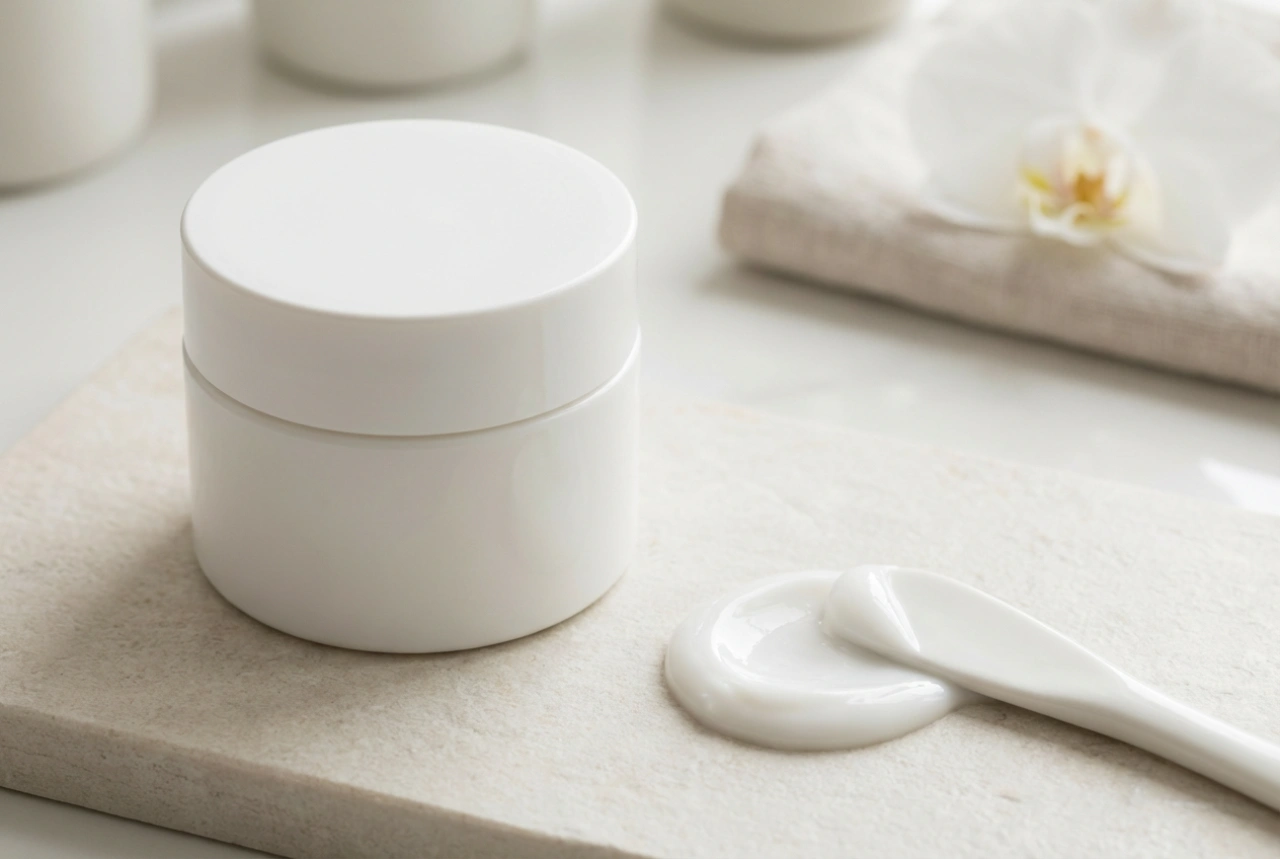
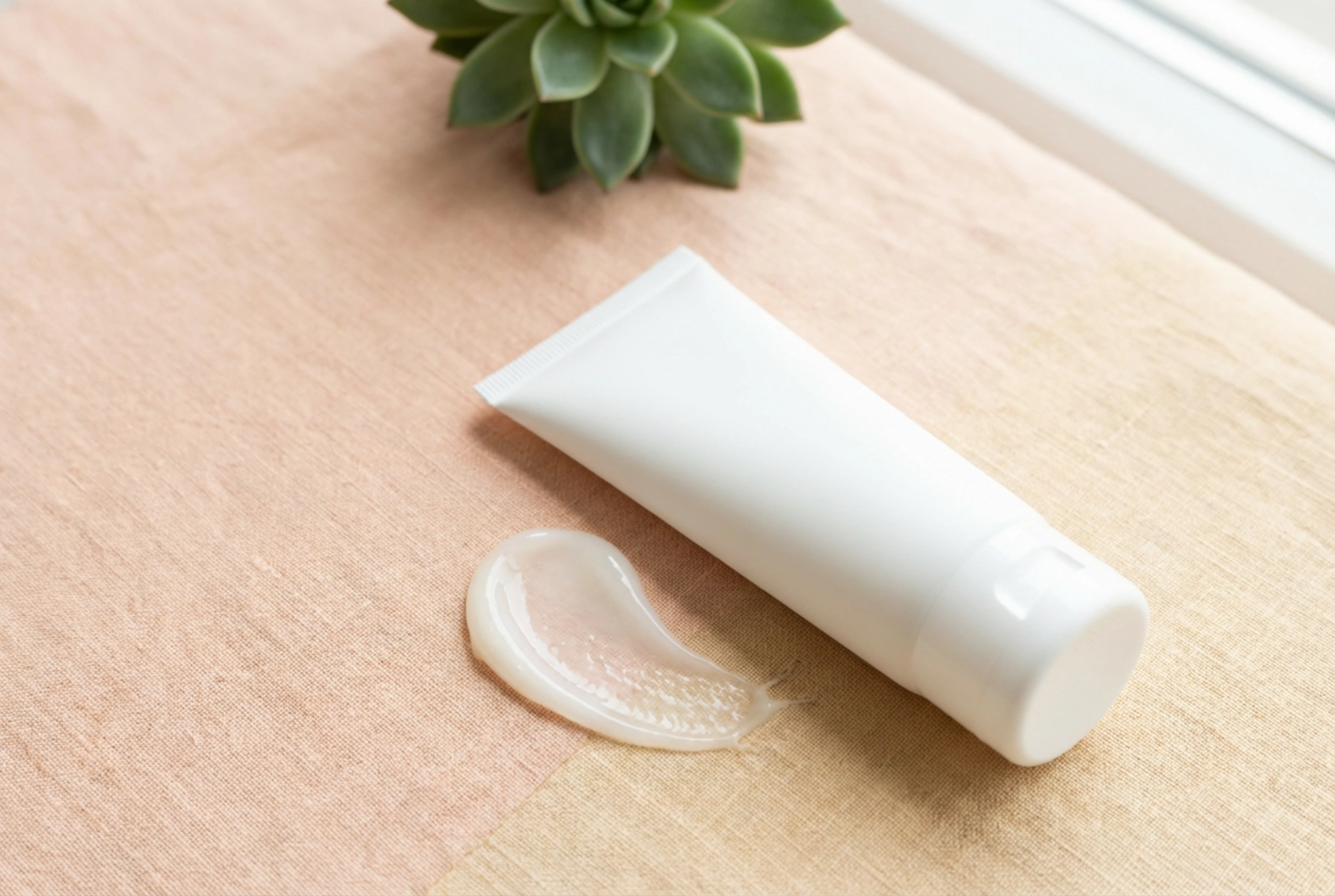
Texture is another vital indicator of how a product will perform on your skin. When examining a moisturiser, look for descriptors like "gel-cream", "fluid", or "water-gel". These formulations are designed to melt into the skin quickly, leaving behind a weightless finish. If you are testing a product, look for a silky, smooth glide that dries down to a natural or matte finish rather than a thick, sticky layer that sits on top of the skin.
Step-by-Step Guide to Applying Moisturiser Without Clogging
How you apply your skincare can be just as important as the product you choose. To ensure your moisturiser performs beautifully and does not contribute to skin congestion, try incorporating these practical steps into your daily beauty routine:
Step 1: Thorough Cleansing
Always begin with a clean canvas. Applying moisturiser over leftover makeup, sunscreen, or daily dirt can trap these impurities in your pores. Use a gentle, water-soluble cleanser to prepare your skin, ensuring all debris is washed away without stripping the skin's natural moisture.
Step 2: Apply to Damp Skin
Instead of drying your face completely with a towel, apply your moisturiser while your skin is still slightly damp. This technique helps to lock in additional hydration and allows the product to spread more easily, meaning you need to use less product to cover your entire face.
Step 3: Use the Right Amount
More is not always better when it comes to skincare. A pea-sized amount of a high-quality, lightweight moisturiser is typically sufficient for the entire face and neck. Using too much product can lead to an excess layer that the skin cannot absorb, increasing the chance of surface buildup.
Step 4: The Gentle Patting Method
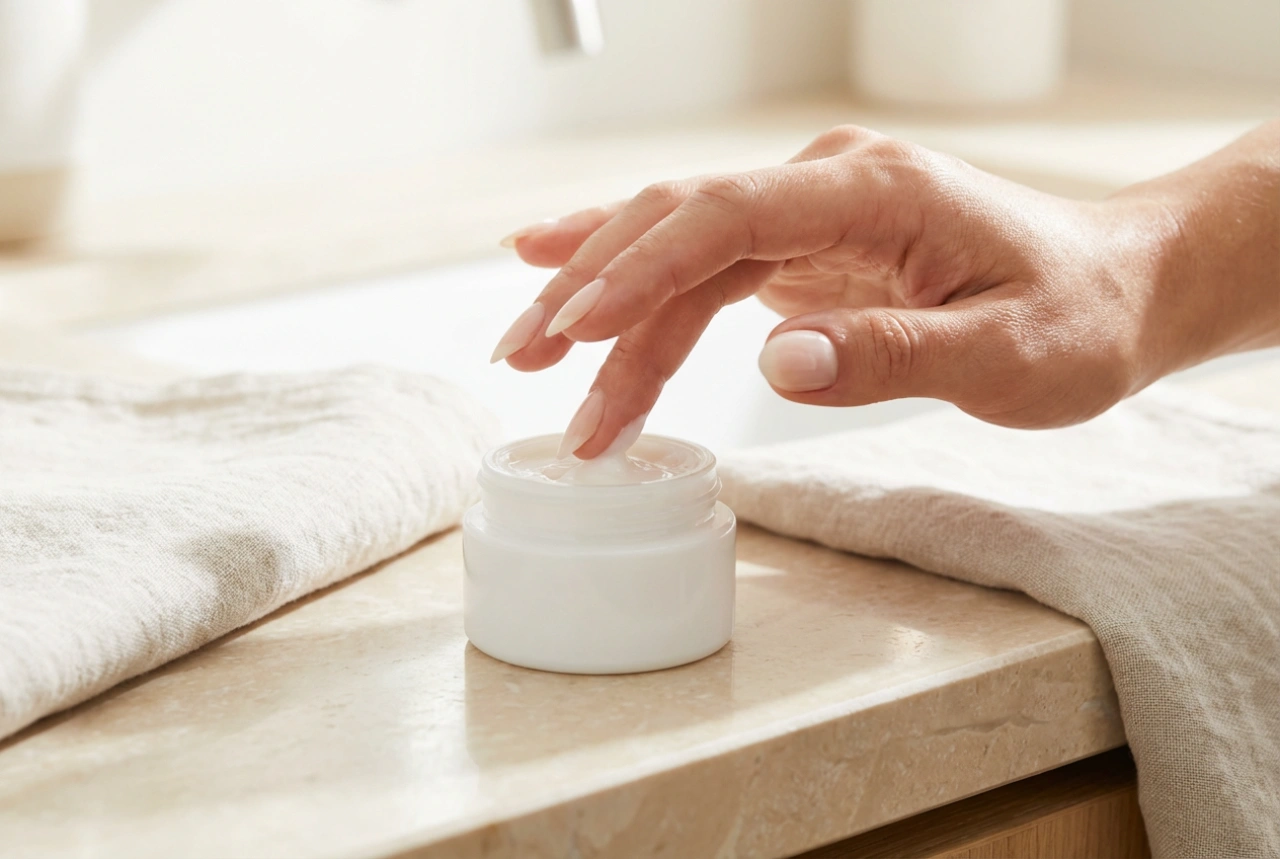
Instead of vigorously rubbing the cream into your skin, try gently sweeping it across your face and then patting it in with clean fingertips. This minimises physical friction and encourages even distribution, allowing the product to settle naturally into the skin barrier.
Establishing a Balanced and Safe Skincare Routine
A successful beauty routine relies on consistency and balance. Alongside your non-comedogenic moisturiser, consider how other steps in your regimen interact with your skin. For instance, incorporating a mild, non-abrasive exfoliant once or twice a week can help remove dead skin cells that might otherwise block the path of your moisturiser, allowing it to penetrate more effectively.
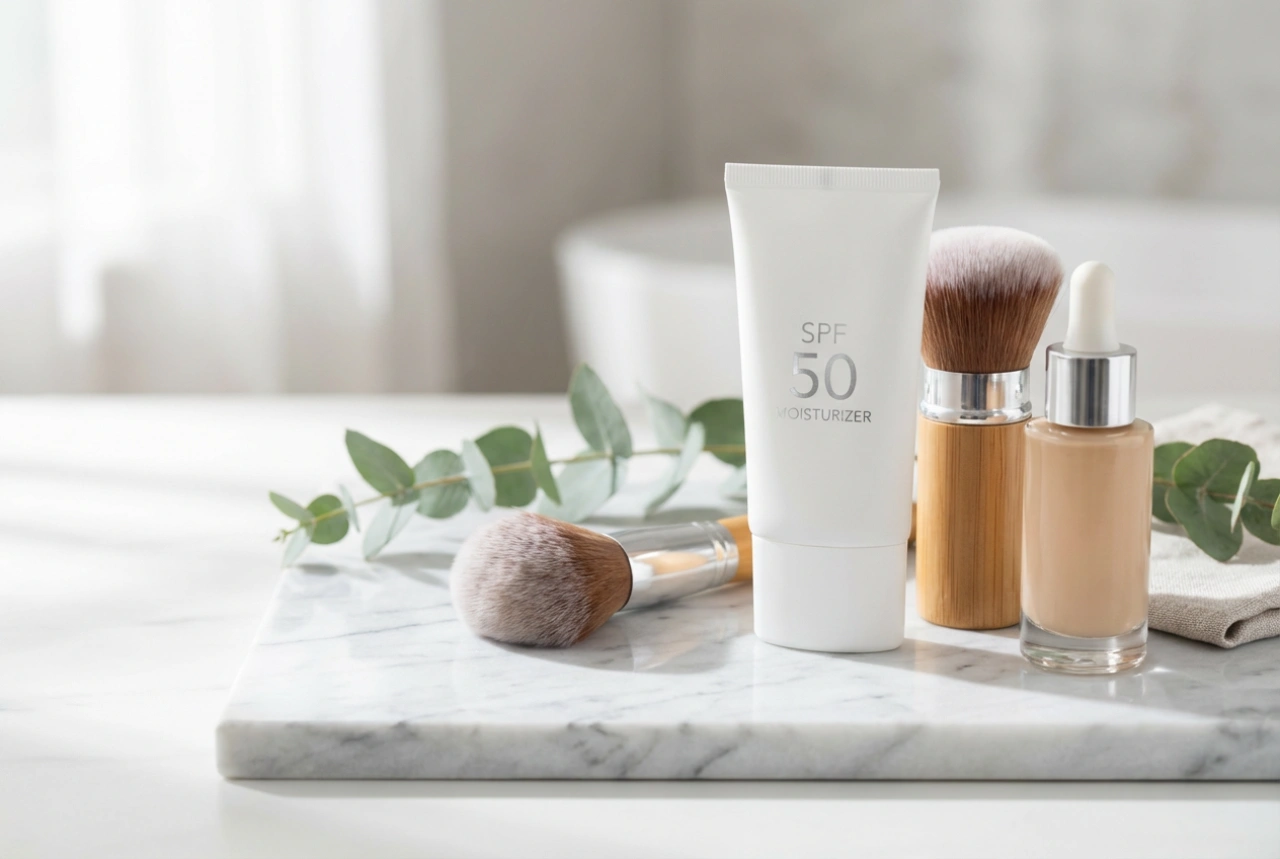
Additionally, daily sun protection is a non-negotiable step for preserving healthy skin. Look for broad-spectrum sunscreens that also feature lightweight, non-comedogenic formulas to complement your moisturiser. By choosing compatible, airy textures for every stage of your routine, you can enjoy a beautifully hydrated, radiant, and fresh complexion every single day.