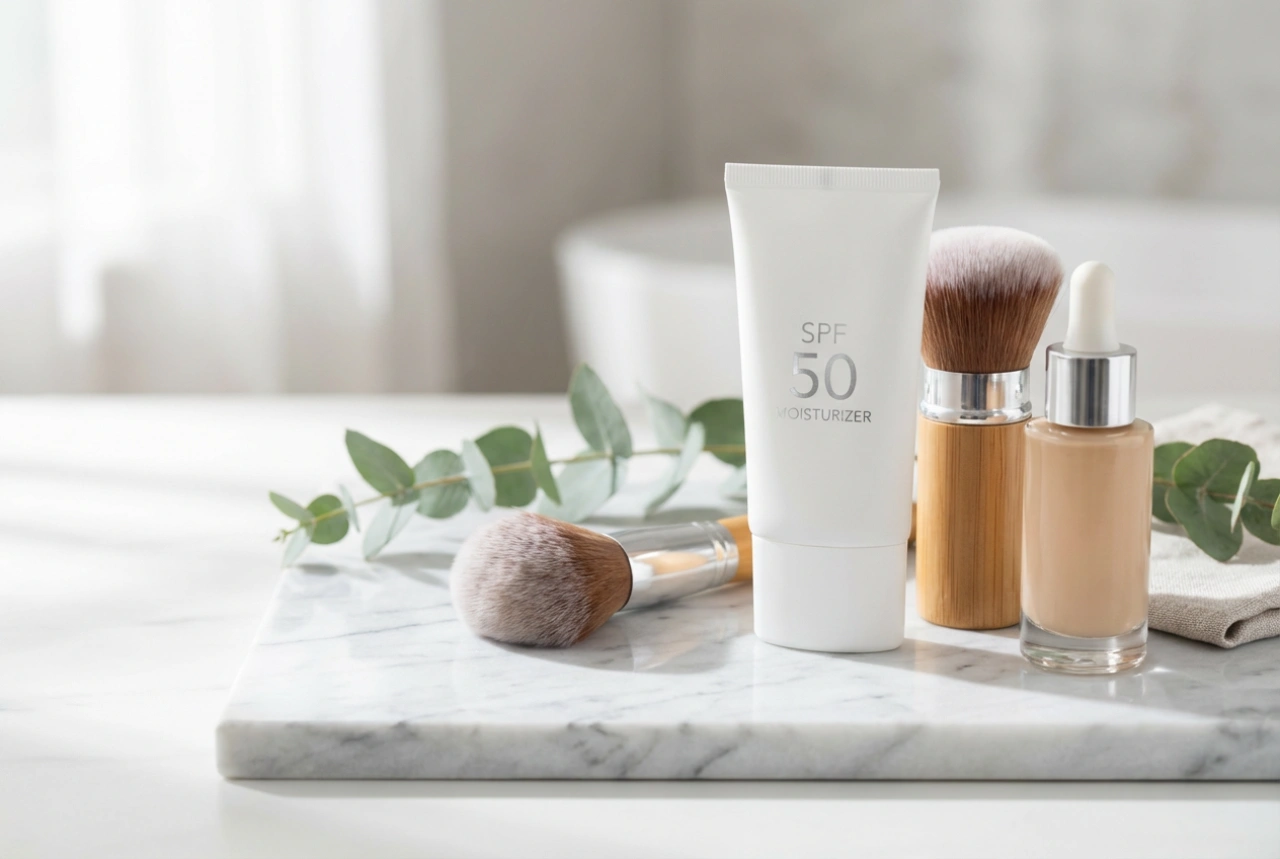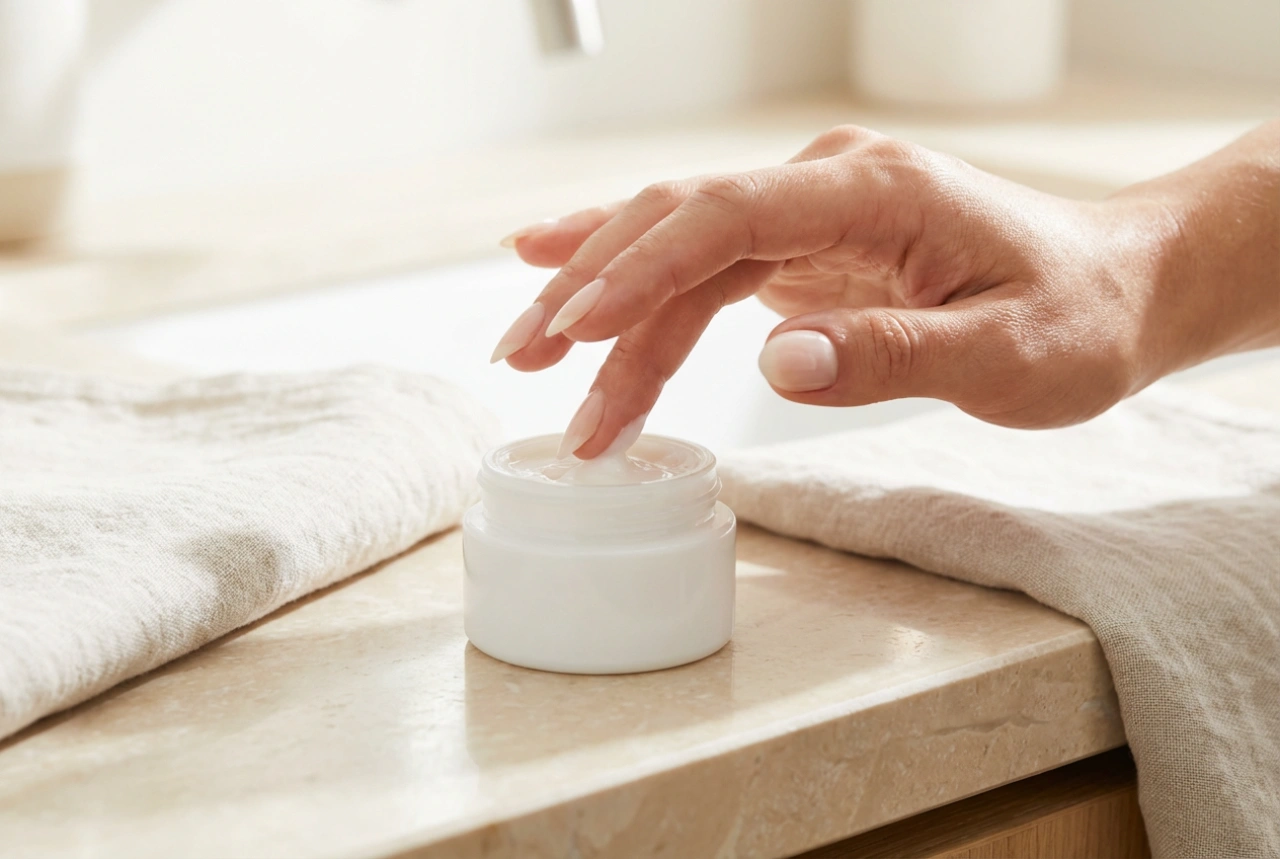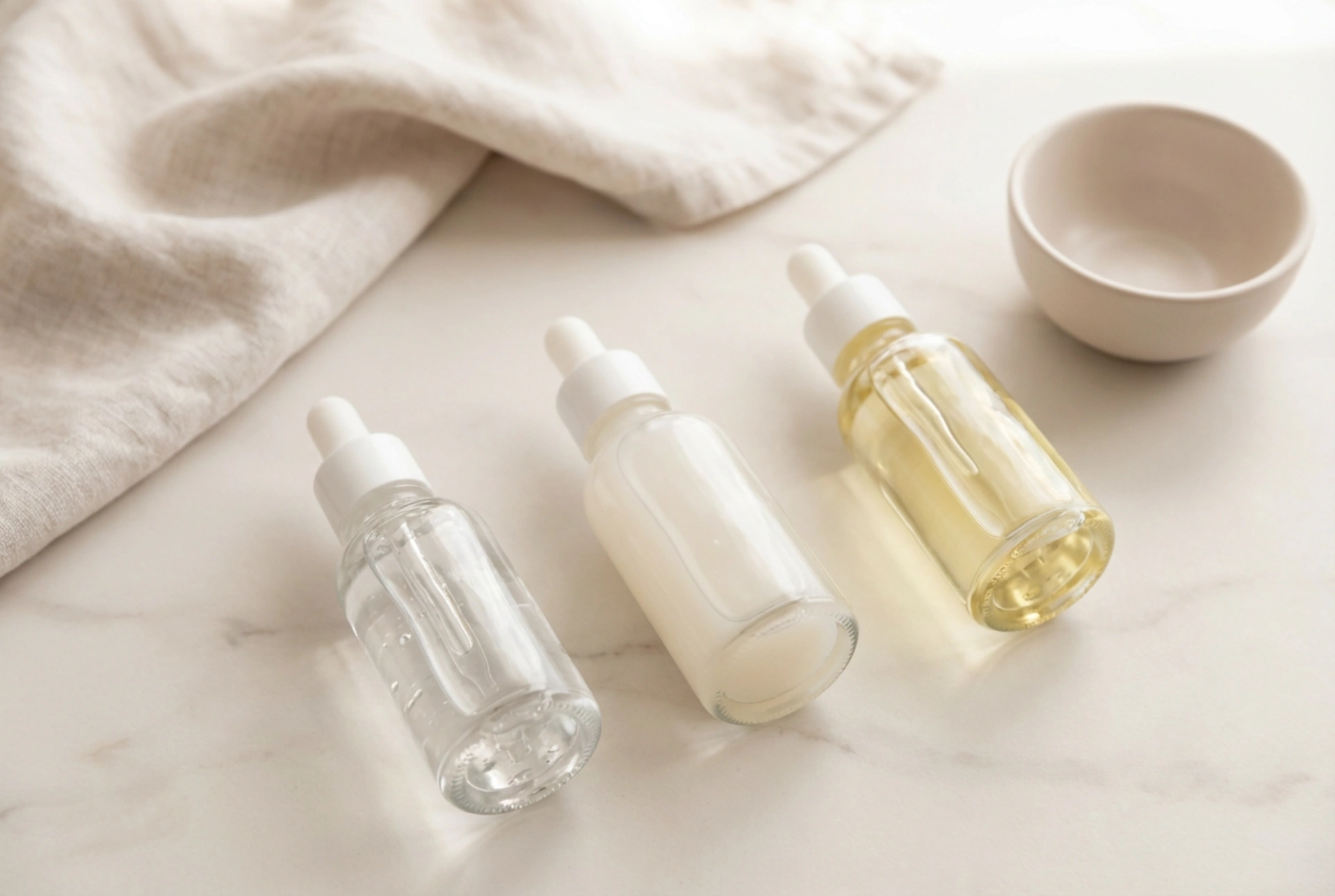


An elegant skincare routine often begins with the visual pleasure of minimalist dropper bottles neatly arranged on a clean vanity, catching the soft morning light. Beyond their aesthetic appeal, these concentrated formulas hold the key to a plump, radiant, and well-hydrated complexion. A hydrating serum is a fundamental cornerstone of modern skincare, designed to deliver moisture deep into the surface layers of the skin. Understanding how to select, apply, and layer these lightweight elixirs can elevate a basic routine into a highly effective, personalised ritual.
The Power of Targeted Hydration
While moisturisers are essential for sealing in hydration and protecting the skin barrier, a hydrating serum serves a different, more targeted purpose. Formulated with smaller molecules and a high concentration of active water-binding ingredients, serums are designed to penetrate the upper layers of the epidermis quickly. They provide an immediate flood of moisture without the heavy, occlusive feel of a traditional cream.
Incorporating a hydrating serum into your daily routine helps to address dehydration, which is a temporary skin condition characterised by a lack of water, rather than a lack of oil. When the skin is adequately hydrated, it appears smoother, fine lines caused by dryness are minimised, and the natural barrier function is optimised. This creates a resilient foundation that is better prepared to receive other active ingredients in your routine.
Choosing the Right Hydrating Serum for Your Skin
Not all hydrating serums are created equal, and selecting the right formula depends on your specific skin concerns and preferences. The textures can range from ultra-fluid water-like liquids to slightly viscous, silky gels. Here are the key humectants to look for when selecting a hydrating serum:
- Hyaluronic Acid: A classic humectant capable of holding up to a thousand times its weight in water. Serums featuring multiple molecular weights of hyaluronic acid are particularly effective, as they hydrate different levels of the skin's surface.
- Glycerin: A time-tested, highly effective ingredient that draws moisture from the environment into the skin, ensuring long-lasting suppleness.
- Panthenol (Provitamin B5): Known for its soothing properties, panthenol not only hydrates but also helps to calm the skin and support its natural recovery process.
- Beta-Glucan: A powerful plant-derived humectant that offers intense hydration while helping to soothe skin sensitivity.
For oily or combination skin, a featherlight, oil-free gel serum is ideal to prevent clogged pores while ensuring the skin remains balanced. For dry or mature skin, a slightly richer serum that combines humectants with nourishing plant oils or ceramides will provide both hydration and lipid replenishment.
The Art of Application: Techniques for Maximum Benefit
To get the most out of your hydrating serum, the method of application is just as important as the formula itself. Many people make the mistake of applying serum to completely dry skin, which can sometimes lead to a tight sensation, particularly in dry climates. To achieve optimal results, consider the following steps:
1. Prepare the Canvas
Always apply your hydrating serum to slightly damp skin. After cleansing, leave a light mist of water or a gentle, alcohol-free toner on your face. Humectants work by binding to water molecules, so providing them with immediate moisture on the skin's surface enhances their effectiveness.
2. The Gentle Patting Method
Instead of vigorously rubbing the product into your face, dispense a few drops onto your fingertips and gently press or pat the serum into your skin. This minimises friction and encourages even absorption across the face, neck, and décolletage.
3. Lock It In Immediately
Humectants draw moisture in, but without an occlusive layer on top, that moisture can easily evaporate into the air—a process known as transepidermal water loss. Always follow your hydrating serum with a moisturiser or a facial oil to seal the hydration into the skin barrier.
Mastering the Rules of Skincare Layering
The modern beauty routine often involves multiple steps, making the order of product application crucial. When incorporating a hydrating serum into a multi-step routine, the golden rule is to apply products from the thinnest consistency to the thickest.
Typically, a hydrating serum should be applied after cleansing and toning, but before heavier creams, emulsions, or facial oils. If you are using targeted treatments, such as vitamin C in the morning or gentle exfoliating acids in the evening, these should generally go on first, followed by your hydrating serum to soothe and replenish moisture.
To prevent the frustrating phenomenon known as "pilling"—where products ball up on the skin instead of absorbing—allow each layer a minute or two to settle. Applying a hydrating serum to damp skin and then waiting briefly before applying your moisturiser creates a seamless, smooth finish that sits beautifully under makeup or sunscreen.
Adapting Your Routine to the Seasons
Your skin’s hydration needs are not static; they change with environmental conditions. During the colder autumn and winter months, indoor heating and harsh winds deplete moisture rapidly, making a rich, layered hydrating routine essential. In contrast, during the humid summer months, a lightweight hydrating serum might be all your skin needs underneath a broad-spectrum sunscreen.
By paying attention to how your skin feels and adjusting your serum application accordingly, you can maintain a balanced, glowing, and perfectly hydrated complexion all year round. The simple act of adding a dedicated hydration step to your daily ritual is one of the most effective ways to support long-term skin health and radiance.