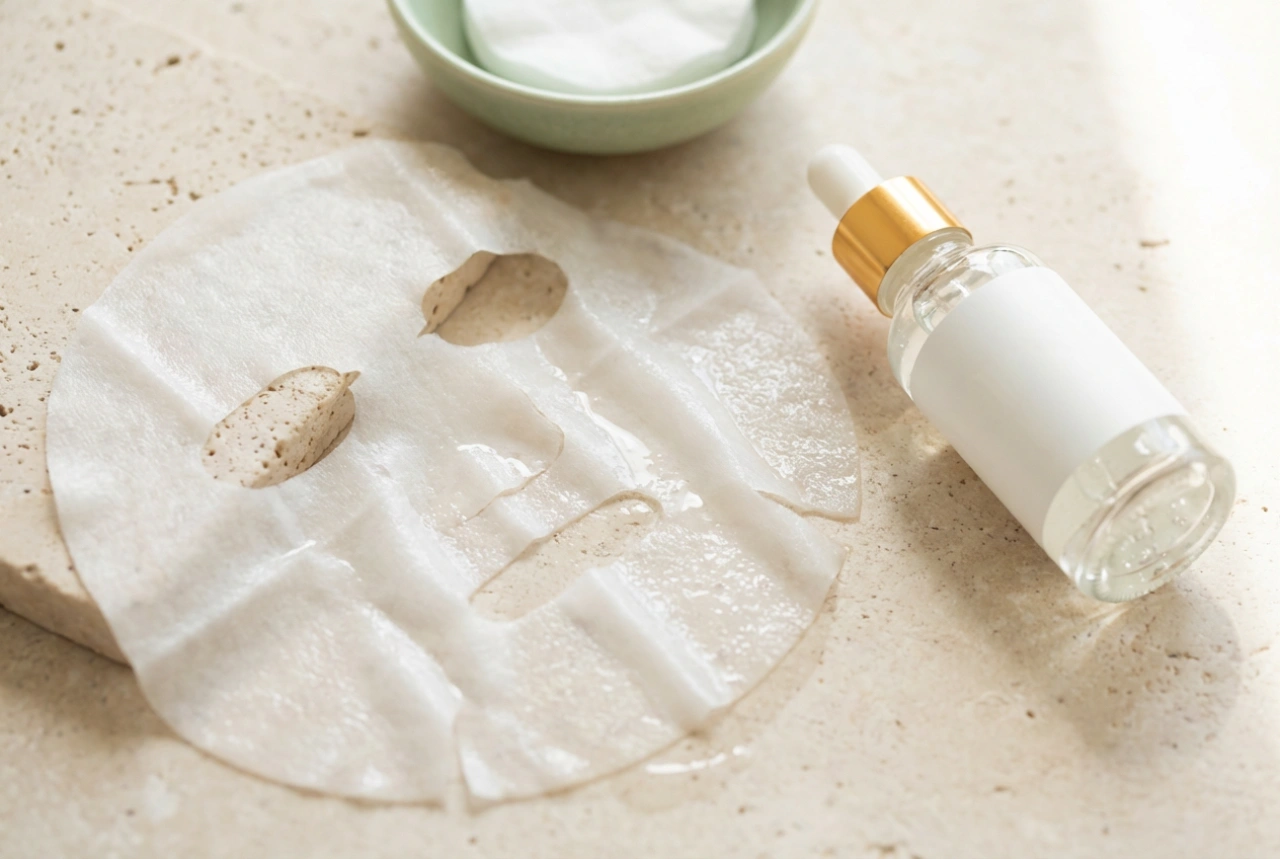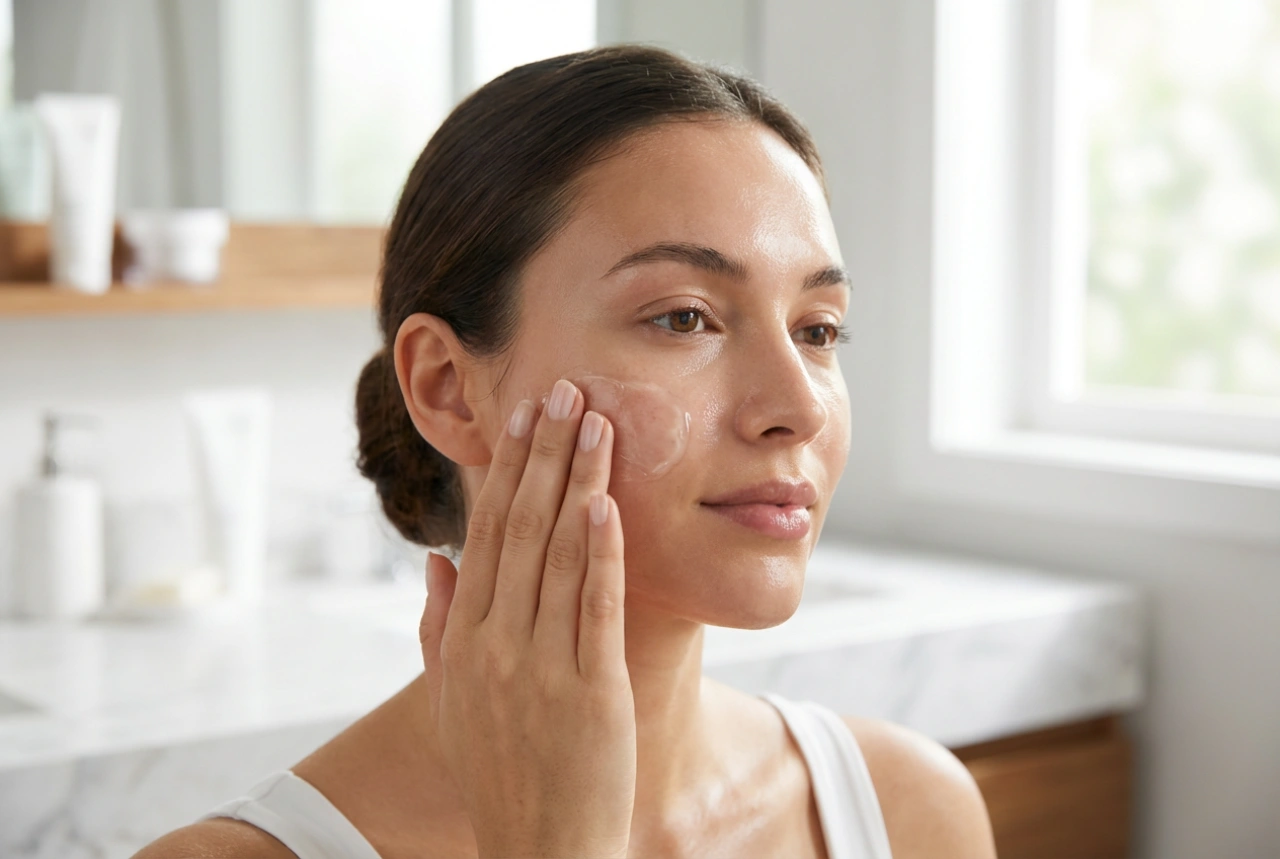


A quiet moment of self-care at home often begins with the simple, soothing ritual of applying a sheet mask. Watching a fresh, nutrient-rich sheet being gently smoothed onto a clean, radiant face brings an immediate sense of tranquillity and spa-like indulgence to the daily routine. However, while sheet masks are incredibly popular and convenient, getting the most out of these skincare essentials requires more than just unfolding them and pressing them onto your skin. The secret to a truly glowing complexion lies in the precision of the application, correct timing, and avoiding a few subtle but common pitfalls.
Preparing the Skin: The Essential Preliminary Steps
Before you even open the sheet mask packet, it is vital to prepare your skin to receive the concentrated ingredients. Applying a mask to a face that has not been thoroughly cleansed can trap impurities, dirt, and excess sebum, preventing the nourishing serum from penetrating effectively. Begin by using a gentle cleanser suited to your skin type to remove any traces of makeup, sunscreen, or daily pollution.
After cleansing, applying a mild, alcohol-free toner is highly recommended. Toner helps to balance the skin's natural pH level and softens the outermost layer, acting as a primer that enhances the absorption of the active ingredients in the sheet mask. Skipping this step means your mask has to work much harder to penetrate the skin barrier, potentially reducing the overall efficacy of your home treatment.
Achieving the Perfect Fit: Application Techniques
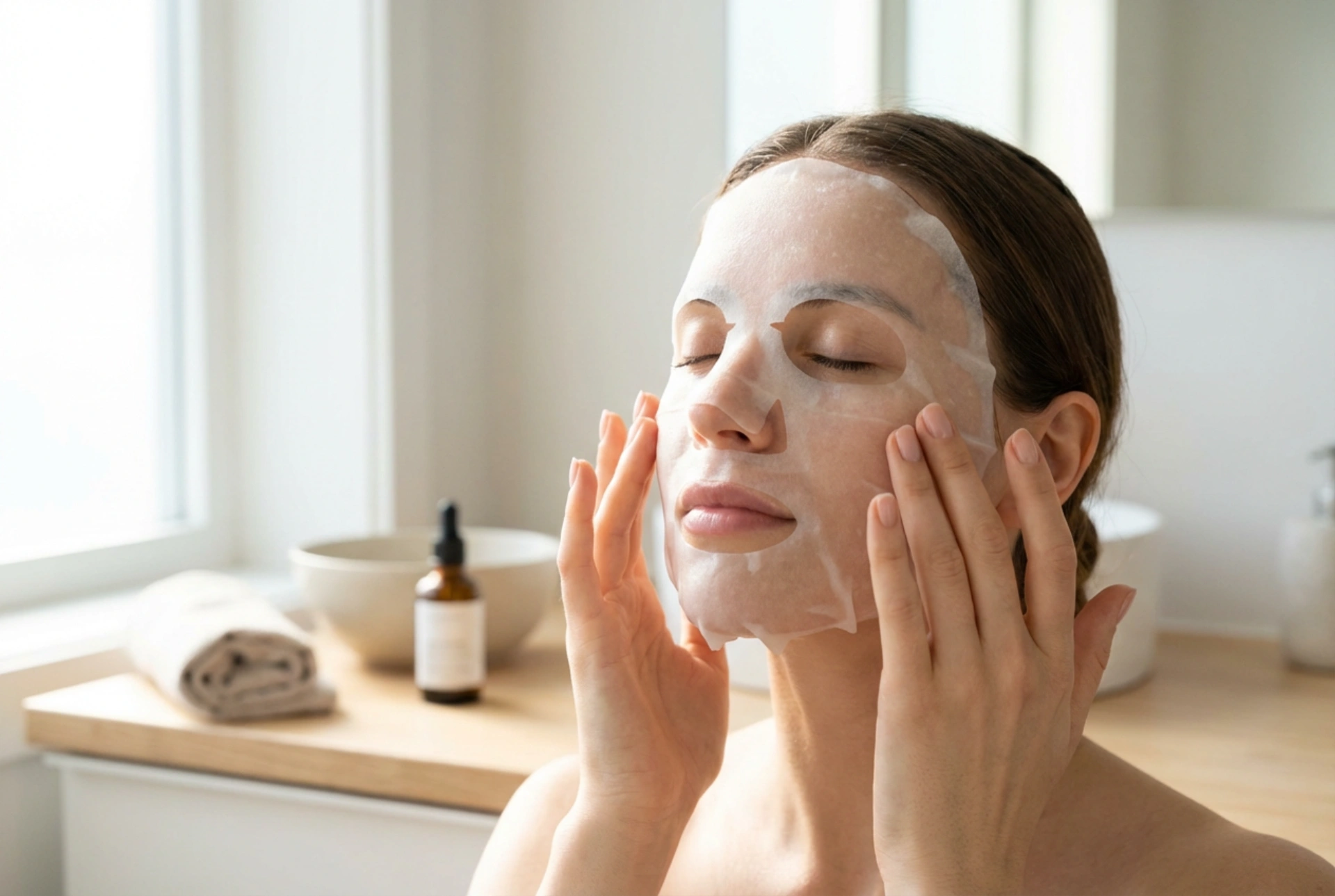
One of the most common challenges with sheet masks is getting them to fit the unique contours of your face. A poorly fitted mask with air bubbles or lifting edges means certain areas of your skin will miss out on the beneficial serum. To achieve an optimal fit, start by aligning the mask with your eyes first, gently smoothing it across the forehead, and then moving down to the nose and mouth. Finally, drape it over the chin and jawline.
Using your fingertips, delicately press the mask from the centre of your face outwards, smoothing away any air pockets to ensure maximum contact with the skin. If the sheet is too large or does not align perfectly with your features, you can make small, careful snips with clean scissors along the bridge of the nose, jawline, or temples. This simple trick allows the fabric to overlap neatly, customising the fit for a seamless, comfortable application that mimics a professional facial treatment.
The Importance of Timing: Why Longer Is Not Better
A frequent misconception in home skincare is that leaving a sheet mask on for longer—or even letting it dry out completely—will yield better results. In reality, adhering strictly to the recommended application time, usually between fifteen and twenty minutes, is crucial. Sheet masks work by creating a temporary occlusive barrier that forces moisture and active ingredients into the epidermis.
If you leave the mask on until it begins to dry, a process called reverse osmosis can occur. The dry fabric will begin to draw moisture back out of your skin, leaving it more dehydrated than it was before you started. Always remove the sheet while it is still damp with serum. If there is leftover liquid on your face after removal, do not wash it off; instead, gently pat the remaining serum into your skin, allowing it to absorb naturally.
Common Mistakes to Avoid in Your Sheet Mask Routine
To ensure your skin reaps the full rewards of this treatment, keep these common errors in mind:
- Washing your face after removal: The serum contained in sheet masks is designed to stay on the skin. Rinsing your face immediately afterwards washes away all the beneficial hydration.
- Discarding excess serum: The foil packet often contains a generous amount of leftover serum. Instead of letting it go to waste, massage this extra liquid into your neck, décolletage, and the backs of your hands.
- Applying moisturiser beforehand: Heavy creams or oils can block the lightweight serum of a sheet mask from absorbing. Always apply the mask to clean, toned skin, and save thicker products for the post-mask steps.
- Reusing sheet masks: Sheet masks are strictly single-use products. Attempting to reuse them is unhygienic and can introduce bacteria to your face.
Locking in the Hydration: Post-Mask Care
Once you have removed the sheet mask and patted the remaining serum into your skin, the routine is not quite complete. Because sheet masks deliver highly concentrated, water-based hydration, this moisture needs to be sealed to prevent evaporation. Applying a thin layer of your favourite moisturiser or a lightweight facial oil immediately after the serum has absorbed creates a protective barrier, locking in the nutrients and ensuring your skin remains soft, plump, and glowing for hours to come.