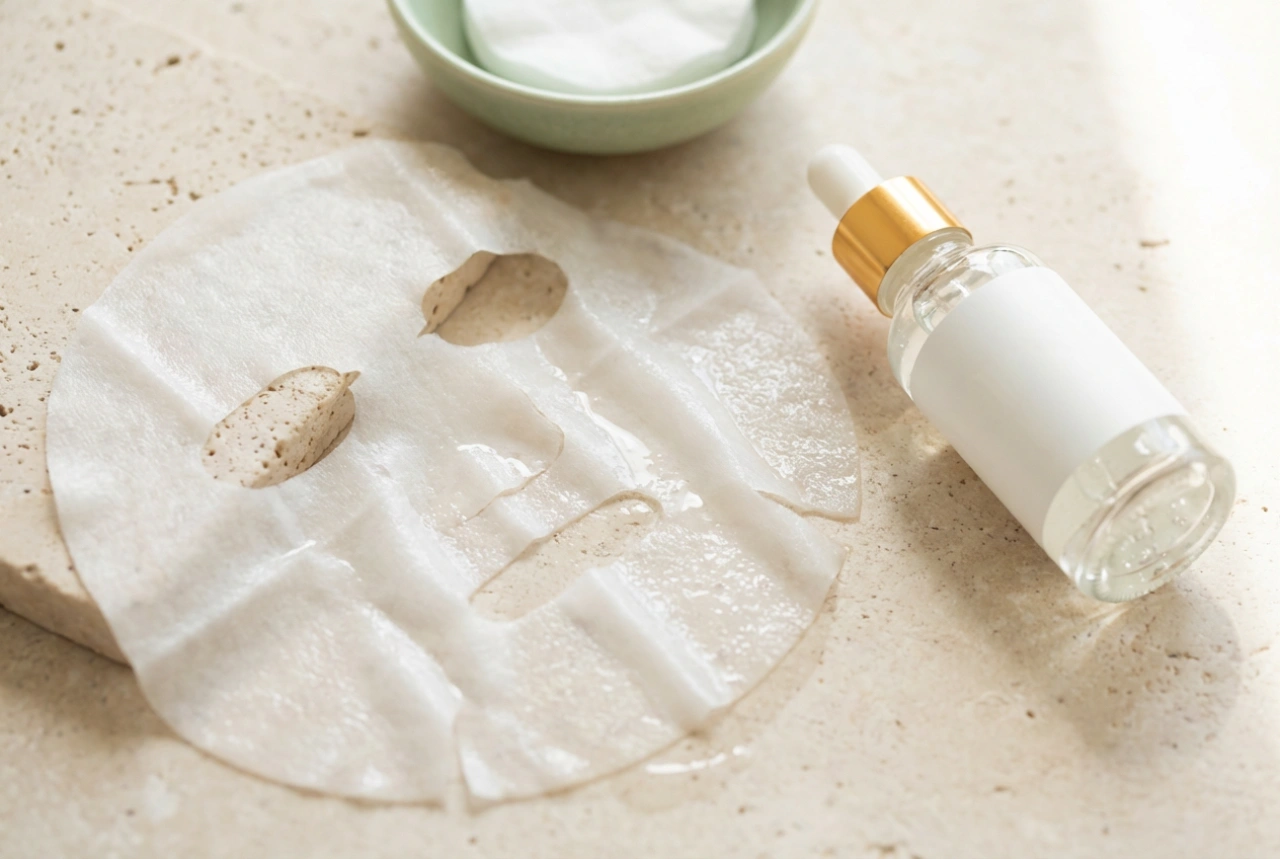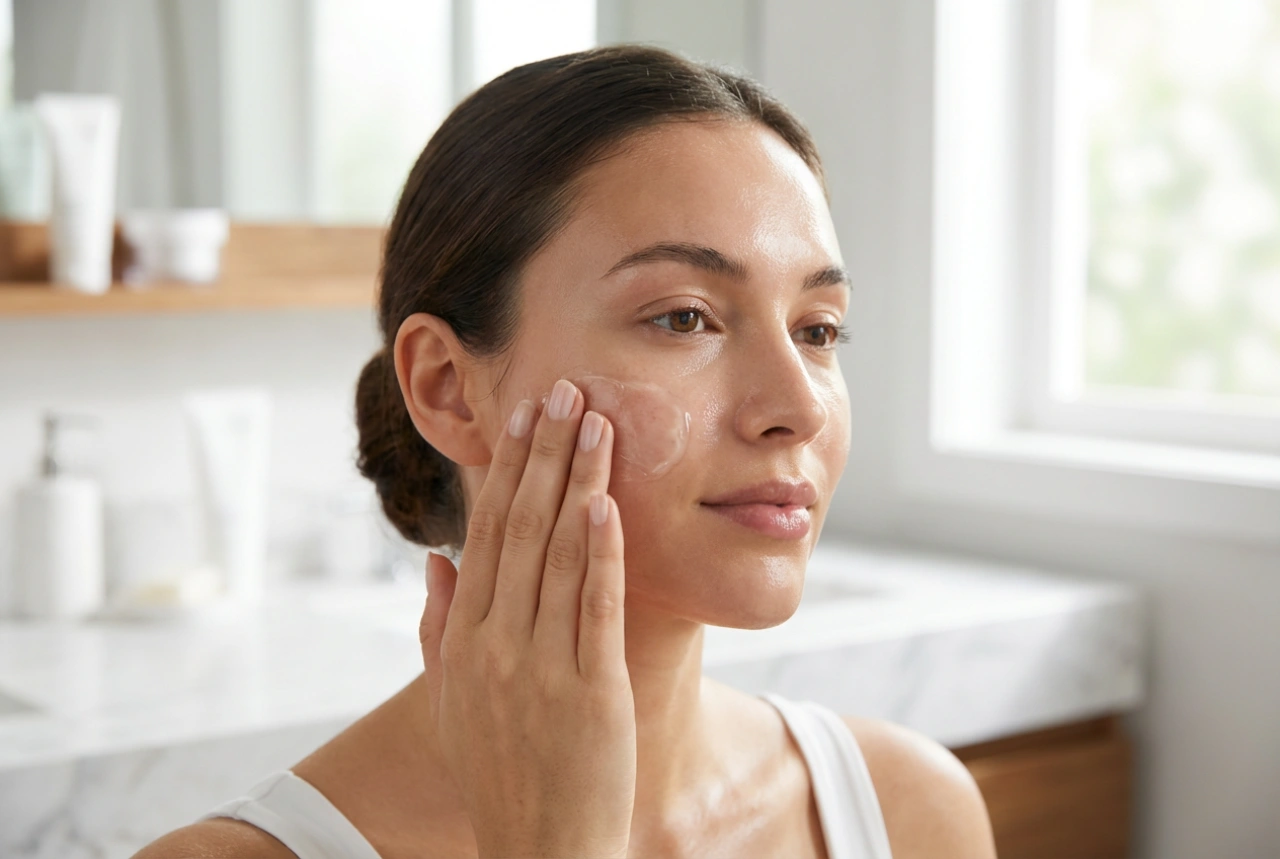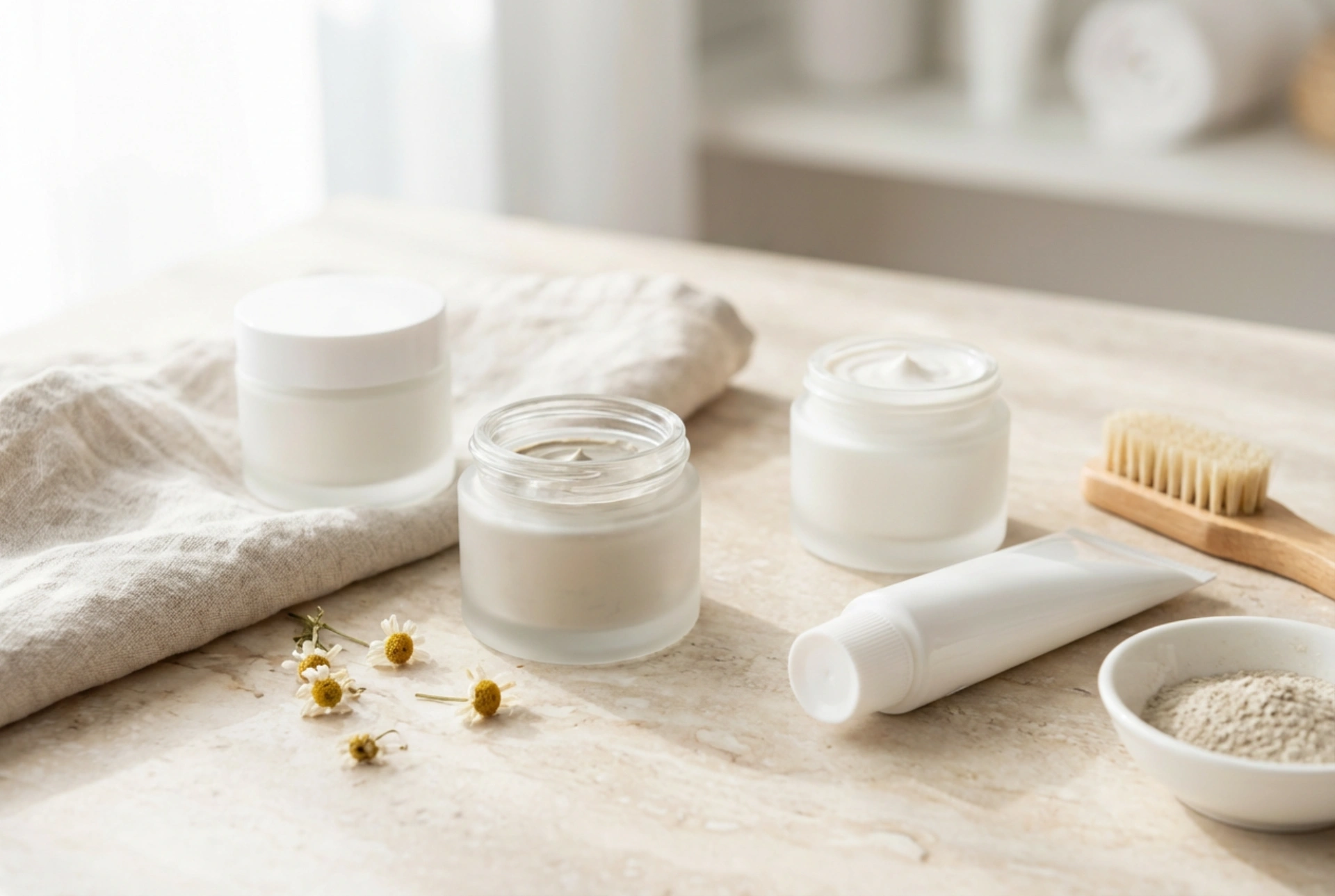


Achieving a clear, radiant complexion often feels like a delicate balancing act. Many of us struggle with congested pores and blackheads, yet the products designed to target these issues can frequently leave the skin feeling tight, dry, and irritated. The secret to a successful skincare routine lies in gentle, balanced purification. Beautifully presented, minimalist jars and tubes containing hydrating yet clarifying face masks are the perfect addition to a relaxing home beauty ritual, offering a serene way to restore skin health without stripping away its natural moisture.
The Mechanics of Pore Congestion
Blackheads, or open comedones, occur when pores become clogged with a combination of excess sebum and dead skin cells. When this mixture is exposed to the air, it oxidises and turns dark. While it is tempting to use harsh scrubs or aggressive peeling masks to pull these impurities out, such methods often do more harm than good. The delicate facial skin requires a respectful approach that dissolves build-up gradually rather than forcing it out through physical stress.
When we over-cleanse or use overly drying products, we disrupt the skin's natural moisture barrier. This protective layer, also known as the acid mantle, is essential for keeping hydration in and environmental stressors out. Disruption of this barrier leads to a counterproductive cycle: the skin detects dryness and responds by producing even more sebum, which ultimately leads to more clogged pores and further congestion. Therefore, the goal of any purifying treatment should be to assist the skin's natural shedding process while maintaining optimal hydration levels.
The Balance Between Clay and Hydration
Clay and charcoal are historically celebrated for their ability to draw out impurities and absorb excess oils. However, not all clay masks are created equal. To avoid the dreaded dry, cracking sensation, look for formulation balances that pair purifying earth clays with nourishing and hydrating ingredients. A well-formulated mask should purify the skin while simultaneously replenishing moisture.
- Kaolin Clay: A gentle, mild clay that cleanses and exfoliates without stripping the skin of its natural oils, making it ideal for dry or sensitive skin types. It gently refines skin texture.
- Bentonite Clay: Slightly more absorbent than kaolin, bentonite is excellent for deeply congested areas but should be blended with soothing agents to prevent irritation.
- Activated Charcoal: Acts like a magnet to attract and bind to dirt and oil within the pores, promoting a deeply clarified and refreshed complexion.
- Humectants: Ingredients such as glycerin, hyaluronic acid, and aloe vera are vital in a purifying mask as they draw water into the skin, ensuring the cleansing process remains comfortable and non-drying.
- Nourishing Oils: Lightweight botanical oils, such as jojoba or squalane, mimic the skin's natural sebum, helping to dissolve impurities inside the pores without clogging them or causing dryness.
How to Use Purifying Masks Without Drying the Skin
The method of application and removal is just as important as the ingredients within the tube. Many people make the mistake of leaving clay-based masks on until they are completely dry, flaky, and difficult to wash off. This actually draws precious moisture out of the deep layers of the skin. Instead, follow these simple guidelines for a balanced treatment:
1. Monitor the Drying Phase
A clay mask has three distinct phases: the wet phase, where the skin absorbs the beneficial nutrients; the cooling phase, where the mask begins to dry and stimulates blood flow; and the dry phase, which draws moisture from the skin. For best results, wash the mask off during the transition from the wet to the cooling phase—when it still feels slightly tacky to the touch. This ensures you receive all the purifying benefits without any of the dehydrating side effects.
2. Multi-Masking for Targeted Treatment
Your face is not uniform; different areas have different needs. The T-zone (forehead, nose, and chin) is often oilier and more prone to blackheads, while the cheeks tend to be drier. Try multi-masking by applying a clay-based purifying mask only to the congested areas, and a deeply hydrating cream or gel mask to the rest of your face. This ensures every zone receives exactly what it needs, preventing unnecessary dryness on delicate areas.
3. Gentle Removal
Never scrub a face mask off with a dry towel. Instead, splash your face with lukewarm water to rehydrate the mask first, then gently wipe it away using a soft, damp cloth or a reusable cosmetic sponge. This prevents unnecessary friction, redness, and mechanical irritation, leaving the skin feeling calm and smooth.
Establishing a Gentle Clarifying Routine
Consistency is key when dealing with congested pores. Incorporating a clarifying mask once or twice a week is generally sufficient for most skin types. Overusing these treatments will not speed up the process; instead, it may compromise your skin barrier, leading to irritation, redness, and flakiness.
After rinsing off your mask, always follow up immediately with your regular skincare routine to lock in the benefits. Apply a hydrating toner or essence while the skin is still damp, followed by a lightweight, non-comedogenic moisturiser. This step seals in hydration and supports the skin's barrier, ensuring your face remains soft, plump, and beautifully clear. By pairing targeted purification with rich hydration, you can enjoy a fresh, healthy-looking complexion all year round.