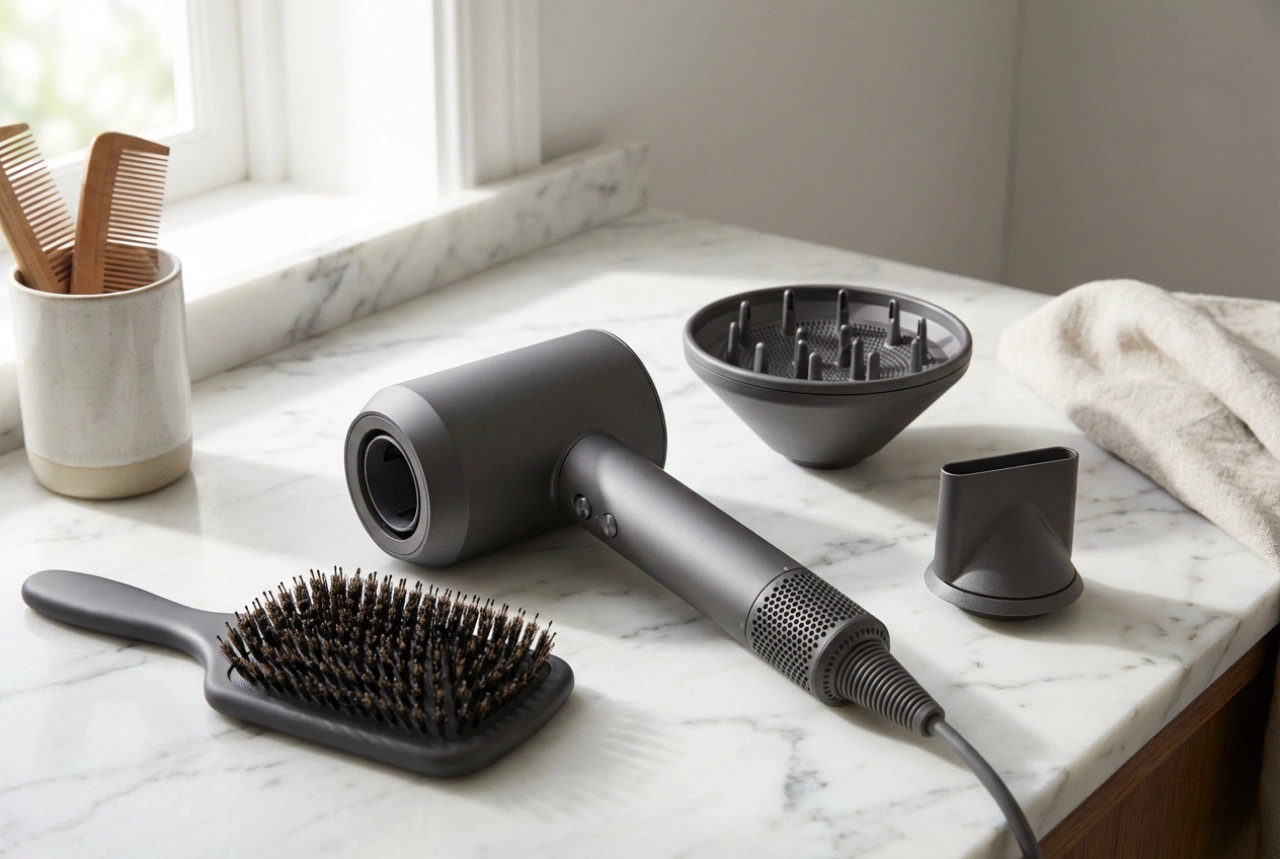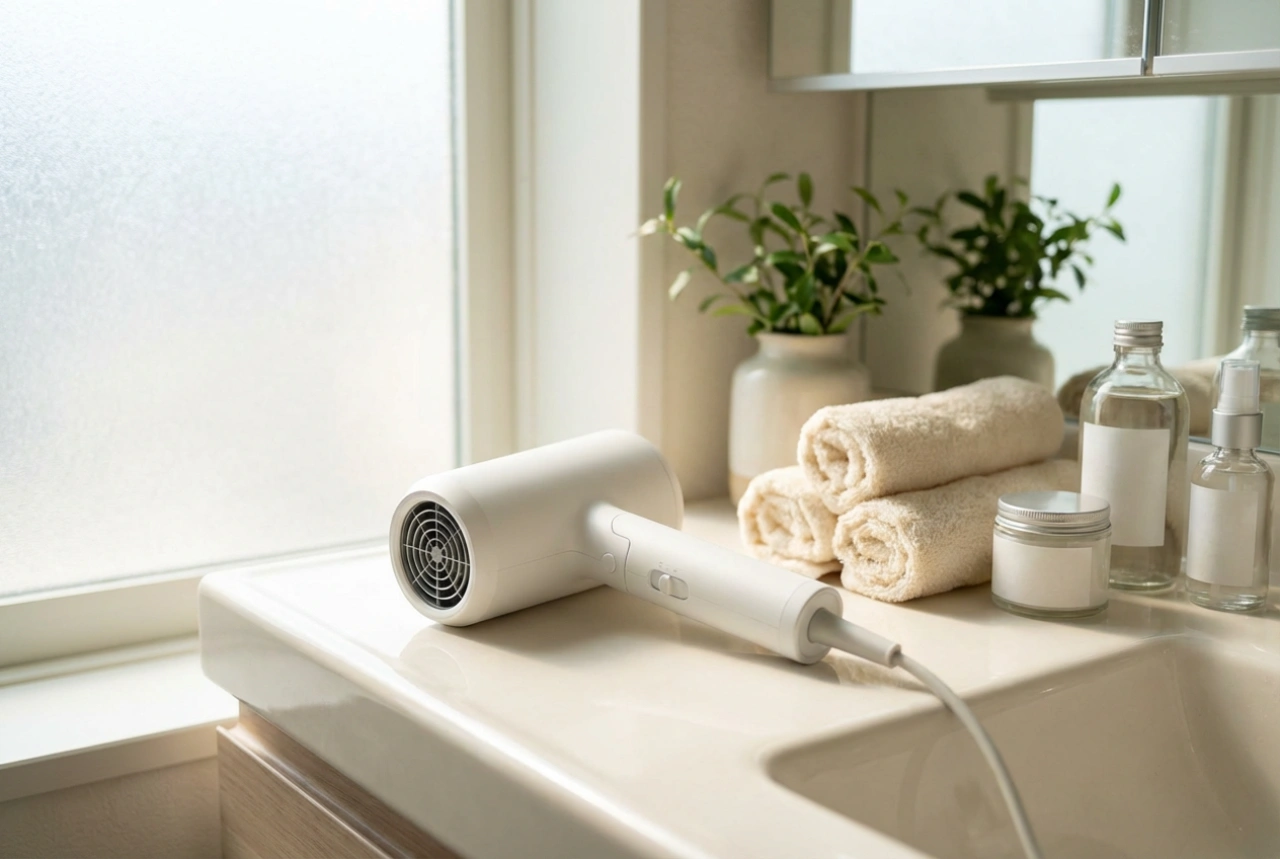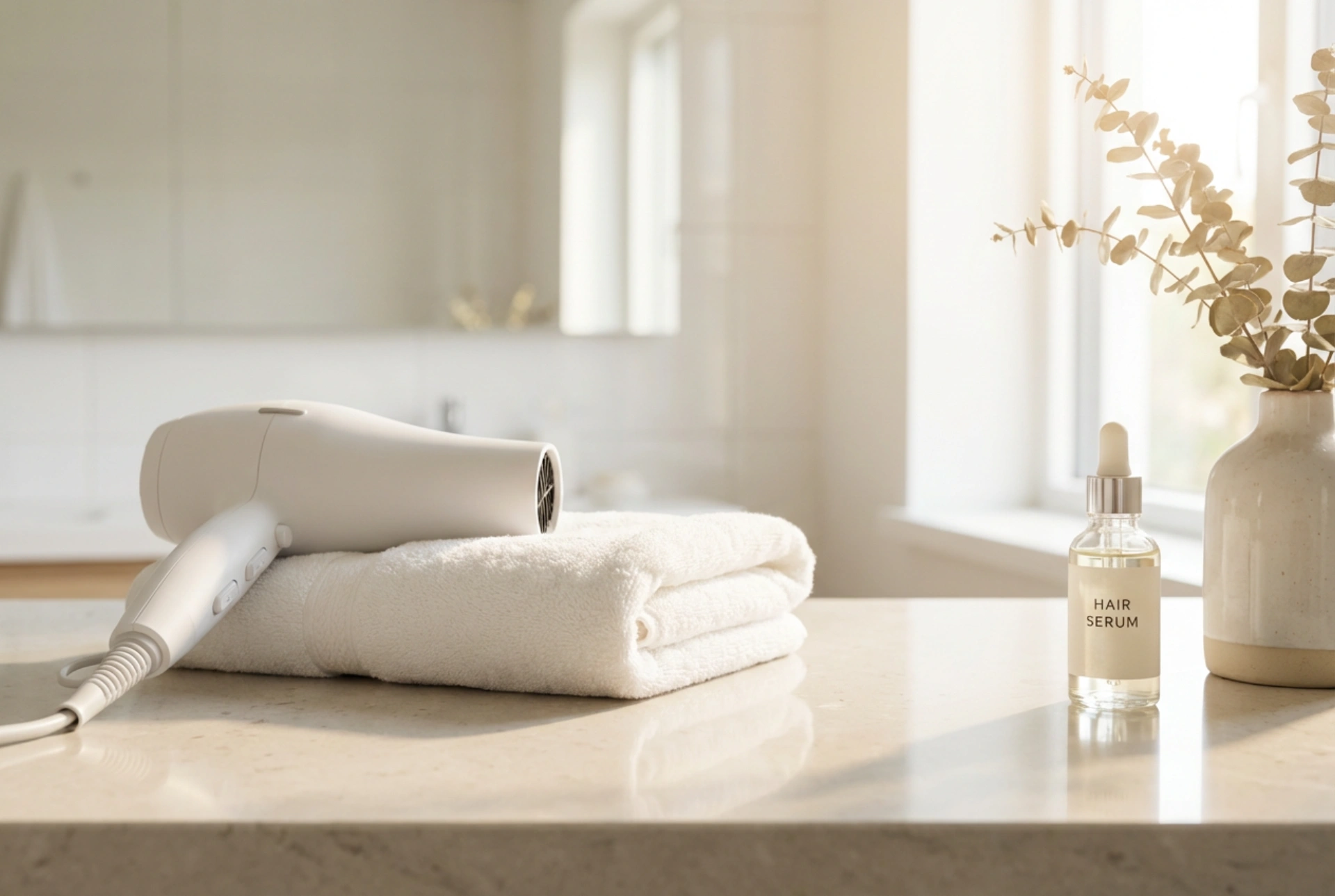


A peaceful bathroom counter bathed in soft morning light, featuring a sleek hairdryer, a fluffy cotton towel, and a small glass bottle of nourishing serum, represents the ultimate self-care routine. For many of us, washing and drying our hair is a frequent ritual. However, the way we dry our tresses determines whether they remain lustrous and strong or become dry and brittle. Achieving salon-worthy results at home without compromising the health of your hair requires a blend of the right technique, proper preparation, and mindful heat application. Understanding how to use your styling tools correctly is the first step towards maintaining beautiful, resilient locks.
Pre-drying preparation: The foundation of healthy hair
Before even reaching for your hairdryer, the drying process begins the moment you step out of the shower. Wet hair is in its most vulnerable state; the cuticle is swollen and highly susceptible to stretching, snapping, and structural damage. Treating your strands with utmost care during this initial phase is crucial. Instead of vigorously rubbing your head with a rough towel—a common habit that roughs up the hair cuticle and leads to frizz—gently squeeze out the excess water.
- Gentle blotting: Avoid harsh movements. Wrap your hair gently in a soft fabric to absorb moisture without creating friction.
- Proper detangling: Always use a wide-tooth comb on wet hair, starting from the tips and working your way up to avoid tugging.
- Product protection: Apply a lightweight styling serum or protective cream to create a barrier against direct heat.
Using a soft, highly absorbent microfibre towel or a clean cotton t-shirt is highly recommended, as these fabrics minimise friction. Once the hair is no longer dripping wet, apply your chosen styling product. These cosmetic formulations create an invisible shield over the hair shaft, locking in moisture and preventing the direct heat from stripping away natural hydration. Comb through gently to distribute the product evenly from mid-lengths to ends.
Managing heat and distance for optimal safety
One of the most common mistakes in home hair care is using excessive heat in an attempt to speed up the drying process. High temperatures can cause the moisture inside the hair shaft to expand rapidly, leading to micro-damage, dryness, and structural weakness over time.
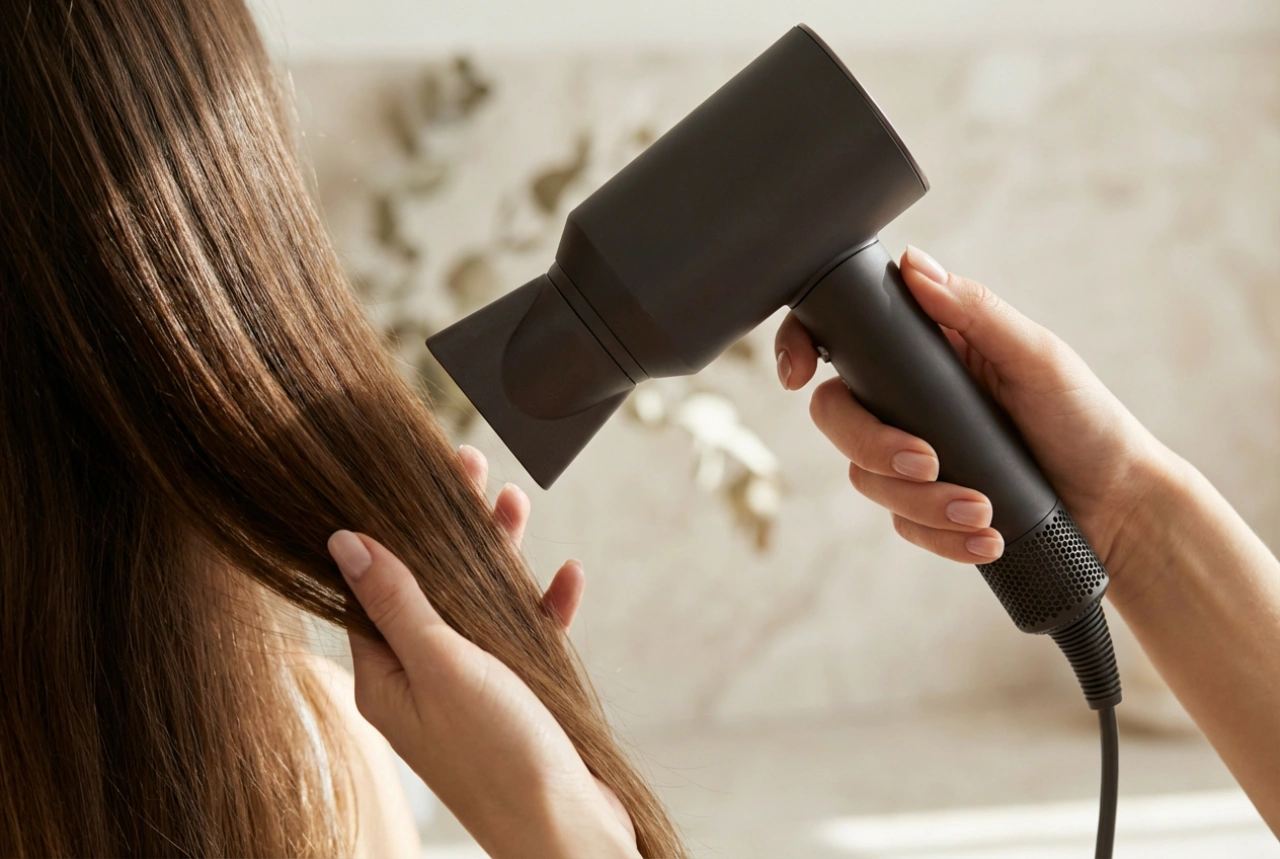
To dry your hair quickly yet gently, always opt for a medium heat setting. Modern hair dryers often come with multiple temperature and speed settings, allowing you to customise the airflow. A strong airflow combined with moderate warmth is far more effective and much safer than low airflow with high heat. Additionally, keep the nozzle of the dryer at least fifteen to twenty centimetres away from your head. Holding the device too close can overheat the scalp and singe the hair fibres. To set your style and enhance natural shine, utilise the cool shot button at the end of your routine. A blast of cool air helps to seal the hair cuticle, ensuring a smooth, reflective finish.
Sectioning and airflow direction: The secret to speed
Drying a mass of wet hair all at once is inefficient and often leads to over-drying the outer layers while leaving the under-layers damp. To speed up the process while ensuring uniform drying, divide your hair into manageable sections. This method ensures that each strand receives equal attention and dries at an even pace.
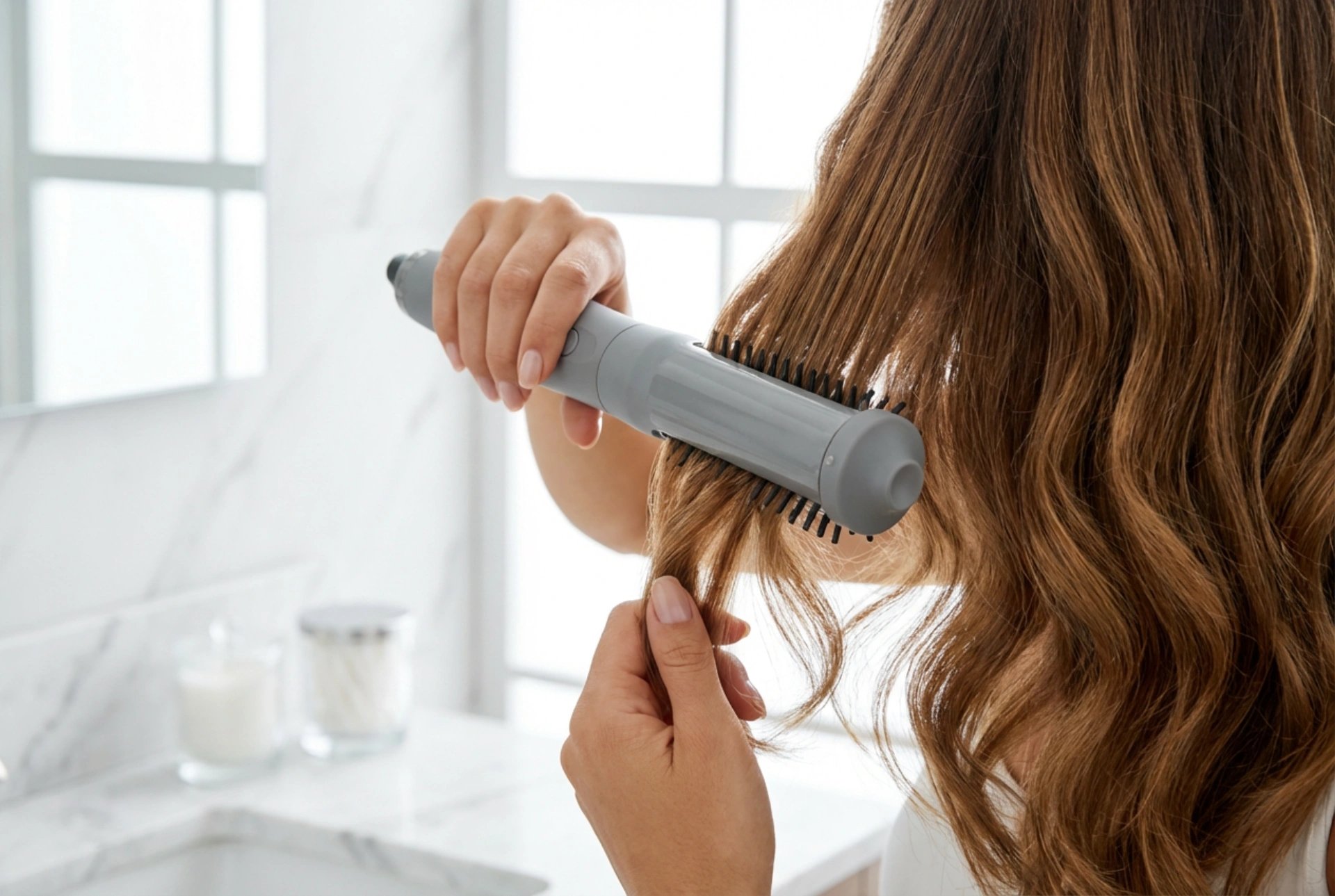
Use gentle clips to separate your hair into at least four sections: two at the front and two at the back. Work on one section at a time, starting from the lower layers and moving upwards. When drying, always direct the airflow downwards—from the roots towards the tips. This specific direction aligns with the natural growth pattern of the hair cuticle, smoothing it down rather than lifting it. Using a concentrator nozzle attachment is incredibly beneficial here, as it focuses the air directly onto the section you are styling, reducing frizz and cutting down drying time significantly. Ensure you keep the dryer in constant motion rather than focusing on one spot for too long.
Adjusting your technique to your hair type
Different hair types require unique approaches to drying to maintain their natural texture and health. Fine, delicate hair is particularly prone to heat damage and should generally be dried using lower heat settings and gentle airflow to prevent tangling and breakage.
For thick or coarse hair, sectioning is absolutely vital to ensure thorough drying without leaving damp patches near the scalp. If you have wavy or curly hair, utilising a diffuser attachment on a low heat and medium speed setting is the best approach. A diffuser disperses the airflow evenly, cradling the curls and drying them gently without disrupting their natural pattern or causing unwanted frizz. Whatever your hair type, the golden rule remains the same: monitor how your hair feels to the touch, and never dry it to the point where it feels hot or completely parched.
Post-drying finishing touches for lasting radiance
The care routine does not end once your hair is dry. To lock in the smooth texture and protect your hair from environmental humidity, take a moment to apply a finishing product. This final step ensures that your hair remains soft, manageable, and shiny throughout the day.
A few drops of a nourishing hair oil or a smoothing serum, warmed between your palms, can be gently smoothed over the mid-lengths and ends. This final touch tames any flyaways, adds a beautiful, healthy sheen, and provides an extra layer of protection against dryness. By establishing a mindful, gentle drying routine at home, you can enjoy beautifully styled, healthy-looking hair every single day, keeping damage at bay while saving precious time in your morning schedule.