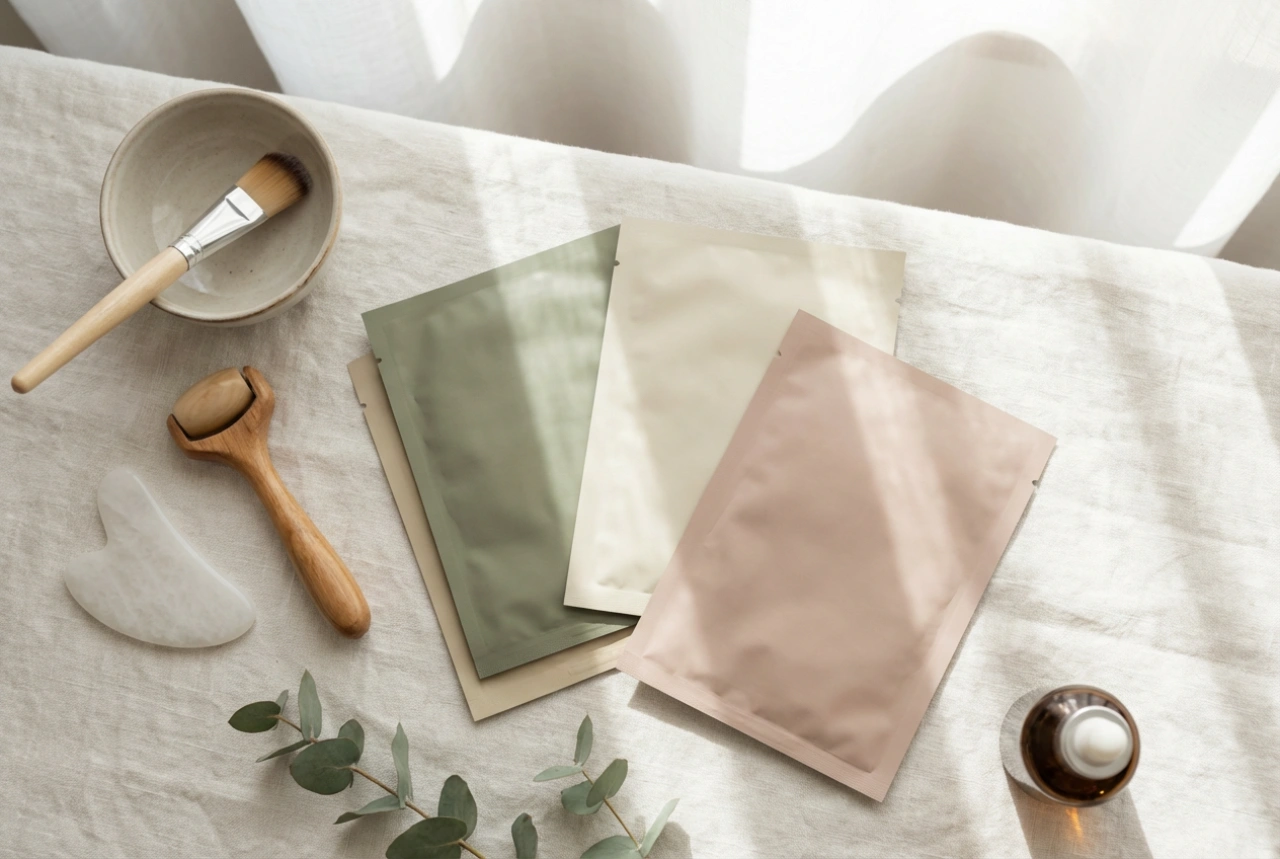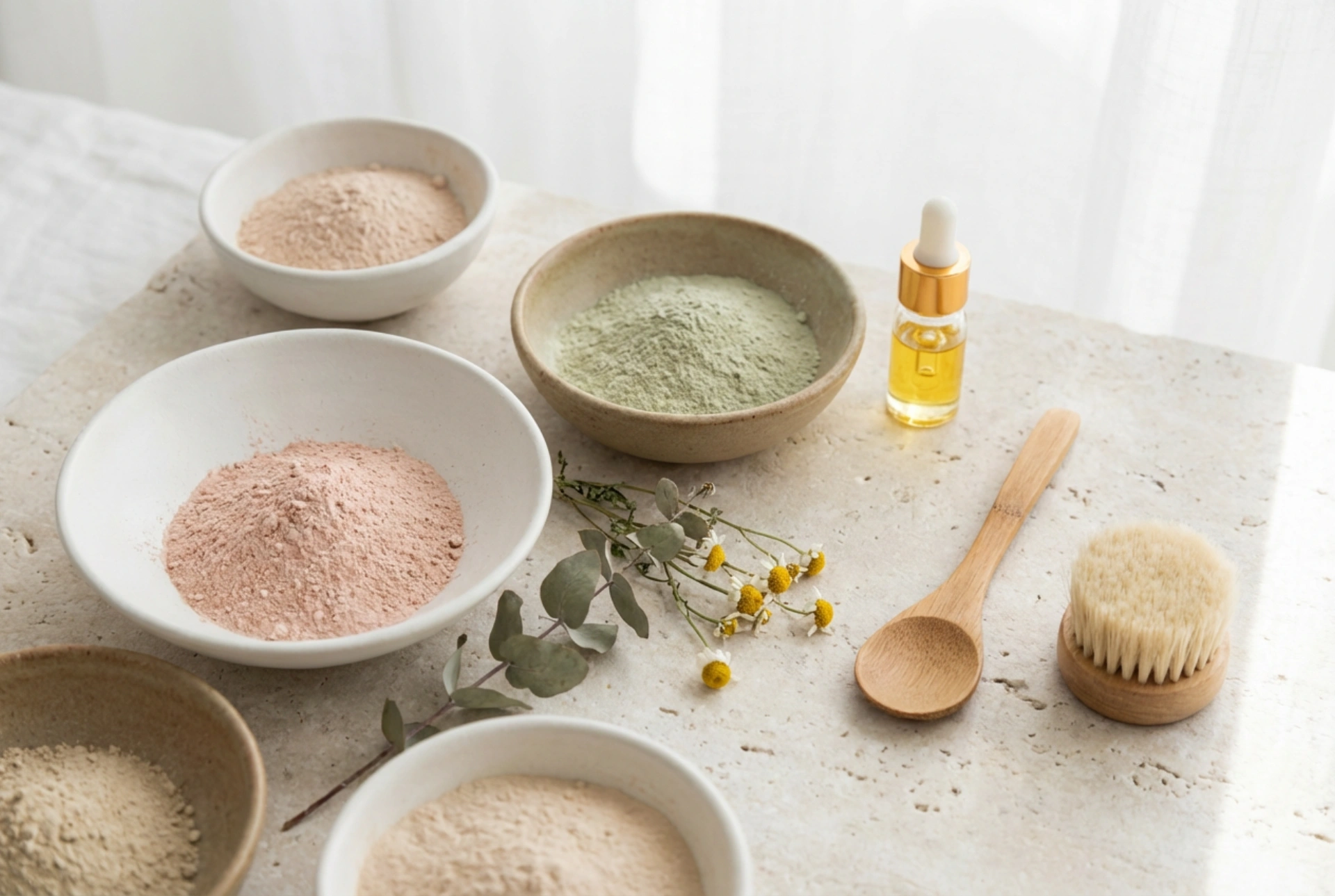


Preparing a bespoke cosmetic treatment at home can be a truly therapeutic experience, especially when using natural earth clays. Visualising a peaceful setting with neat ceramic bowls containing various shades of fine clay powders, botanical hydrolates, and a soft applicator brush instantly sets a calming mood. Clay masks have been utilised for centuries as a natural method to refresh, cleanse, and balance the complexion. However, to fully enjoy their benefits without causing unwanted dryness or irritation, it is essential to understand how to select the appropriate type of clay, mix it to the correct consistency, and prevent the mask from drying out on the skin.
Understanding the Different Types of Cosmetic Clay
Not all cosmetic clays are created equal. Each variety possesses unique properties determined by its mineral composition and origin. Choosing the right clay is the first step towards achieving a radiant, balanced complexion without disrupting the natural moisture barrier.
White Clay (Kaolin)
White clay, often referred to as kaolin, is the mildest of all cosmetic clays. It has a very fine texture and is incredibly gentle, making it perfect for dry, delicate, or sensitive skin types. Rather than aggressively drawing out oil, white clay softly purifies, refines texture, and promotes a subtle, healthy glow.
Pink Clay
Pink clay is a harmonious blend of red and white clays. It offers a moderate level of absorption, making it suitable for normal, combination, or slightly fatigued skin. It helps to revitalise the skin's appearance, restoring softness and elasticity while gently cleansing the pores without stripping natural oils.
Green Clay (Illite or Bentonite)
Green clay is renowned for its strong absorbing capabilities. Rich in minerals like silica, iron, and magnesium, it is ideal for oily and congested skin types. It effectively absorbs excess sebum and impurities from the skin surface, helping to mattify and clarify the complexion. Because of its strength, it must be used with care to avoid over-drying.
Achieving the Perfect Mixing Ratio
Creating the ideal consistency is vital for an enjoyable and effective application. A mask that is too runny will slide off the face, while a mixture that is too thick will dry far too quickly and be difficult to spread evenly.
To prepare a classic clay mask, follow these basic guidelines:
- The Ratio: A standard starting ratio is one part clay powder to one part liquid. This can be adjusted slightly depending on the specific clay type, as some powders absorb more moisture than others.
- The Liquid Choice: Instead of plain tap water, opt for soothing flower waters (hydrosols) such as rose water, chamomile water, or lavender water. These botanical liquids add nurturing benefits to the mask.
- Avoid Metal Utensils: Always use glass, ceramic, or wooden bowls and spoons. Metal can react with the active minerals in the clay, reducing its natural efficacy. Use a soft synthetic brush to achieve a smooth, lump-free paste.
How to Prevent Skin Tightness and Dehydration
The most common mistake when using clay masks is allowing them to dry completely until they crack and crumble. When clay dries on the skin, it undergoes three distinct phases. First is the wet phase, where the skin absorbs the beneficial minerals. Second is the cooling and contracting phase, which stimulates blood flow. The third is the dry phase, where the clay draws moisture directly from the deeper layers of the epidermis, leading to tightness, redness, and dehydration.
To avoid this and keep your skin comfortable, implement these simple practices:
Incorporate Nourishing Oils
When mixing your clay paste, add a few drops of a gentle, non-comedogenic plant oil, such as jojoba oil, sweet almond oil, or argan oil. The oil helps to slow down the evaporation of water, keeping the mixture creamy and soft on the skin for longer, while providing a dose of nourishment.
Keep the Mask Moist
While wearing the mask, never let it dry completely. Keep a spray bottle filled with a gentle thermal water or a floral hydrosol nearby. Regularly mist your face to keep the clay damp. This ensures you receive all the mineral benefits without any drying side effects.
Mind the Timing
Keep the mask on for no longer than ten to fifteen minutes. If you have particularly delicate skin, five to eight minutes is often sufficient. Listen to your skin; as soon as you feel the mask starting to tighten slightly, it is time to rinse.
A Step-by-Step Guide to a Gentle Clay Mask Ritual
To turn this skincare step into a relaxing home ritual, follow a structured approach that respects your skin's natural balance:
- Cleanse: Start with a clean face. Gently cleanse your skin with warm water to remove any surface impurities and open the pores slightly.
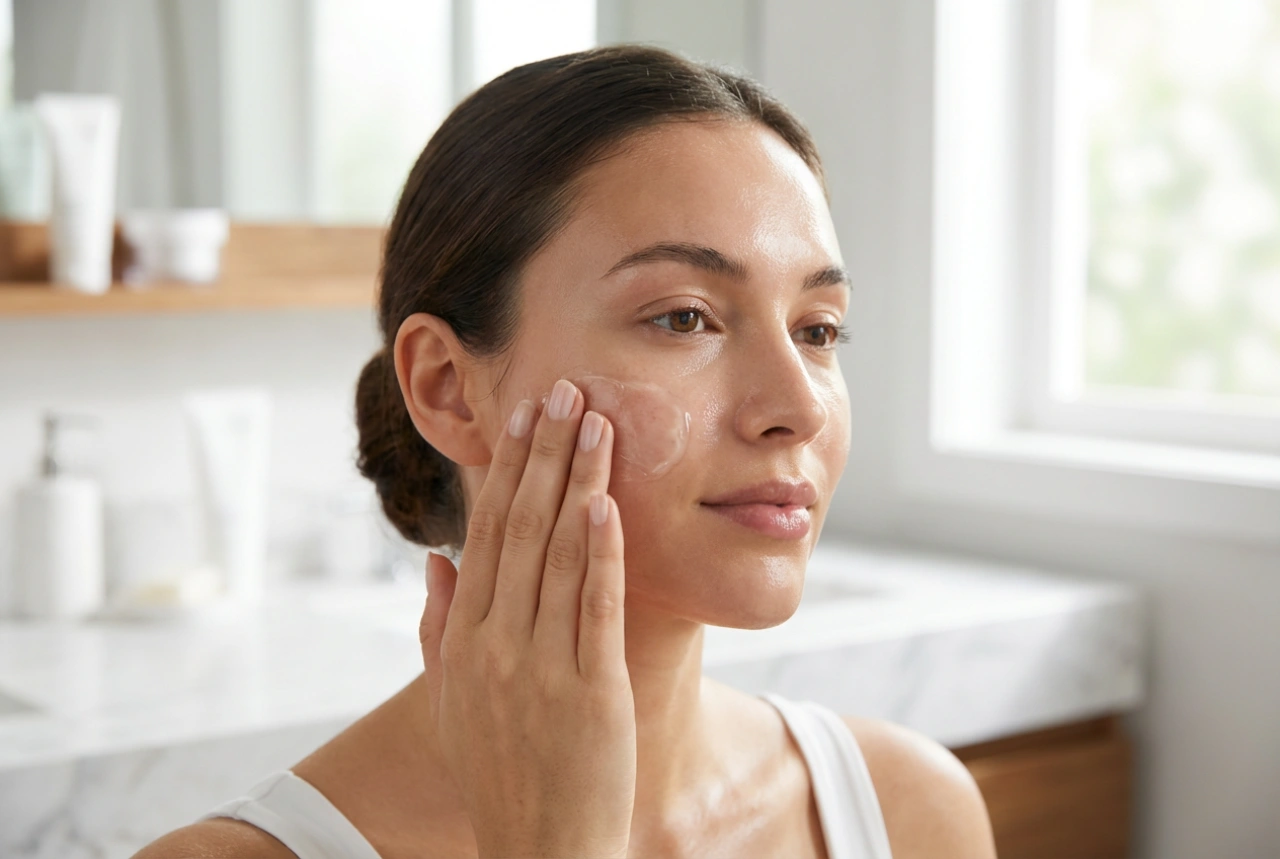
- Mix and Apply: Combine your chosen clay powder, hydrosol, and a few drops of moisturising oil in a ceramic bowl. Apply an even, relatively thick layer using a soft brush, avoiding the delicate eye and lip areas.
- Mist and Relax: Sit back and enjoy the cooling sensation. Spray your face with a fine mist of floral water every few minutes to maintain the damp consistency.
- Rinse Gently: Do not scrub the skin to remove dried clay. Instead, press a warm, damp face cloth against your skin to soften the mask, then gently wipe it away. Rinse thoroughly with lukewarm water.
- Hydrate Immediately: Once the mask is completely removed, immediately apply your regular hydrating serum or moisturiser to lock in moisture and leave your skin feeling incredibly soft and plump.