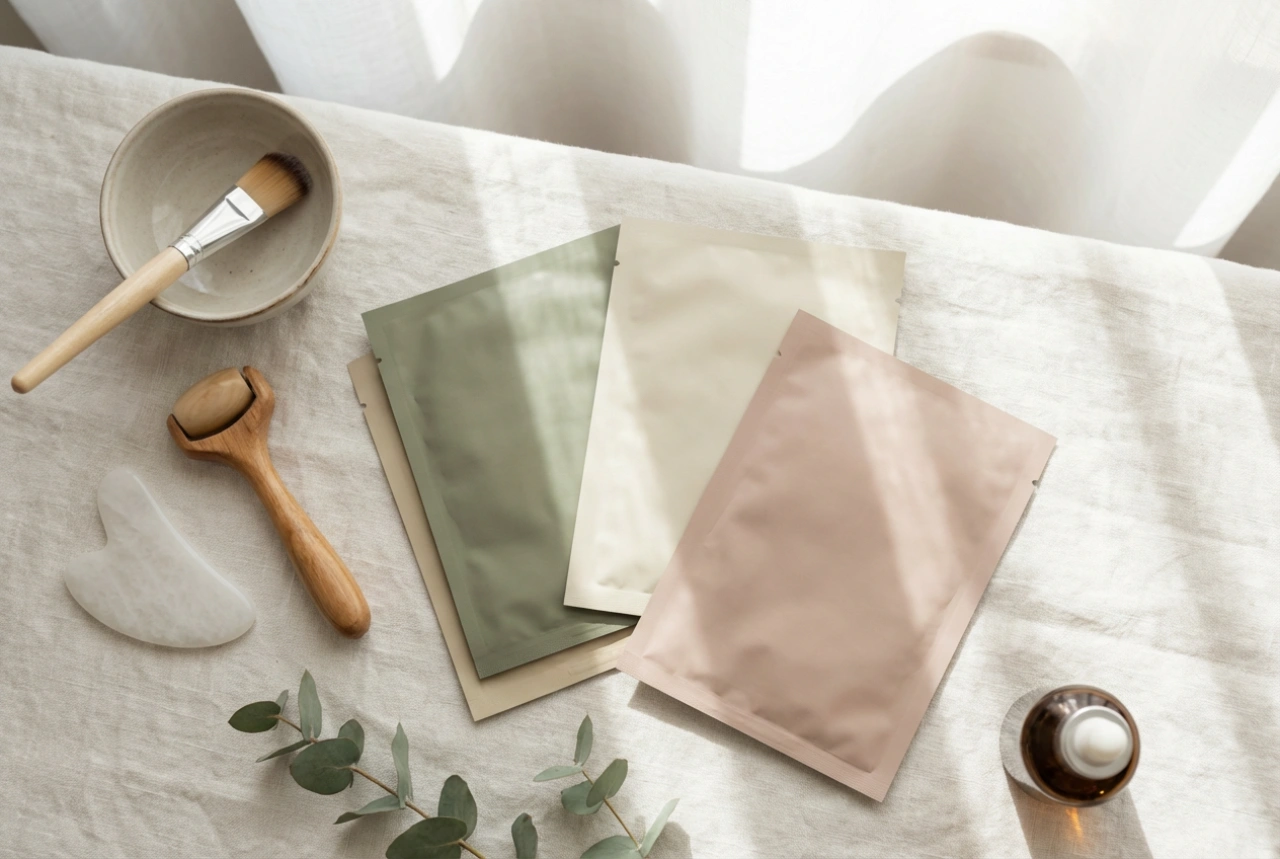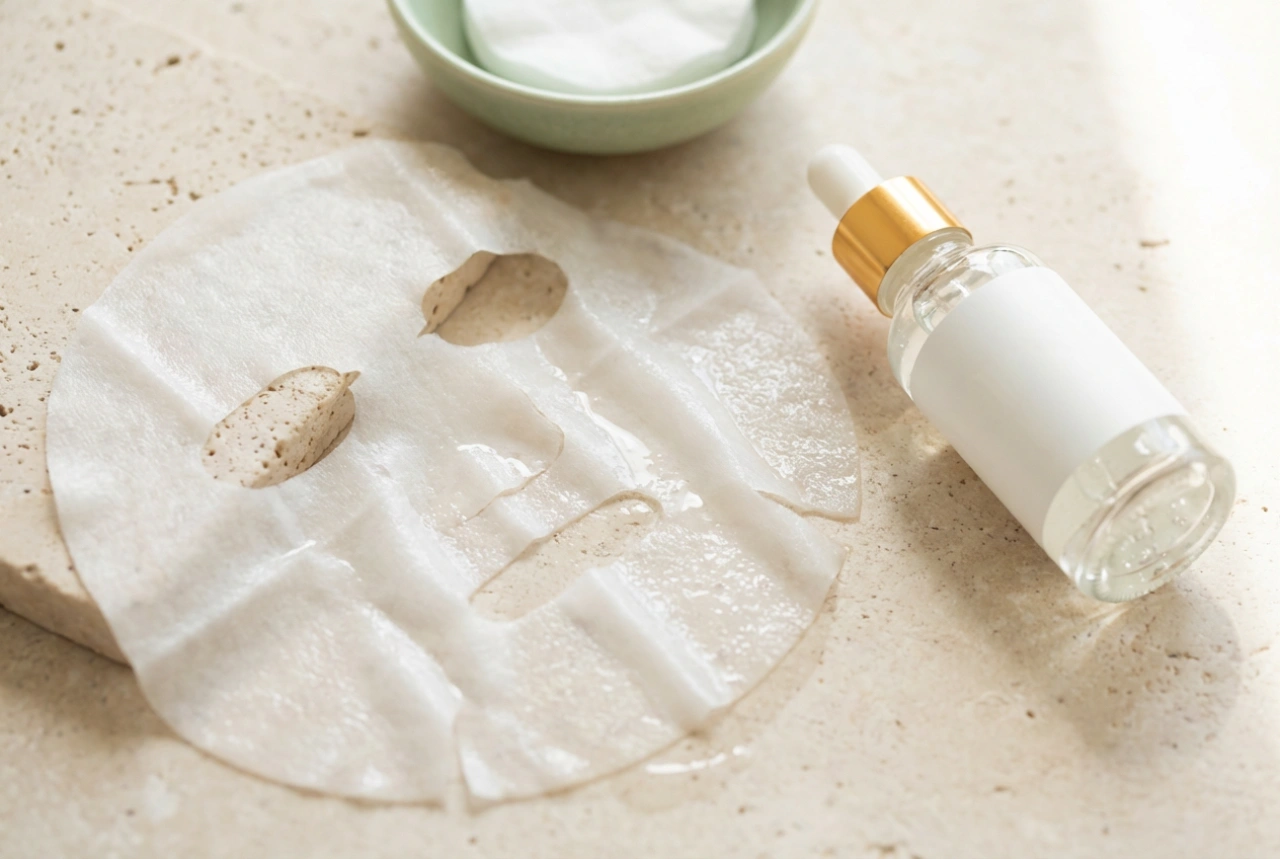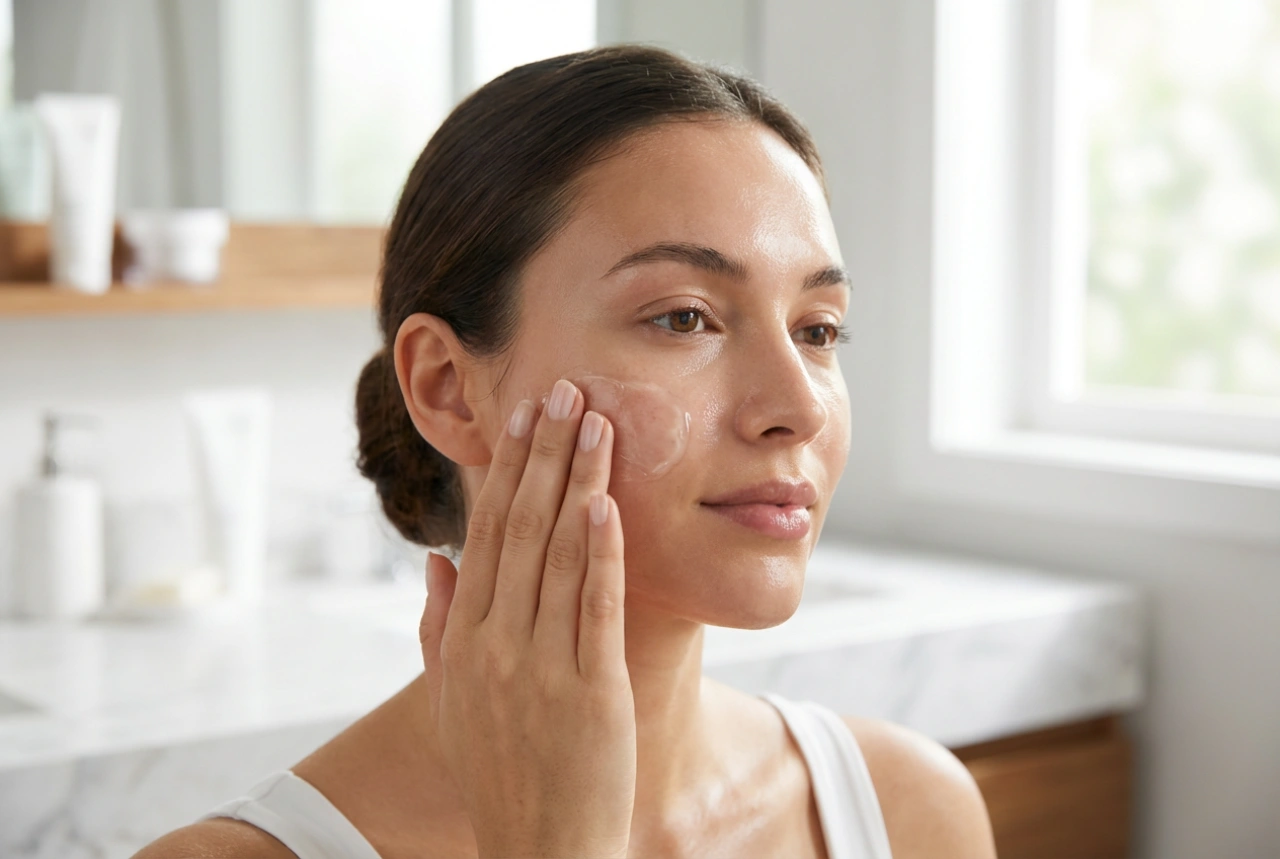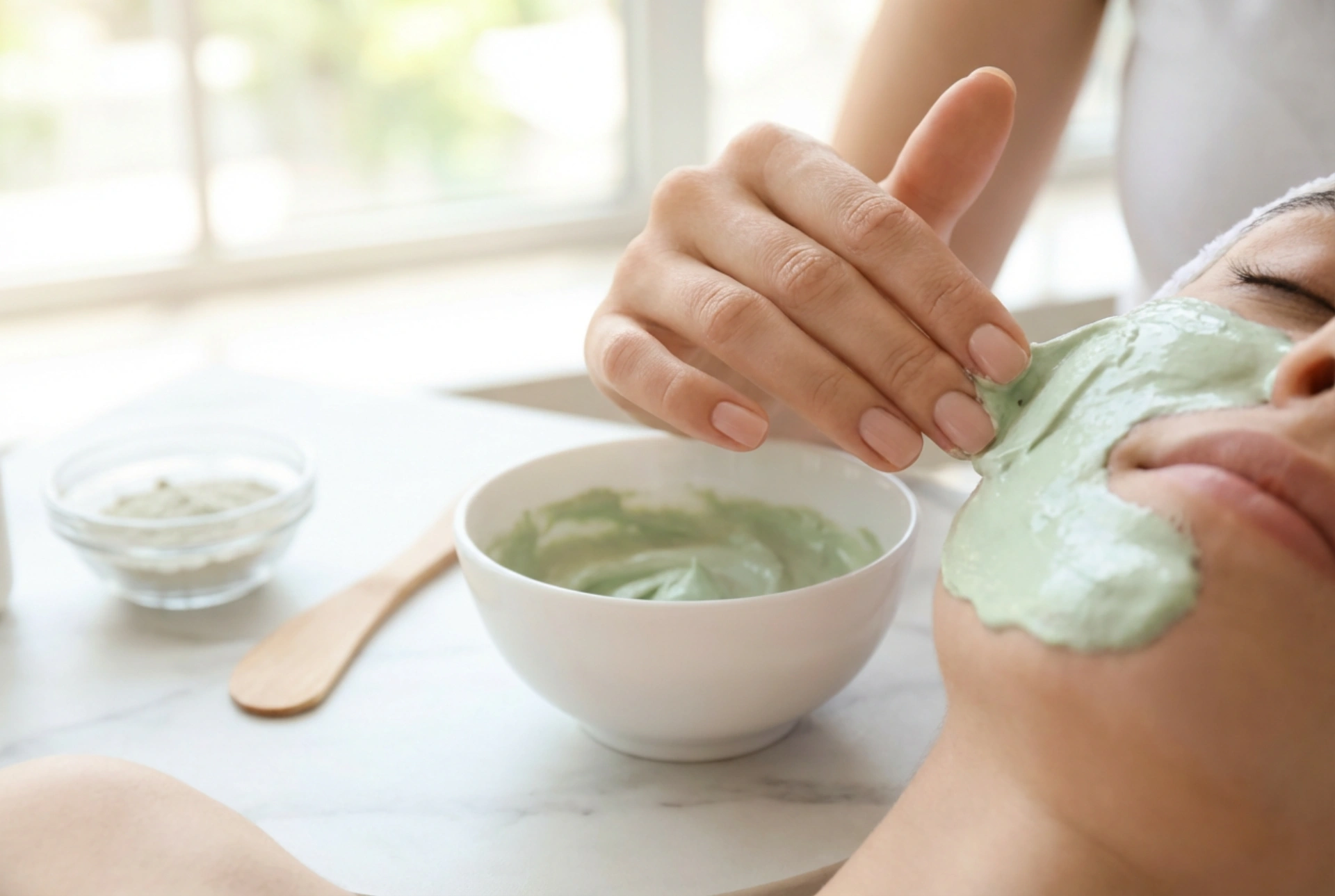


The calming ritual of applying a fresh, pale green alginate mask brings a spa-like experience directly into the comfort of your home. Formulated from marine algae, these peel-off masks have gained immense popularity due to their unique texture and ability to create a gentle, occlusive barrier on the skin. When mixed correctly, the powder transforms into a smooth, thick paste that conforms to every contour of the face. Understanding the proper preparation and removal techniques is the key to unlocking the full potential of this natural beauty treatment.
What is an Alginate Mask?
Alginate masks are derived from brown algae, specifically from alginic acid, which possesses remarkable water-binding properties. Unlike traditional clay masks that dry out and can sometimes strip the skin of moisture, or sheet masks that remain wet, alginate masks undergo a gentle gelation process. When the fine powder is combined with water, it triggers a reaction that turns the mixture into a flexible, rubber-like substance. This thick layer seals in any pre-applied serums and floods the epidermis with hydration, leaving the skin looking plump, refreshed, and revitalised.
How to Prepare the Perfect Alginate Mixture
Achieving the perfect consistency is often the most challenging part of using an alginate mask at home. The process requires speed and precision, as the mixture begins to solidify within a few minutes. To prepare the mask successfully, follow these steps:
- Measure accurately: Use the proportions recommended by the manufacturer. Usually, a one-to-three ratio of powder to water works best.
- Use cool water: Warm water will speed up the setting process, making the mask clump before you can apply it. Always use cool or lukewarm water.
- Mix vigorously: Put the powder in a clean, flexible silicone or ceramic bowl. Add the water all at once and stir rapidly with a spatula. Crush any lumps against the side of the bowl until you achieve a smooth, paste-like consistency, similar to thick sour cream.
Step-by-Step Application Techniques
Once the mixture is smooth, you must act quickly. Apply the mask immediately before it begins to set in the bowl. Here are some practical tips for a seamless application:
- Protect your hairline: Tie your hair back securely and consider applying a light moisturiser or oil along your hairline and eyebrows to prevent the mask from sticking to fine hairs.
- Apply a serum first: Since alginate masks create a physical barrier, applying a hydrating or soothing serum beforehand allows the active ingredients to penetrate deeper into the skin.
- Use thick strokes: Using a spatula or clean hands, apply a thick layer of the mask starting from the chin upwards, moving towards the cheeks, forehead, and nose. Ensure the edges of the mask are kept relatively thick, as thin edges dry out quickly and are difficult to peel off.
- Relax: Lie down flat while the mask sets. This prevents gravity from pulling the heavy mask downwards, ensuring the skin remains lifted and smooth during the treatment.
How to Correctly Remove the Algae Mask
Removing the mask is arguably the most satisfying part of the ritual, but doing it incorrectly can pull on the skin or leave messy residues. The mask should typically remain on the face for fifteen to twenty minutes, during which time it will dry to a rubbery, elastic texture. Follow these guidelines for a clean removal:
- Test the edges: Gently touch the edges of the mask to ensure it has fully solidified. It should feel firm and bouncy, not wet.
- Loosen the borders: Wet your fingertips with a little water and gently run them along the edges of the mask to loosen it from your skin. This prevents the thinner parts from tearing.
- Peel from bottom to top: Grasp the loosened mask at the chin and gently peel it upwards in one continuous motion towards the forehead. Peeling in an upward direction supports the skin's natural structure and reduces unnecessary pulling.
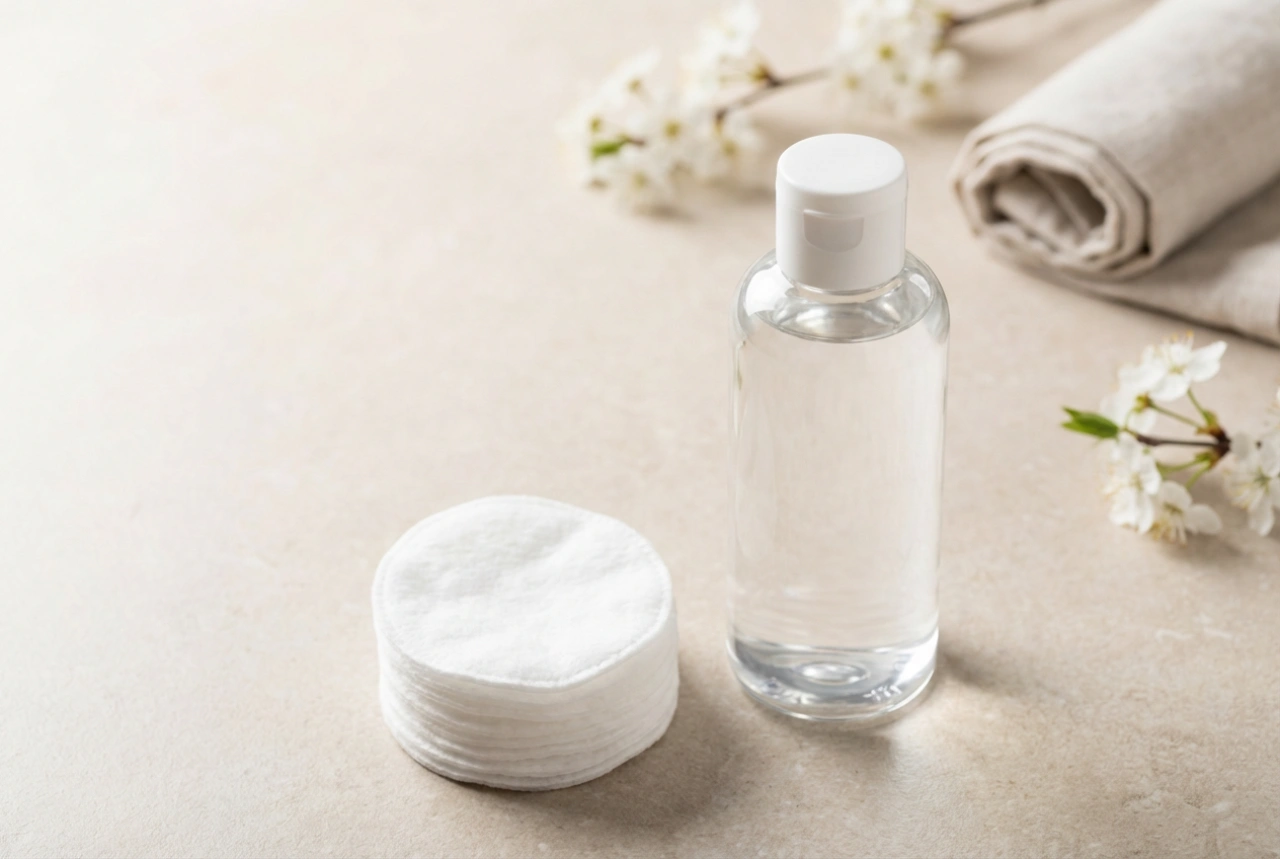
- Remove residues gently: If any small, dry pieces of the mask remain on the skin, do not scrub them off. Instead, wipe them away gently using a cotton pad soaked in warm water or a gentle toner. Do not wash your face with harsh cleansers immediately after removal.
Post-Mask Care and Best Practices
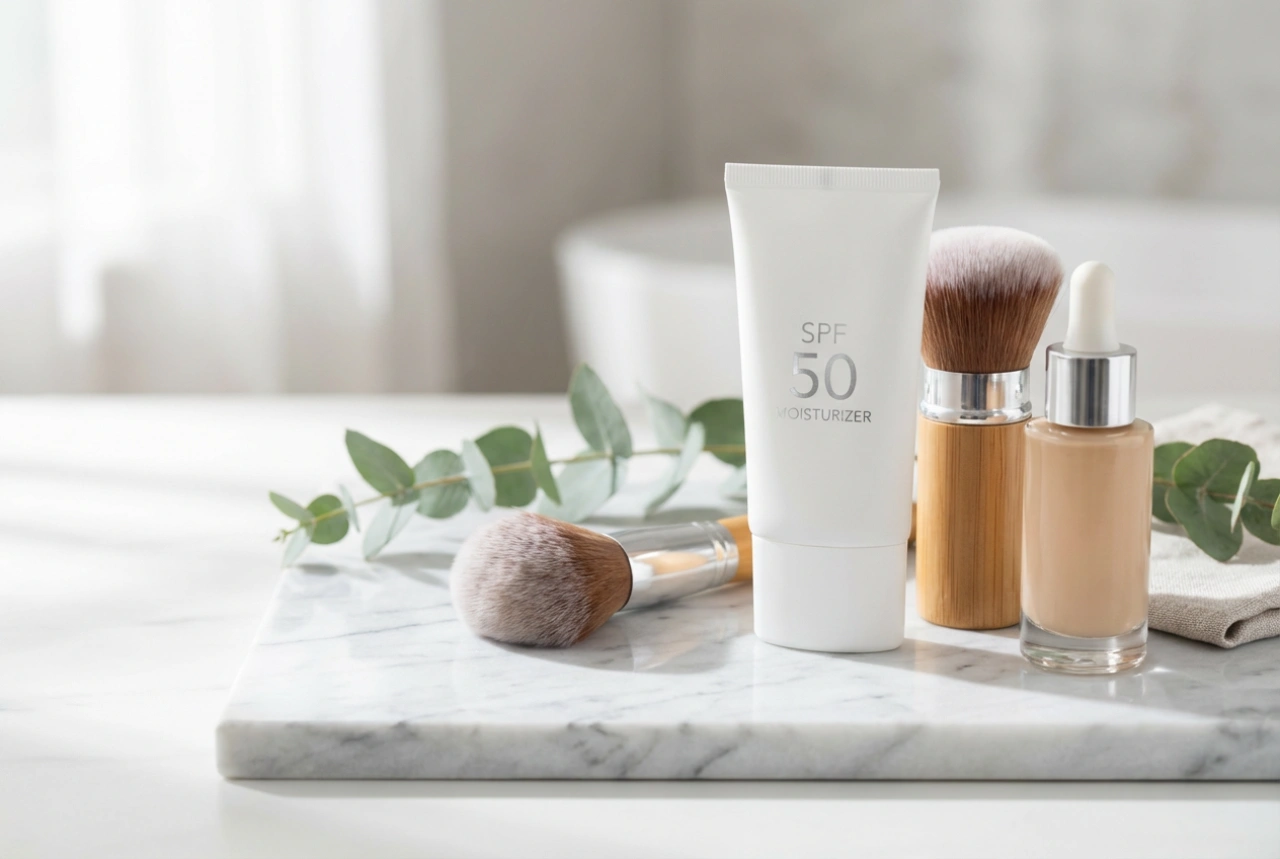
After successfully removing the alginate mask, your skin will feel exceptionally cool, hydrated, and refreshed. To lock in this moisture and prolong the effects of the treatment, it is essential to follow up with your regular skincare routine. Apply a lightweight moisturiser or a face oil to seal the hydration into the skin barrier. Since this treatment is gentle and deeply hydrating, it can be integrated into your beauty routine once or twice a week, offering a peaceful moment of self-care and a healthy-looking glow.