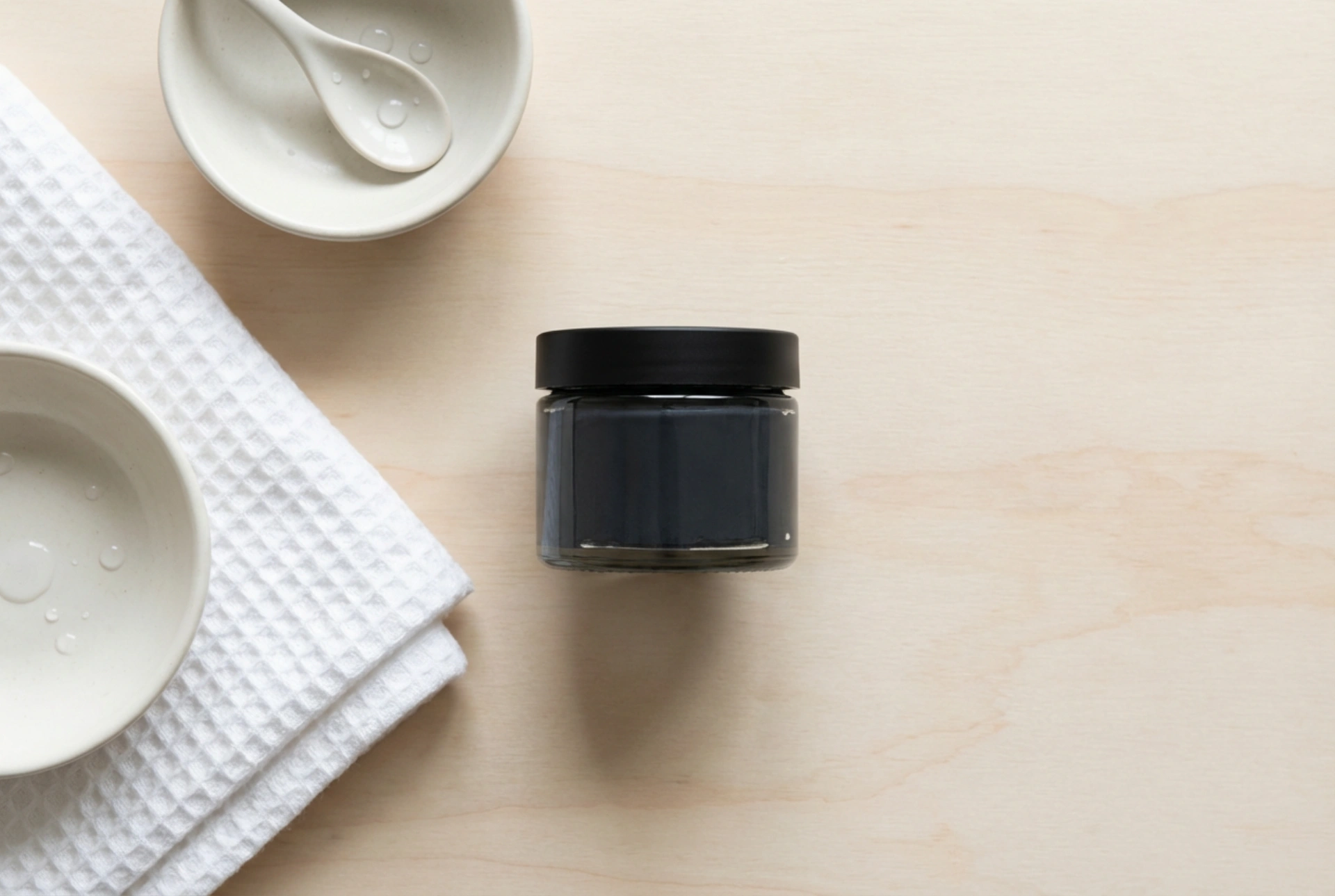


A serene skincare routine often begins with the visual pleasure of preparing your space: a minimalist jar of dark charcoal mask, a clean, soft white towel, and a small ceramic bowl of warm water. This calming aesthetic perfectly mirrors the purifying experience that charcoal masks offer to the skin. In modern beauty care, activated charcoal has earned a stellar reputation for its ability to refresh and deeply cleanse the complexion. However, to truly reap the benefits of this potent ingredient, it is essential to understand when your skin needs it and, perhaps more importantly, how to remove it without causing unnecessary irritation.
Understanding the power of activated charcoal
Activated charcoal is a finely processed powder known for its exceptional porous structure. In cosmetic formulations, this substance acts like a magnet for surface impurities. Unlike traditional clay masks that dry out the skin completely, modern charcoal formulations are designed to balance sebum production while maintaining a comfortable level of hydration. When applied to the skin, the charcoal particles attract excess oils, environmental dust, and dead skin cells that accumulate throughout the day.
This natural ingredient is highly valued for its versatility. It can be combined with nourishing botanicals, hydrating glycerine, or gentle clays to suit various skin types. By incorporating a charcoal mask into your regular skincare regimen, you can achieve a clearer, more refined complexion without relying on harsh physical scrubs that can disrupt the delicate skin barrier.
When should you use a charcoal mask?
While charcoal masks are incredibly effective, they are not intended for daily use. Knowing when to reach for this purifying treatment can make a significant difference in your skin's health and appearance. Here are the most common scenarios where a charcoal mask becomes your skin's best ally:
- When your skin feels congested: Exposure to urban pollution, makeup, and daily sweat can leave the skin feeling heavy and dull. A weekly charcoal treatment helps to lift these impurities from the surface.
- During periods of excess oiliness: If you notice your T-zone producing more sebum than usual, particularly during warmer seasons, a charcoal mask can help restore a matte finish.
- Before a special occasion: To ensure your makeup glides on smoothly and lasts longer, using a clarifying mask the evening before can create a beautifully even canvas.
- As a targeted treatment: You do not always need to apply the mask to your entire face. Multi-masking—using charcoal only on oily areas while applying hydrating formulas to dry cheeks—is an excellent way to customise your routine.
Preparation is key: Setting the stage for your mask
For the active ingredients in a charcoal mask to work effectively, proper skin preparation is required. Applying a mask over makeup or sunscreen will only trap these substances against your skin, leading to potential irritation. Start by thoroughly cleansing your face with a gentle, water-soluble cleanser to remove surface dirt.
Once your face is clean, you may want to gently pat it with a warm, damp towel. The mild warmth helps to relax the skin and soften the sebum within the pores, making it easier for the charcoal to draw out impurities. Keep your skin slightly damp before applying the mask, as this helps the product spread evenly and prevents it from drying out too rapidly, which can cause tightness.
How to remove a charcoal face mask correctly
One of the most common mistakes in home beauty treatments is allowing a charcoal mask to dry until it cracks and makes facial expressions impossible. When a mask reaches this stage, it begins to draw essential moisture out of the skin, leading to redness and dehydration. Ideally, you should wash the mask off when it is still slightly tacky to the touch.
To remove the mask safely and gently, follow these step-by-step guidelines:
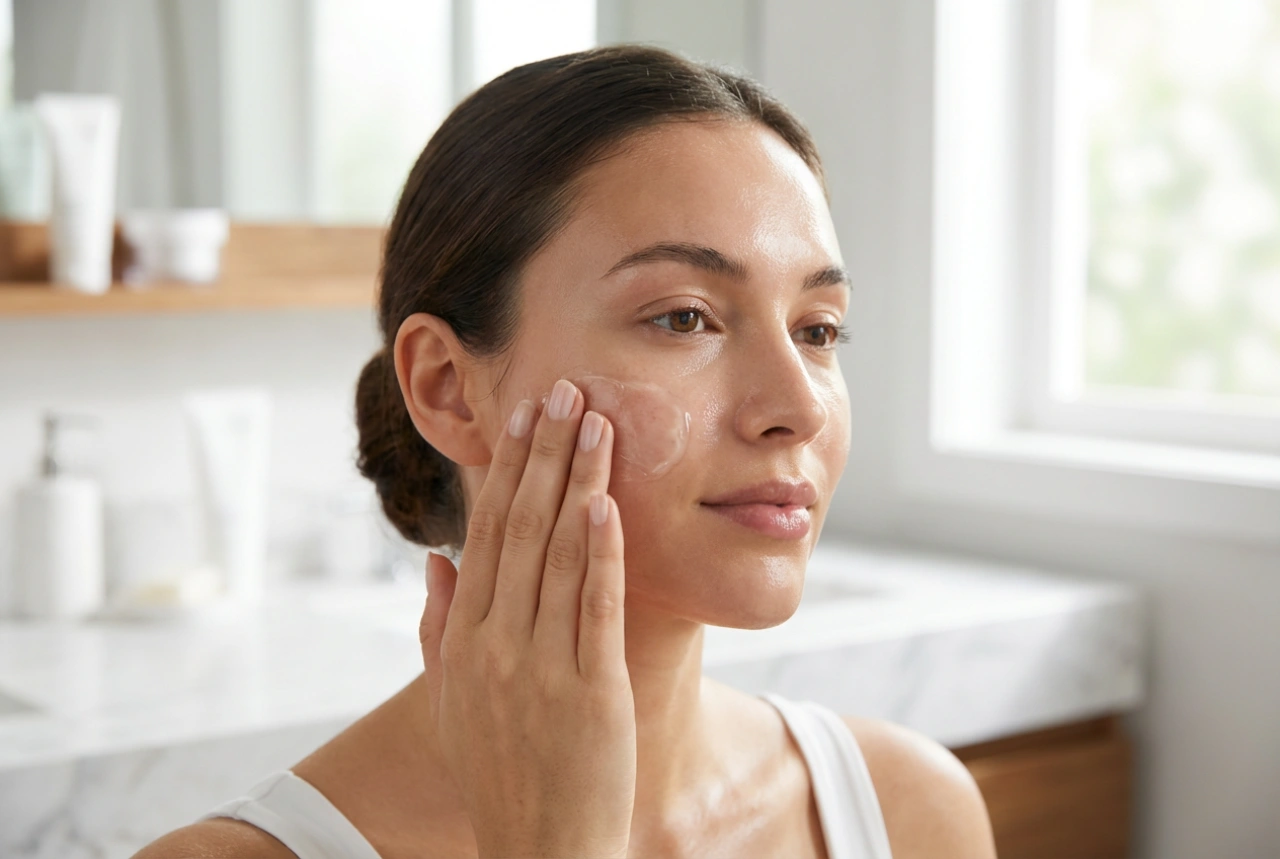
- Rehydrate the mask first: Before attempting to wipe the product away, dip your fingertips into a bowl of lukewarm water and gently press them onto your face. This softens the dried charcoal, making it much easier to dissolve.
- Use gentle circular motions: Massage your face in light, circular movements to allow the charcoal to gently exfoliate the skin surface as it rinses away. Avoid vigorous scrubbing, which can scratch the skin barrier.
- Employ a soft, damp cloth: If some residue remains, use a soft white towel or a reusable cosmetic sponge soaked in warm water. Gently sweep the cloth across your face, rinsing it frequently. Avoid using hot water, as it can strip away natural lipids.
- Inspect the hairline and jawline: Charcoal masks have a habit of clinging to the hairline, eyebrows, and the edges of the jaw. Take a moment to ensure all dark traces are completely washed away.
Essential post-mask care for a radiant finish
After successfully removing your charcoal mask, your skin is highly receptive to subsequent skincare products. Since charcoal absorbs excess oils, it is vital to replenish the skin’s moisture immediately to maintain a healthy balance. Neglecting this step can prompt your sebaceous glands to overcompensate by producing even more oil.
Begin by applying a soothing, alcohol-free toner or a hydrating essence to restore the skin's pH balance. Follow this with a lightweight serum containing moisture-binding ingredients like hyaluronic acid or soothing botanical extracts. Finally, seal in the hydration with a nourishing moisturiser. This simple aftercare routine ensures your skin remains soft, plump, and beautifully glowing long after the purifying treatment is complete.