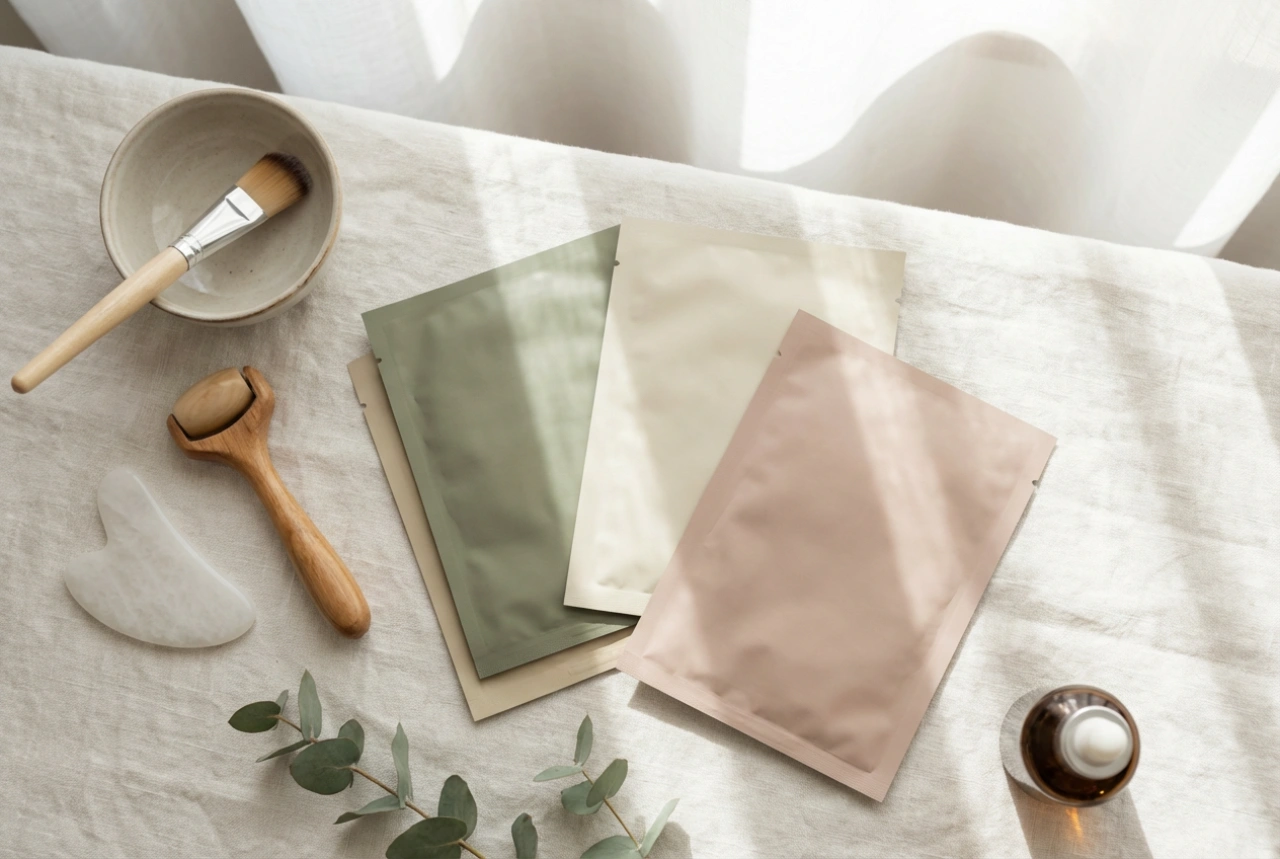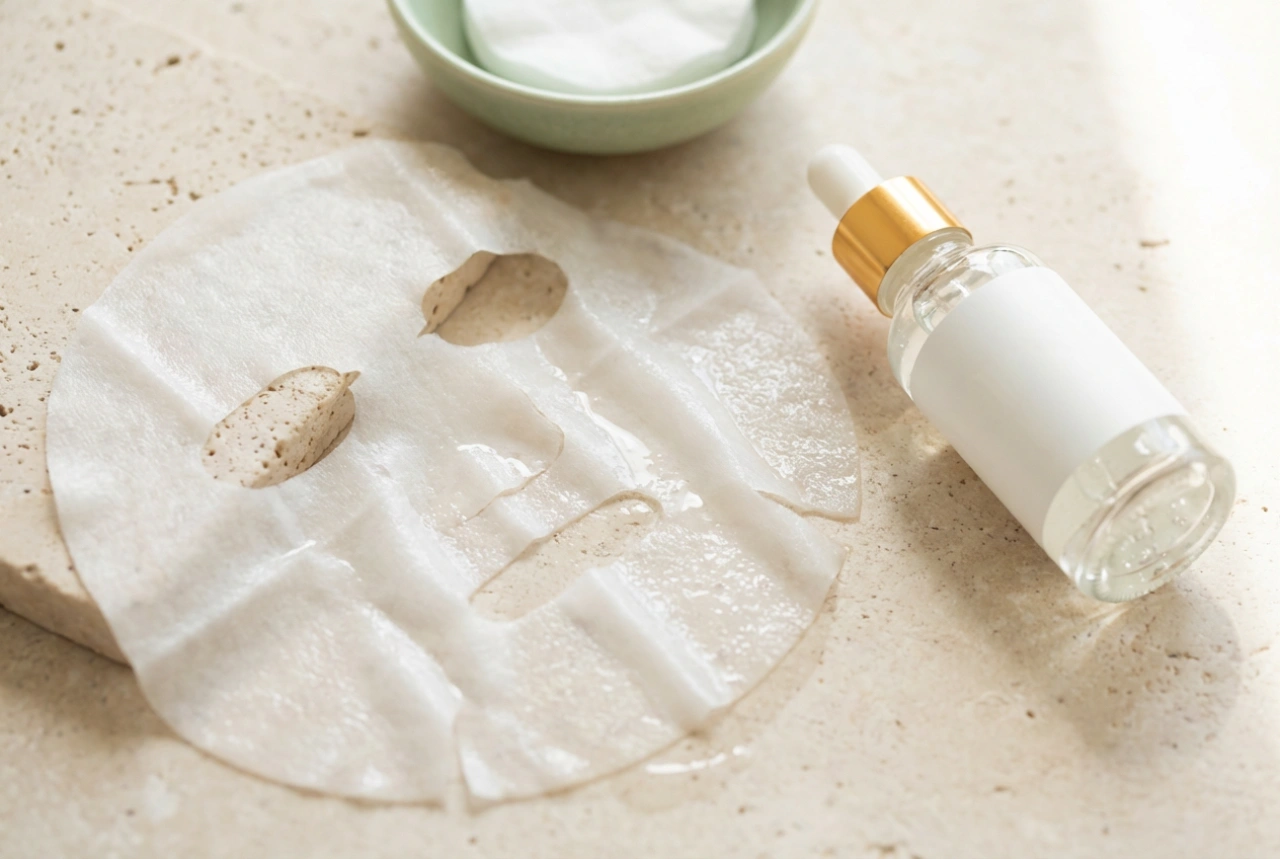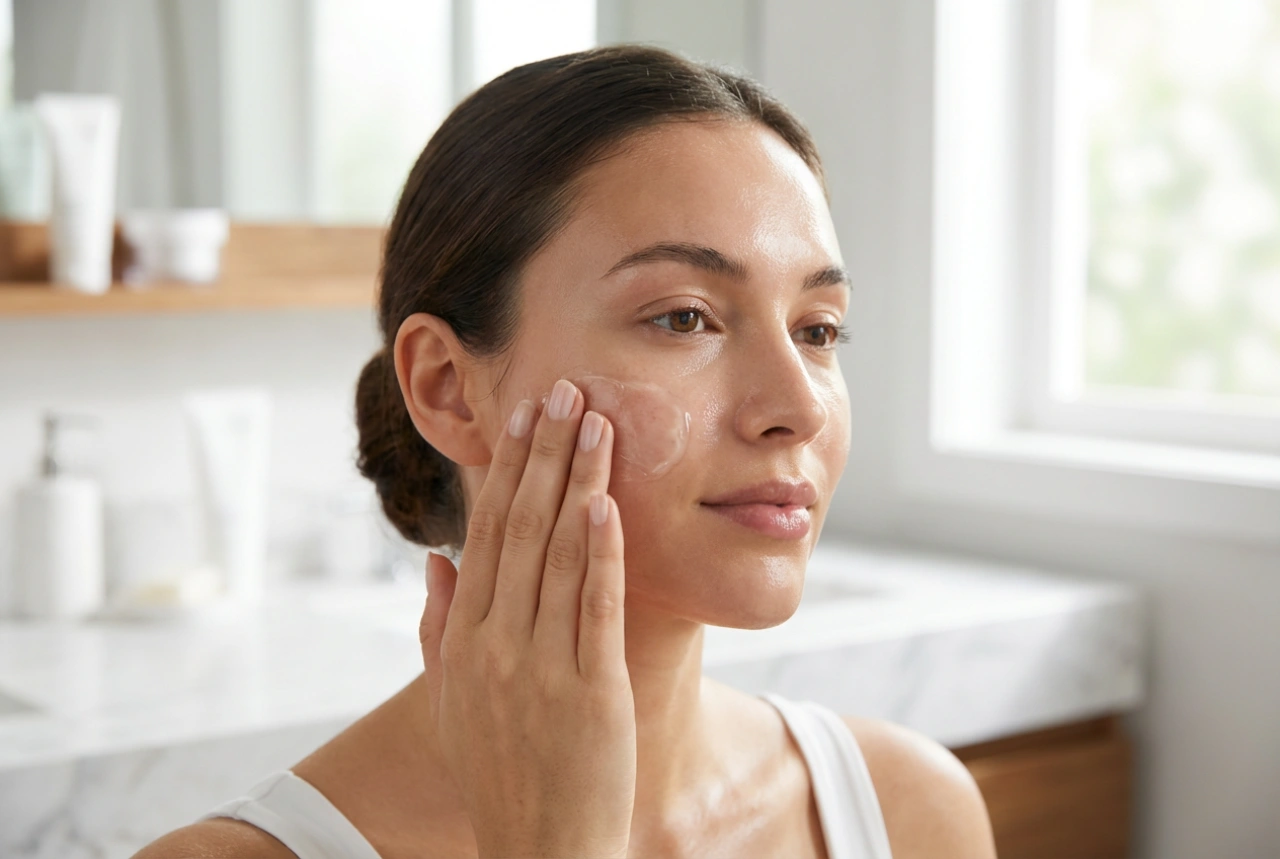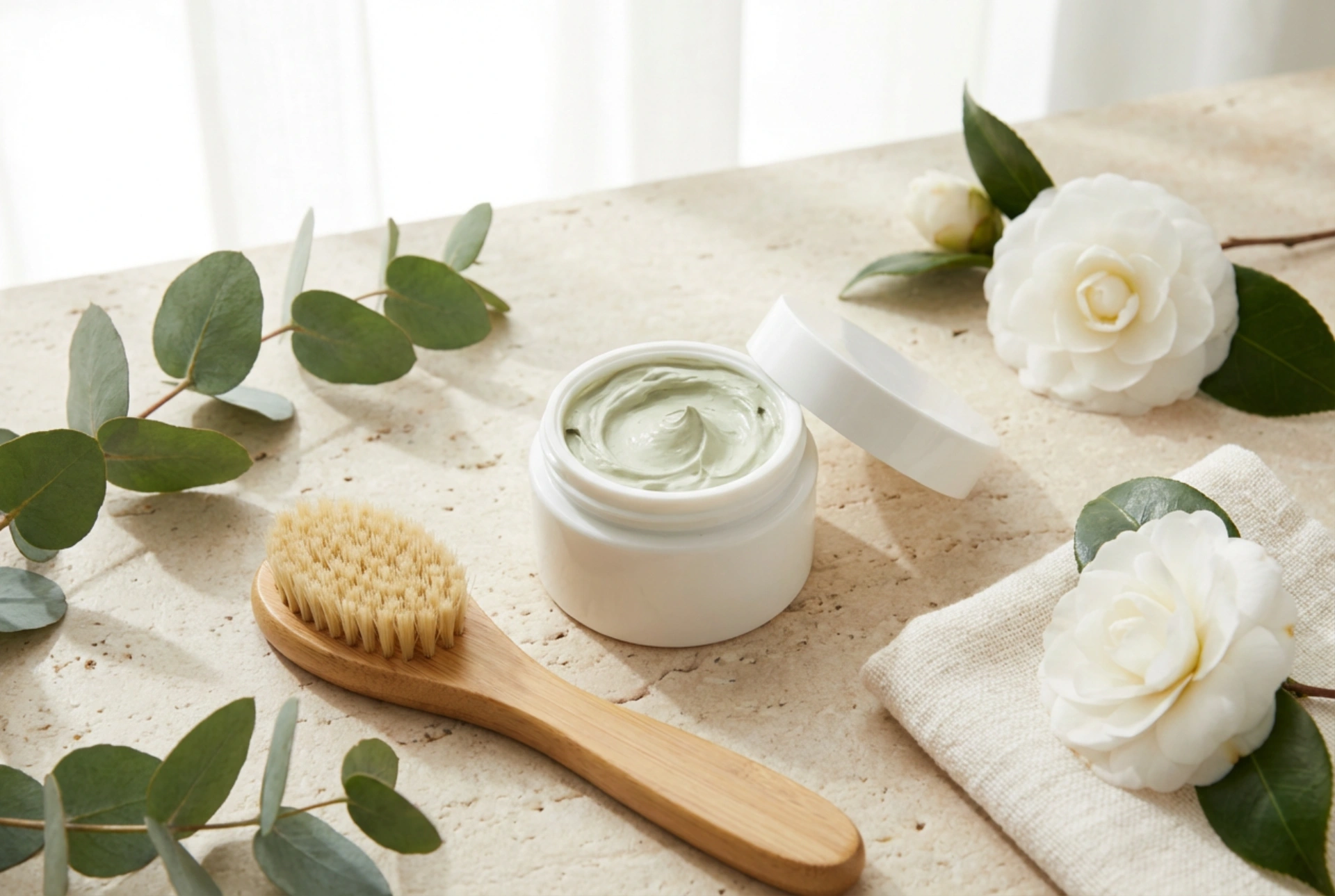


Creating a serene moment in your weekly beauty routine can do wonders not only for your peace of mind but also for the texture of your skin. A minimalist skincare ritual, visualised by a simple jar of smooth face mask paired with a clean application brush and fresh botanical accents, offers a perfect opportunity to refine the complexion. Many individuals seek to minimise the appearance of enlarged pores, aiming for a smoother and more balanced look. While pore size is largely determined by genetics, incorporating targeted cosmetic masks into your routine can significantly improve skin texture by removing excess sebum, clearing impurities, and tightening the surface appearance of the skin.
Key Ingredients in Pore-Minimising Masks
When selecting a face mask designed to refine pores, understanding the active cosmetic ingredients is essential. Different ingredients address the root causes of visible pores, such as excess oil production and dead skin buildup, in unique ways.
Natural Clays and Charcoal
Clays like kaolin and bentonite are highly valued in skincare for their exceptional oil-absorbing properties. They work like a magnet, drawing out impurities and excess sebum from deep within the pores. Charcoal is another powerful ingredient that helps detoxify the skin surface, leaving it looking refreshed and matte. These ingredients are particularly beneficial for the T-zone, where oil glands are most active.
Fruit Enzymes and Gentle Acids
To prevent pores from stretching, it is crucial to keep them free from cellular debris. Fruit enzymes, such as those derived from papaya or pineapple, gently dissolve dead skin cells without the need for harsh physical scrubs. Mild cosmetic acids can also help exfoliate the outer layers of the skin, promoting a smoother surface and making pores appear smaller and less noticeable.
Soothing Botanicals and Niacinamide
While clearing oil is important, maintaining skin hydration and calm is equally vital. Ingredients like green tea extract, aloe vera, and niacinamide help soothe the skin and reduce temporary redness. Niacinamide, in particular, is celebrated for its ability to support skin elasticity and refine skin texture, making it a stellar addition to any pore-focused skincare product.
The Ideal Application Technique
How you apply your face mask can greatly influence its effectiveness and the overall enjoyment of your beauty ritual. Using the correct tools and methods ensures even distribution and maximises the benefits of the ingredients.
Step 1: Preparation
Always start with a thoroughly cleansed face. Applying a mask over makeup or daily grime will prevent the active ingredients from making direct contact with your skin. You can gently splash your face with warm water to help soften the skin surface before application.
Step 2: Using a Mask Brush
Instead of using your fingers, which can introduce unwanted oils or bacteria, opt for a clean, flat synthetic brush. A brush allows for a smooth, uniform layer of product to be applied across the skin. Start from the centre of the face—where pores are typically more visible—and sweep the product outwards towards the hairline and jawline.
Step 3: Targeted Application
You do not always need to apply a pore-minimising mask to your entire face. Multi-masking is an excellent technique where you apply the clarifying pore mask only to oily areas, such as the forehead, nose, and chin, while using a hydrating formula on the cheeks and drier areas of the face.
Frequency and Timing: Finding Your Balance
More is not always better when it comes to refining masks. Overusing oil-absorbing formulas can strip the skin of its natural moisture, leading to dehydration and, paradoxically, an increase in sebum production as the skin tries to compensate.
Oily and Combination Skin
For those with oily or combination skin types, using a pore-minimising mask two to three times a week is generally optimal. This frequency helps keep oil levels balanced and prevents buildup without causing dryness.
Dry and Sensitive Skin
If your skin tends to be dry or sensitive, limit the use of clarifying masks to once a week or even once every fortnight. Focus the application strictly on areas of concern, such as the nose, and ensure you do not leave the mask on longer than the recommended time.
Post-Mask Care for Lasting Results
Once you rinse off your mask with lukewarm water, your skincare ritual is not complete. The steps you take immediately after masking are crucial for locking in the benefits and maintaining a refined, glowing complexion. Gently pat your face dry with a clean, soft towel. Follow up immediately with a hydrating toner or a lightweight facial mist to restore surface moisture. Applying a hydrating serum containing hyaluronic acid, followed by a non-comedogenic moisturiser, will seal in hydration and help support the skin barrier, keeping your complexion looking smooth, balanced, and beautifully radiant.