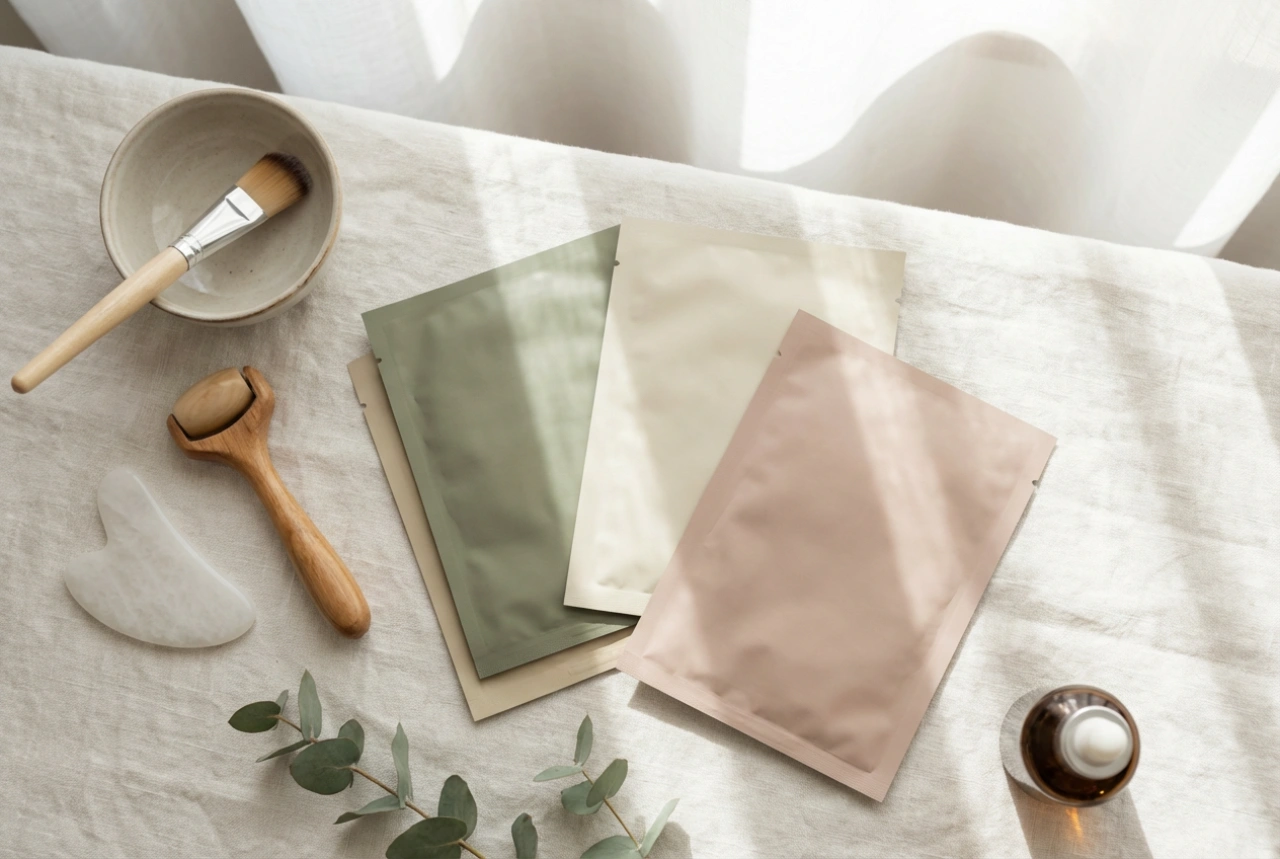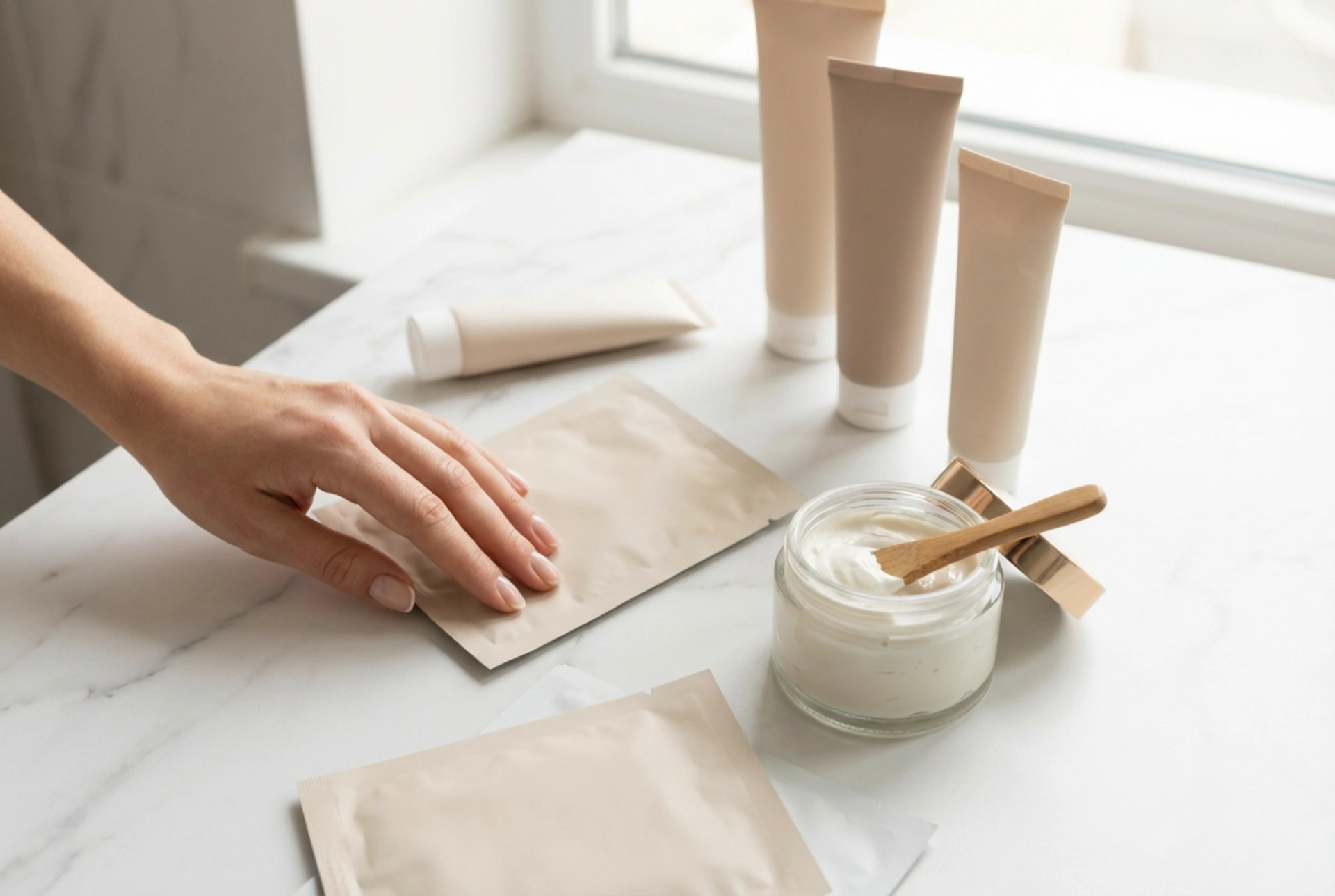


A mindful beauty ritual is more than just a quick step in your daily skincare routine; it is an invitation to pause and indulge in targeted self-care. When you look at an array of minimalist jars filled with rich, creamy textures, and hold a delicate brush ready for precise application, the act of applying a face mask becomes a serene, almost therapeutic experience. Face masks serve as powerful, concentrated boosts designed to address specific, temporary skin needs. Integrating them correctly into your weekly beauty regimen can elevate your skin’s radiance, support hydration, and restore a sense of balance. However, achieving the best results requires a thoughtful approach to selection, application techniques, and frequency.
Navigating the World of Face Masks: Types and Textures
Before incorporating a face mask into your regimen, it is essential to understand the different formulations available. Each texture serves a distinct purpose and delivers active cosmetic ingredients in unique ways:
- Clay and Mud Masks: Best known for their absorbing properties, these masks are ideal for areas prone to excess oil, such as the T-zone. They help to gently lift impurities and refine the appearance of pores, leaving the skin feeling deeply cleansed and mattified.
- Cream Masks: Rich and nourishing, cream formulations are packed with emollients and oils. They are designed to replenish lost moisture, soothe dry patches, and restore suppleness to dehydrated skin.
- Gel Masks: Light, refreshing, and often cooling, gel masks provide immediate hydration. They are perfect for soothing tired skin after a long day or cooling the complexion during warmer months.
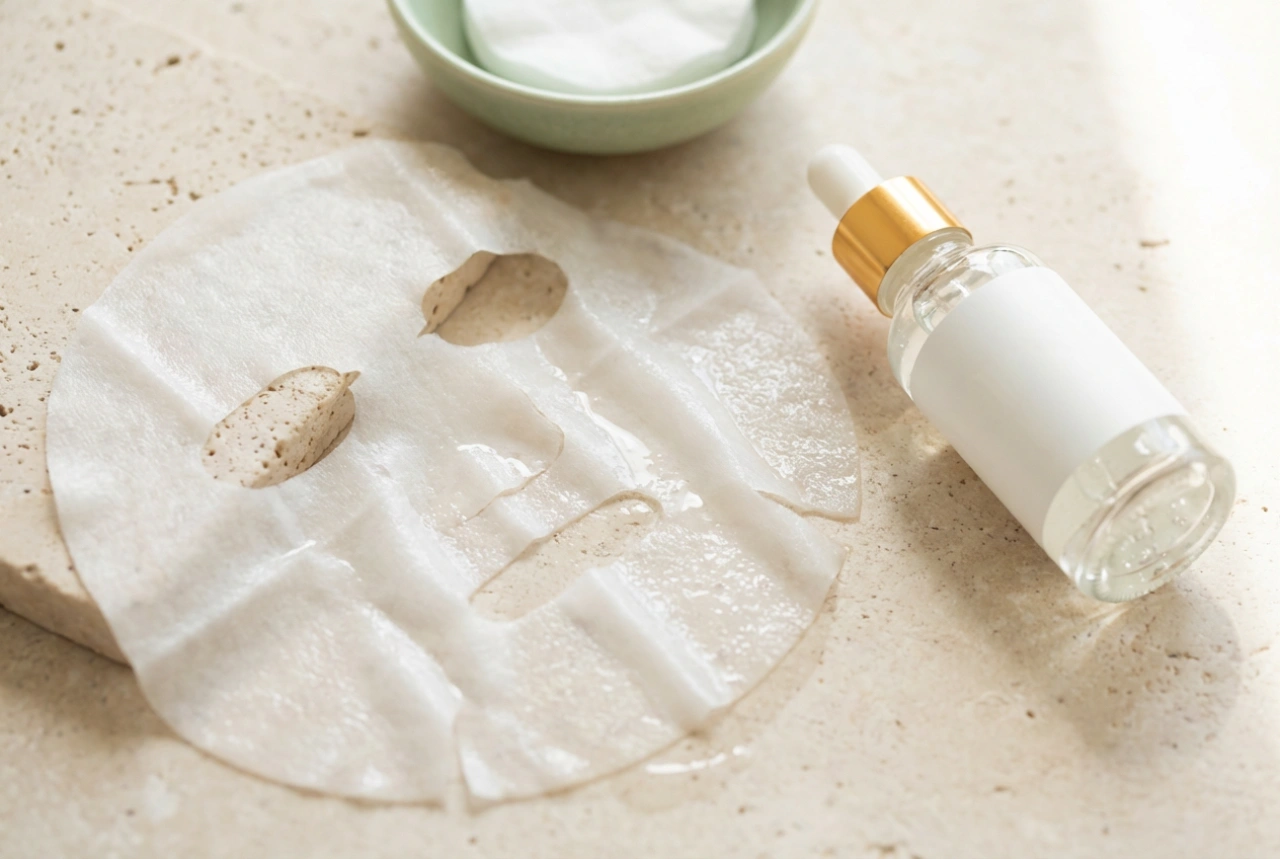
- Sheet Masks: Infused with concentrated serums, these masks hug the contours of the face, creating a temporary barrier that prevents evaporation and allows the skin to absorb maximum hydration and nutrients in a short amount of time.
How to Choose the Right Mask for Your Current Skin Needs
Your skin is a dynamic organ that changes with the seasons, stress levels, and environment. Therefore, your choice of mask should not be static. Instead of sticking to one product year-round, observe what your skin requires at any given moment.
If your skin feels tight, flaky, or lacks plumpness, prioritise cream or gel masks rich in hydrating factors like hyaluronic acid, glycerin, or natural botanical extracts. Conversely, if you notice an oily sheen and a slightly rough texture, look for purifying clay-based options that draw out sebum without stripping the skin's natural moisture barrier. For a dull complexion that lacks its natural glow, gentle exfoliating masks containing mild fruit enzymes can assist in shedding dead skin cells, revealing a fresh and radiant surface.
Step-by-Step Application for Optimal Results
To ensure that your face mask delivers its full cosmetic benefits, the application process should be precise and hygienic. Following a structured method guarantees that the skin is properly prepared to receive the active ingredients:
1. Thorough Cleansing
Never apply a mask over makeup, sunscreen, or daily build-up. Always start with a clean canvas by using a gentle cleanser. This ensures that there are no barriers between the mask and your skin, allowing for optimal absorption.
2. Mindful Application with a Brush
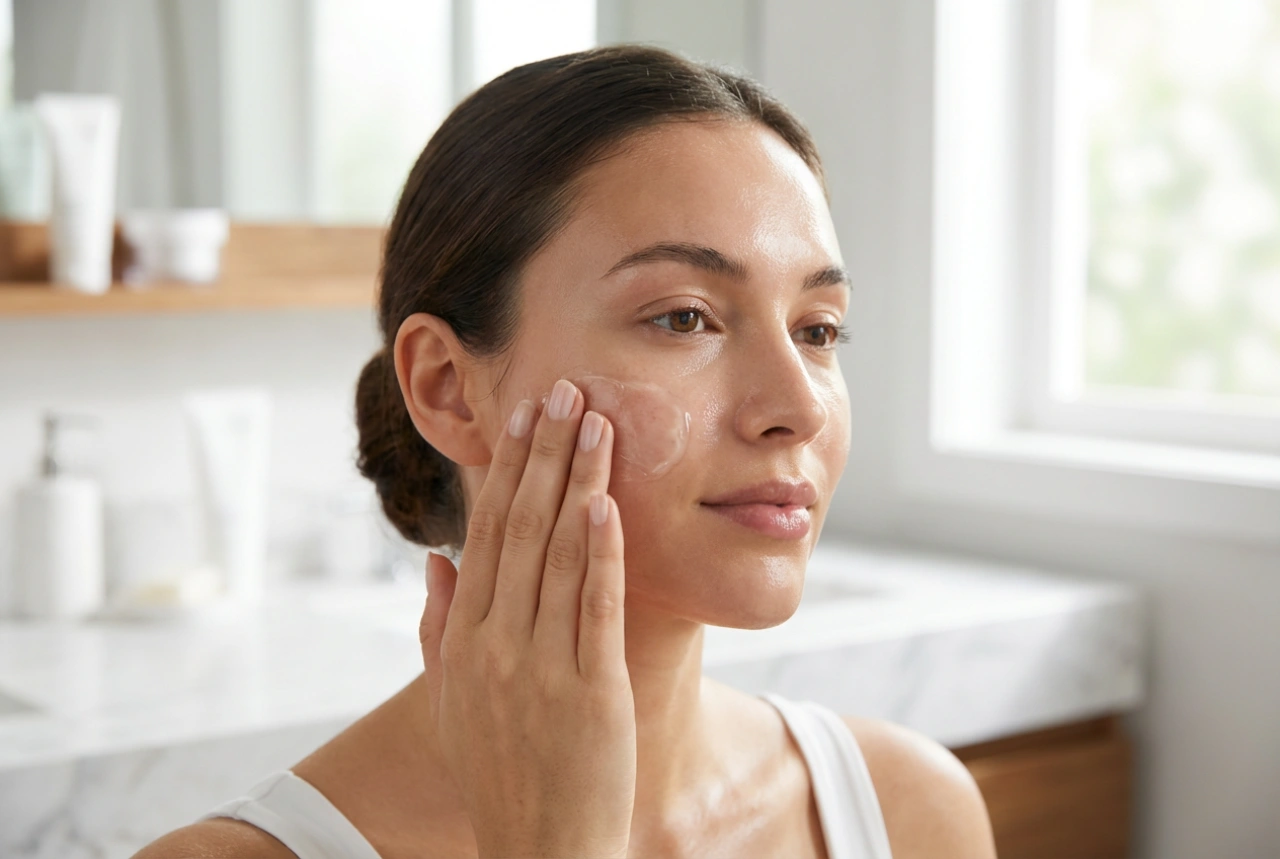
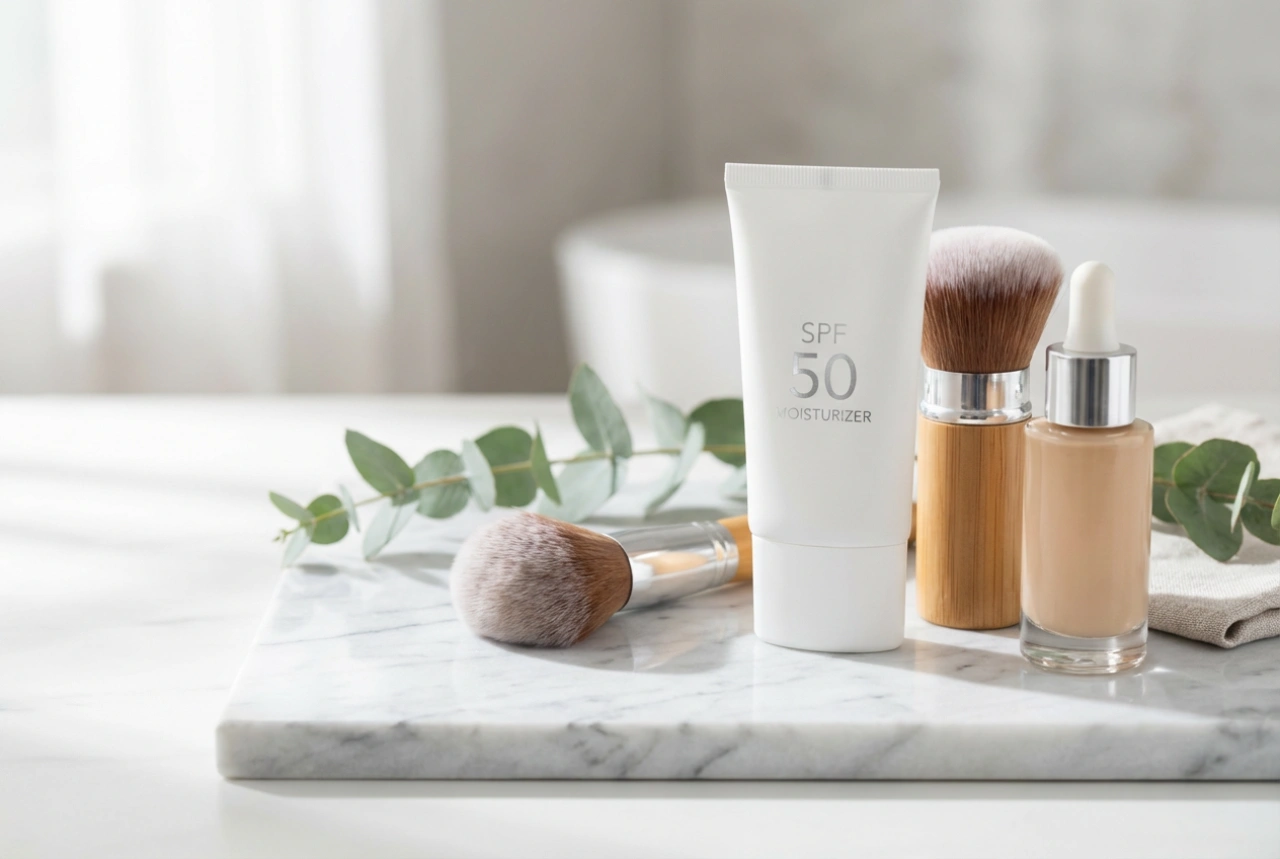
While using fingers is common, employing a dedicated cosmetic brush offers a more hygienic and even application. It prevents the transfer of bacteria from your hands and allows you to apply a uniform layer of product. Start from the centre of the face and blend outwards, avoiding the delicate eye and lip areas.
3. Respecting the Timing
More is not always better. Leaving a mask on for longer than recommended can sometimes lead to irritation or dehydration. For instance, allowing a clay mask to dry completely until it cracks can actually draw beneficial moisture out of your skin. Always follow the guidelines, typically ranging from 10 to 20 minutes.
4. Gentle Removal
Remove the mask with lukewarm water. Avoid harsh scrubbing, especially with clay or exfoliating formulas. A soft, damp cloth can assist in gently wiping away cream or mud masks, ensuring your skin remains calm and undisturbed.
Frequency and the Art of Multimasking
How often should you mask? Generally, incorporating a mask one to three times a week is sufficient to boost your regular skincare routine. Hydrating and soothing masks can be used more frequently, while purifying or exfoliating formulas are best limited to once or twice a week to avoid over-stimulating the skin.
For those with combination skin, the technique of multimasking offers a highly customised solution. Instead of applying one product all over, you can target specific zones with different formulas. For example, you might apply a purifying clay mask to an oily T-zone (forehead, nose, and chin) while simultaneously smoothing a rich, hydrating cream mask onto drier cheeks. This targeted approach ensures that every area of your face receives exactly what it needs in a single session.
Locking in the Benefits: Post-Mask Care
The ritual does not end once the mask is washed off. To seal in the hydration and beneficial ingredients, you must follow up immediately with your daily skincare essentials. Apply a hydrating toner or essence while the skin is still slightly damp, followed by a nourishing serum. Conclude your routine with a reliable moisturiser to create a protective seal, ensuring your skin remains soft, plump, and deeply nourished long after the mask has been removed.