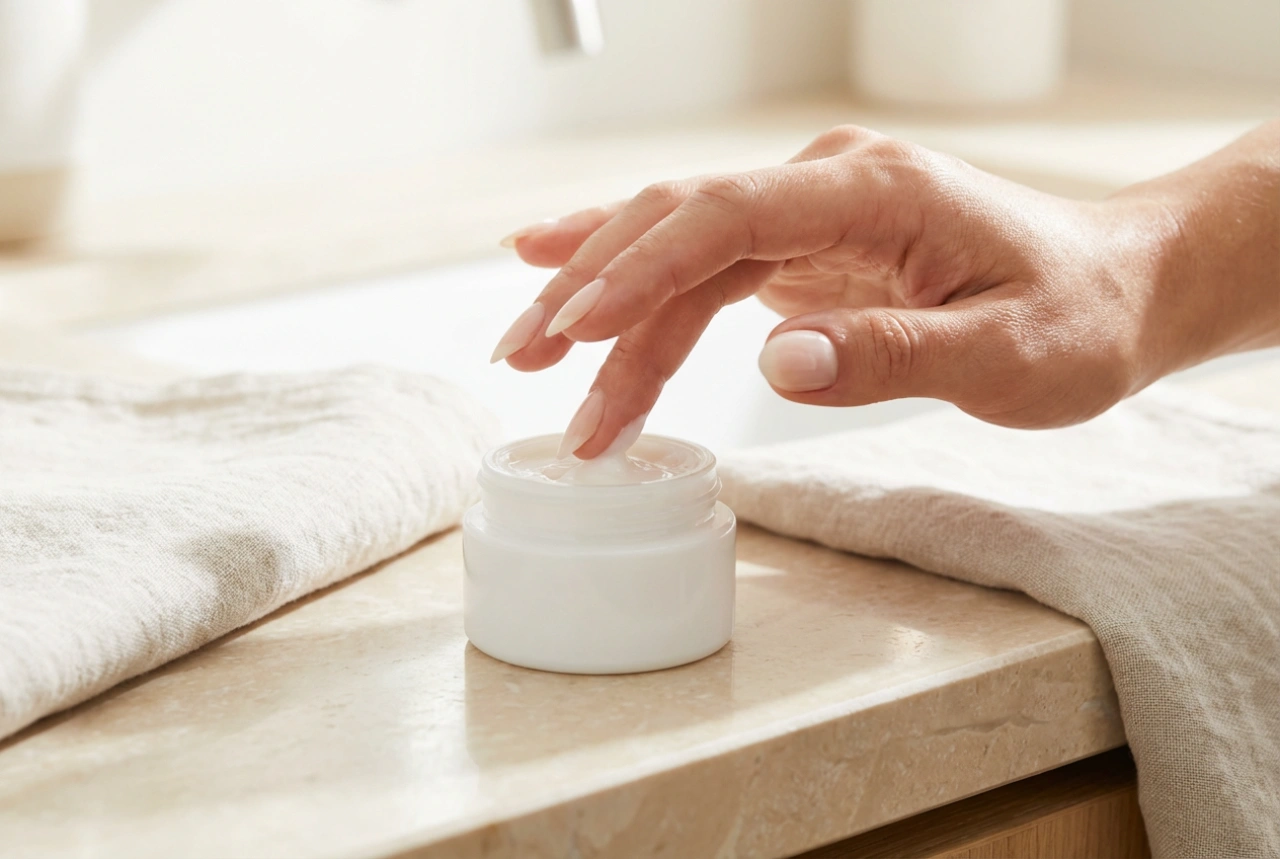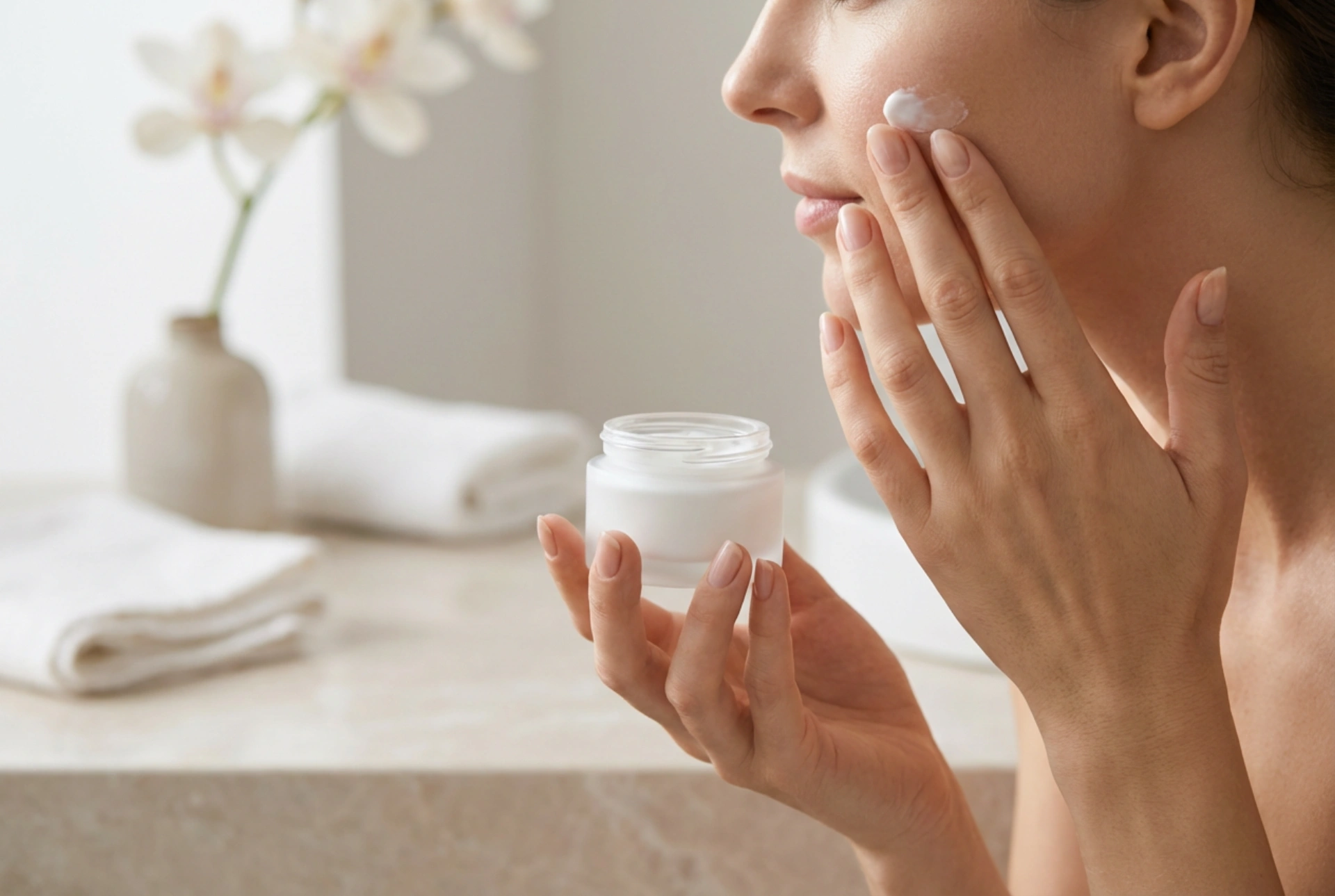


Achieving a balanced, calm complexion is a common goal for those whose skin reacts easily to environmental factors like wind, temperature shifts, or dry air. When delicate skin becomes prone to temporary redness, the daily application of a soothing face cream transforms from a basic routine into a comforting beauty ritual. Seeing elegant hands gently patting a nourishing formula onto the cheeks reminds us that the way we treat our skin is just as important as the products we select. To truly minimise redness and restore harmony to your complexion, it is essential to understand both how to choose the right cosmetic ingredients and how to apply them to support your skin's natural barrier.
Key Ingredients to Look for in a Calming Moisturiser
The primary purpose of a face cream designed for redness-prone skin is to soothe, hydrate, and reinforce the epidermis. When selecting a product, the ingredient list should be your guide. Look for gentle, plant-derived, and skin-identical components that work in harmony with your skin's natural biology.
- Centella Asiatica (Cica): A beloved botanical extract known for its outstanding ability to calm irritated skin and support the recovery of the skin barrier.
- Panthenol and Allantoin: These classic moisturising agents work to reduce dryness and immediately comfort skin that feels tight or warm.
- Niacinamide: A versatile vitamin (B3) that helps to even out the skin tone, strengthen the protective barrier, and reduce the appearance of redness caused by external aggressors.
- Green Tea Extract: Rich in natural antioxidants, it helps to soothe environmental stress on the skin.
- Ceramides: Essential lipids that help rebuild the intercellular matrix, keeping moisture locked in and preventing irritants from entering the deeper layers.
The Art of Gentle Application: Step-by-Step
How you apply your moisturiser is crucial. Rough rubbing or dragging the skin can stimulate blood flow and worsen temporary redness, undoing the benefits of even the most sophisticated creams. Adopting a mindful, gentle application technique is key to keeping the skin calm.
1. Prepare with a Clean, Damp Base
Always start by washing your face with lukewarm water and a very mild, non-foaming cleanser. Pat your face dry with a soft microfibre towel instead of rubbing it. Leaving the skin slightly damp can actually help your moisturiser lock in hydration more effectively.
2. Warm the Product
Take a small, pea-sized amount of the cream and warm it between your fingertips. Warming the product makes its texture more fluid, allowing it to glide effortlessly across your face without pulling the delicate skin tissue.
3. Pat, Do Not Rub
Instead of using sweeping, circular motions that create friction, gently press and pat the cream onto your cheeks, forehead, chin, and neck. Use the flats of your fingers and palms to distribute the product. This press-and-roll technique helps the cream absorb deeply while keeping mechanical irritation to an absolute minimum.
How to Enhance the Calming Effect of Your Cream
To maximise the efficacy of your daily cream, you can integrate simple, non-invasive habits into your home skincare routine. These steps help create the optimal environment for your skin to recover its natural balance.
- Cool Compresses: Before applying your cream, you can place a clean, cool, damp cloth over your face for a few minutes. This simple step helps cool the skin's surface and prepares it to receive the active soothing ingredients in your moisturiser.
- Layering with a Gentle Hydrating Serum: If your skin requires extra care, apply a lightweight hyaluronic acid or glycerin-based serum before your cream. This locks in deep hydration, which is essential because dehydrated skin is much more susceptible to redness and irritation.
- Mind the Temperature: Avoid washing your face with hot water, as it dilates blood vessels and strips away natural oils, leading to increased sensitivity. Lukewarm or cool water is always the safest option for a calm complexion.
- Consistency is Key: Calming the skin is a gradual process. Applying your cream twice daily, in the morning and evening, ensures continuous protection and hydration.
Optimising Your Evening Soothing Ritual
Nighttime is when the skin goes into its natural regeneration mode. During sleep, the skin barrier works to repair itself from the daily stressors it has encountered. You can enhance this natural recovery process by adjusting your evening application. Consider using a slightly richer, more emollient version of your soothing cream or adding a few drops of a nourishing, single-ingredient oil (like jojoba or squalane) over your moisturiser. This creates a protective, breathable seal that prevents transepidermal water loss overnight. When you wake up, your skin will feel more resilient, supple, and visibly calmer, ready to face the environmental challenges of the day.
Common Skincare Mistakes to Avoid
When dealing with skin that is prone to redness, less is often more. Eliminating certain habits can make a dramatic difference in how your skin looks and feels.
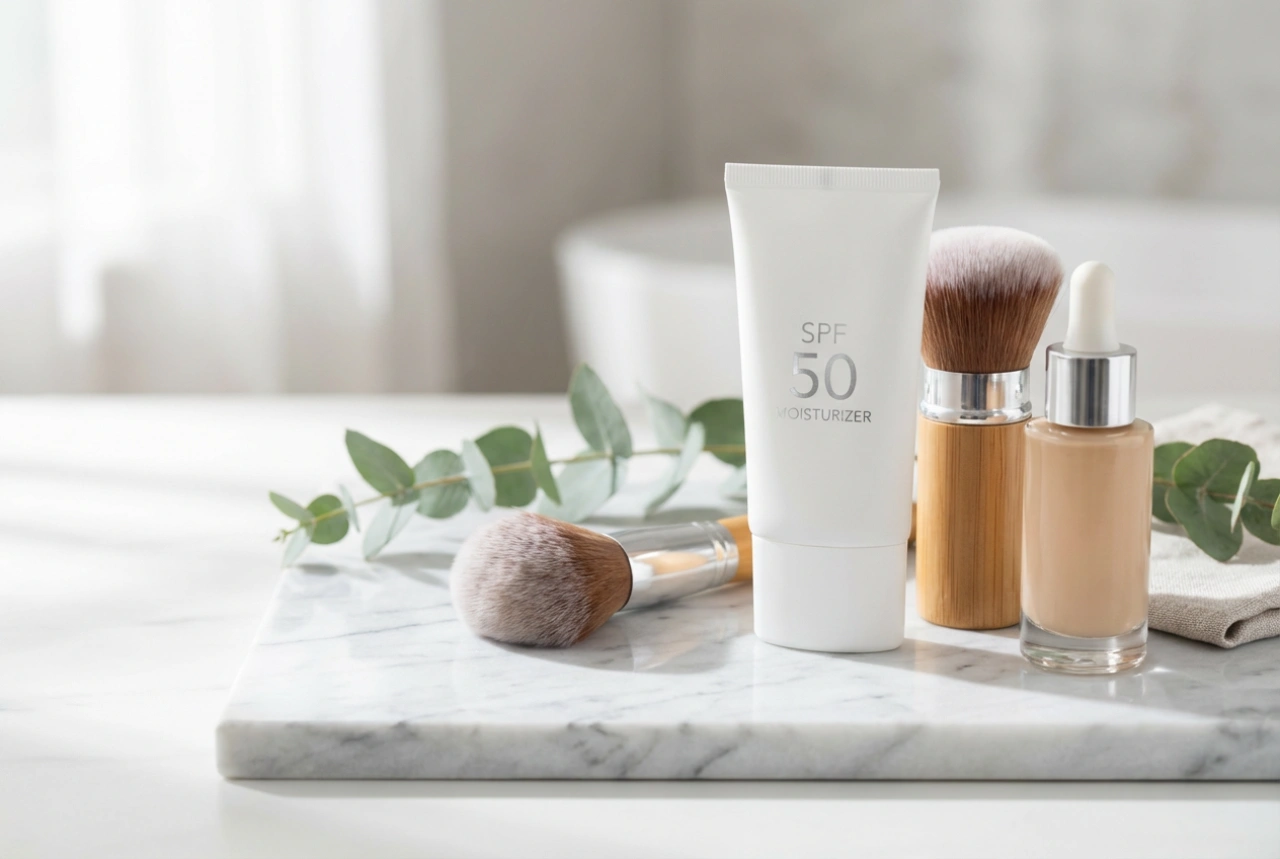
Avoid using physical face scrubs with coarse particles, as they cause micro-tears and trigger instant redness. Instead, rely on ultra-gentle, non-abrasive cleansing methods. Additionally, steer clear of skincare products containing high concentrations of drying alcohols, synthetic fragrances, or essential oils, which can easily sensitise delicate skin. Always protect your skin from the sun; UV rays are a major trigger for warmth and redness, so finishing your morning routine with a gentle, broad-spectrum sunscreen is a must.