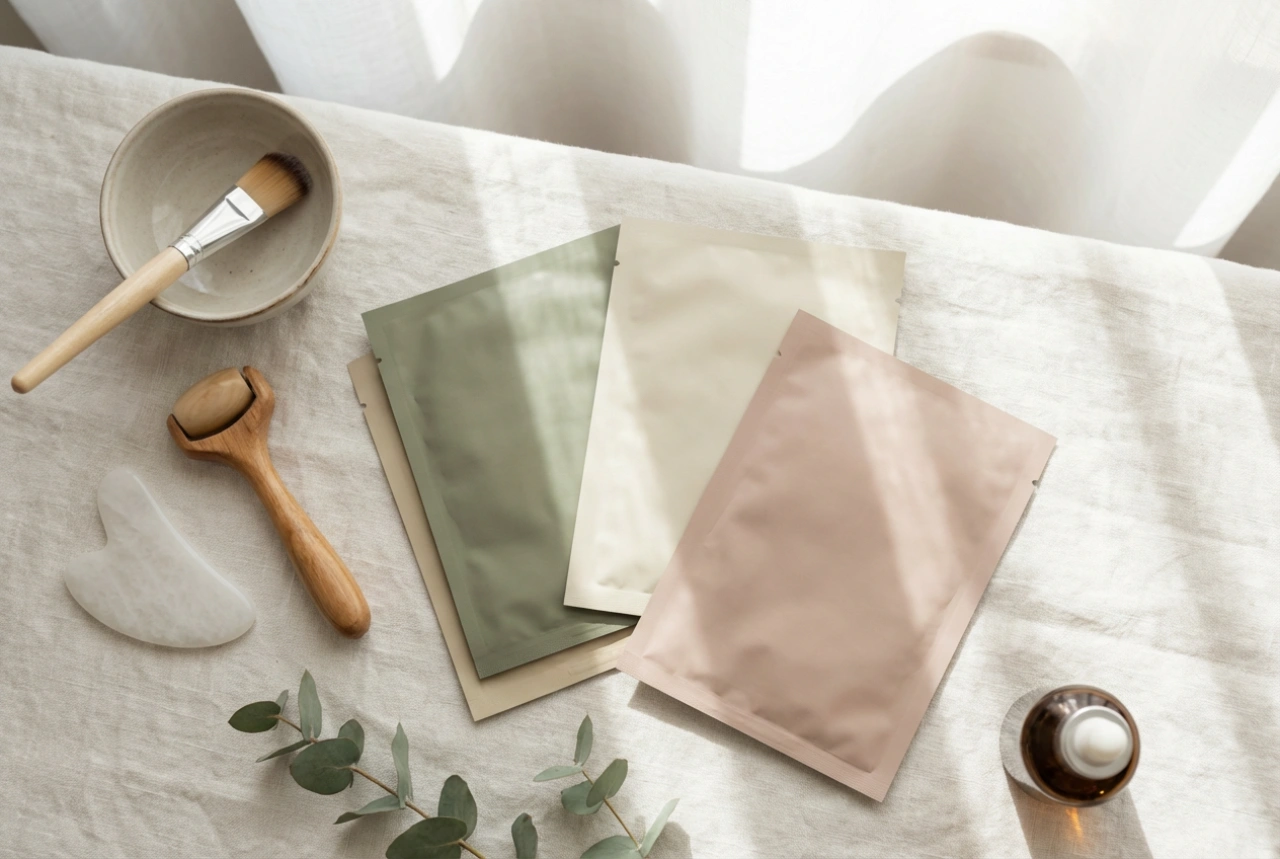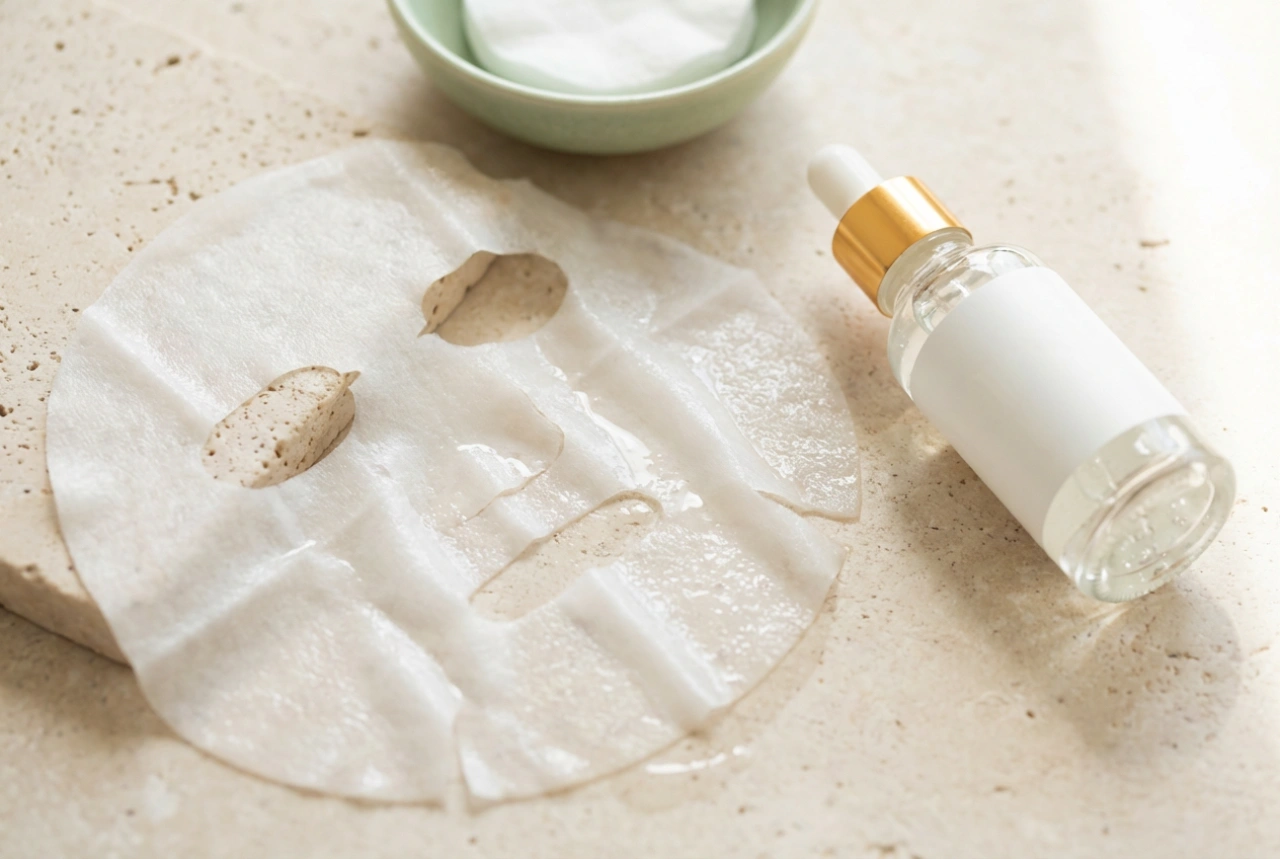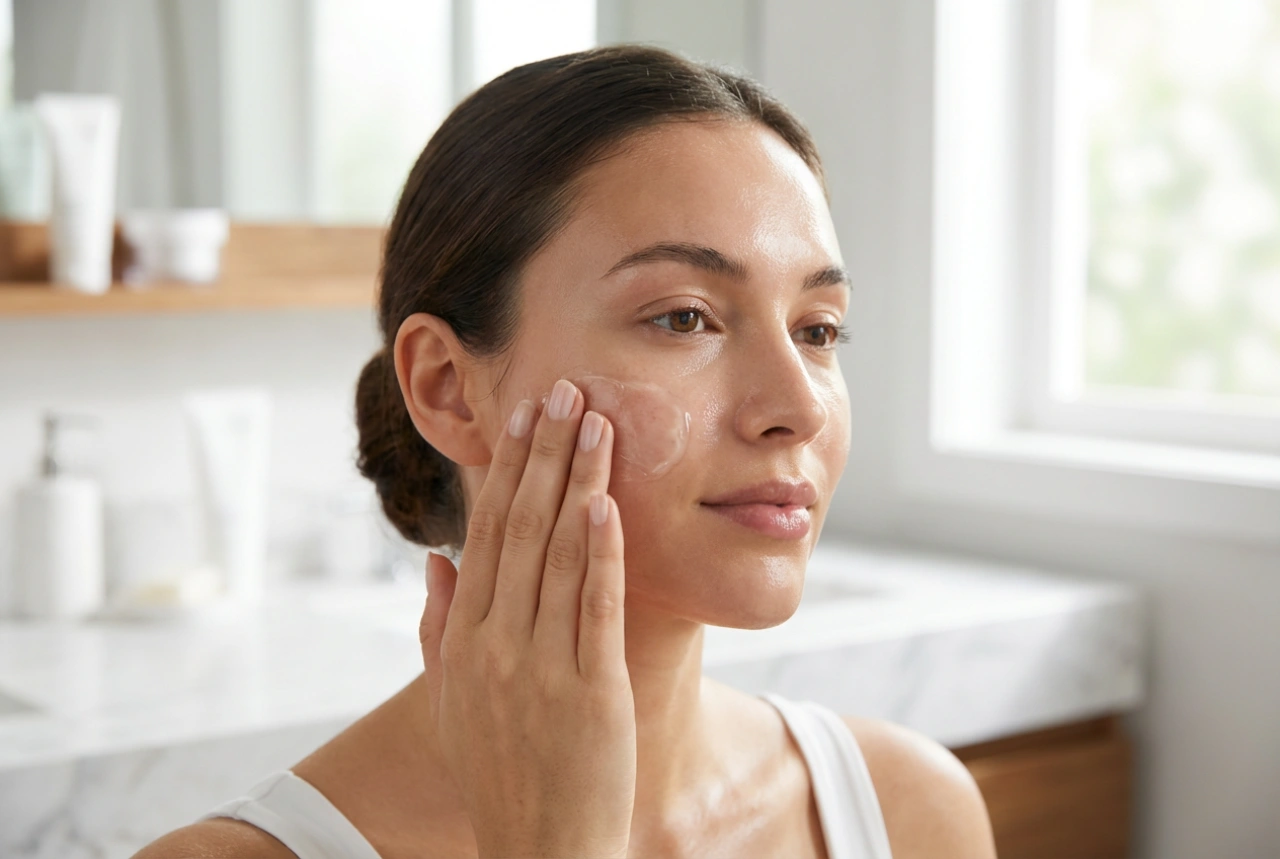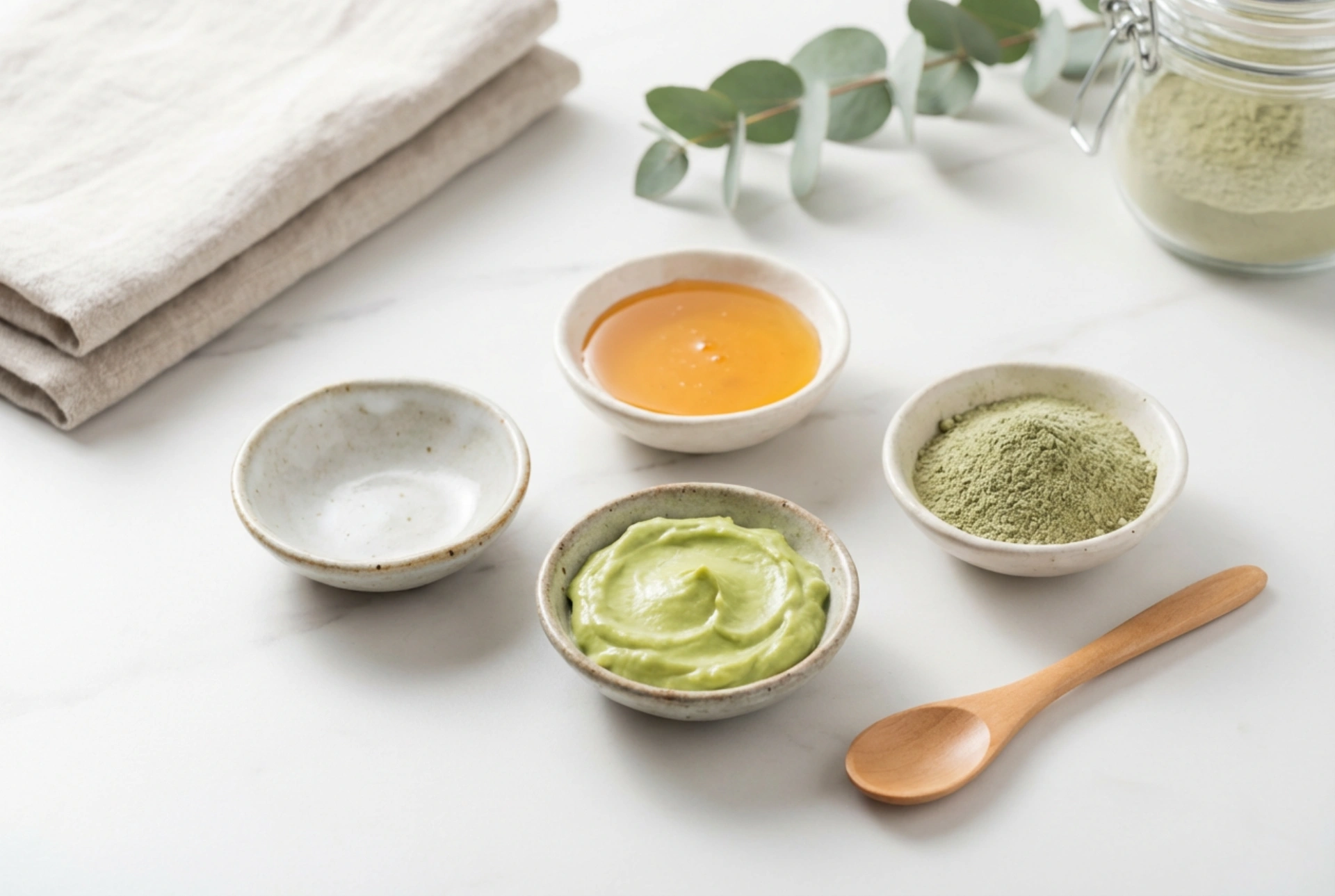


In our fast-paced daily lives, finding a moment for quiet self-care can transform both our state of mind and the appearance of our skin. There is a distinct, serene joy in preparing a fresh skincare treatment at home, using simple and wholesome ingredients. Imagine a clean, bright space where small ceramic bowls are filled with rich avocado, golden honey, and fine green clay. These elements, when combined with care, offer a gentle and natural approach to nourishing the skin without the need for complex chemicals or synthetic additives. Designing your own beauty ritual is not only cost-effective but also allows you to tailor every single ingredient to your skin’s immediate needs.
The Benefits of Homemade Face Masks
Using natural ingredients on the skin offers numerous advantages that align perfectly with a mindful beauty routine. When you prepare a mask at home, you have complete control over the purity of the ingredients. There are no hidden preservatives, synthetic fragrances, or artificial colourants that could potentially cause irritation. Fresh botanical extracts, plant oils, and natural humectants provide a wealth of vitamins and essential fatty acids directly to the epidermis.
Furthermore, the physical act of preparing and applying a mask encourages mindfulness. Taking fifteen minutes to relax while the ingredients work their magic is a wonderful way to reduce stress, which in itself is highly beneficial for maintaining a radiant complexion. It is a holistic approach to beauty that merges psychological well-being with physical nourishment.
Key Ingredients for DIY Skincare
To create an effective natural face mask, it helps to understand the unique properties of common pantry ingredients. By selecting the right base, you can address specific cosmetic concerns, from dryness to a lack of radiance.
- Honey: A natural humectant that draws moisture into the skin, leaving it incredibly soft and supple. It also possesses mild soothing qualities, making it ideal for delicate skin.
- Avocado: Packed with healthy monounsaturated fats and vitamin E, avocado is excellent for deeply nourishing dry or mature skin types, helping to restore the natural moisture barrier.
- Oats: Finely ground oatmeal acts as a highly soothing agent. It is perfect for calming minor redness and gently exfoliating dead skin cells when washed away.
- Cosmetic Clays: Green, pink, or white clays are wonderful for absorbing excess sebum and purifying the pores. They are best suited for oily or combination skin areas.
- Natural Yoghurt: Containing mild lactic acid, unsweetened yoghurt gently refines the skin's texture, offering a very mild brightening effect and a cooling sensation.
Simple Recipes to Try at Home
Creating these formulations requires no specialist equipment—just a small mixing spoon and a clean bowl. Here are three simple, safe, and balanced recipes designed for different skin needs.
The Nourishing Avocado and Honey Feast
This rich blend is perfect for dry skin in need of deep hydration and comfort. Mash one-quarter of a ripe avocado until completely smooth. Stir in one teaspoon of raw organic honey and half a teaspoon of cold-pressed almond oil. Mix until a creamy paste forms. Apply an even layer to your face, avoiding the immediate eye area, and leave it on for 15 minutes before rinsing with lukewarm water.
The Soothing Oat and Yoghurt Calm
For skin that feels slightly tight or sensitive, this cooling recipe provides instant comfort. Combine one tablespoon of finely ground colloidal oatmeal with one tablespoon of plain, unsweetened yoghurt. Add a few drops of rosewater for a delicate, natural scent. Let the mixture sit for a couple of minutes so the oats can soften, then apply gently to the face. Leave for 10 to 12 minutes, then rinse using circular motions for very light exfoliation.
The Purifying Clay and Floral Water Balance
If you wish to refresh and mattify your complexion, a simple clay mask is highly effective. Mix one tablespoon of fine green or pink clay with enough lavender or chamomile floral water to create a smooth, spreadable paste. Apply to the oilier zones of your face, such as the T-zone. It is crucial not to let clay masks dry out completely until they crack, as this can draw too much moisture from the skin. Rinse off while the clay still feels slightly tacky to the touch.
Rules for Flawless Application and Removal
To achieve the best results from your natural beauty ritual, following a few basic application rules is essential. Preparing your skin correctly ensures that the botanical nutrients can be absorbed effectively.
Firstly, always start with a clean face. Gently cleanse your skin to remove any surface dirt, makeup, or daily impurities. Applying a mask over unwashed skin can trap impurities and limit the efficacy of the ingredients. You may also wish to use a warm, damp cloth on your face for a minute beforehand to gently prepare the skin.
Secondly, use clean tools. If you are using a brush or a mixing spoon, ensure they are thoroughly washed. When applying the mask with your fingers, wash your hands first. Apply the mixture evenly, ensuring you avoid the sensitive areas directly around the eyes and lips where the skin is much thinner.
Lastly, pay close attention to the removal process. Never scrub your face harshly to remove a dried mask. Instead, splash your face with warm water or hold a warm, wet flannel over your skin for a few seconds to rehydrate the mixture, allowing it to wipe away effortlessly. Always follow up immediately with your favourite toner and moisturiser to lock in the hydration.
How to Integrate Natural Masks into Your Routine
Natural masks are a wonderful addition to a weekly beauty routine, but consistency is key to seeing lasting cosmetic benefits. For most skin types, enjoying a homemade mask once or twice a week is ideal. It is best not to overcomplicate things; observe how your skin responds to different ingredients and adjust your recipes accordingly. By treating these moments as a personal sanctuary, you can cultivate a beautiful, sustainable, and entirely natural approach to self-care.