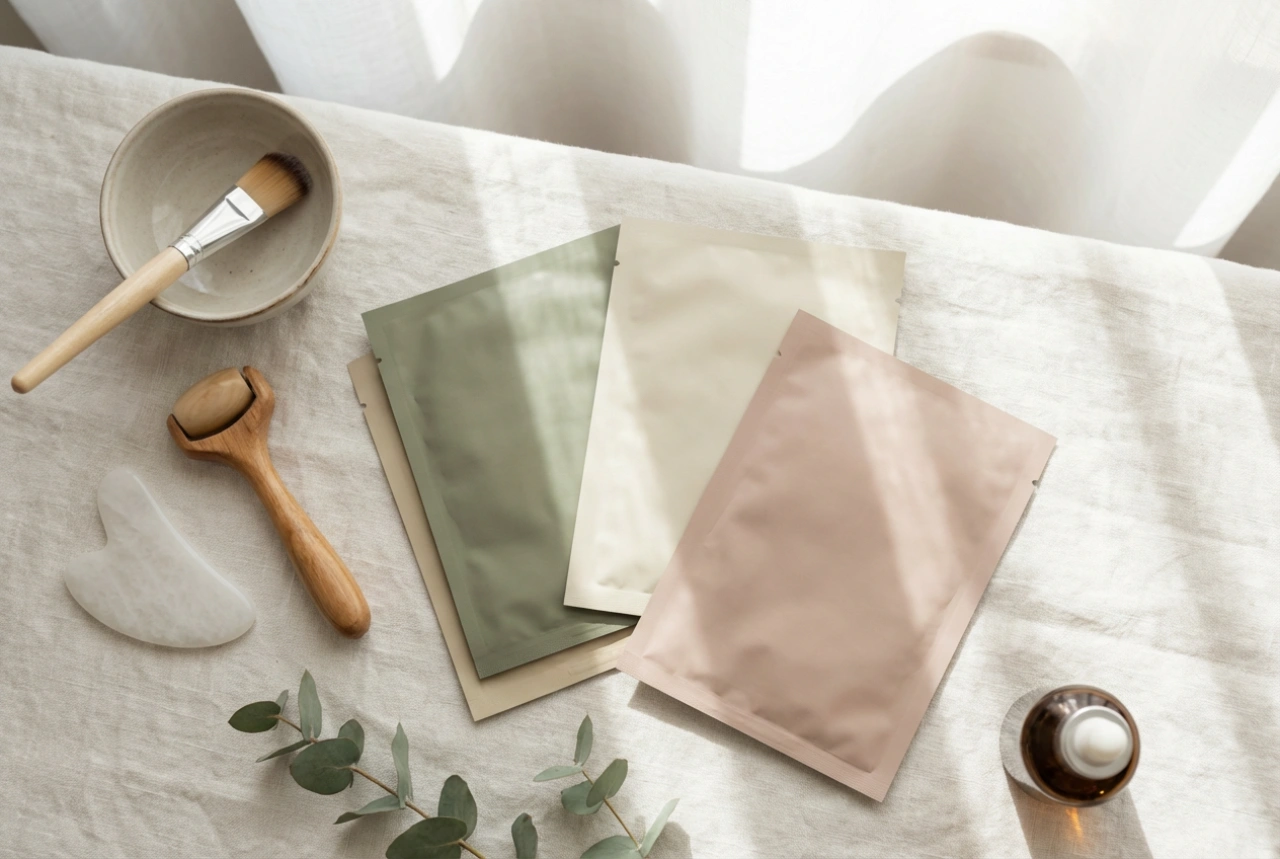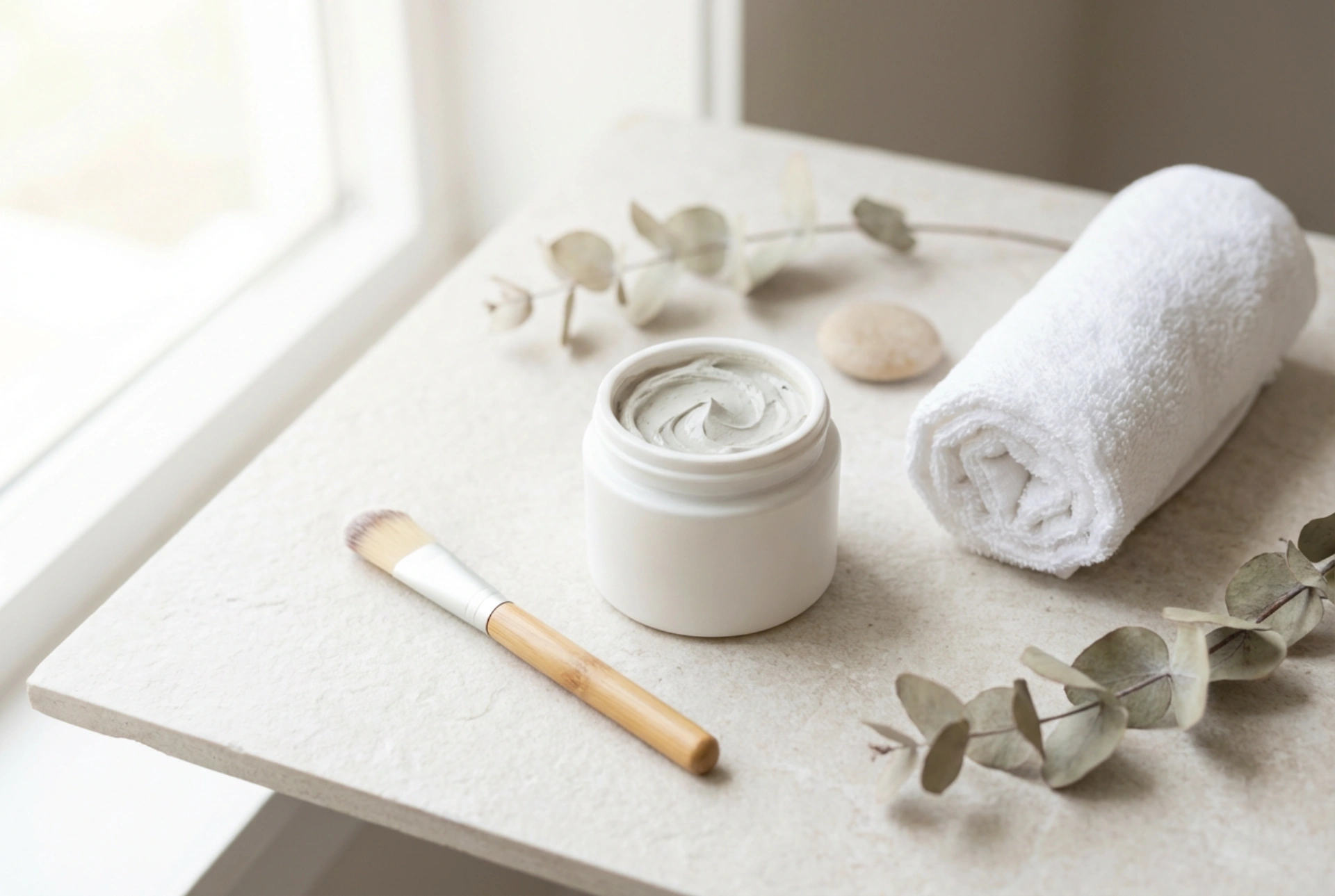


A quiet moment dedicated to skincare can transform an ordinary evening into a soothing, spa-like ritual. The simple sight of a minimalist jar filled with a smooth, white clay mask, paired with a soft application brush and a damp cloth, invites us to slow down and indulge in self-care. Face masks are incredibly popular cosmetic tools, celebrated for their ability to deliver concentrated active ingredients directly to the skin. However, to truly reap the benefits of these luxurious treatments, one must understand that proper application is just as important as choosing the right formula. For beginners, navigating the world of face masks can sometimes lead to simple mistakes that hinder the desired results.
Preparing Your Skin for a Mask
Before any product touches your face, proper preparation is essential. Applying a mask to skin that has not been thoroughly cleansed is one of the most common oversights. Throughout the day, the skin accumulates dust, impurities, and natural oils. If you apply a mask over this layer, the active ingredients cannot penetrate effectively, and you risk trapping impurities close to the skin surface.
To prepare your face, begin with a gentle cleanser suited to your skin type. Using lukewarm water is ideal, as excessively hot water can strip the skin of its natural moisture barrier, while cold water may not effectively dissolve oily residues. After rinsing, gently pat your face dry with a clean, soft towel. Some beauty enthusiasts prefer to leave the skin slightly damp, particularly when using hydrating masks, as this can help seal in extra moisture. Additionally, ensure that your application tools—such as a cosmetic spatula or a flat brush—are thoroughly washed and dried before use to maintain perfect hygiene.
The Technique of Flawless Application
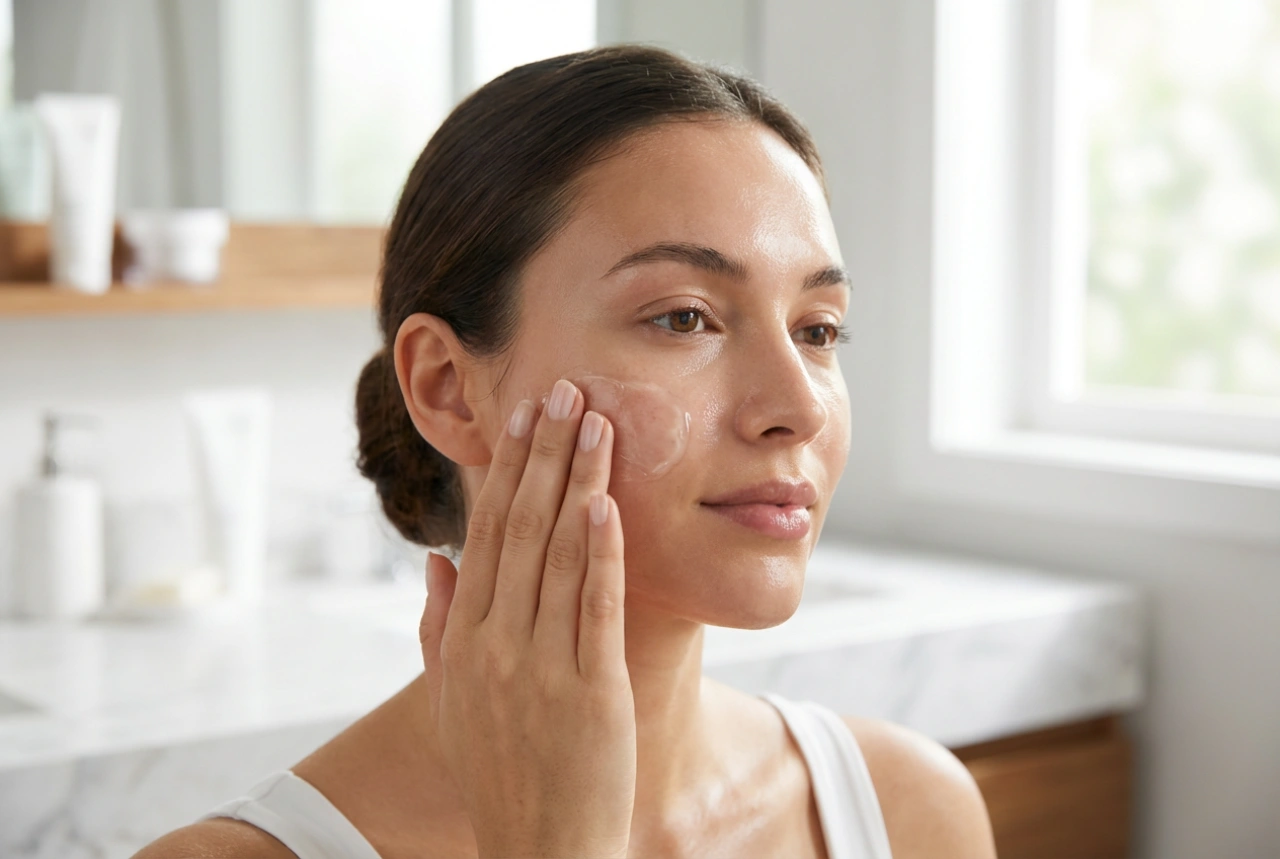
Using the correct application technique ensures even coverage and prevents product waste. While many people use their fingers, utilizing a dedicated synthetic brush offers a more hygienic and precise application. A brush allows you to spread the product evenly, reaching the contours of the nose and jawline without pulling on the skin.
Applying Clay and Cream Masks
When applying a clay or cream mask, aim for an even, medium layer. A layer that is too thin will dry out far too quickly, while a layer that is too thick will take an excessive amount of time to work, without offering any extra benefits. Always start from the centre of the face and work your outwards and upwards. Be sure to avoid the delicate skin around the eyes and lips, as these areas are much thinner and more prone to dryness or irritation.
Handling Sheet Masks
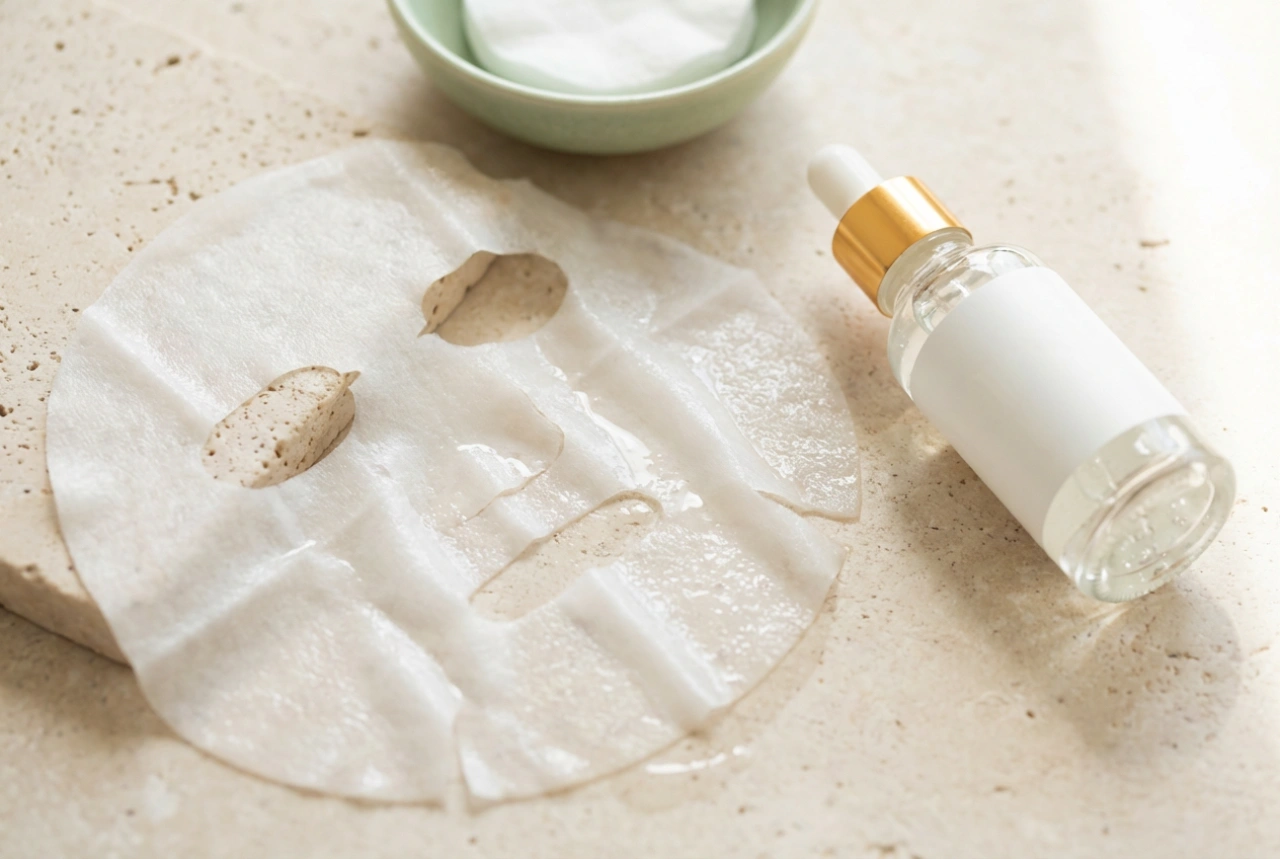
If you prefer sheet masks, the key is proper alignment. Gently unfold the mask and align it with your eyes, nose, and mouth first. Smooth the sheet outwards to eliminate air bubbles, ensuring maximum contact with your skin. Any excess serum left in the sachet can be gently massaged into your neck, decolletage, or hands so that no precious drop of product is wasted.
Common Mistakes Beginners Should Avoid
Even with the best intentions, it is easy to fall into certain habits that diminish the effectiveness of your skincare. By recognizing these common pitfalls, you can protect your skin barrier and enhance your overall results.
- Letting Clay Masks Crack: A very common misconception is that clay masks must dry until they are completely hard and cracked before they can be washed off. In reality, allowing a clay mask to reach this dry stage actually strips precious moisture from your skin. You should rinse the mask off when it is still slightly tacky to the touch and has changed colour slightly, but before it starts to flake.
- Leaving Masks on for Too Long: More is not always better. Keeping a mask on past the recommended time—especially overnight, unless it is specifically designed as a sleeping mask—can lead to dryness and unwanted congestion. Always follow the guidelines provided on the packaging.
- Neglecting Proper Hygiene: Dipping dirty fingers directly into a jar introduces bacteria into the product, which can compromise its shelf life and purity. Always use a clean spatula or brush.
- Over-exfoliating Beforehand: While a gentle exfoliation can prepare the skin for a mask, combining a harsh scrub immediately before a strong clarifying mask can oversensitise the skin, leading to redness and discomfort.
Gentle Removal and Post-Mask Care
Removing a mask requires just as much care as applying it. Avoid the temptation to vigorously scrub your face, as this mechanical friction can irritate the skin barrier. For cream or clay masks, the easiest method is to press a warm, damp cloth gently against your face for a few seconds to soften the product first. Once softened, the mask will glide away easily with minimal rubbing.
After removing the mask, always follow up with your regular skincare routine to lock in the benefits. Apply a gentle toner to balance the skin's surface, followed by a lightweight hydrating serum, and finish with a nourishing moisturiser. This final step is crucial to seal the moisture and active ingredients into your skin, leaving it feeling exceptionally soft, balanced, and rejuvenated.