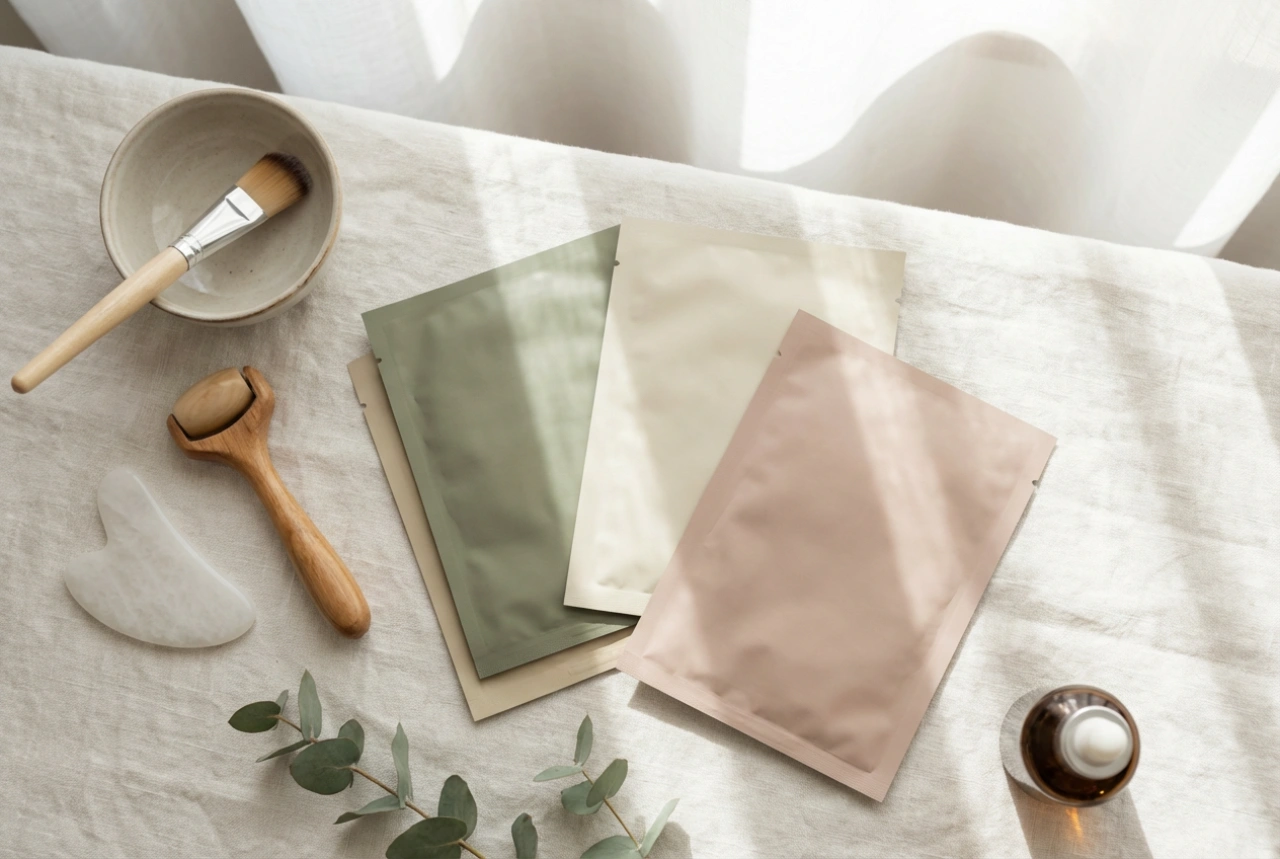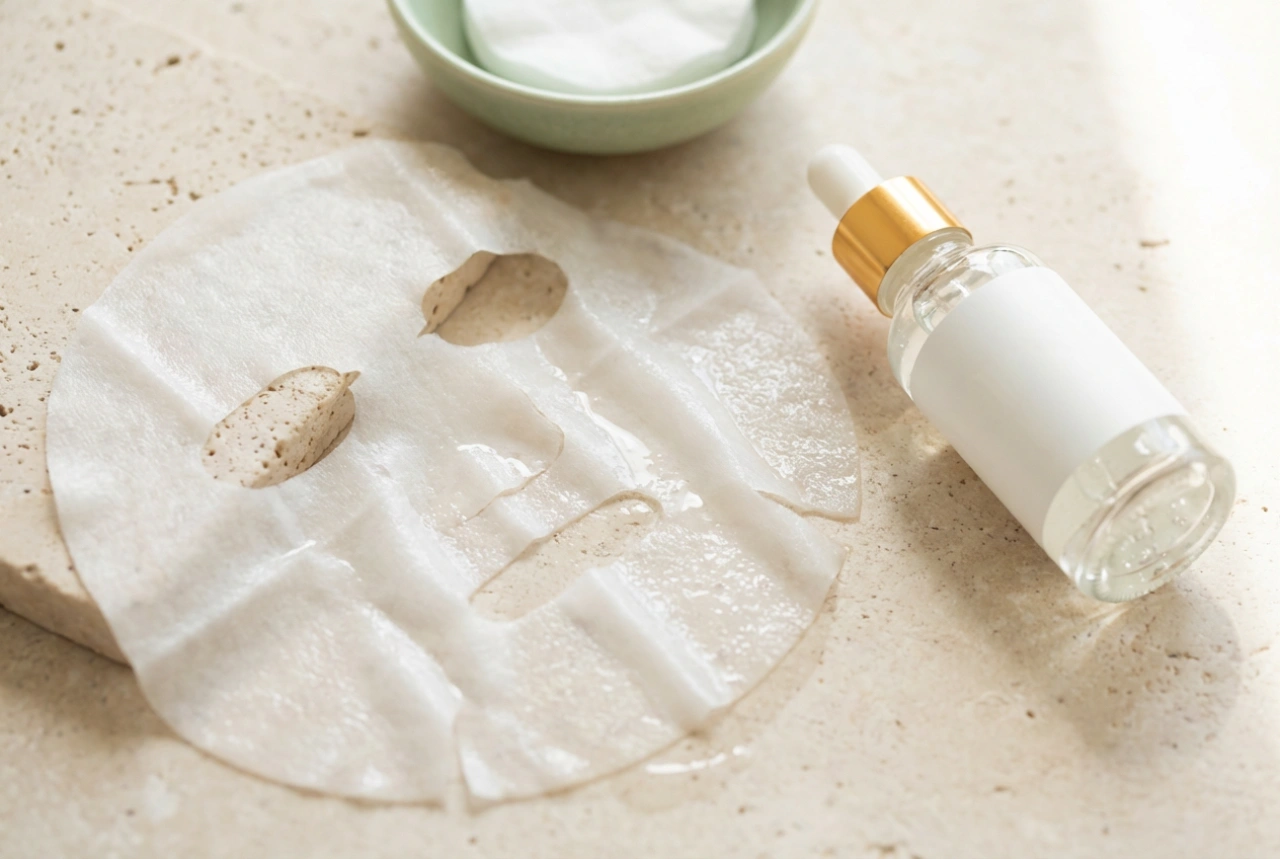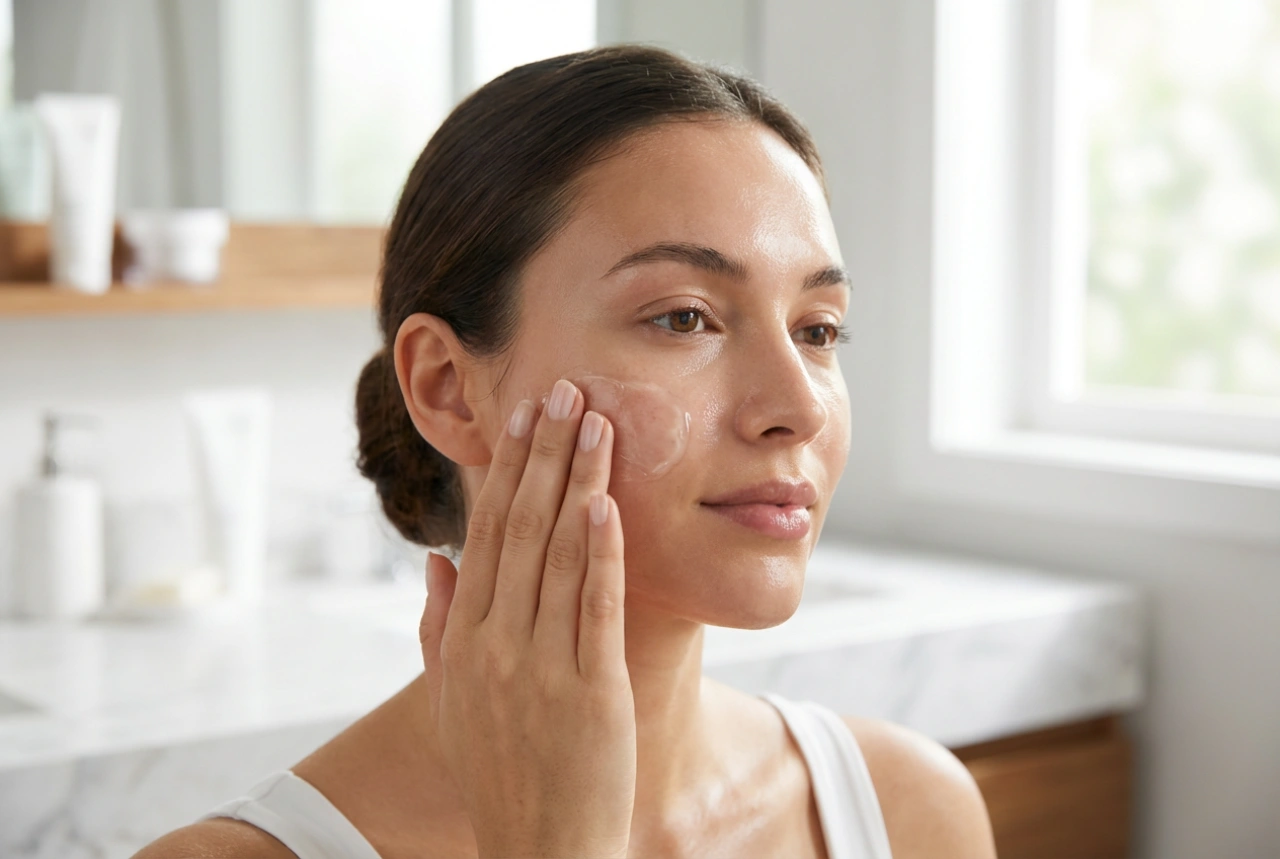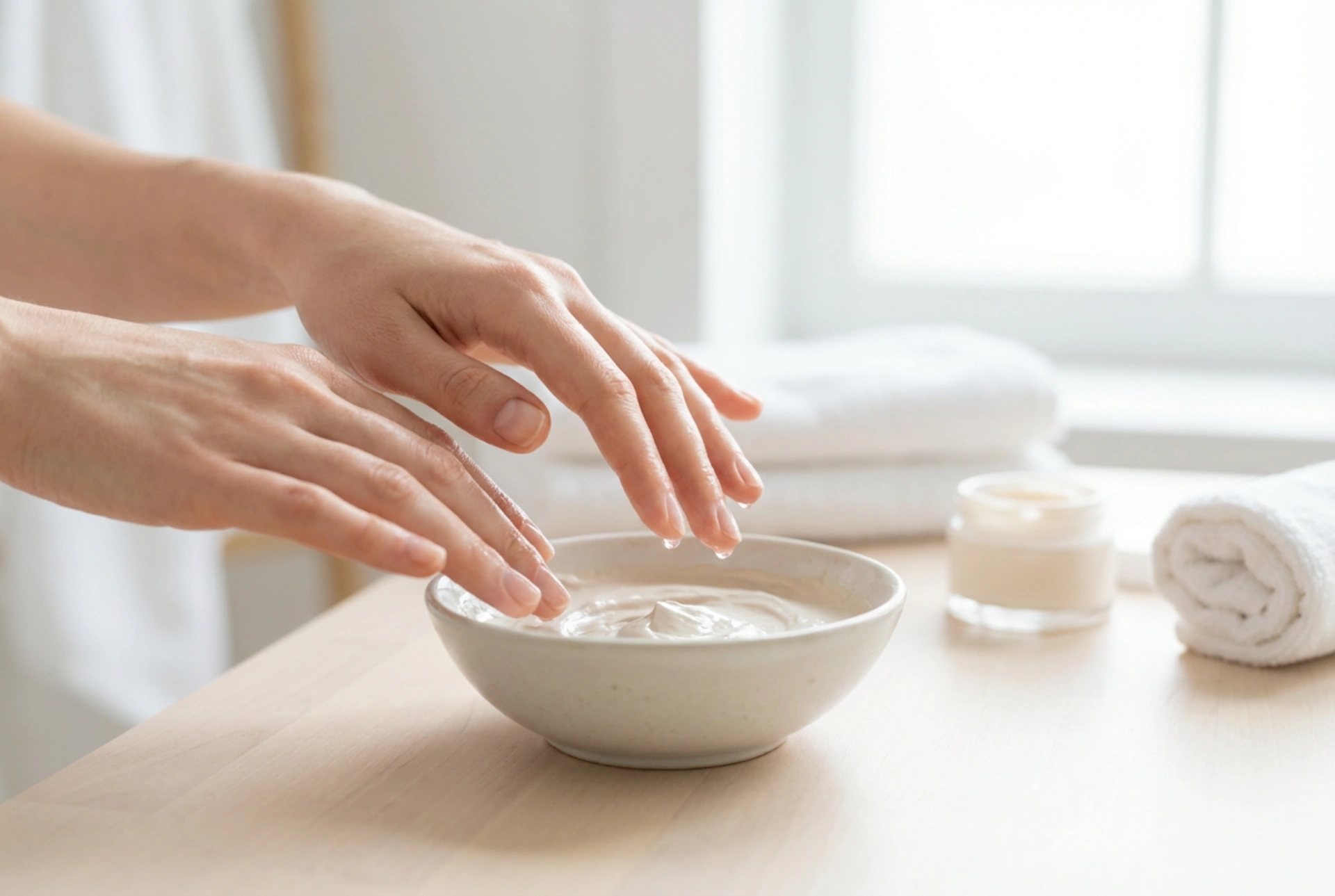


Clay masks have long been celebrated as a cornerstone of natural skincare, valued for their ability to cleanse, revitalise, and restore a healthy glow to the complexion. There is a peaceful, almost ritualistic joy in preparing a fresh, creamy bowl of natural clay, feeling its smooth texture, and applying it to the face in a quiet moment of self-care. However, many beauty enthusiasts avoid these mineral-rich treatments due to a common drawback: the tight, uncomfortable feeling of dry, parched skin post-application. Achieving a deeply purified complexion without stripping your skin of its vital moisture is entirely possible when you understand how to select the right clay type and master the art of proper application and removal.
Selecting the Perfect Clay for Your Skin's Needs
Not all clays are created equal, and choosing the one best suited to your specific skin type is the first step towards a hydrating, non-drying ritual. Clays differ in their mineral composition, which determines their strength and absorption capacity.
- White Kaolin Clay: Extremely gentle and mild, white clay is ideal for dry, sensitive, or mature skin. It gently lifts impurities without disrupting the natural lipid barrier.
- Pink Clay: A delicate blend of red and white clays, pink clay is perfect for normal or sensitive skin. It helps to refine skin texture and restore radiance without causing irritation.
- Green Clay (Illite or Bentonite): Rich in minerals, green clay has high absorbing power, making it excellent for oily, combination, and congested skin. It deeply cleanses the pores and balances excess sebum.
- Red Clay: Excellent for tired, dull, or couperose skin. Red clay improves skin tone and gently refreshes the face, lending it a healthy, natural glow.
The Three Phases of a Clay Mask: Why Drying Out Is a Mistake
A widespread misconception in skincare is that a clay mask must dry until it cracks before it is ready to be washed off. In reality, letting a clay mask dry completely does more harm than good to your skin barrier. Understanding the three phases of clay masking helps clarify why this happens:
- The Wet Phase: This is when your skin drinks in the beneficial minerals present in the clay.
- The Cool-Down Phase: As the mask begins to dry, it stimulates blood flow and contracts slightly, drawing out surface impurities and excess oil. This is the optimal time to remove it.
- The Dry Phase: If left to dry completely, the clay starts absorbing moisture directly from the deeper layers of your skin. This leads to dehydration, redness, and that familiar, uncomfortable tightness.
Practical Tips to Prevent Your Mask from Drying
To ensure your clay treatment remains a hydrating and nourishing experience, you can easily modify your application technique. One of the simplest methods is to regularly mist your face while wearing the mask. Using a gentle floral water, a soothing rosewater, or a simple thermal water spray keeps the clay active and wet, extending the mineral absorption phase without drying out the skin.
Another excellent trick is to enrich your clay mixture before application. When preparing your clay powder with water, stir in a few drops of a nourishing, non-comedogenic botanical oil, such as jojoba, squalane, or sweet almond oil. This small addition creates a beautifully creamy, velvety texture that stays moist on the skin much longer, providing a protective barrier that seals in hydration during the treatment.
How to Wash Off a Clay Mask Gently
Removing your mask should be as gentle as the application itself. Avoid scrubbing the skin with dry hands or rough towels, as this can cause micro-tears and unnecessary irritation. Instead, begin by splashing your face with lukewarm water to rehydrate the clay. Let the water soften the mask for a few moments, turning it back into a creamy paste.
Using your fingertips, gently massage your face in soft, circular motions to emulsify the clay. This action helps to gently sweep away impurities without friction. Once the clay has loosened completely, rinse your face thoroughly with plenty of lukewarm water. To complete the ritual, immediately pat your skin dry with a soft, clean towel and follow up with a hydrating toner and your favourite moisturiser to lock in the freshly restored hydration.