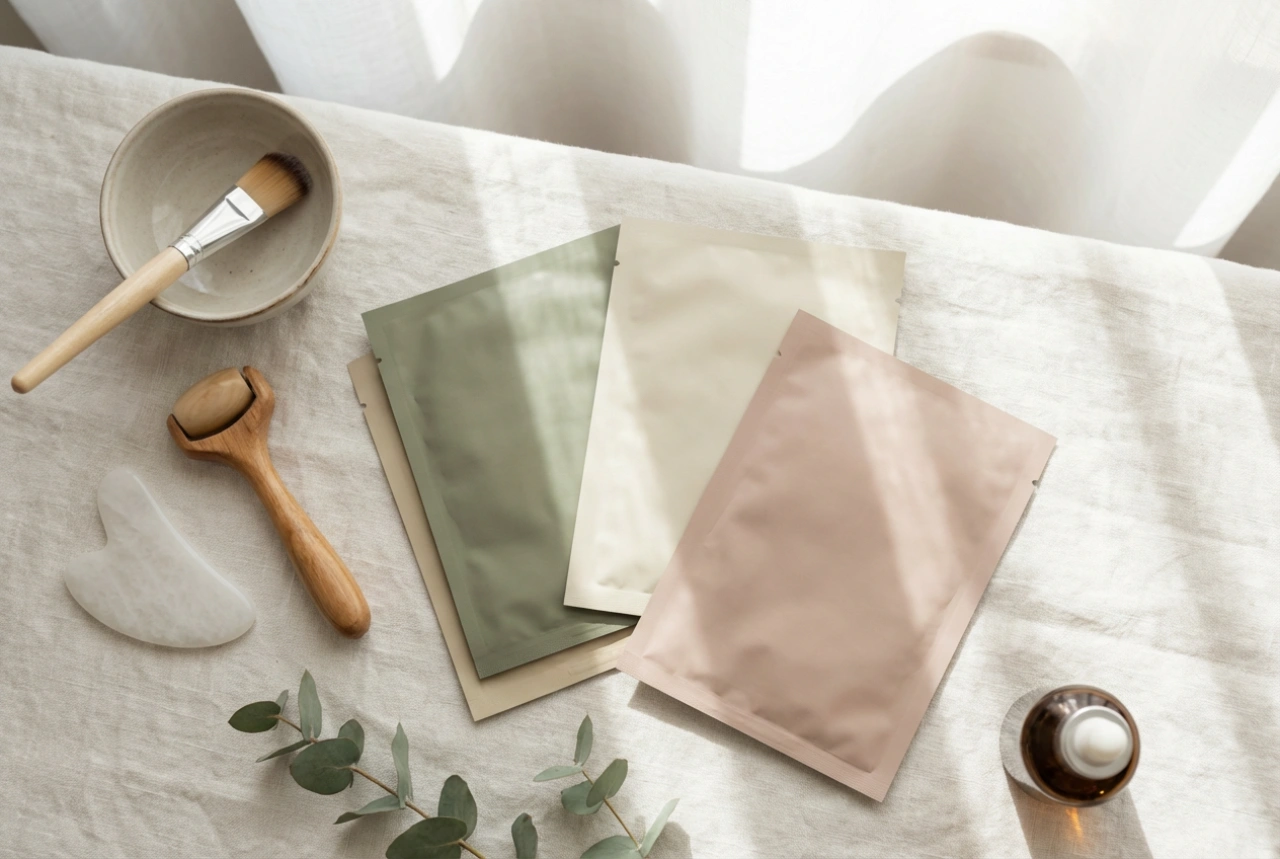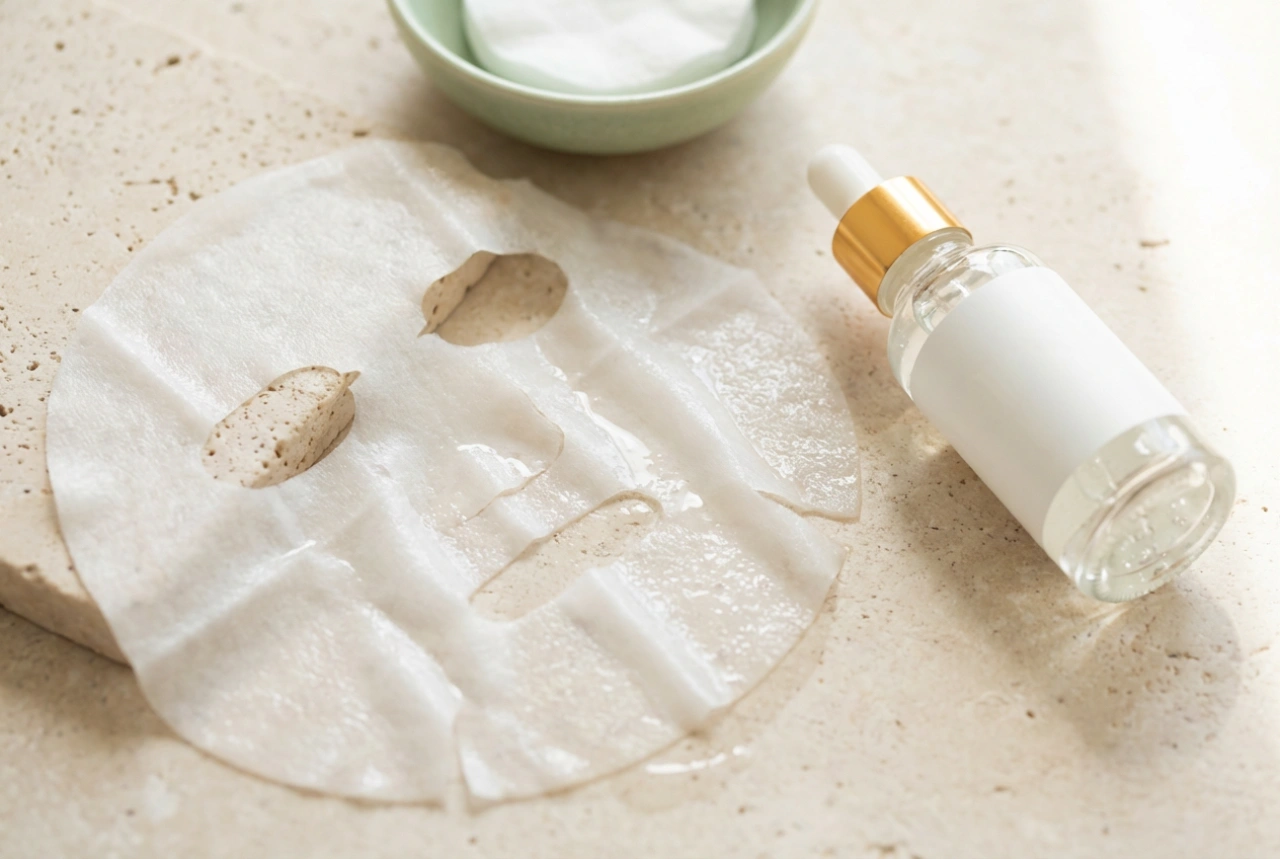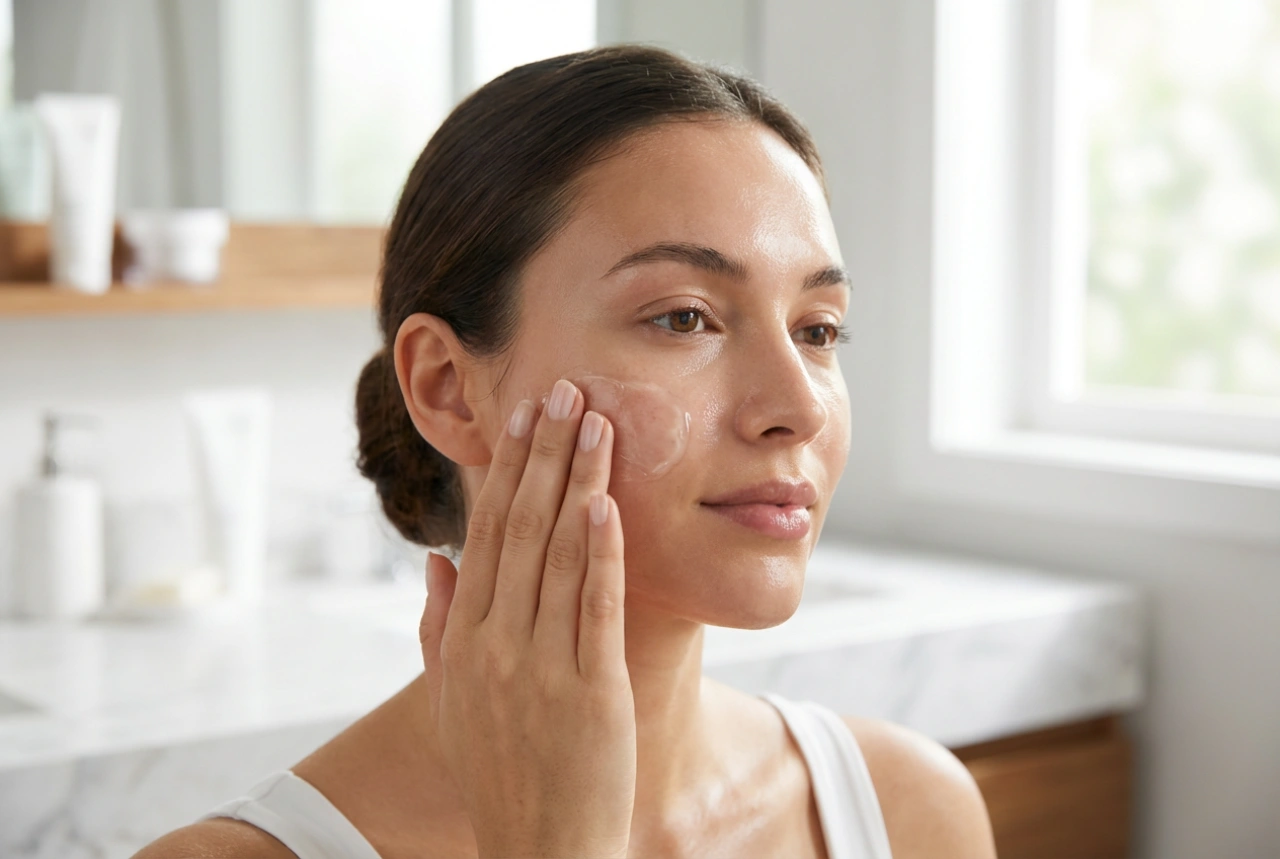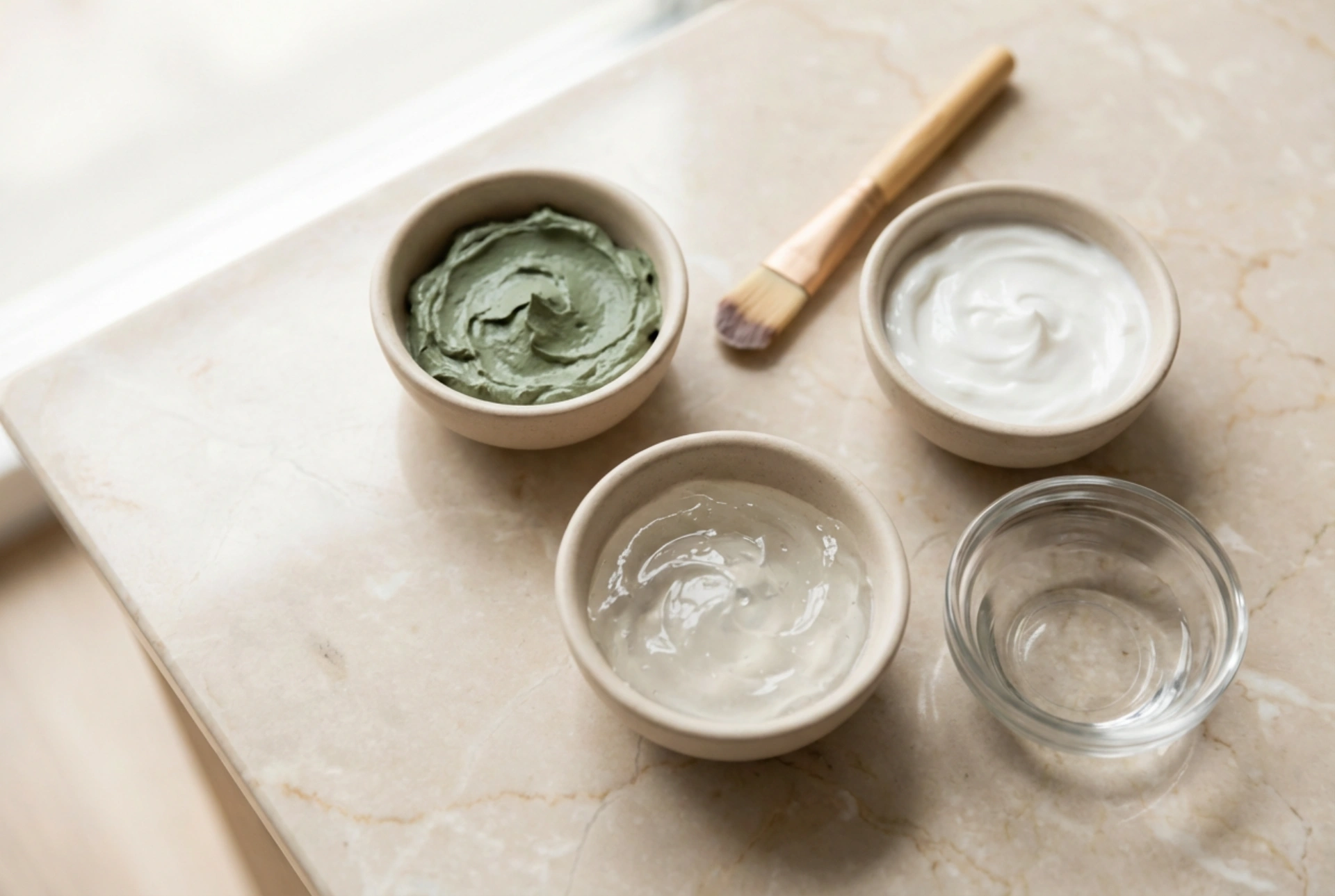


Achieving a radiant and balanced complexion often requires a tailored approach to skincare, as different areas of the face have distinct needs. When observing a collection of facial masks—ranging from purifying green clays and rich white creams to cooling, clear gels neatly arranged with an application brush—it becomes clear that customising your routine is the key to optimal skin health. Rather than relying on a single product for the entire face, combining different types of masks allows you to address multiple concerns at once. This practice, often referred to as multi-masking, offers a highly effective and relaxing home beauty ritual when done correctly.
Understanding the Concept of Multi-Masking
Multi-masking is the technique of applying different face masks to specific zones of the face at the same time. The skin on our face is rarely uniform; for instance, the T-zone (forehead, nose, and chin) tends to produce more sebum and is prone to congestion, while the cheeks and eye area are often drier and more delicate. By targeting these areas individually, you can deliver precise care without over-processing or stripping the skin.
To begin this personalised ritual, it is helpful to categorise your masks based on their primary functions:
- Purifying and clarifying masks: Typically formulated with natural clays or charcoal, these are ideal for absorbing excess oil and clearing impurities from congested areas like the T-zone.
- Hydrating and soothing masks: Often featuring gel or light cream textures, these products deliver intense moisture and calm the skin, making them perfect for dry cheeks, the temples, and the neck.
- Nourishing and barrier-supporting masks: Rich, emollient cream formulas that provide essential lipids and protect against environmental dryness, suitable for mature or exceptionally dry zones.
How to Correctly Combine Different Mask Types
Executing a successful multi-masking session requires a thoughtful approach to application. Instead of randomly spreading products, take a moment to assess your skin under soft, natural light. Identify which zones require purification, where hydration is lacking, and where gentle nourishment is needed.
Start by preparing your tools. Using a clean, flat application brush ensures an even layer and maintains hygiene, preventing the transfer of bacteria from hands to the product containers. Apply the purifying clay or charcoal mask strictly to the oilier areas, such as the nose and center of the forehead. Be careful to avoid the sensitive skin around the eyes.
Next, apply a hydrating gel or a comforting cream mask to the dry areas, such as the cheeks, jawline, and neck. If you have fine lines or dry patches around the outer eye area, a targeted, mild hydrating formula can be gently patted onto the orbital bone. By applying these formulas simultaneously, you ensure that each part of your face receives exactly what it needs for a balanced, harmonious glow.
In addition to simultaneous multi-masking, you can also practice sequential masking. This involves applying one mask, rinsing it off, and immediately following with another. For example, applying a gentle exfoliating mask first helps to sweep away dead skin cells, preparing the surface of the skin to absorb the active hydrating ingredients of a subsequent cream or gel mask much more effectively. When sequencing, always start with the most purifying or clarifying product and finish with the most nourishing or hydrating one.
Common Mistakes When Mixing and Applying Masks
While combining masks is highly beneficial, there are several common errors that can compromise your results or lead to temporary skin discomfort. Understanding these pitfalls will help you maintain a safe and effective routine.
1. Letting Clay Masks Dry Completely
One of the most frequent mistakes is allowing clay-based masks to dry until they crack and crumble. While it may feel like the mask is working harder, a fully dried clay mask actually draws essential moisture out of the skin, leading to dehydration and irritation. The ideal time to rinse off a clay mask is when it is still slightly tacky to the touch and has just begun to lighten in colour.
2. Overloading the Skin with Active Formulas
It can be tempting to use multiple powerful exfoliating or clarifying masks in a single session. However, overloading the skin with too many strong ingredients can disrupt the natural protective barrier. Ensure you balance any clarifying or exfoliating step with deeply hydrating and soothing formulas to keep the skin calm and resilient.
3. Ignoring Application Times
Different masks have different recommended wear times. A clay mask might only need ten minutes, while a hydrating gel mask can comfortably sit on the skin for twenty minutes. When multi-masking, you do not have to wash everything off at once. You can gently remove the purifying mask from your T-zone with a damp, warm cloth first, leaving the hydrating mask on your cheeks for a little longer to maximise its benefits.
Designing Your Weekly Masking Schedule
For the best results, consistency is key, but moderation is equally important. Incorporating a dedicated masking session once or twice a week is generally sufficient for most skin types. Creating a peaceful environment with a mixing bowl, clean brushes, and your selected formulas turns this skincare step into a mindful wellness practice.
Always conclude your masking ritual by thoroughly rinsing the skin with lukewarm water. Avoid hot water, which can strip natural oils and cause redness. Immediately follow up with your regular toner, serum, and moisturiser to lock in the hydration and protective benefits of your masks. By understanding how to harmonise different textures and formulas, you can easily elevate your home beauty routine and enjoy a healthy, balanced, and radiant complexion.
Hygienic practices are paramount when handling multiple skincare products. To prevent contamination of your jars, avoid dipping your fingers directly into the containers. Instead, use a clean spatula or spoon to transfer a small amount of each mask into a mixing bowl or onto a clean palette. Wash your application brushes thoroughly with warm water and a gentle cleanser after every use, allowing them to air dry completely. This simple habit keeps your skincare tools pristine and ensures that your weekly masking ritual remains a clean, safe, and highly beneficial experience for your skin.