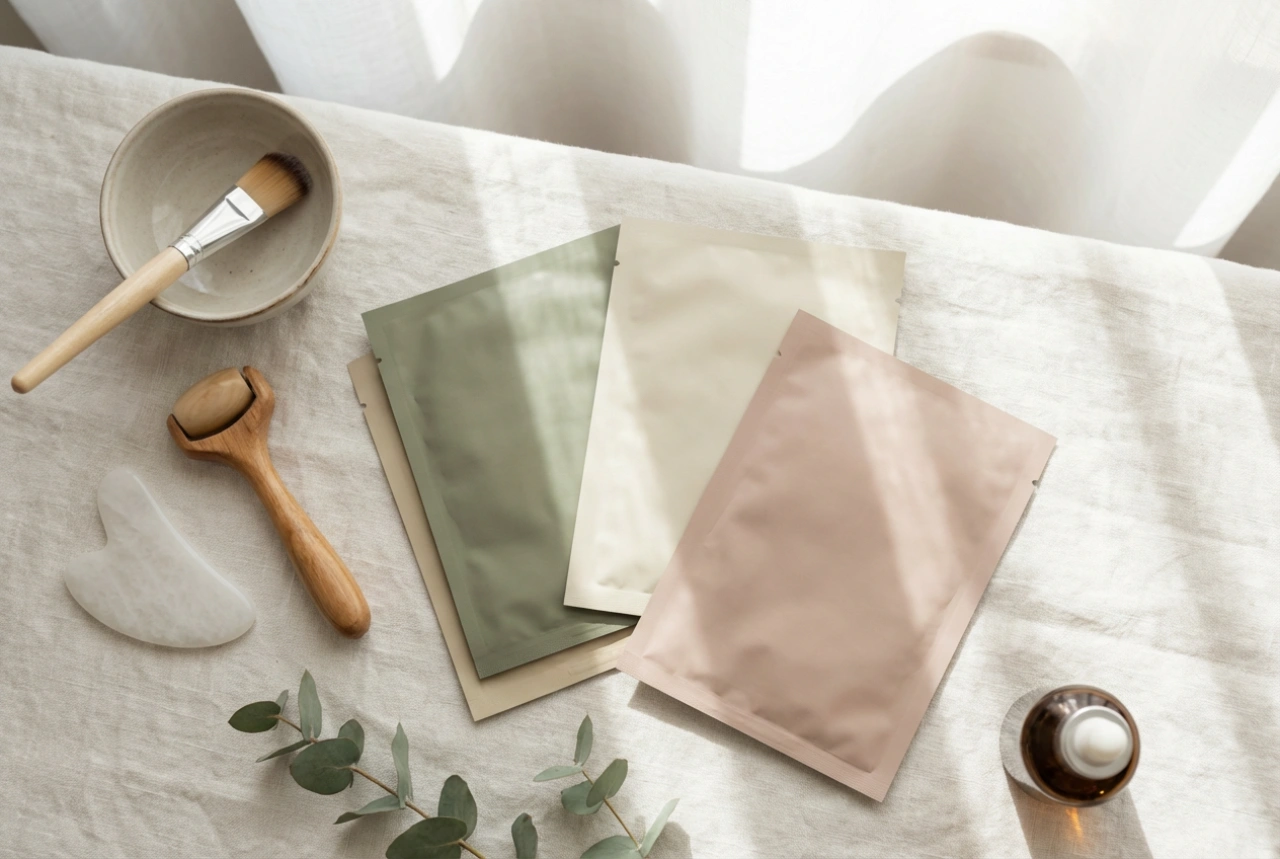


The visual of radiant, dewy skin with a fresh, plump appearance is the ultimate goal of modern cosmetic care. Attaining this level of glow often involves a dedicated, multi-step routine where intense hydration is prioritised. In the world of skincare, few ingredients are as universally celebrated for their hydration-binding capacity as hyaluronic acid. Incorporating a hyaluronic acid mask into your weekly regimen is an excellent way to deeply revitalise the skin barrier, creating a smooth and luminous finish that mimics the freshness of morning dew.
The Science of Hyaluronic Acid in Cosmetic Care
Hyaluronic acid is a naturally occurring polysaccharide found within the skin's structure. Its primary function is to retain moisture, holding up to a thousand times its weight in water. As we age or experience environmental stressors like dry air and heating, our natural reserves of this essential molecule can deplete, leading to a dull, dehydrated complexion. Applying a topical mask enriched with this humectant helps restore optimal hydration levels temporarily, plumping the outer layers of the epidermis and smoothing out fine dehydration lines.
When used in mask formulations, hyaluronic acid acts as a magnet for moisture. It pulls hydration from the environment and from the deeper layers of the skin, concentrating it at the surface. This creates an immediate softening effect, making it a staple for anyone wishing to revive tired, lacklustre skin without resorting to invasive procedures.
The Art of Layering: Maximising Mask Efficiency
To truly unlock the benefits of a hyaluronic acid mask, one must understand the principle of cosmetic layering. Simply applying a mask to dry skin may not yield the best results. Instead, integrating the mask into a systematic, multi-step routine ensures that the skin receives and retains every bit of nourishment.
Step 1: Gentle Cleansing and Toning
Before any treatment mask is applied, the skin must be thoroughly cleansed. Use a mild, non-stripping cleanser to remove daily impurities and sebum. Follow this with a hydrating, alcohol-free toner. Applying a toner while the skin is still damp creates a receptive base, allowing subsequent products to absorb more efficiently.
Step 2: Pre-Mask Serum Application
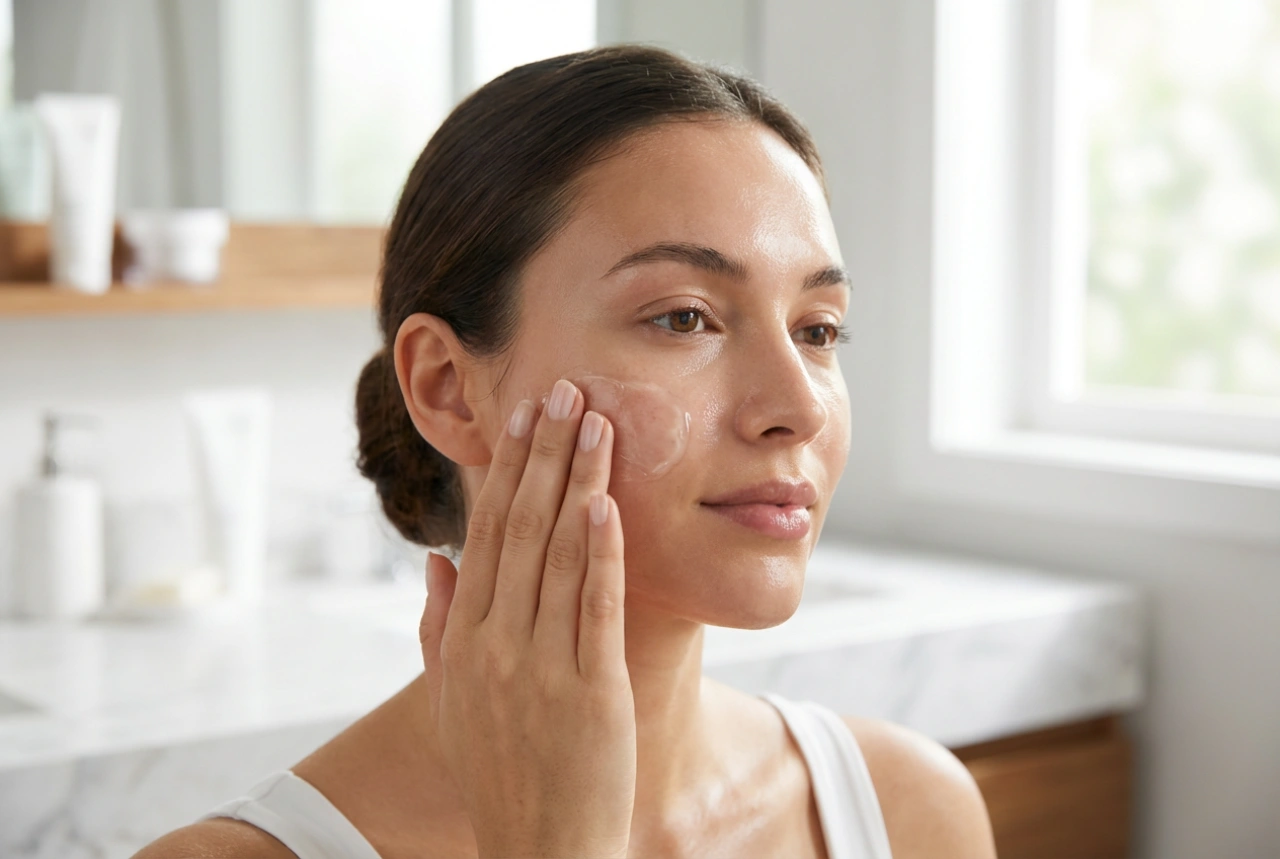
For an extra boost of hydration, consider applying a lightweight humectant serum before your mask. Applying a thin layer of a gentle serum can amplify the hydrating effects of the mask, layering different molecular weights of hydrating agents onto the skin surface.
Step 3: Applying the Hyaluronic Acid Mask
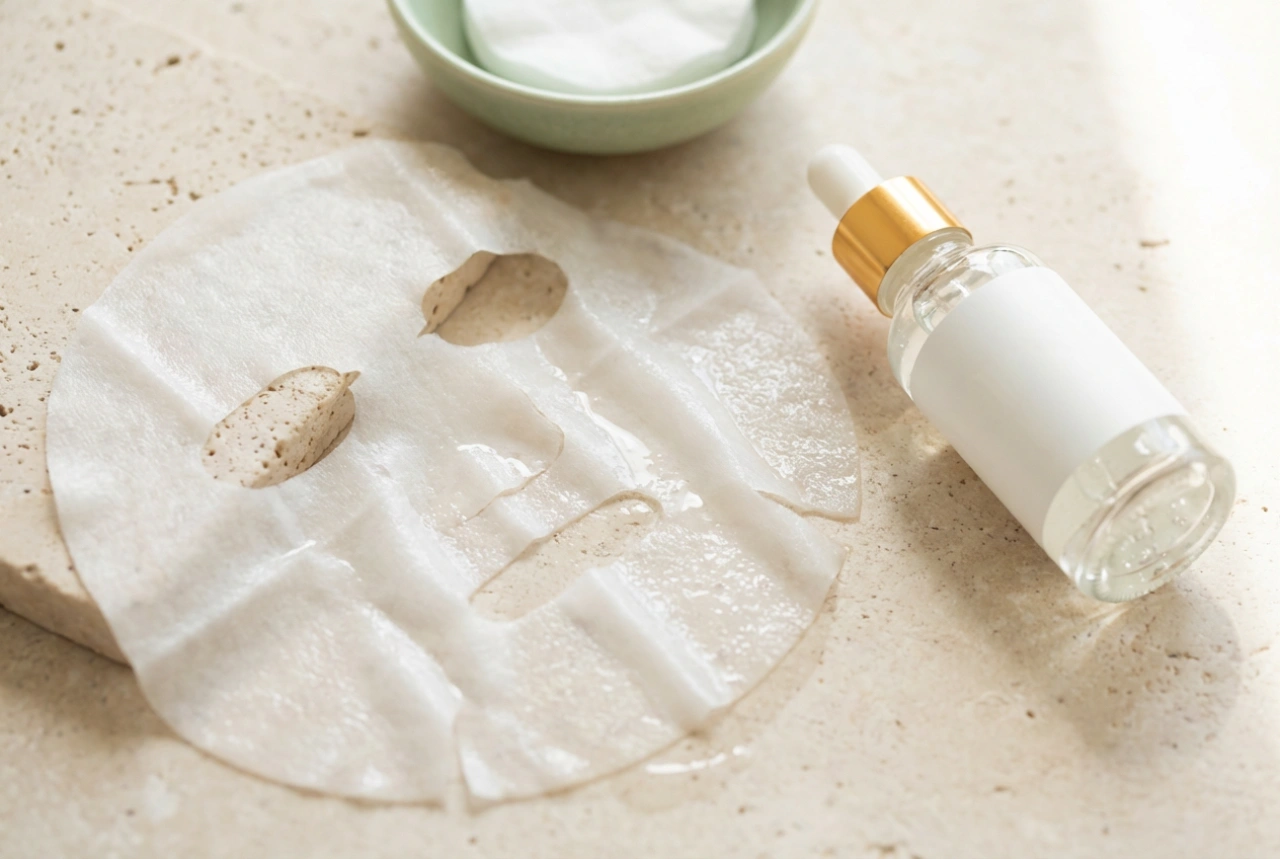
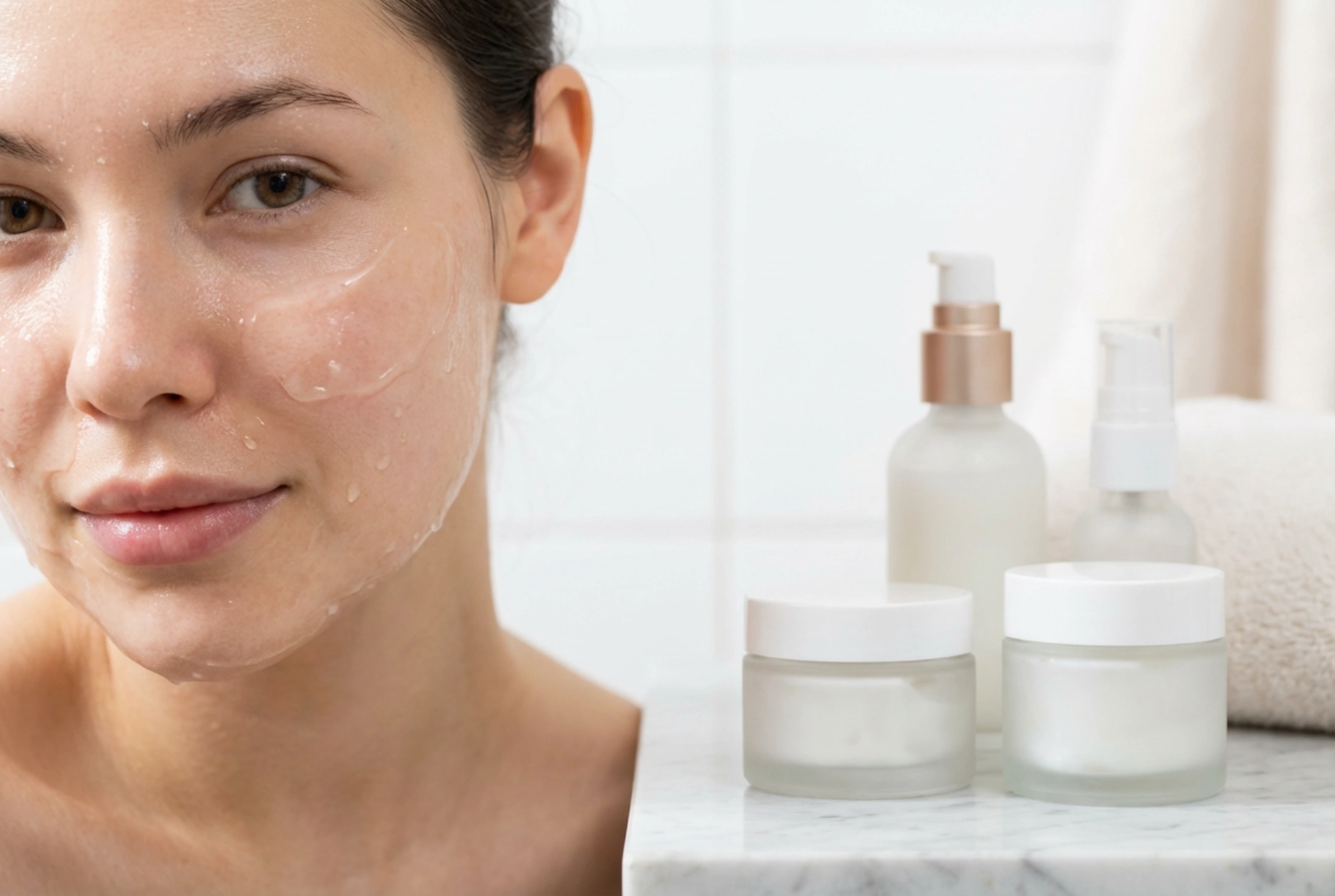
Whether you choose a cooling gel formula or a pre-saturated sheet mask, this is the core of your treatment. Gel masks offer a comforting, refreshing sensation that immediately calms the appearance of the skin. Leave the mask on for the recommended time—usually fifteen to twenty minutes—allowing the skin to drink in the moisture. Avoid leaving sheet masks on until they dry completely, as this can actually draw moisture back out of the skin.
Step 4: Sealing with an Occlusive Layer
This is perhaps the most crucial step in the layering process. Hyaluronic acid binds water, but without a protective barrier, that water can easily evaporate into the air through a process known as transepidermal water loss. Once you have removed or rinsed your mask, immediately apply a nourishing moisturiser containing emollient ingredients. This seals the hydration inside, ensuring your skin remains plump and soft for hours to come.
Choosing the Right Mask Texture for Your Routine
Hyaluronic acid masks come in various textures, each suited to different preferences and skin types. Understanding these options helps tailor your routine to your specific cosmetic needs.
- Translucent Gel Masks: These are incredibly lightweight and provide an instant cooling effect. They are ideal for warm weather or after a long day, offering a splash of freshness that revives dull complexions.
- Sheet Masks: Often made of biodegradable fibres, sheet masks act as a physical barrier, preventing evaporation while the skin absorbs the serum. They are convenient and perfect for a quick self-care session.
- Overnight Sleeping Masks: Designed to be left on while you sleep, these masks work alongside the skin's natural nocturnal regeneration cycle. They are usually richer in texture and provide prolonged hydration throughout the night.
Tips for a Safe and Universal Hydration Routine
Achieving radiant skin is about consistency and gentle care. When using hydrating masks, keep these simple, universal tips in mind to maintain a healthy-looking complexion:
- Apply to Damp Skin: Humectants work best when there is moisture nearby to grab onto. Always apply your mask and subsequent skincare to damp skin for maximum efficacy.
- Avoid Extremes: Do not wash your face with hot water before or after masking, as this can strip the skin of its natural lipid barrier and cause dryness. Lukewarm water is always best.
- Consistency is Key: Using a hydrating mask once or twice a week as part of your regular home care routine is far more effective than sporadic treatments.
- Listen to Your Skin: Adjust the frequency of your masking routine based on seasonal changes. Your skin may require more frequent hydration during dry winter months compared to the humid summer.
By adopting a thoughtful layering approach and prioritising deep, barrier-friendly hydration, you can easily replicate the fresh, luminous appearance of a professional facial at home. A simple hyaluronic acid mask, when used correctly, is a powerful tool in any universal beauty regimen, leaving your skin looking visibly plump, healthy, and beautifully radiant.