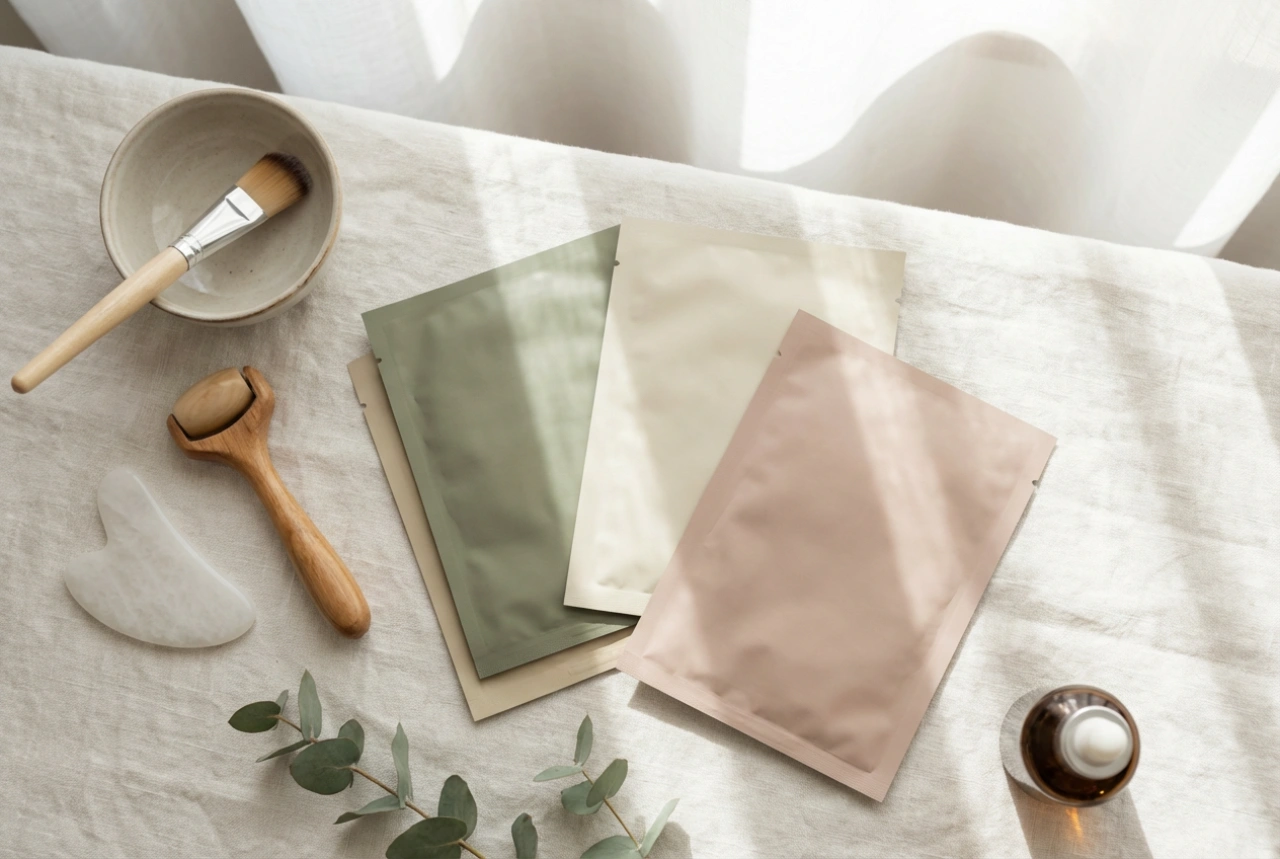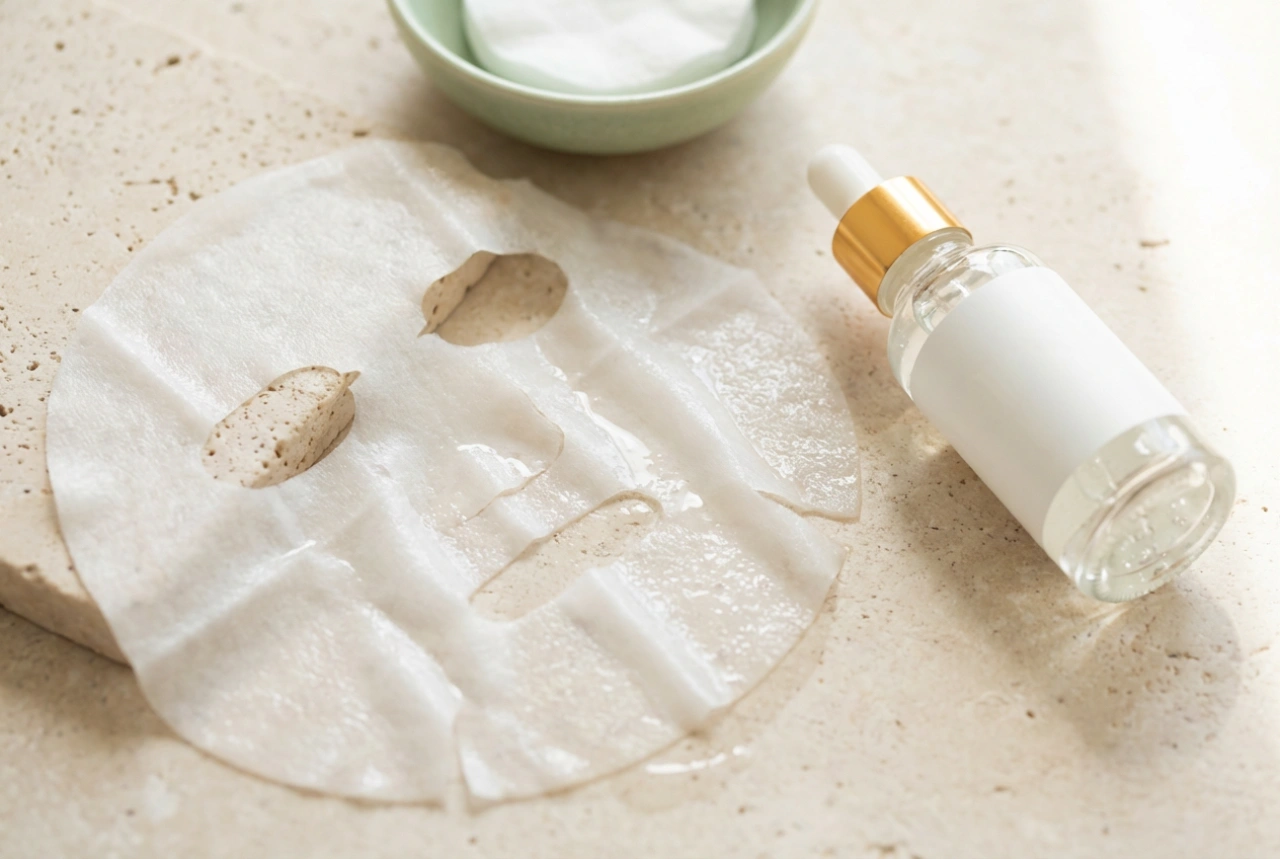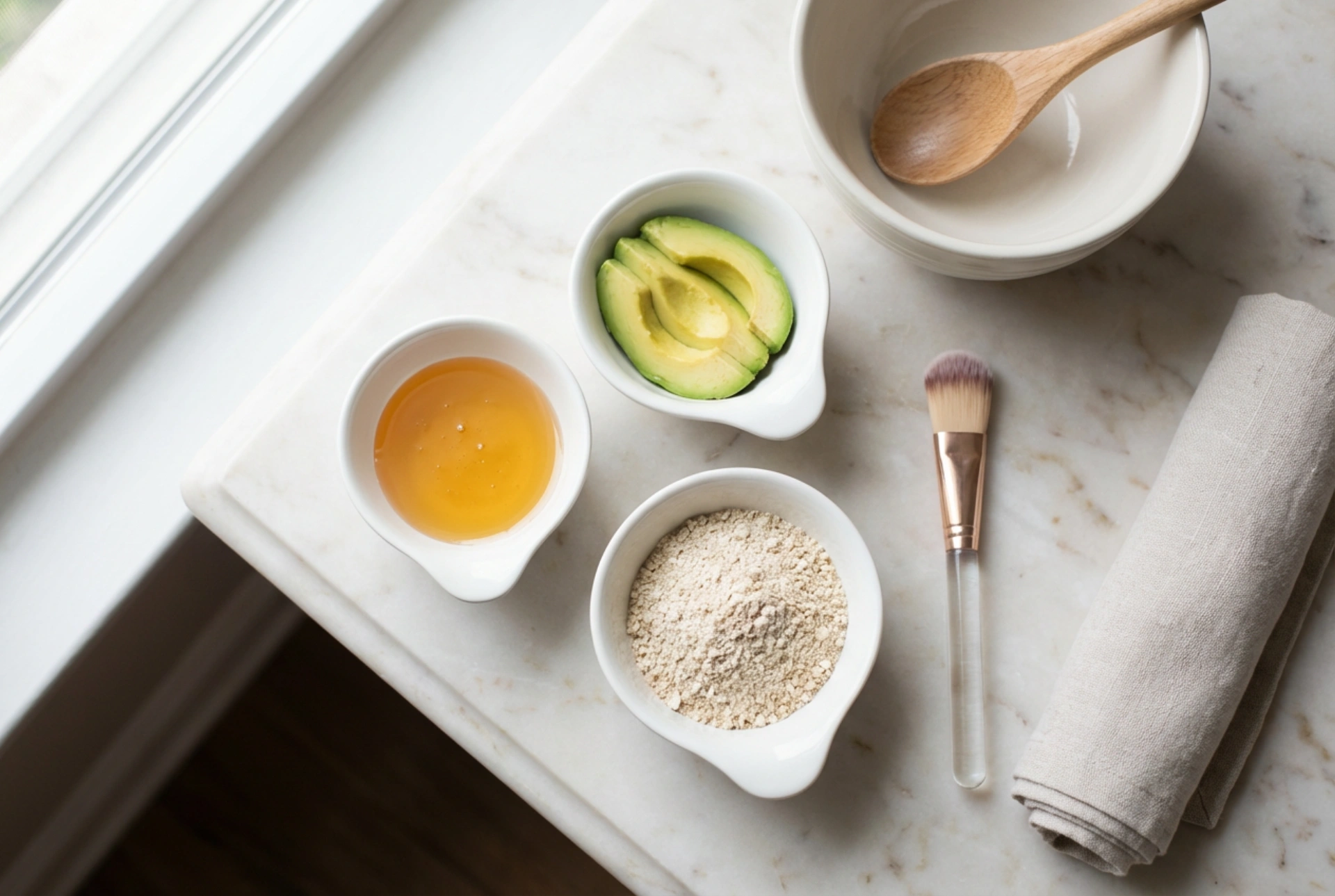


Creating a serene, spa-like experience at home has become a cherished ritual for many beauty enthusiasts. Visualising a clean, minimalist surface adorned with small, elegant bowls of fresh honey, rich avocado, and finely ground oats immediately evokes a sense of peace and natural care. Incorporating homemade face masks into your weekly self-care routine is an excellent way to nourish the skin using simple, wholesome ingredients. However, to truly benefit from these natural treatments, it is essential to approach the process with a sense of organisation and mindfulness, turning a potentially messy task into a seamless, therapeutic practice.
The Art of Organising Your DIY Skincare Space
Before embarking on any homemade skincare routine, the environment in which you prepare your treatments plays a crucial role in the overall experience. A disorganised space can lead to stress, spills, and cross-contamination of ingredients. Establishing a dedicated area on a clean, light-coloured surface helps set a calm tone. Keeping a set of small, aesthetic mixing bowls, a delicate application brush, and measuring spoons specifically for your skincare preparations ensures that everything remains hygienic and readily accessible.
Preparing your ingredients beforehand is equally important. When you have fresh honey, mashed avocado, or ground oats pre-measured in individual bowls, you can easily blend them without interrupting the flow of your routine. This level of preparation not only makes the application process more enjoyable but also prevents the common issue of ingredients spoiling or being wasted due to poor timing.
How to Structure a Weekly Mask Routine
Consistency is key when it comes to experiencing the full benefits of natural skincare. Rather than applying masks sporadically, integrating them into a structured weekly routine yields much better results. For most skin types, incorporating a homemade mask once or twice a week is ideal, as this prevents over-stimulating the skin barrier.
- Assess your skin's needs: Look at your skin at the start of each week to determine what it requires. Is it feeling slightly dry from the weather, or does it need gentle soothing after a busy week?
- Select compatible ingredients: Opt for simple, nourishing elements. Ground oats are wonderful for gentle physical softening, honey provides natural hydration, and avocado offers rich, comforting lipids.
- Schedule your ritual: Choose a quiet evening when you can leave the mask on undisturbed for ten to fifteen minutes, allowing yourself to fully unwind while the ingredients work.
Common Mistakes to Avoid in Homemade Masking
While DIY skincare is highly customisable and enjoyable, certain pitfalls can hinder your results or even cause mild irritation. Awareness of these common errors is essential for keeping your home treatments safe and effective.
Applying Masks to Dirty Skin
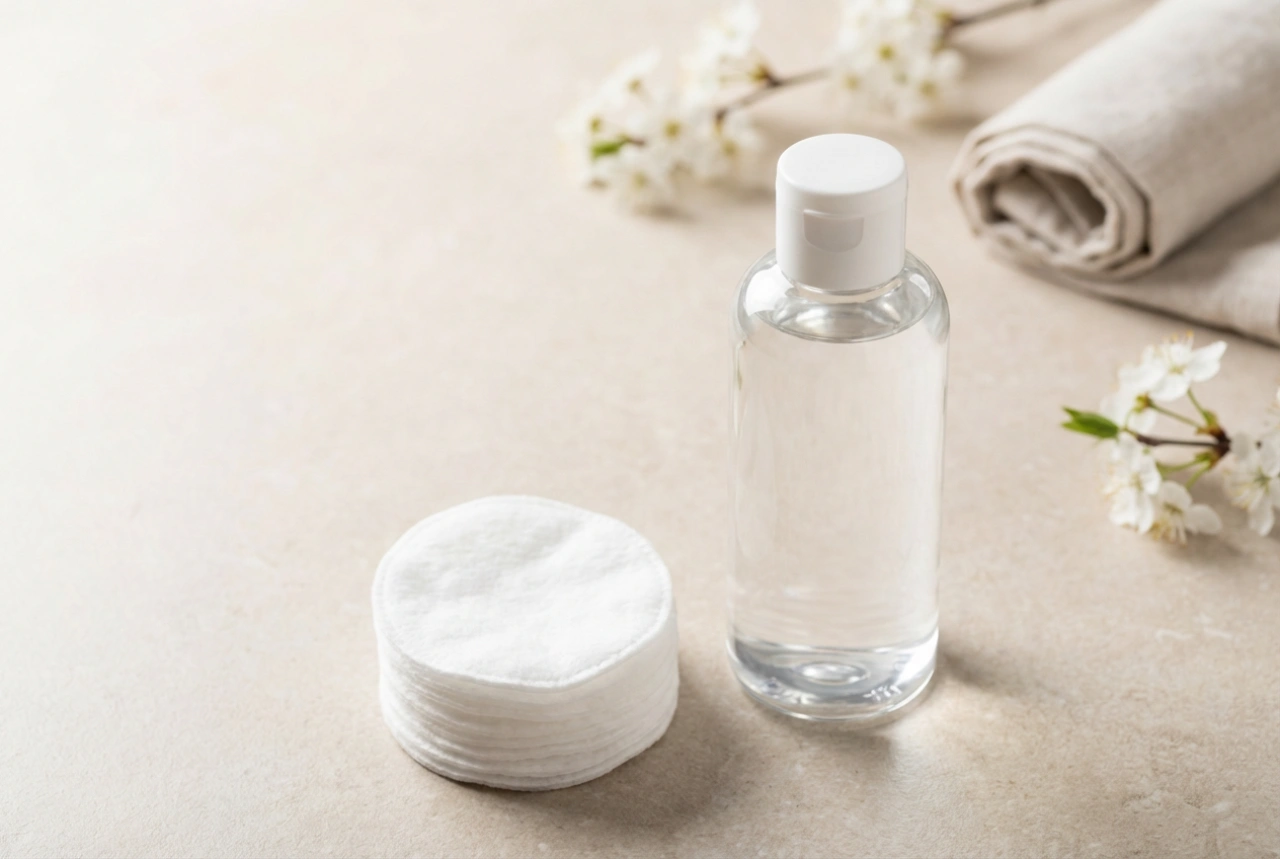
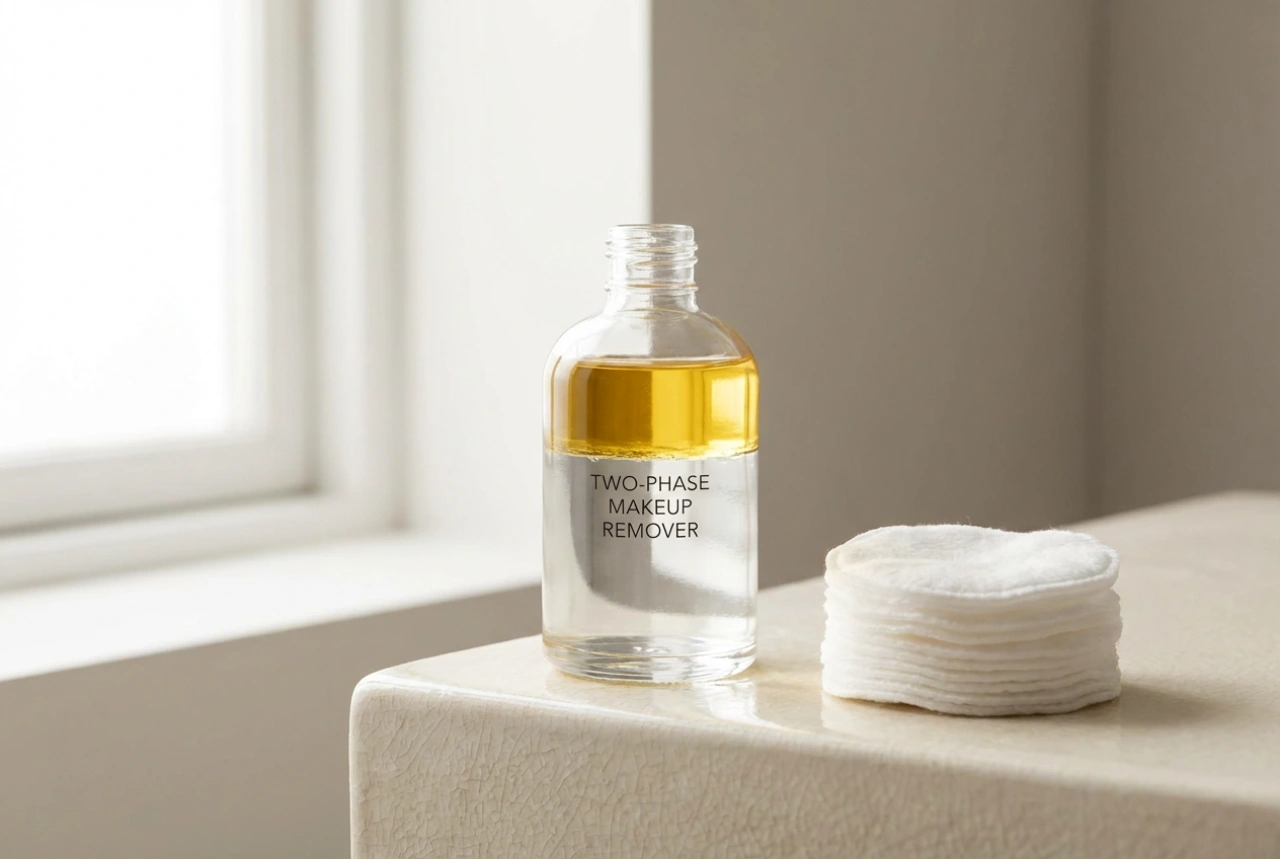
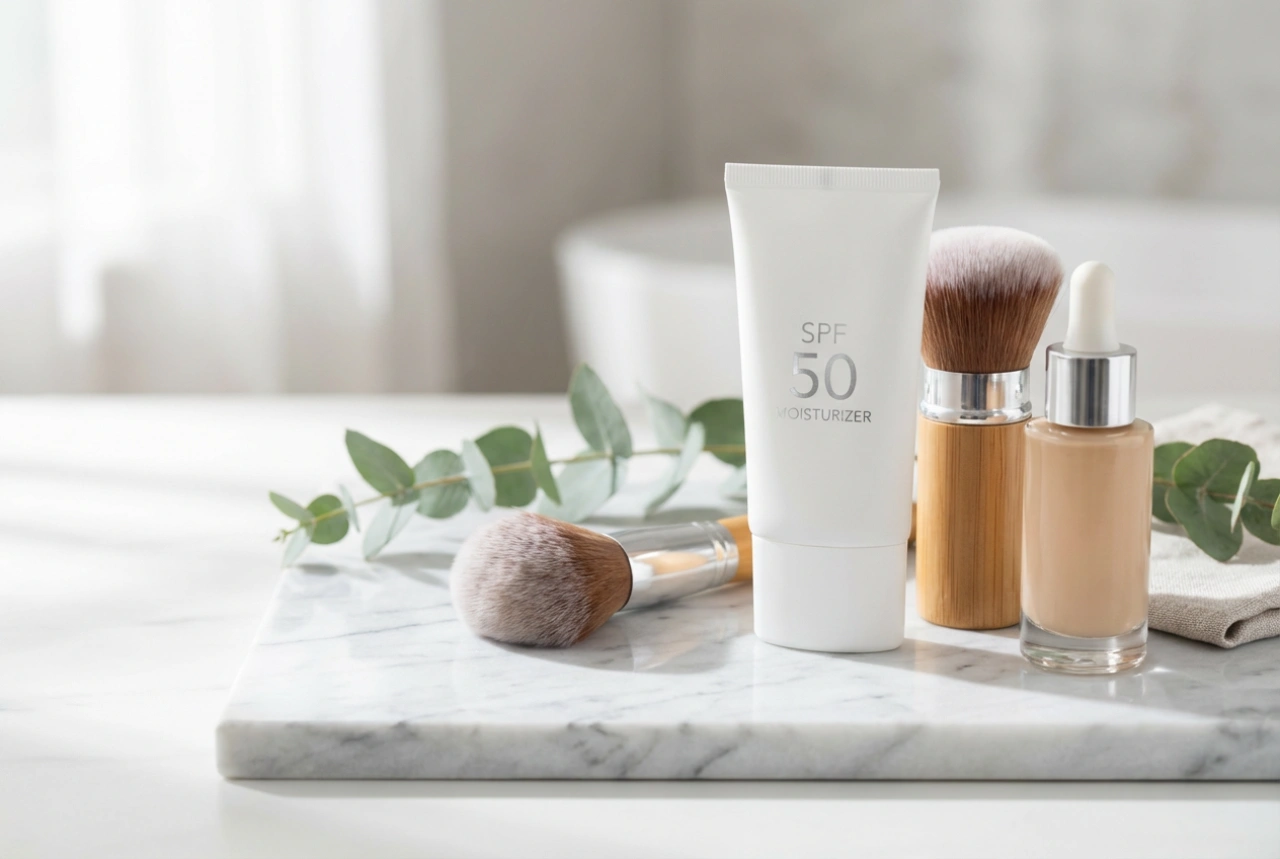
One of the most frequent mistakes is applying a nutrient-rich mask directly over makeup, SPF, or daily impurities. Without a clean canvas, the ingredients in your homemade mask cannot properly interact with the outer layers of your skin. Always begin your routine with a gentle, thorough cleanse using lukewarm water, and pat your face dry with a clean towel before application.
Letting the Mask Dry Completely
Many people believe that a mask must dry until it is tight and cracking to be effective. In reality, allowing a mask—especially those containing clays or starches like oats—to dry completely can draw necessary moisture away from your skin, leaving it feeling tight and dehydrated. It is best to rinse the mask off while it is still slightly tacky to the touch.
Using Expired or Unhygienic Ingredients
Because homemade masks do not contain synthetic preservatives, they have an incredibly short shelf life. Preparing large batches to store in the fridge is generally not recommended, as bacteria can quickly multiply. Always mix fresh, single-use portions, and ensure that all your mixing tools, brushes, and hands are thoroughly cleaned before touch-points.
Step-by-Step Application for Maximum Comfort
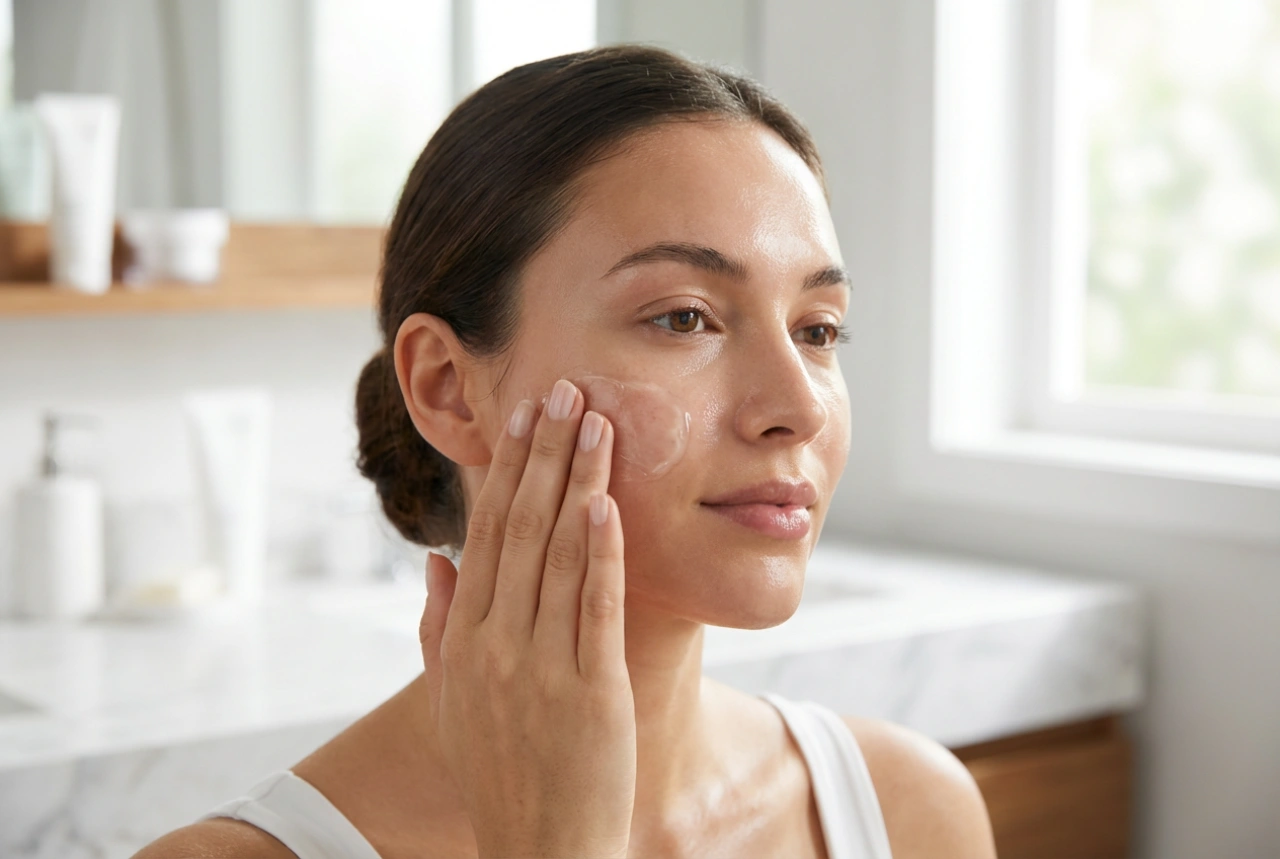
Once your ingredients are organised and your skin is prepared, the application itself should be a mindful process. Using a soft, clean cosmetic brush allows for an even, smooth layer across your face, avoiding the delicate eye and lip areas. A brush also minimises product waste and keeps the application mess-free.
Leave the mixture on for approximately ten to fifteen minutes. During this time, practice deep breathing or simply sit quietly in a comfortable chair. When it is time to remove the mask, avoid harsh scrubbing, which can irritate the skin. Instead, splash lukewarm water onto your face to gently loosen the ingredients, then use a soft, damp cloth to wipe away any residue. Finish by applying your regular moisturiser to lock in the hydration.