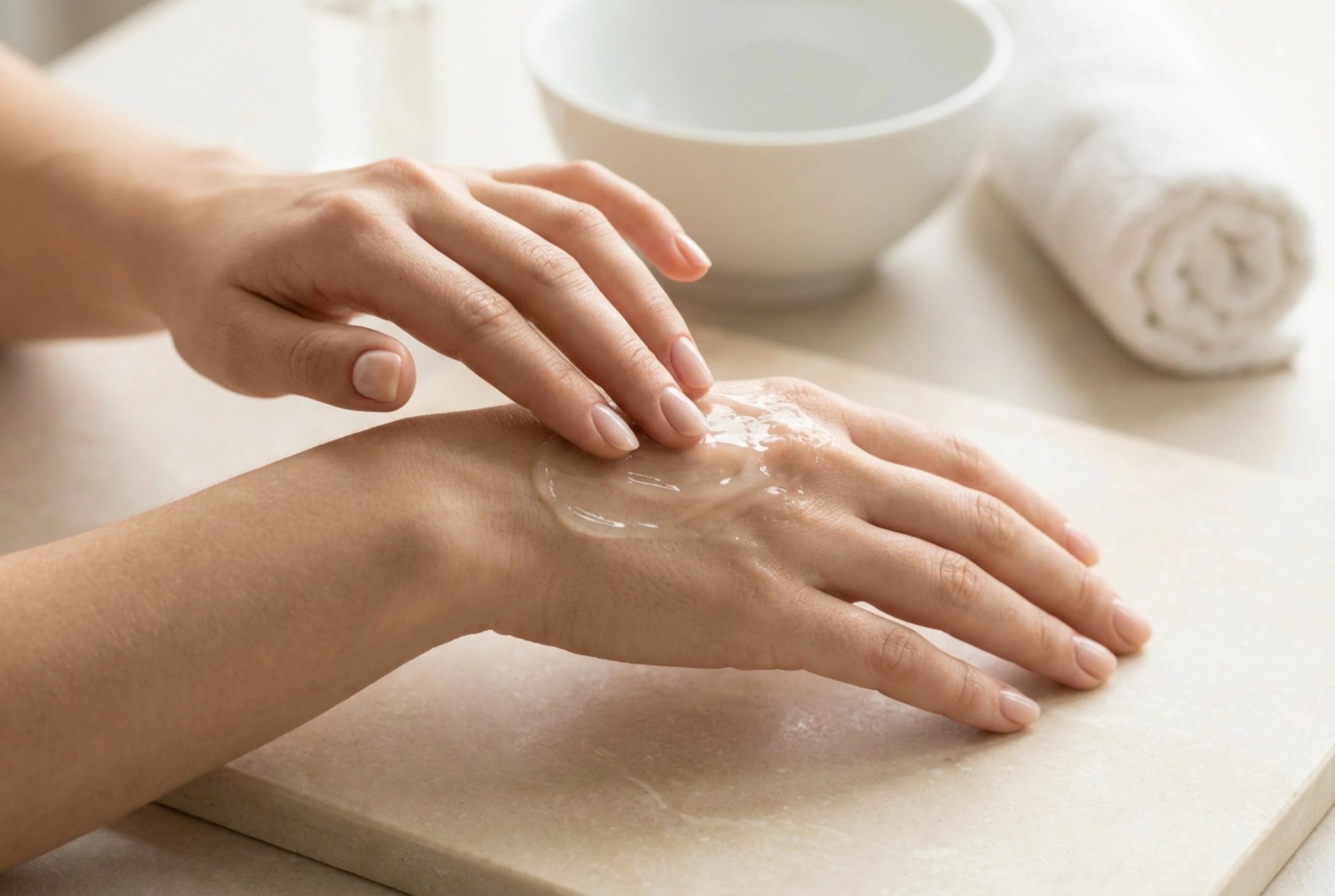


The simple act of applying a face mask is one of the most rewarding steps in a modern beauty ritual. Witnessing a translucent, hydrating formula glide effortlessly over the skin instantly evokes a sense of calm and self-care. Hydration is the absolute foundation of a healthy, radiant complexion, regardless of your skin type. When skin lacks sufficient moisture, it can appear dull, feel tight, and lose its natural elasticity. Incorporating a dedicated moisturising face mask into your weekly routine provides an intensive boost of hydration that daily moisturisers alone might not deliver. Understanding how to select the right product and apply it properly is key to achieving optimal results.
Why Every Skin Type Needs Hydration
It is a common misconception that only naturally dry skin requires extra hydration. In reality, there is a significant difference between dry skin and dehydrated skin. Dry skin is a skin type that lacks natural oils, whereas dehydrated skin is a temporary condition where the skin lacks water. Environmental factors such as cold winds, central heating, air conditioning, and even sun exposure can deplete the water content in your skin barrier.
Oily and combination skin types can also suffer from dehydration. When oily skin is stripped of water, it often compensates by producing even more sebum, leading to an unbalanced complexion. A lightweight, water-based moisturising mask can replenish this lost moisture without clogging pores, helping to restore harmony and balance to the skin's surface. For dry skin types, a richer formulation containing both hydrating and lipid-replenishing ingredients will help rebuild the protective barrier and lock in essential moisture.
Key Ingredients to Look For
When browsing for a moisturising face mask, reading the ingredient list can help you make an informed decision. Look for key components that fall into two main categories: humectants, which draw water into the skin, and emollients, which smooth and soften the skin surface.
- Hyaluronic Acid: A powerhouse molecule capable of holding up to a thousand times its weight in water. It delivers immediate, deep hydration to the upper layers of the skin, leaving it looking plump and refreshed.
- Glycerin: A classic, highly effective humectant that attracts moisture from the surrounding environment and helps maintain the skin’s hydration levels over time.
- Plant-derived Squalane: A superb emollient that mimics the skin's natural lipids. It helps to soften the skin texture and prevent moisture loss without feeling heavy or greasy.
- Aloe Vera: Renowned for its soothing and cooling properties, aloe vera is excellent for calming redness and delivering lightweight, refreshing hydration.
Choosing the Right Texture for Your Ritual
Moisturising masks come in several textures, each offering a unique sensory experience and specific benefits. Selecting the right texture depends on your personal preference and skin needs.
Gel Masks
Gel-based formulations are typically lightweight, translucent, and incredibly cooling. They are ideal for oily, combination, or sensitive skin that requires hydration without any heavy residue. Gel masks are also perfect for a quick morning refresh or after spending time in the sun.
Cream Masks
Rich cream masks are packed with nourishing oils and butters. They are designed primarily for dry, mature, or very tired skin. These formulations provide a comforting, enveloping sensation, working to restore lipids and deeply nourish the skin barrier.
Sheet Masks
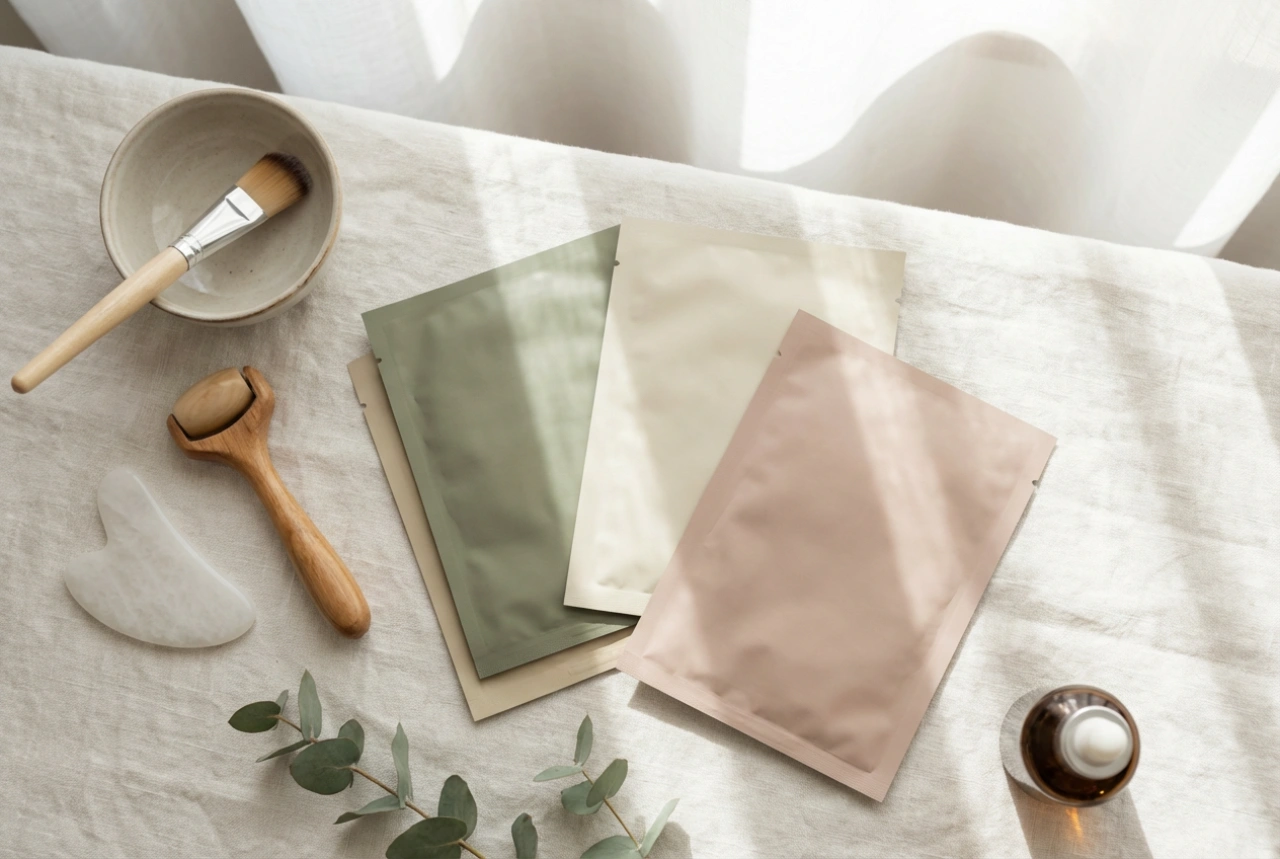
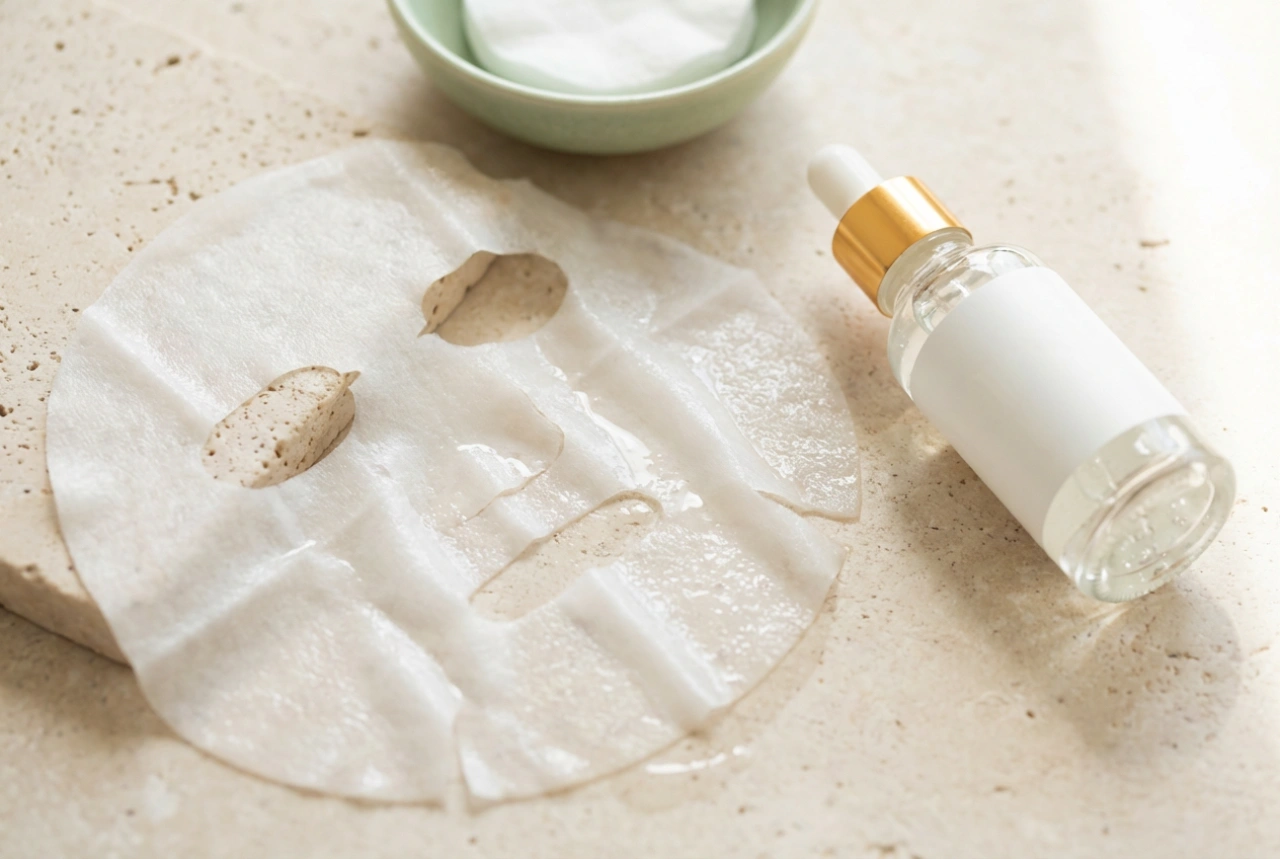
Sheet masks consist of a fabric sheet saturated in a concentrated serum. They act as a physical barrier, preventing the active ingredients from evaporating and forcing them into the skin. They are highly convenient for travel or when your skin needs an immediate, intensive boost before an event.
The Correct Application Method
To get the most out of your moisturising mask, it is important to prepare your skin and apply the product correctly. Follow these simple steps for a spa-like experience at home:
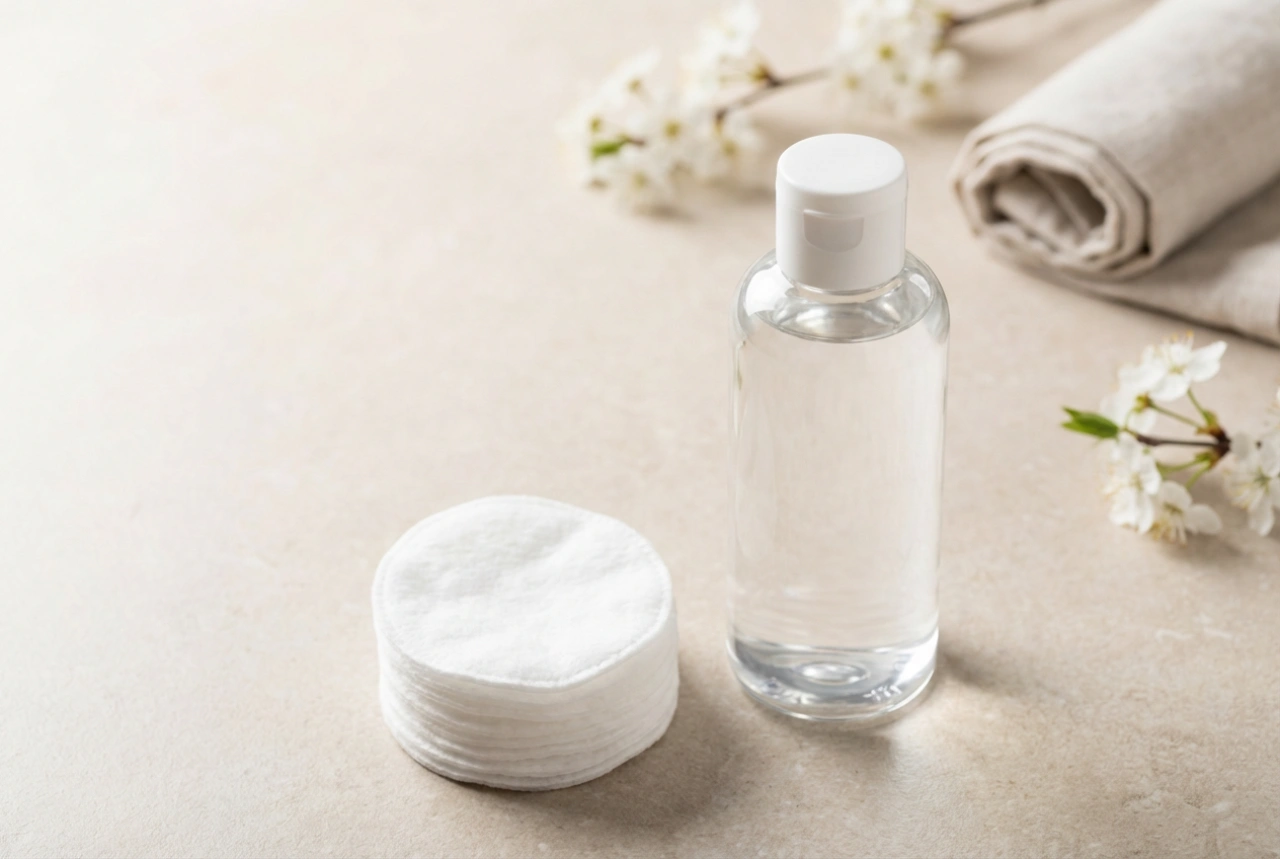
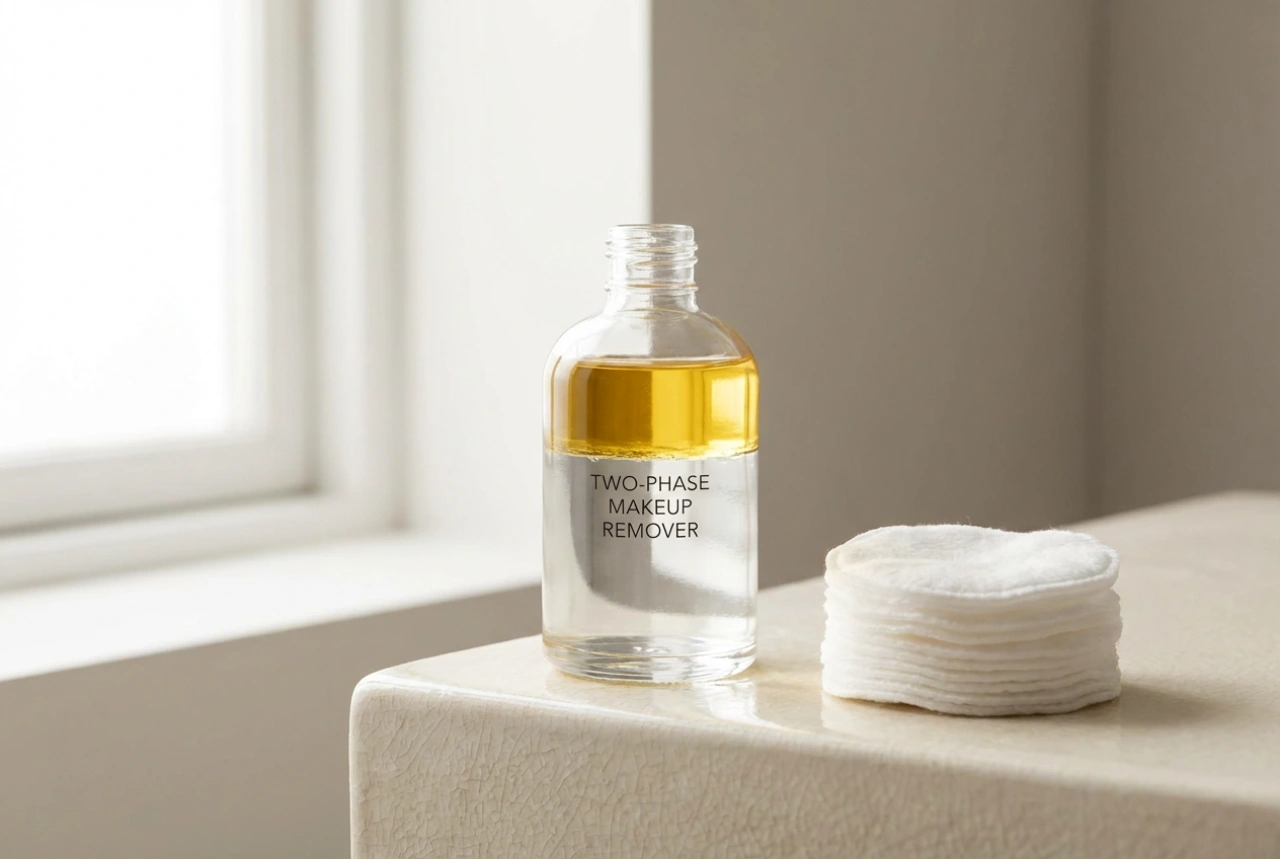
- Cleanse Thoroughly: Always start with a clean canvas. Remove all make-up and wash your face with a gentle cleanser to ensure that the active ingredients in the mask can penetrate effectively.
- Gentle Exfoliation: Once or twice a week, consider using a mild scrub or exfoliating liquid before your mask. Removing dead skin cells allows the moisturising treatment to absorb much deeper.
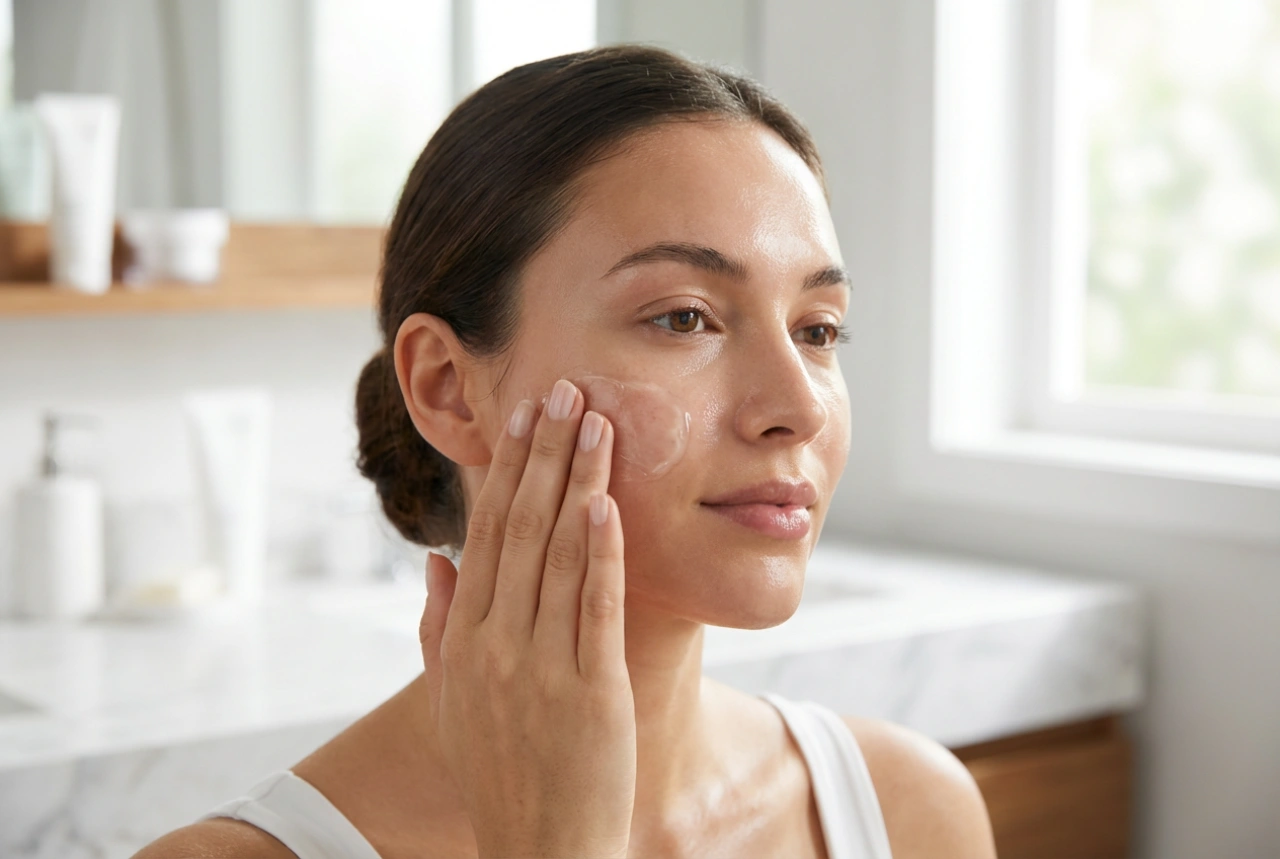
- Apply Evenly: Take a generous amount of the mask and smooth it over your face and neck. Use gentle, upward motions. Avoid the delicate area immediately around your eyes and lips unless the product is specifically formulated for those zones.
- Relax and Wait: Leave the mask on for the recommended time, usually between 10 to 15 minutes. Take this opportunity to relax and lie down.
- Rinse or Tissue Off: Depending on the product instructions, gently rinse off the mask with lukewarm water, or wipe away any excess with a soft cotton pad. Avoid hot water, as it can strip away the moisture you have just introduced.
Post-Mask Care
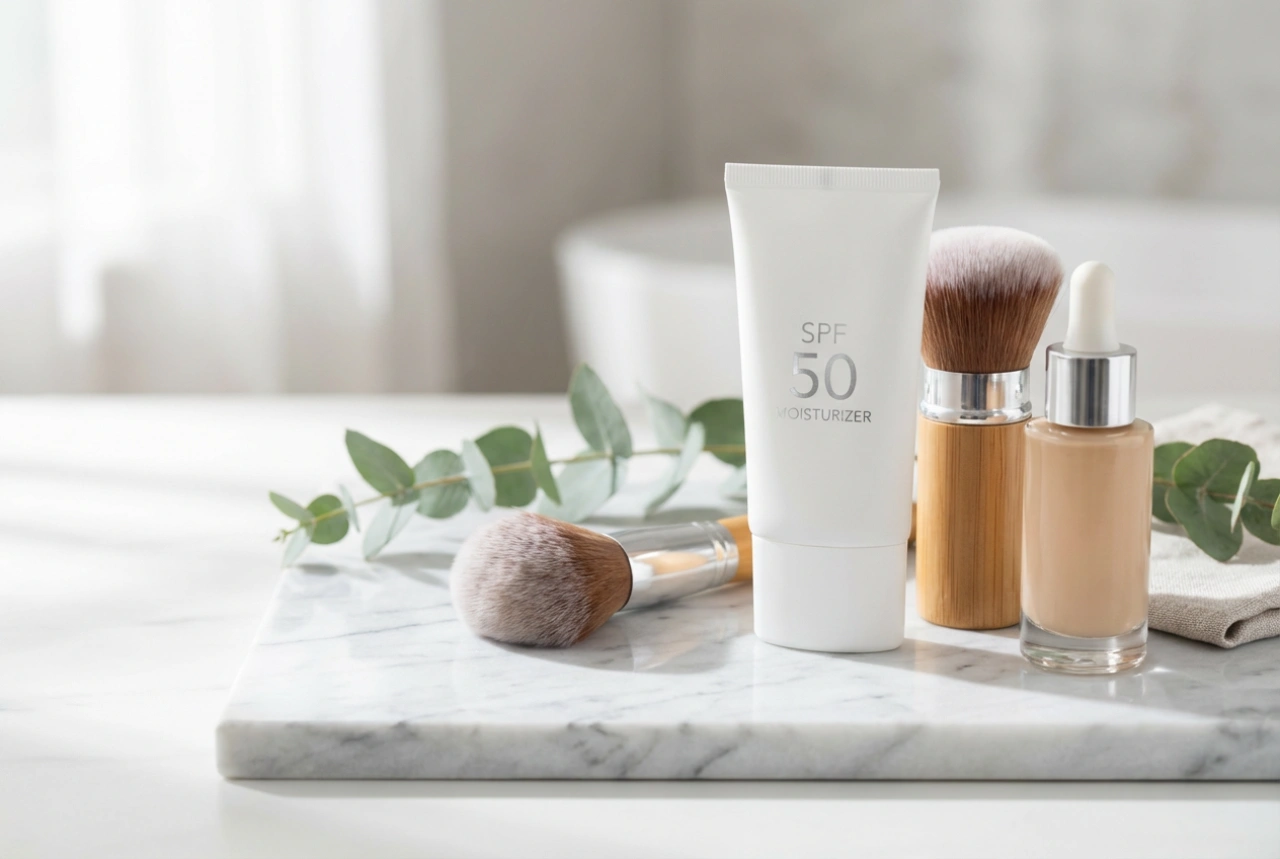
Applying a moisturising mask is only half the battle; locking in that hydration is equally important. Immediately after removing the mask, apply your regular serum and a nourishing moisturiser. This step creates a protective seal, ensuring that the moisture remains locked within the skin layers. Incorporating this routine once or twice a week will help maintain a consistent, healthy-looking glow and support your skin's natural resilience against environmental stressors.