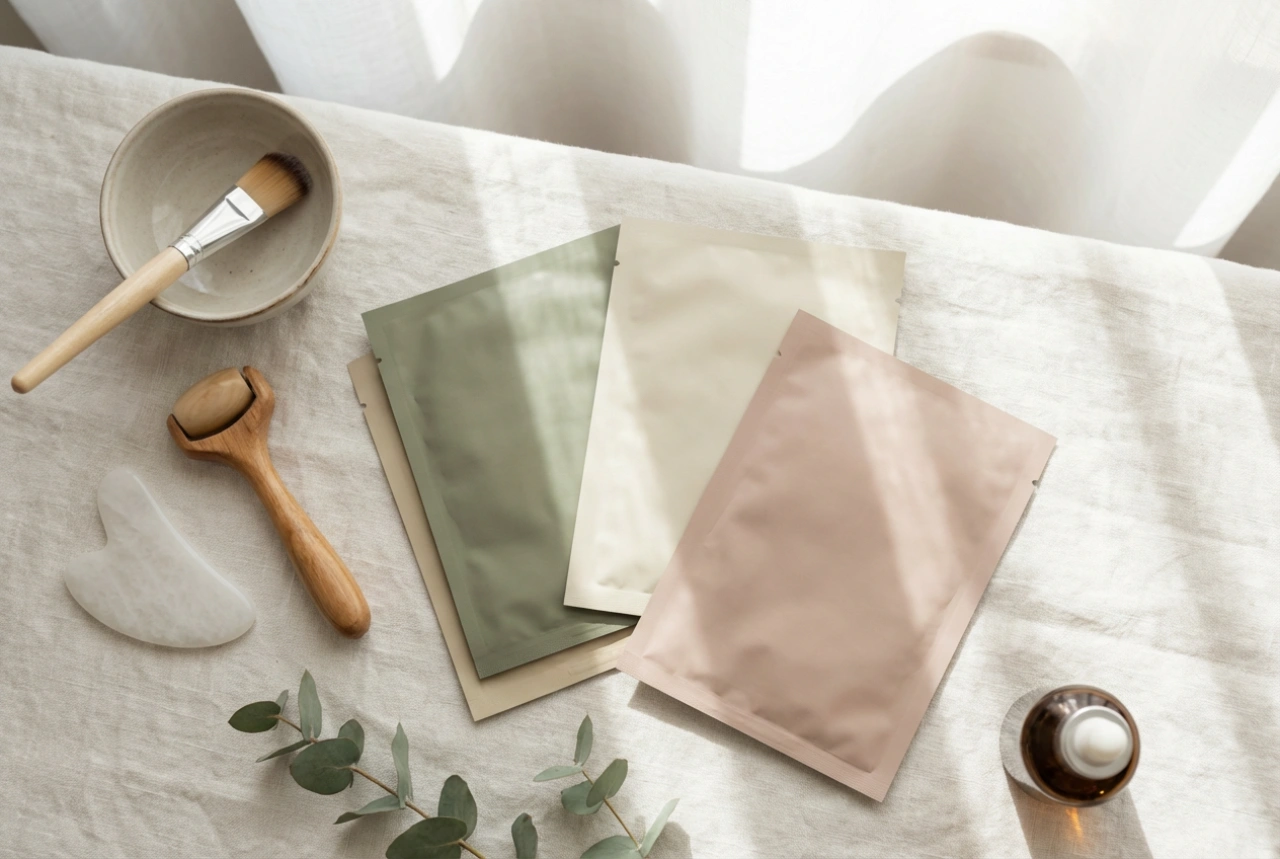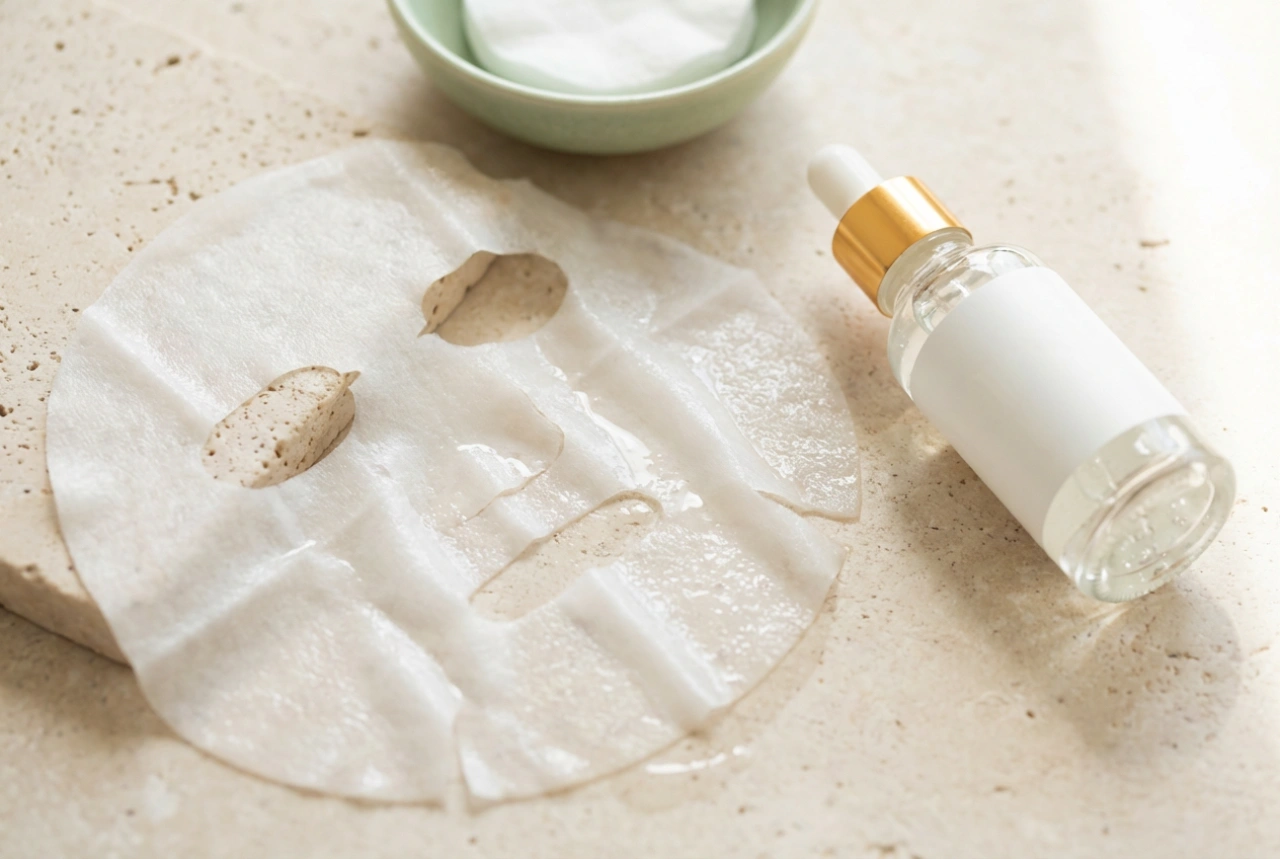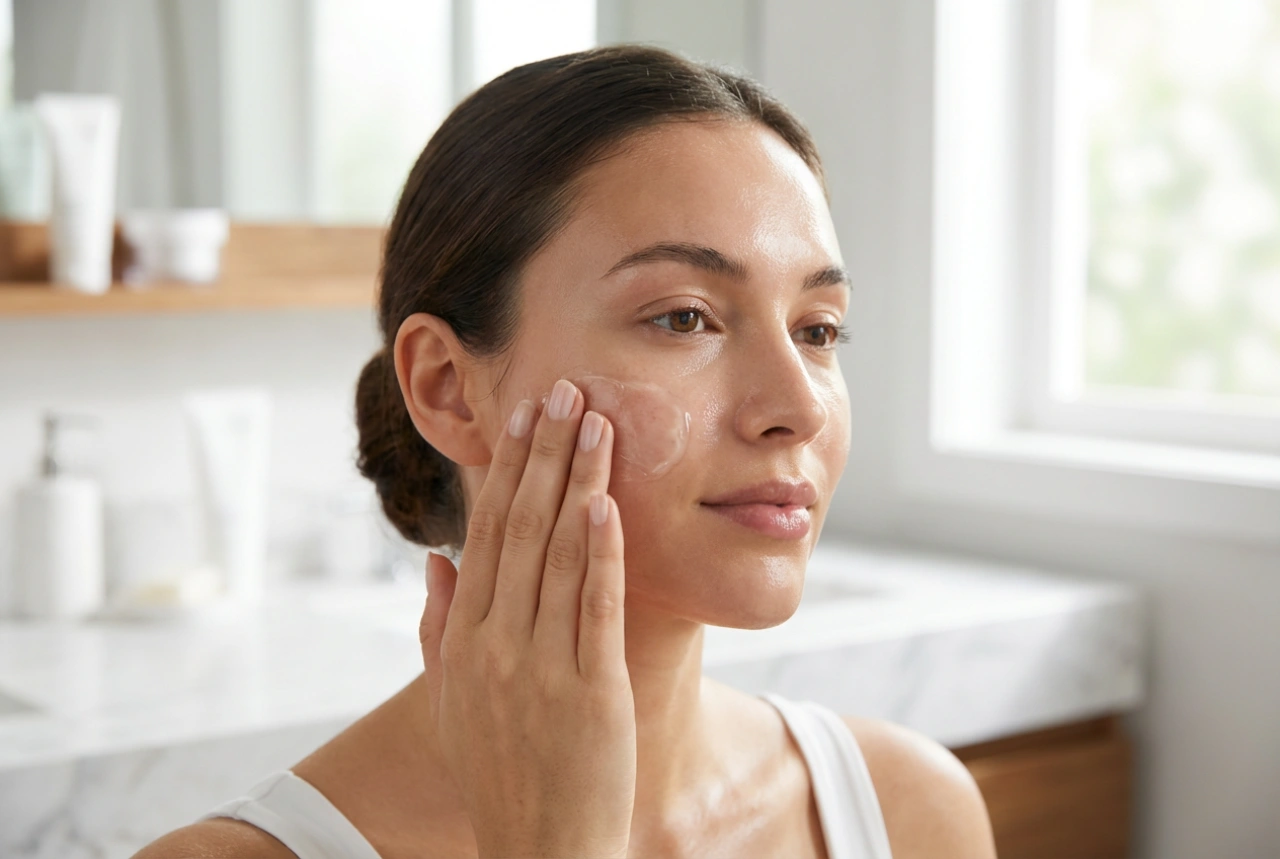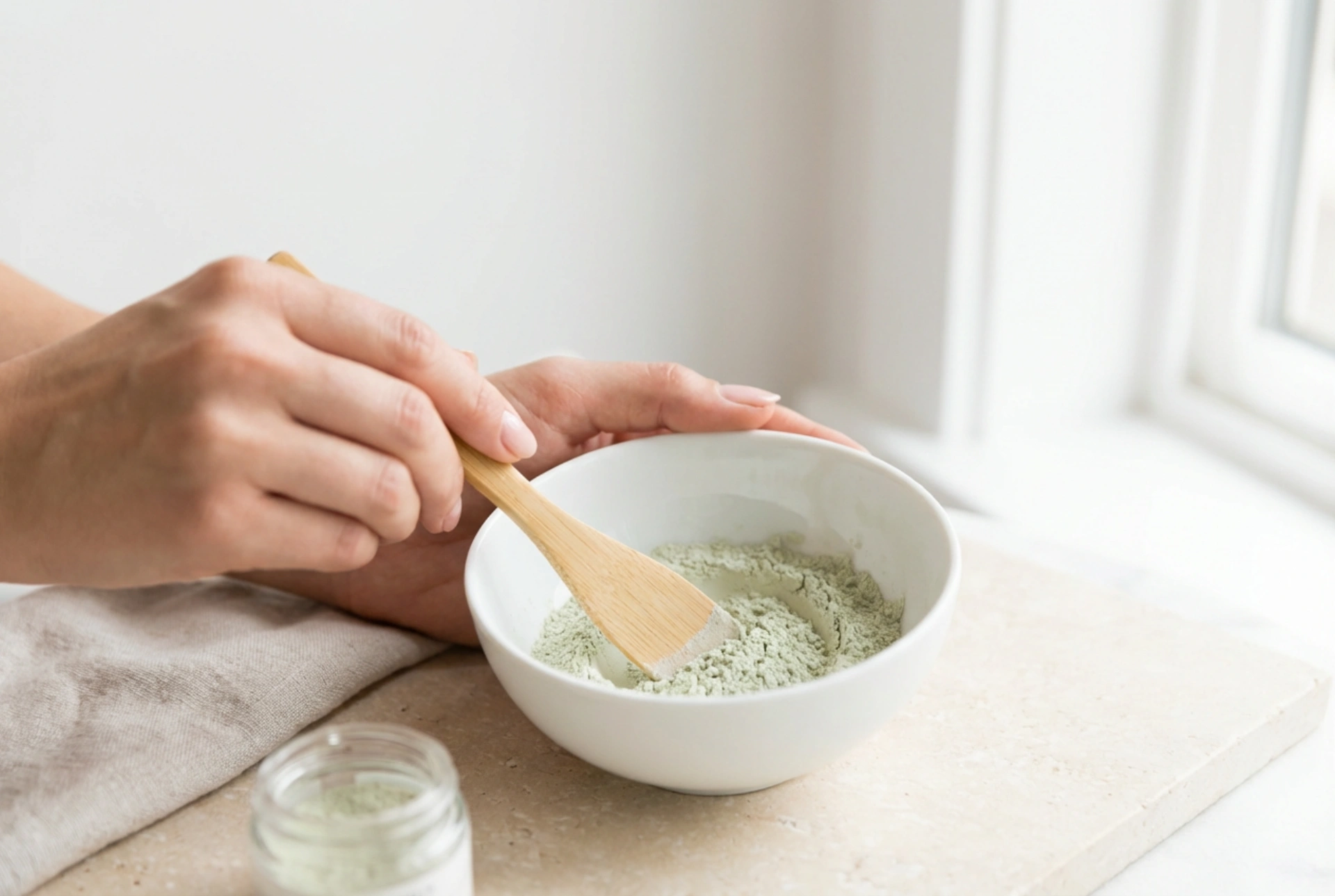


Creating a serene home beauty ritual often involves elements that engage our senses, much like the calming sight of mixing a pale green alginate powder mask in a pristine white ceramic bowl with a wooden spatula under soft, natural sunlight. Algae powder masks, also known as alginate peel-off masks, have transitioned from professional salons to home dressing tables. They offer an exceptionally refreshing, hydrating, and smoothing experience. However, mastering the preparation of these masks requires a little understanding of chemistry, precise proportions, and a steady, swift hand to achieve a flawless, smooth paste.
What is an Alginate Mask?
At the core of every powder algae mask is alginate, a natural substance extracted from brown algae or seaweed. When this fine powder is combined with water, a chemical reaction occurs, transforming the mixture from a liquid paste into a rubbery, gel-like solid that conforms perfectly to the contours of the face. Unlike traditional clay masks that dry out and absorb oil, or cream masks that sink into the skin, an alginate mask creates a physical barrier. This occlusive layer seals in moisture and allows any active ingredients applied underneath to penetrate more deeply. Because of this unique mechanism, it is highly favoured for restoring hydration, soothing minor dryness from dry environments, and leaving the skin feeling plump and revitalised.
The Perfect Mixing Ratios
Achieving the right consistency is the most critical step in preparing an algae mask. If the mixture is too runny, it will drip off the face, creating a mess and failing to form a thick, peelable layer. If it is too thick, it will clump and harden before you can even apply it to your skin. While specific manufacturer guidelines should always be consulted, a standard rule of thumb is a 1:2 or 1:3 ratio by volume (one part powder to two or three parts liquid), or roughly equal weights if using a kitchen scale. For a single face application, approximately 20 to 25 grams of powder mixed with 50 to 60 millilitres of water is usually sufficient.
The Role of Water Temperature
The temperature of the liquid you use to mix the mask plays a fundamental role in how the alginate behaves. Cold water is highly recommended. Using warm or hot water accelerates the gelation process, causing the mask to set almost instantly inside your mixing bowl. Cold water slows down this reaction, giving you those precious extra seconds needed to blend the powder into a lump-free paste and apply it evenly across your face. Some beauty enthusiasts prefer using chilled floral waters or herbal hydrosols instead of tap water to enhance the sensory experience of their ritual.
Working Speed: The Race Against the Gelation Process
Once the liquid touches the algae powder, the countdown begins. Typically, you have between 90 seconds and two minutes to mix and fully apply the mask before it begins to rubberise. This demands a focused and methodical approach.
- Preparation is key: Ensure your skin is completely clean, toned, and any serums have been applied beforehand. Your hair should be pulled back securely, and you should have your spatula and bowl ready.
- The mixing technique: Pour the liquid into the powder all at once, rather than in small splashes. Use a wide spatula to vigorously rub the mixture against the sides of the bowl. This motion helps to break up any dry pockets of powder quickly, resulting in a smooth, cake-batter-like consistency.
- Avoid over-mixing: Do not spend more than 30 to 40 seconds mixing. It is better to have a tiny, insignificant lump in a spreadable paste than a perfectly smooth paste that has already solidified in the bowl.
Step-by-Step Application Technique
Applying an alginate mask is an art that becomes easier with practice. To ensure a comfortable experience and an easy clean-up, keep these practical steps in mind:
- Apply a thick layer: The mask should be applied in a thick, uniform layer across the skin. If the edges are too thin, they will dry out, cling to the skin, and become difficult to peel off. Aim for a thickness of about 2 to 3 millimetres.
- Direction of application: Start from the neck and move upwards. Apply the paste with firm, upward strokes using your spatula, covering the chin, cheeks, nose, and forehead. Work from the centre of the face outwards.
- Mind the borders: Avoid applying the mask too close to the hairline or eyebrows, as dry alginate can stick to fine hairs. If you do apply it near these areas, you can protect them beforehand with a thin layer of a simple, light face oil or balm.
- Relaxation phase: Once the mask is applied, lie down and remain still for 15 to 20 minutes. Allowing the facial muscles to relax maximises the smoothing effect of the mask and prevents gravity from pulling the heavy wet mask downwards.
Removal and Post-Mask Care
After about twenty minutes, the mask will feel completely solid and cool to the touch, resembling a soft sheet of rubber. To remove it, gently loosen the edges around the jawline and neck first. Take hold of the bottom edges and peel the mask upwards towards the forehead in one or two large pieces. Any remaining dry residue on the edges can be easily wiped away with a damp cotton pad or a soft, moist cloth—there is no need to vigorously wash your face, as this would wash away the beneficial hydration left on the skin surface. Immediately follow up with your favourite moisturiser to lock in the intense hydration, completing a simple yet highly effective home beauty ritual.