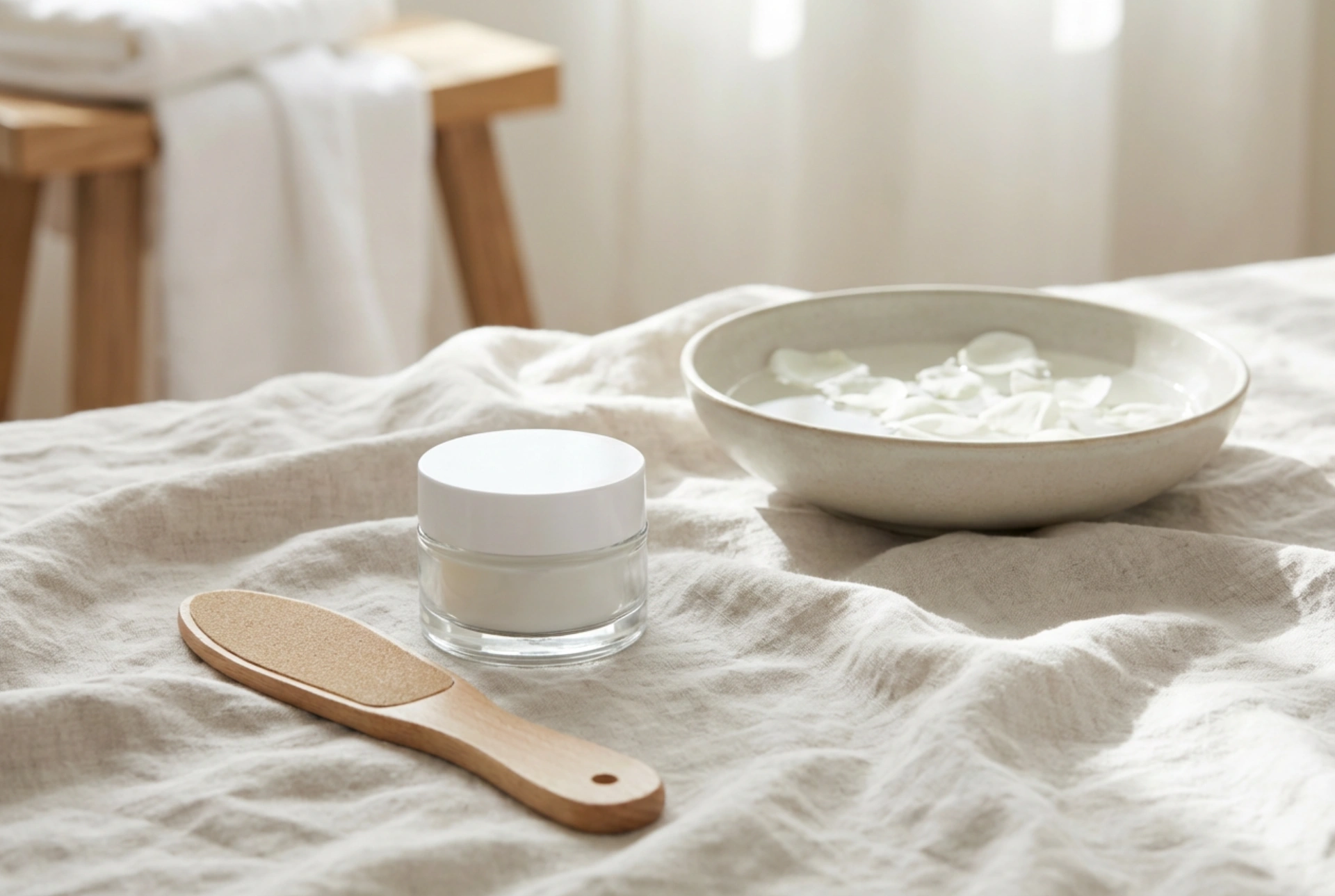


Achieving soft, smooth heels is a common beauty goal, yet it often seems elusive. Many of us focus solely on slathering on a cream, hoping for the best. However, the secret to truly pampered feet lies not in a single product, but in a simple, consistent routine that combines preparation, exfoliation, and hydration. By understanding how to correctly use a foot bath, a file, and a cream in synergy, you can transform your home foot care into an effective ritual that yields lasting softness without causing irritation.
Step 1: The Preparatory Foot Bath – More Than Just Relaxation
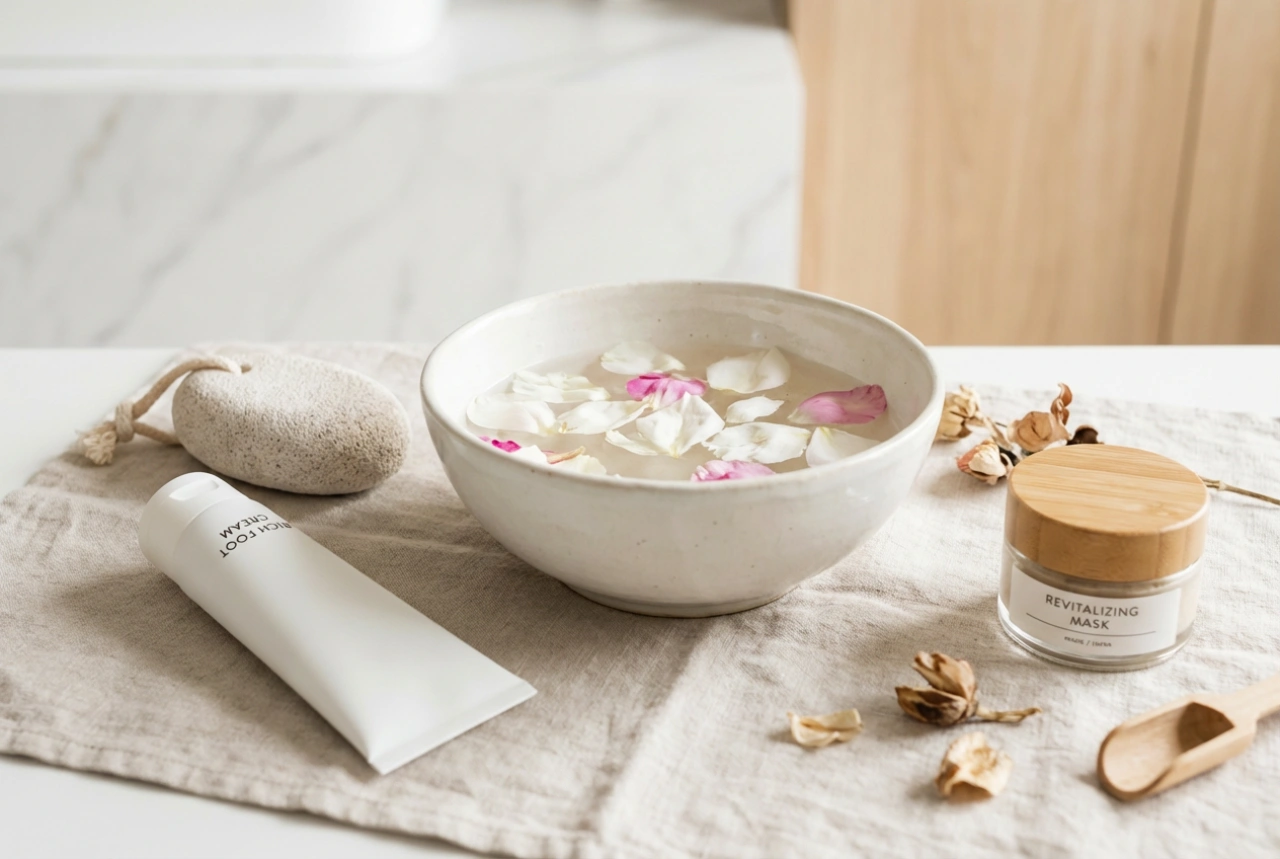
Before you even think about reaching for a foot file, preparing the skin is essential. Soaking your feet in warm water is the crucial first step that makes the entire process gentler and more effective. The primary goal of the soak is to soften the tough, dry layers of skin on your heels, making them pliable and easier to remove without harsh scrubbing.
To prepare your foot bath, fill a basin with warm, not hot, water. Water that is too hot can strip the skin of its natural oils, leading to more dryness. A comfortable temperature you can easily tolerate is perfect. Let your feet soak for 10 to 15 minutes. This is the ideal duration to soften the skin sufficiently without causing it to become overly waterlogged and delicate. You can enhance the experience by adding a handful of plain bath salts or a few drops of a gentle, skin-friendly oil, but simple warm water is perfectly effective on its own. After soaking, pat your feet with a towel so they are damp but no longer dripping wet. This prepares them perfectly for the next step.
Step 2: Gentle Exfoliation with a Foot File
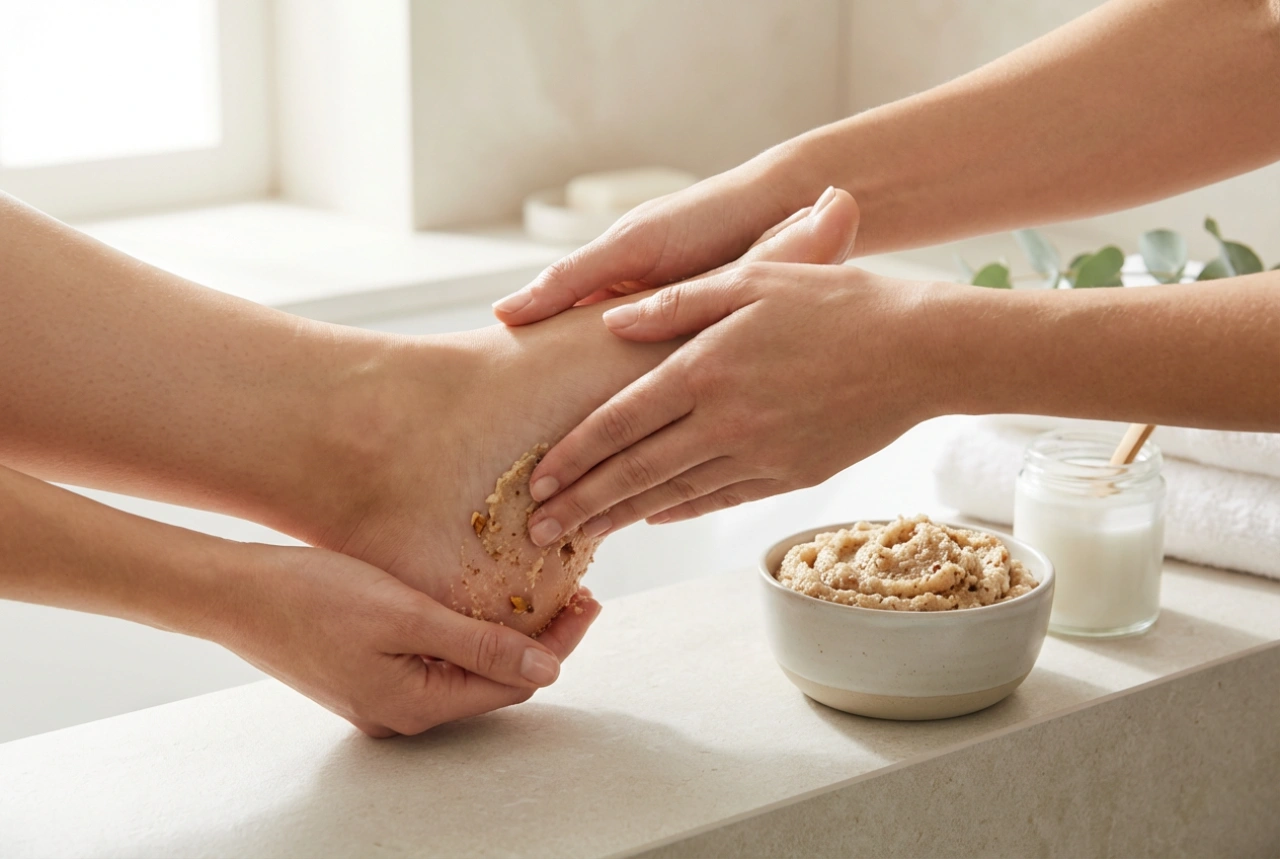
With the skin on your heels softened and prepped, it's time for exfoliation. This step is where technique matters most. The aim is to remove only the outermost layer of dead, dry skin, not to aggressively file down to the sensitive skin underneath. Using a manual foot file—whether it's a ceramic, glass, or traditional coarse-grained version—gives you full control.
Hold the file and gently rub it against the thickened areas of your heels using light to moderate pressure. You can use back-and-forth or small circular motions. Pay close attention to how your skin feels; it should never be painful or uncomfortable. Focus only on the calloused, rough patches. Avoid areas where the skin is already thin and soft. Remember, less is more. It is far better to perform a light exfoliation twice a week than one aggressive session that could damage the skin barrier and trigger it to grow back even thicker as a protective response. Once you have finished, give your feet a quick rinse to wash away any sloughed-off skin particles and pat them completely dry with a clean towel.
Step 3: The Power of Hydration – Applying Foot Cream Effectively
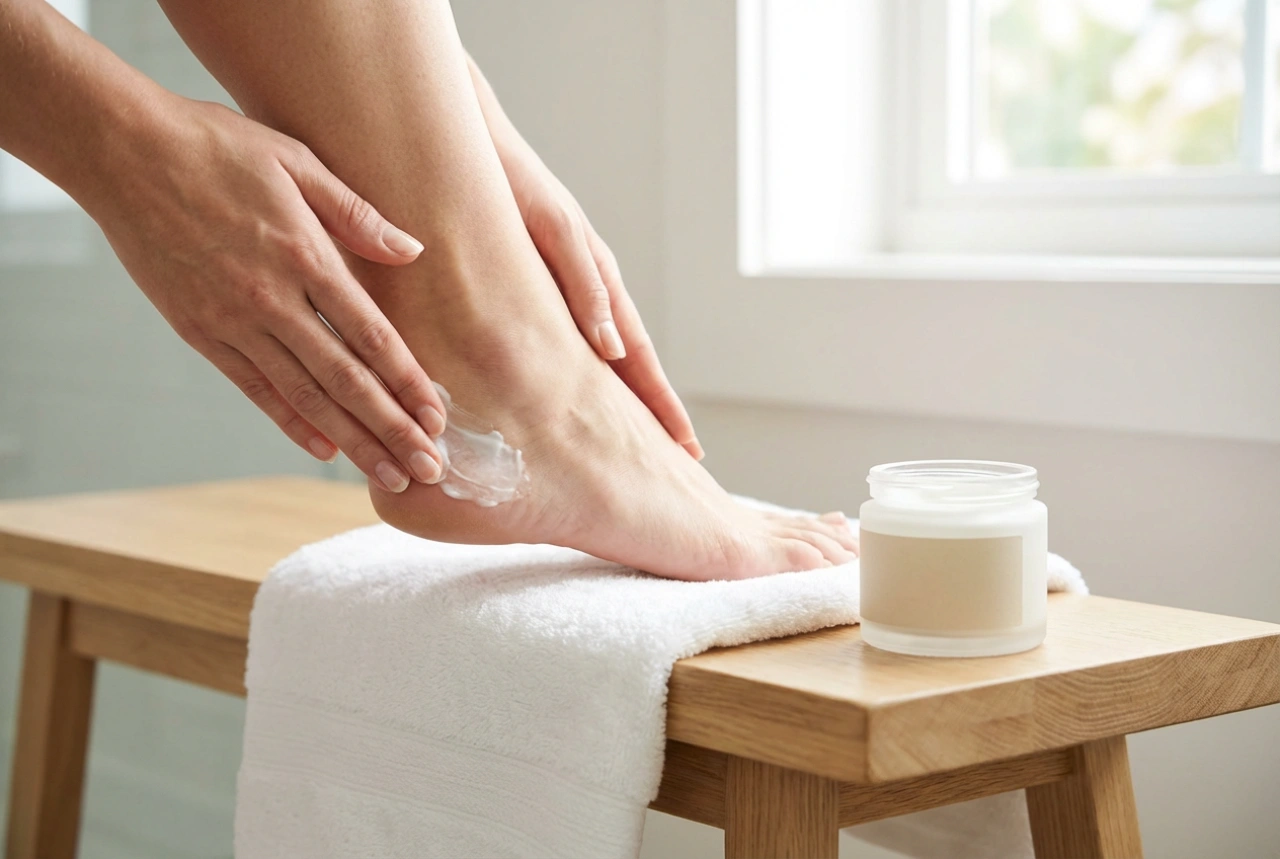
Exfoliation without subsequent hydration is a job half-done. In fact, skipping this final step can leave your newly-revealed skin vulnerable to dryness, undoing all your hard work. Now that the barrier of dead skin cells has been removed, your foot cream can penetrate more effectively and deliver its nourishing ingredients where they are needed most.
Choose a rich, thick cream specifically formulated for feet. These creams typically contain ingredients designed to provide intense moisture and create a protective barrier. Squeeze a generous amount onto your hands and massage it thoroughly into your heels and any other dry spots. Don't just wipe it on; take a minute or two to really work the product into the skin. This massage not only helps with absorption but also stimulates circulation. For an intensive overnight treatment, apply the cream just before bed and slip on a pair of cotton socks. The socks will lock in the moisture, helping the cream work its magic while you sleep, allowing you to wake up with noticeably softer heels.
Common Foot Care Mistakes and How to Avoid Them
To maintain healthy and smooth feet, it's just as important to know what not to do. Avoiding these common pitfalls will ensure your routine is beneficial and not counterproductive.
- Over-filing: The most common mistake is being too aggressive with the foot file. This can cause irritation, micro-tears in the skin, and can signal your body to produce even thicker skin as a defence mechanism. Be gentle and consistent.
- Using a file on completely dry skin: While some files are designed for this, filing dry, unprepared skin is often too harsh. It can be less effective and risks creating a rough, uneven surface. A preparatory soak is always a gentler approach.
- Skipping moisturiser after exfoliation: Exfoliating removes the skin's protective outer layer. Failing to apply a good cream immediately afterwards leaves the new skin exposed and prone to dehydration.
- Ignoring consistency: A single, intense foot care session once every few months is less effective than a regular, gentle routine. Aim to care for your feet once or twice a week to maintain their condition and prevent severe dryness from building up.