

Sugar waxing, often known as sugaring, is a time-honoured hair removal method that has been cherished for centuries for its simplicity and gentle results. Using a paste made from basic kitchen ingredients—sugar, lemon, and water—it offers a natural approach to achieving smooth, hair-free skin. Unlike other methods that can feel harsh, sugaring is often praised for its skin-friendly properties. This guide will walk you through everything you need to know to master this effective technique in the comfort of your own home, from cooking the perfect paste to mastering the application and removal process for a flawless finish.
What is Sugaring and Why Choose It?
Sugaring is a method of hair removal where a warm, thick paste is applied to the skin and then quickly removed, pulling the hair out from the root. The magic lies in its composition and application. The paste itself is completely natural and water-soluble, which means any residue can be easily rinsed away with warm water, leaving no sticky mess behind. The primary advantage of sugaring lies in its technique. The paste is applied against the direction of hair growth and removed in the direction of hair growth. This is significant because it helps to pull the hair out cleanly from the follicle, which may lead to less breakage at the surface. Many people find this process to be gentler on the skin compared to other methods that pull against the natural growth pattern. Because the paste only adheres to the hair and dead skin cells, it provides a light exfoliation without pulling excessively at live skin. This can result in less irritation, making it a suitable option for individuals with sensitive skin areas.
Preparing Your Own Sugar Paste: A Step-by-Step Guide
Creating your own sugar paste is a rewarding and cost-effective process, but it requires patience and attention to detail. The key is to achieve the correct consistency, which is somewhere between a thick honey and a firm, pliable ball.
Ingredients and Tools
You only need three simple ingredients for the basic recipe, along with some standard kitchen equipment.
- Ingredients: 2 cups of white granulated sugar, 1/4 cup of fresh lemon juice, and 1/4 cup of water. The lemon juice is crucial as it helps prevent the sugar from crystallising, resulting in a smoother paste.
- Tools: A heavy-bottomed saucepan to ensure even heat distribution, a wooden spoon or heat-resistant spatula for stirring, a heat-proof jar for storage (like a glass canning jar), and optionally, a candy thermometer for precision.
The Cooking Process
Take your time with this stage, as the temperature and colour are the most important indicators of success.
- Combine the sugar, lemon juice, and water in the saucepan over medium-low heat. Stir continuously until the sugar has completely dissolved.
- Once dissolved, stop stirring. Let the mixture come to a gentle simmer. You can gently swirl the pan if needed to prevent hot spots, but avoid vigorous stirring as it can cause crystallisation.
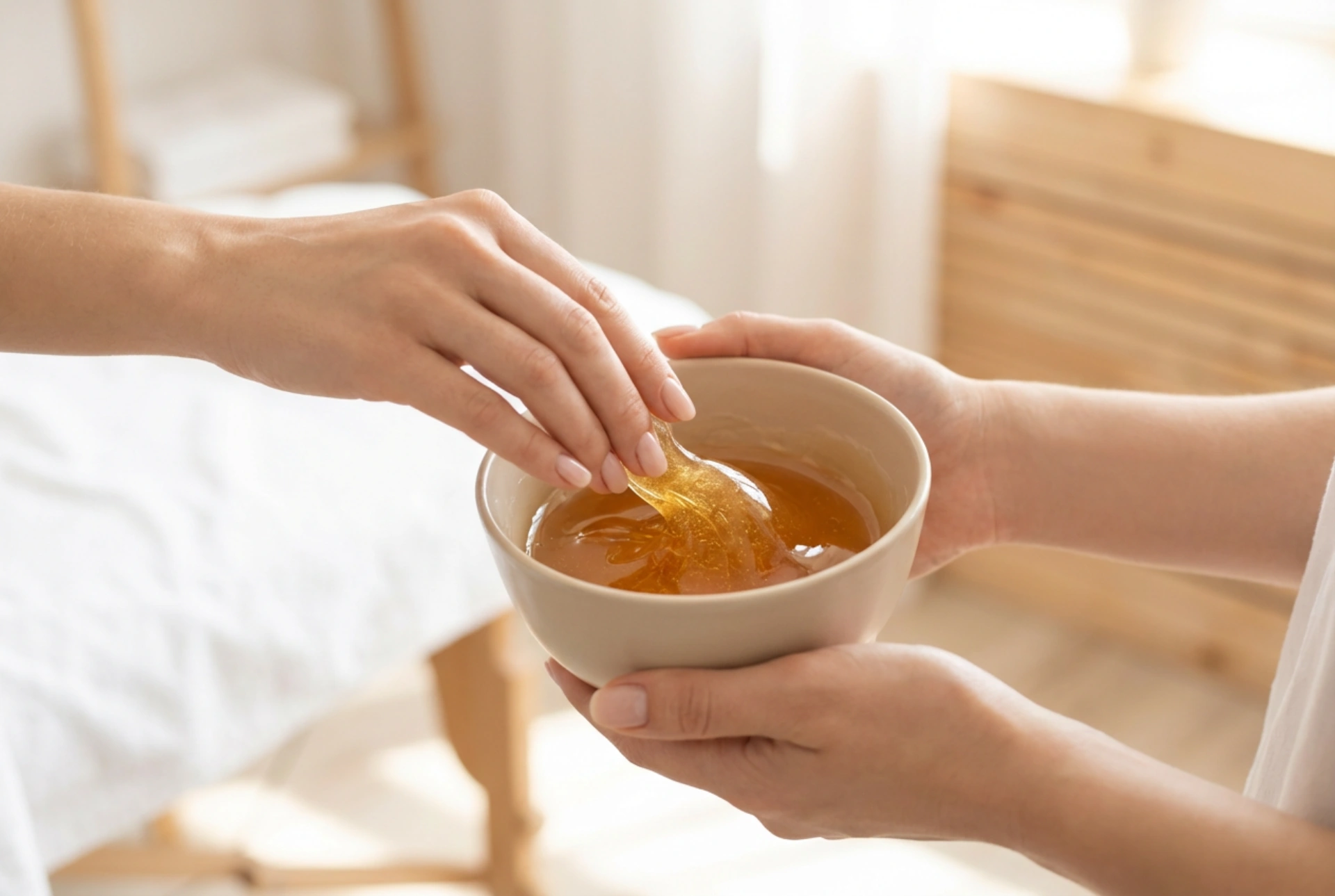
- Watch the colour closely. The mixture will start as a pale, translucent yellow. As it heats up, it will gradually darken. You are looking for a beautiful golden amber or honey colour. This process can take anywhere from 10 to 20 minutes.
- If you are using a candy thermometer, you are aiming for the 'soft ball' stage, which is around 120°C (250°F). Without a thermometer, you can test it by dropping a tiny amount of the syrup into a glass of cold water. It should form a soft, pliable ball that you can flatten between your fingers. If it dissolves, it needs more time. If it becomes hard and brittle, it has been overcooked.
- Once the desired colour and consistency are reached, immediately remove the pan from the heat to stop the cooking process. Be extremely careful, as the sugar syrup will be incredibly hot.
Cooling and Storing the Paste
Pour the hot paste carefully into your heat-proof glass jar. Let it cool down on a heat-resistant surface for several hours, or until it is completely at room temperature. The paste will thicken significantly as it cools. Do not place it in the refrigerator. Once cool, seal the jar tightly. The paste is naturally preserved by the sugar and can be stored in a cool, dark place for several weeks. To use it, you will need to warm it slightly by placing the jar in a bowl of hot water or microwaving it for very short intervals (5-10 seconds) until it becomes pliable but not hot.
The Application Technique: Mastering the Flick Method
The success of sugaring is all in the technique. It may take a few tries to get the feel for it, but once you master the 'flick,' the process becomes quick and efficient.
Preparing Your Skin
Proper skin preparation is essential for the best results. The skin must be clean and completely dry. Wash the area with a gentle cleanser and pat it thoroughly dry with a clean towel. Any moisture or oil on the skin will prevent the paste from adhering properly to the hair. For extra grip, you can apply a very light dusting of cornstarch or a similar powder to the area and brush off the excess. This helps absorb any residual moisture.
Applying the Paste
Scoop out a small, ball-sized amount of the lukewarm paste. It should be warm enough to be pliable, but not hot enough to cause discomfort. Work the paste in your fingers for a moment until it becomes more opaque and easy to spread. Using your fingertips, apply the paste to your skin *against* the direction of hair growth. Use firm pressure and spread the paste in a smooth layer, going over the area two or three times to ensure the paste has properly gripped the hairs.
The 'Flick' Removal
This is the most crucial step. Hold your skin taut with your free hand. With the edge of your other hand's fingers, quickly flick the edge of the sugar paste off in the *same* direction as the hair growth. The motion should be swift and parallel to the skin, not upwards. Think of it like flicking a card across a table. This quick, parallel motion removes the hair from the root efficiently and with minimal discomfort. You can reuse the same piece of sugar paste several times until it becomes too saturated with hair or too soft to work with.
Common Mistakes and Tips for Success
Don't be discouraged if your first few attempts aren't perfect. Here are some common issues and how to troubleshoot them:
- Paste is too sticky or runny: This usually means it was either undercooked or it's too warm. If it's a temperature issue, let it cool down more. If it's consistently runny even when cool, it was likely undercooked. You can try reheating it and cooking it for a few more minutes.
- Paste is too hard: This indicates it was overcooked or it's too cold. Try warming it gently in a bowl of hot water. If it's rock-hard even when warm, it may be overcooked beyond use.
- Difficulty removing the paste: If the paste gets stuck, it's often because the removal flick was too slow or directed upwards instead of parallel to the skin. You can apply a small fabric strip over the sticky paste, press down firmly, and pull it off in the direction of hair growth.
- Bruising or irritation: This is almost always caused by pulling the paste upwards, away from the body, instead of parallel to it. Ensure your flicking motion is low and fast. Also, remember to hold the skin taut to provide support.
Aftercare for Smooth Skin
Proper aftercare helps to keep your newly smooth skin calm and healthy. For the first 24-48 hours after sugaring, it is best to avoid activities that can introduce sweat or bacteria into the open follicles. This includes intense workouts, saunas, hot tubs, and swimming pools. Wear loose, breathable clothing to prevent friction and irritation. You can cleanse the area with cool water and a mild, soothing cleanser. Avoid using heavy lotions or oils immediately after. A few days after your session, you can begin gentle exfoliation to help prevent ingrown hairs as they start to grow back. Continue to moisturise your skin daily to keep it soft and supple, which will make future sugaring sessions even easier.