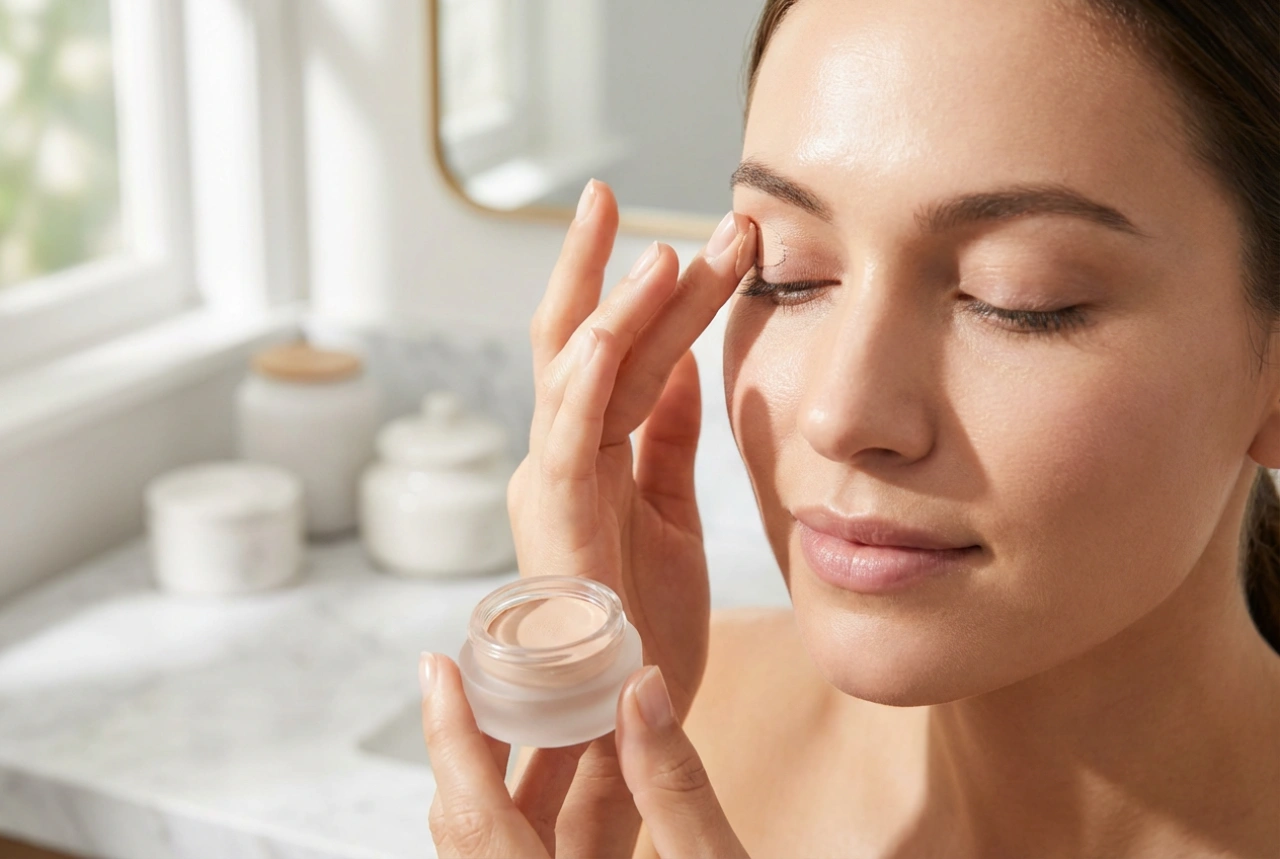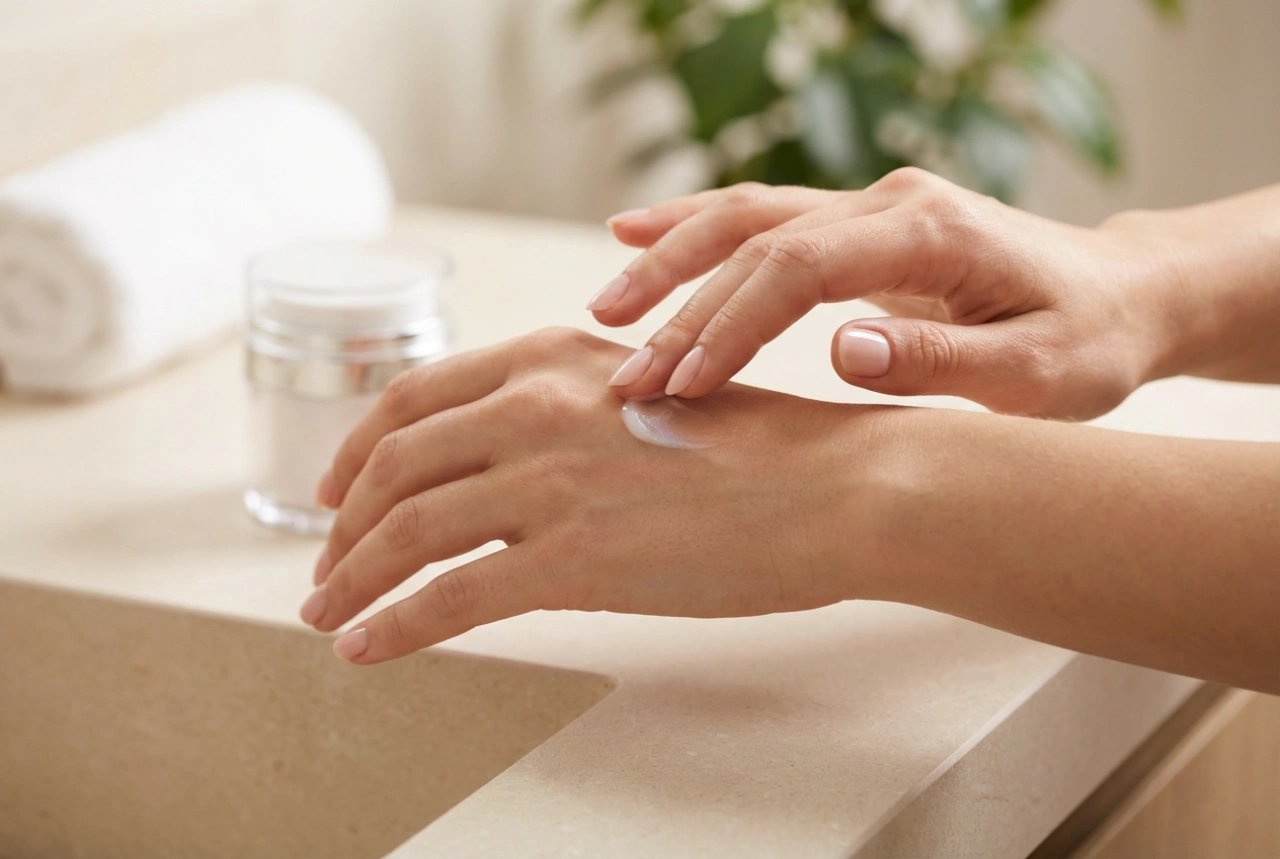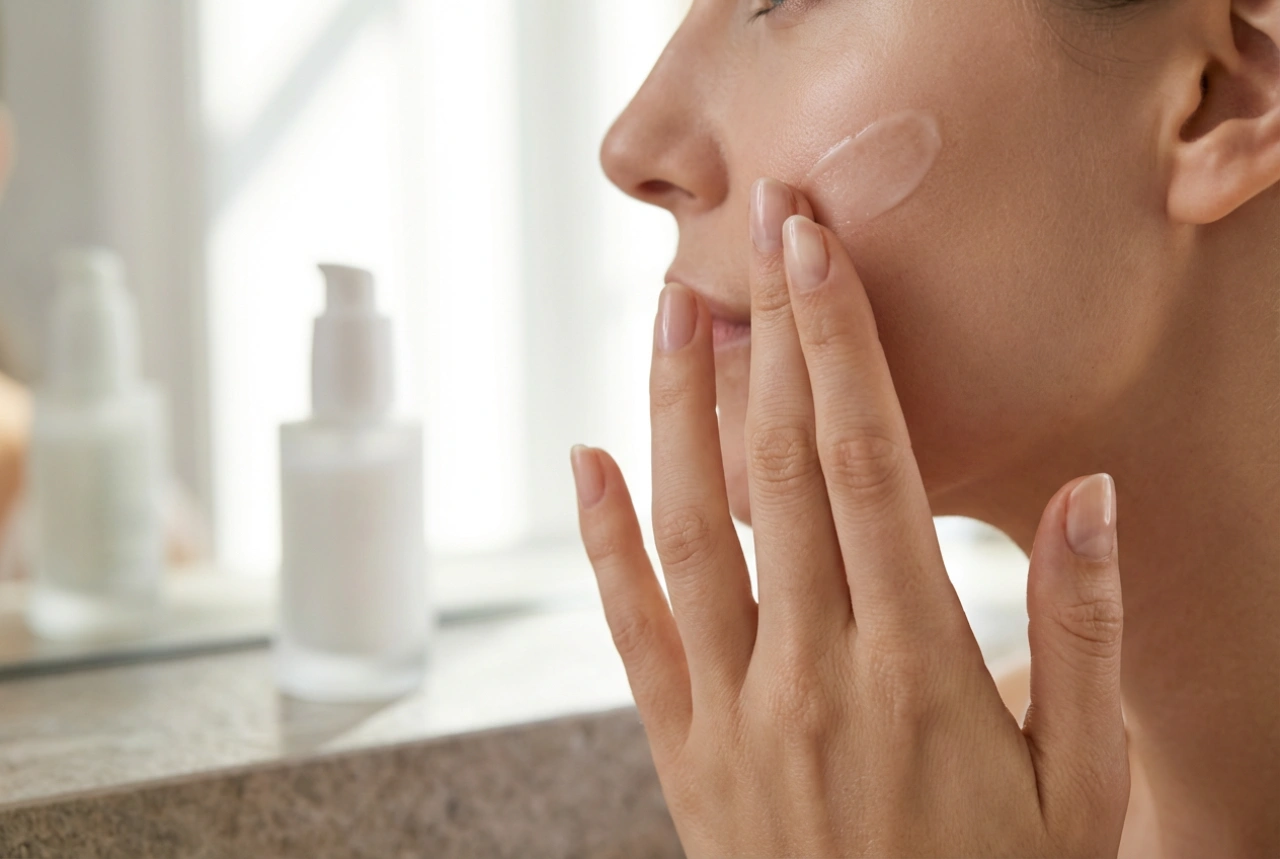


Finding the perfect canvas for your make-up begins with understanding texture. When you dispense a small drop of translucent, pore-smoothing primer onto the back of your hand, you can immediately feel its refined, velvety texture. Observing how it catches the soft, natural light as you gently blend it reveals how the product will behave on the face, scattering light to create a soft-focus effect that minimises the appearance of pores and fine lines.
What is a Pore-Smoothing Primer?
A pore-smoothing primer acts as a bridge between your skincare and your cosmetics. Designed primarily to fill in uneven skin texture, these primers create a breathable, uniform barrier on the skin's surface. Unlike hydrating primers that focus solely on moisture, smoothing formulations utilise specialised blurring agents to scatter light, which visually minimises pores, fine lines, and minor imperfections.
Most smoothing primers rely on either lightweight silicones or advanced water-based polymers. Silicones are particularly effective at creating that coveted, silky-smooth glide, while modern silicone-free alternatives offer a lighter feel for those who prefer a weightless sensation. Whichever formulation you choose, the ultimate goal is to prolong the wear of your make-up and prevent your foundation from settling into pores throughout the day.
The Critical Pre-Application Steps
The effectiveness of any primer depends heavily on the state of the skin beneath it. To ensure your pore-smoothing primer performs optimally, a consistent preparation routine is essential:
- Thorough Cleansing: Always start with a clean face. Gently wash away overnight oils or daytime impurities using a mild, non-stripping cleanser.
- Lightweight Hydration: Apply a suitable moisturiser to lock in hydration. A dehydrated surface will try to absorb moisture from your make-up, leading to cakiness and uneven wear.
- The Waiting Rule: This is the most crucial step. Allow your moisturiser to absorb completely for at least three to five minutes before applying your primer. If the skin is still wet, the primer may slip, slide, or pill.
How to Apply Pore-Smoothing Primer: The Press-and-Roll Technique
Many people make the mistake of rubbing primer onto their face as if it were a lotion. However, smoothing primers require a specific application technique to work effectively. Instead of sweeping the product across your face, use the press-and-roll method.
Step-by-Step Application
First, dispense a pea-sized amount of the translucent gel onto the back of your hand. Using your ring finger—which naturally applies the gentlest pressure—warm the product slightly by tapping it. This warming process makes the texture more pliable and easier to work with.
Next, identify the areas where your pores are most visible, typically the nose, forehead, and the inner cheeks. Gently press the primer into these targeted zones. Use a light, rolling motion with your fingertip to press the product directly into the pores rather than letting it sit loosely on top. This ensures that the valleys of the skin are evenly filled, creating a genuinely flat plane for your foundation.
Best Practices for a Seamless Finish
To achieve the best possible results with your pore-blurring products, keep these practical tips in mind:
- Less is More: Using too much primer is the primary cause of make-up sliding off during the day. A tiny, pea-sized amount is usually sufficient for the entire face.
- Check Ingredient Compatibility: Ensure your primer and foundation share a compatible base. If you are using a silicone-rich smoothing primer, pair it with a silicone-based foundation. Combining a heavy silicone primer with a water-based foundation can cause the products to repel each other, resulting in patching.
- Let It Set: After pressing the primer into your skin, wait sixty seconds before applying your foundation or concealer. This allows the smoothing barrier to set firmly in place.
Maintaining Skin Health: The Importance of Cleansing
While a smoothing primer is a wonderful tool for creating a refined look, proper evening care is essential to keep your skin healthy. Because these primers are designed to sit within the skin's texture, a simple water rinse is not enough to remove them at the end of the day.
To prevent build-up, adopt a thorough double-cleansing method in the evening. Start with a gentle cleansing oil or balm to break down the primer, make-up, and sebum. Follow up with a water-based cleanser to wash away any remaining residue. This ensures your pores remain clear, clean, and ready for your next application.