

At-home bikini waxing is a popular method for achieving long-lasting smoothness and can be a convenient alternative to salon appointments. However, success hinges on more than just the wax itself. Proper skin preparation, a correct technique, and diligent aftercare are the cornerstones of a safe and effective experience. Mastering these elements helps to minimise discomfort, reduce the risk of irritation, and achieve the clean results you desire. This guide will walk you through each stage, ensuring you feel confident and prepared.
Preparing Your Skin for a Bikini Wax
Preparation is not a step to be skipped; it is the foundation for a successful wax. Giving your skin the right attention before you begin can dramatically improve the outcome, making the process smoother and more comfortable.
Timing is Everything: Hair Length and Your Cycle
For wax to grip effectively, your hair needs to be the right length—ideally around 6 millimetres, or the length of a grain of rice. If hair is too short, the wax won't be able to adhere to it properly, leading to a patchy result and the need to re-wax, which can irritate the skin. If it's too long (over 1.5 cm), the process can be more painful. In this case, carefully trim the hair with safety scissors to the ideal length before you start. It’s also wise to consider your menstrual cycle. Skin can be significantly more sensitive in the days leading up to and during your period due to hormonal fluctuations. For a more comfortable experience, try to schedule your wax for the week after your period ends.
Pre-Wax Cleansing and Exfoliation
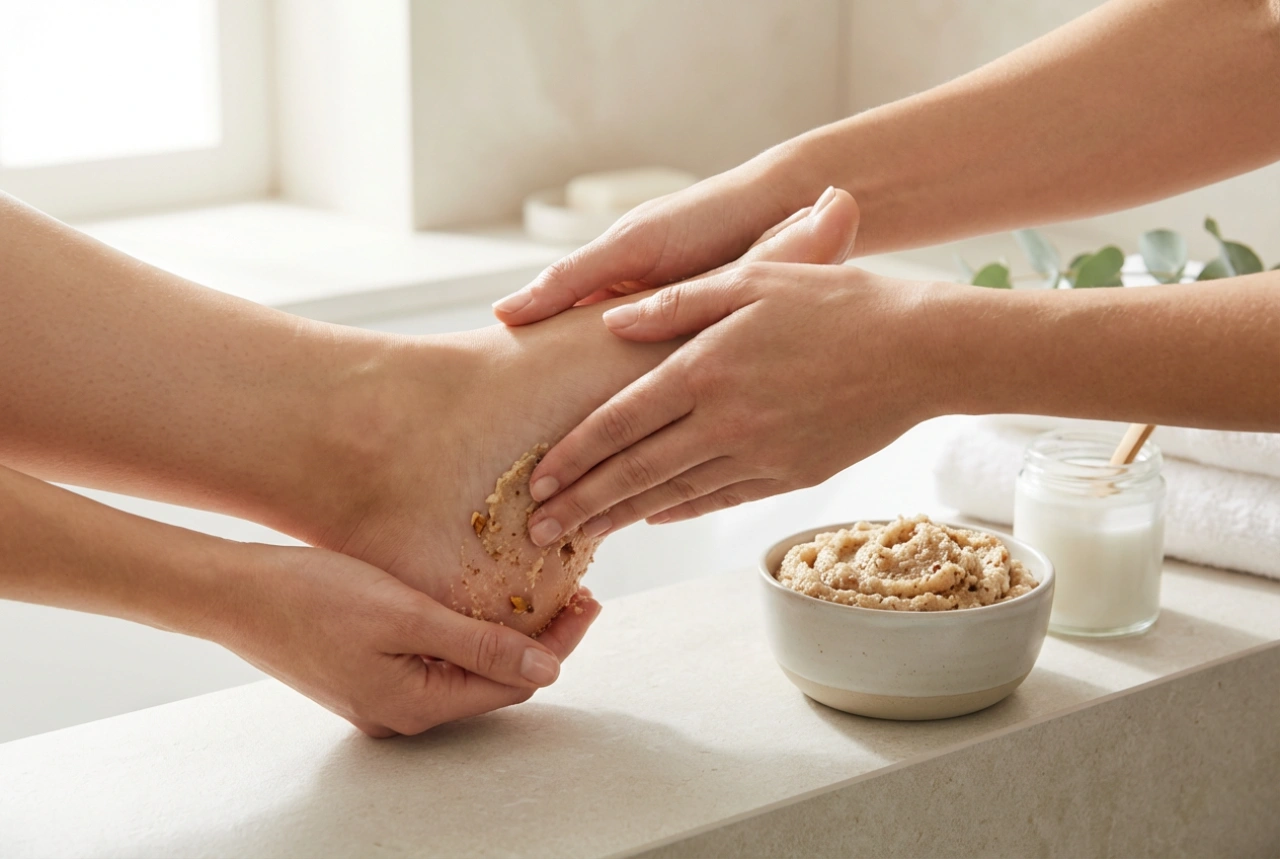
Clean skin is non-negotiable. About 24 to 48 hours before you plan to wax, gently exfoliate the bikini area. This crucial step sloughs away dead skin cells that can trap hairs and clog pores, helping to prevent ingrown hairs later on. Use a mild physical exfoliant, like a soft scrub or a gentle exfoliating cloth, and work in light, circular motions. Avoid harsh chemicals or aggressive scrubbing, which can sensitise the skin. On the day of your wax, cleanse the area thoroughly with a mild, fragrance-free soap or body wash and warm water. This removes any surface bacteria, sweat, or residue that could interfere with the wax or lead to post-wax bumps.
The Final Prep: Just Before You Wax
Immediately before you begin, your skin must be completely dry. Moisture is the enemy of wax, as it prevents it from adhering to the hair. Pat the area dry with a clean, soft towel. Do not apply any moisturisers, body lotions, or oils, as these will create a barrier between the wax and the hair. For better results, especially if you're in a humid environment or prone to sweating, you can apply a light dusting of a talc-free powder. This helps to absorb any excess moisture and allows the wax to grip the hairs more effectively.
The At-Home Waxing Process: A Step-by-Step Guide
With your skin prepped, it's time to focus on the technique. Work in a well-lit, comfortable space where you won't be rushed. Patience and precision are key to achieving a clean finish safely.
Setting Up Your Waxing Station
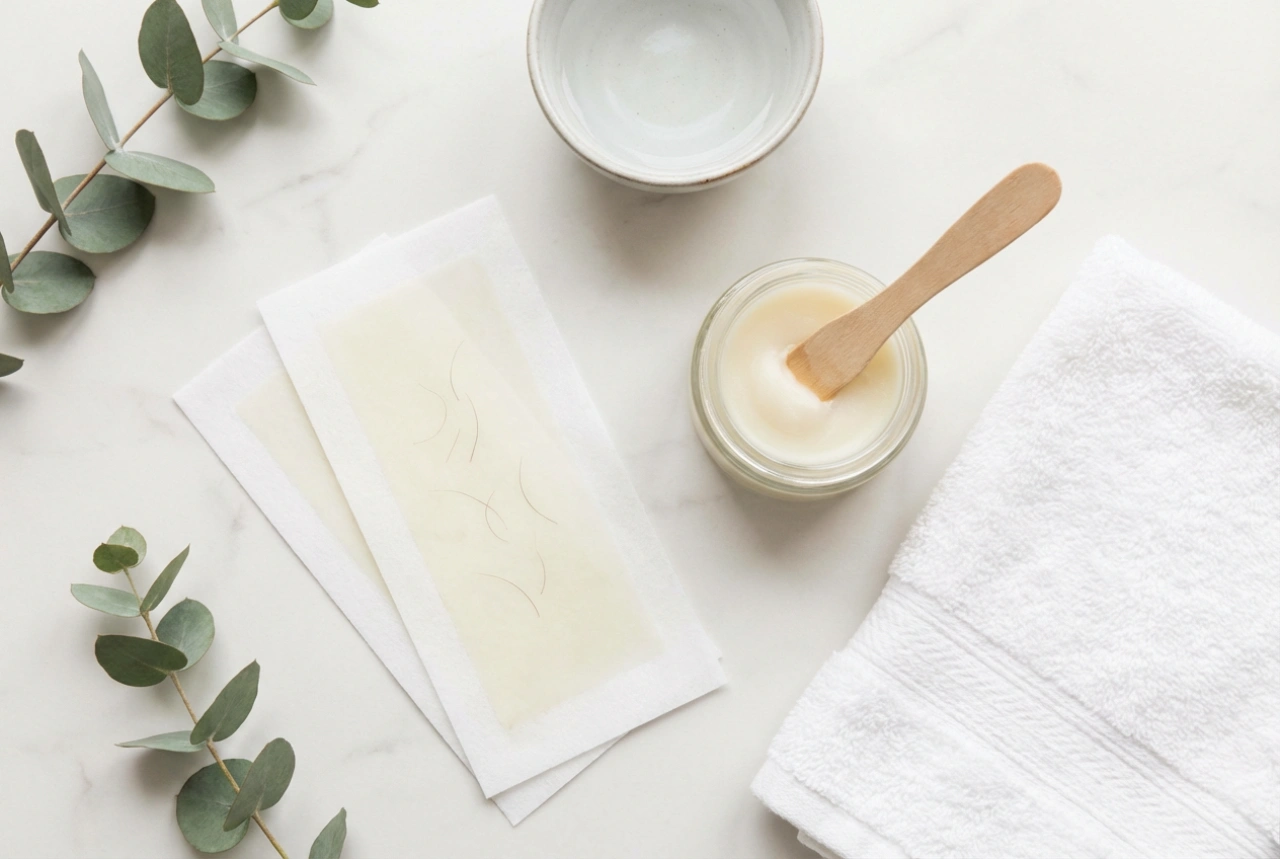
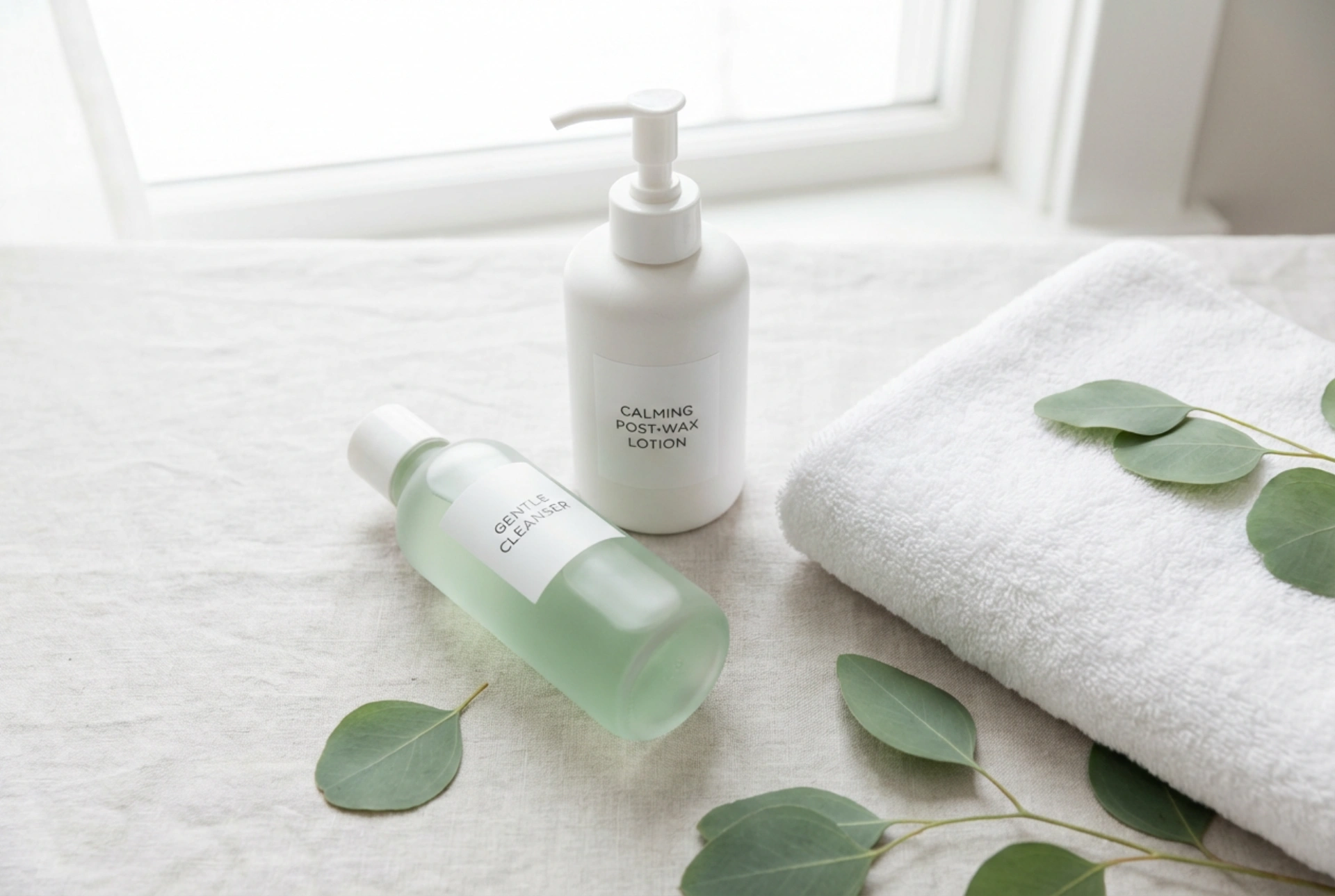
Gather everything you need before you start to avoid any mid-process scrambling. You will need your wax (hard or soft), a wax warmer if required, application spatulas, removal strips (for soft wax), a post-wax oil or cleanser to remove residue, and a calming post-wax lotion. Lay down an old towel to protect your surfaces. Ensure you have a mirror positioned to give you a clear view of the area you are working on.
Wax Application and Removal Technique
The correct technique is critical for safety and effectiveness. First, always perform a patch test on a small, discreet area (like your inner wrist) to check the wax temperature and ensure you don't have an adverse reaction. The wax should be warm and spreadable, like thick honey, but never uncomfortably hot. When you're ready, use a clean spatula to apply a thin, even layer of wax in the direction of hair growth. For the bikini area, it's best to work in small, manageable sections of about 2-3 cm wide and 5-7 cm long. If using soft wax, press the fabric strip firmly onto the wax, leaving a small 'tab' at the end to pull. Hold your skin taut with your free hand—this is vital to minimise pain and prevent bruising. Then, in one swift, fluid motion, pull the strip off in the opposite direction of hair growth. The pull should be quick and parallel to your skin, not upwards away from it. Breathe out as you pull. Never re-apply wax to the same section more than once during a single session, as this can lift the skin and cause significant irritation.
Post-Wax Care: Soothing and Maintaining Your Skin
What you do after waxing is just as important as what you do before. Proper aftercare helps to soothe the skin, prevent irritation, and maintain your smooth results for longer.
Immediate Aftercare
Once you've finished waxing, you will likely have some sticky residue left on your skin. Most at-home kits come with a specially formulated post-wax oil or wipes to dissolve this residue gently. Do not try to scrub it off with soap and water, as this won't be effective and will only irritate your freshly sensitised skin. After removing the residue, apply a calming, fragrance-free lotion or a product containing soothing ingredients like aloe vera. For the next 24 to 48 hours, treat the area with care. Avoid hot baths, saunas, steam rooms, swimming pools, and intense exercise, as heat and sweat can irritate the open follicles. Wear loose-fitting, breathable cotton underwear and trousers to prevent friction.
Long-Term Maintenance to Prevent Ingrown Hairs
To keep your skin smooth and help prevent ingrown hairs, reintroduce gentle exfoliation into your routine, but only after waiting at least 48-72 hours. Exfoliating 2-3 times a week helps to keep the skin surface clear, allowing new hairs to grow through without becoming trapped. Alongside exfoliation, keep the skin in the bikini area well-moisturised. Using a simple, non-comedogenic moisturiser daily will keep the skin soft and supple, which also helps in preventing ingrown hairs. Consistent care between waxes is the secret to easier sessions and better long-term results.
Common Mistakes to Avoid for a Safer Experience
Navigating at-home waxing can be tricky at first. Being aware of common pitfalls can help you avoid them and ensure your experience is as safe and pleasant as possible.
- Incorrect Hair Length: Waxing hair that is too short will be ineffective, while waxing hair that is too long will be unnecessarily painful.
- Overheating the Wax: Hot wax can cause serious burns. Always test the temperature on your inner wrist before applying it to the delicate bikini area.
- Not Holding the Skin Taut: Failing to pull the skin taut before removing the strip is a leading cause of pain, bruising, and incomplete hair removal.
- Pulling the Strip Incorrectly: Pulling the strip upwards (away from the skin) instead of parallel to it can cause hair to break instead of being removed from the root and can lead to skin lifting.
- Working in Too-Large Sections: It may be tempting to cover a large area to get it over with quickly, but this gives you less control and can lead to poor results and more pain. Small, manageable sections are best.
- Re-waxing the Same Spot: Applying wax over the same area multiple times in one session is a recipe for irritation, redness, and potential skin damage. Use tweezers for any stray hairs.
- Ignoring Aftercare: Skipping soothing lotions and jumping straight into a hot shower or a workout can lead to uncomfortable bumps and irritation. Give your skin 24-48 hours to recover.