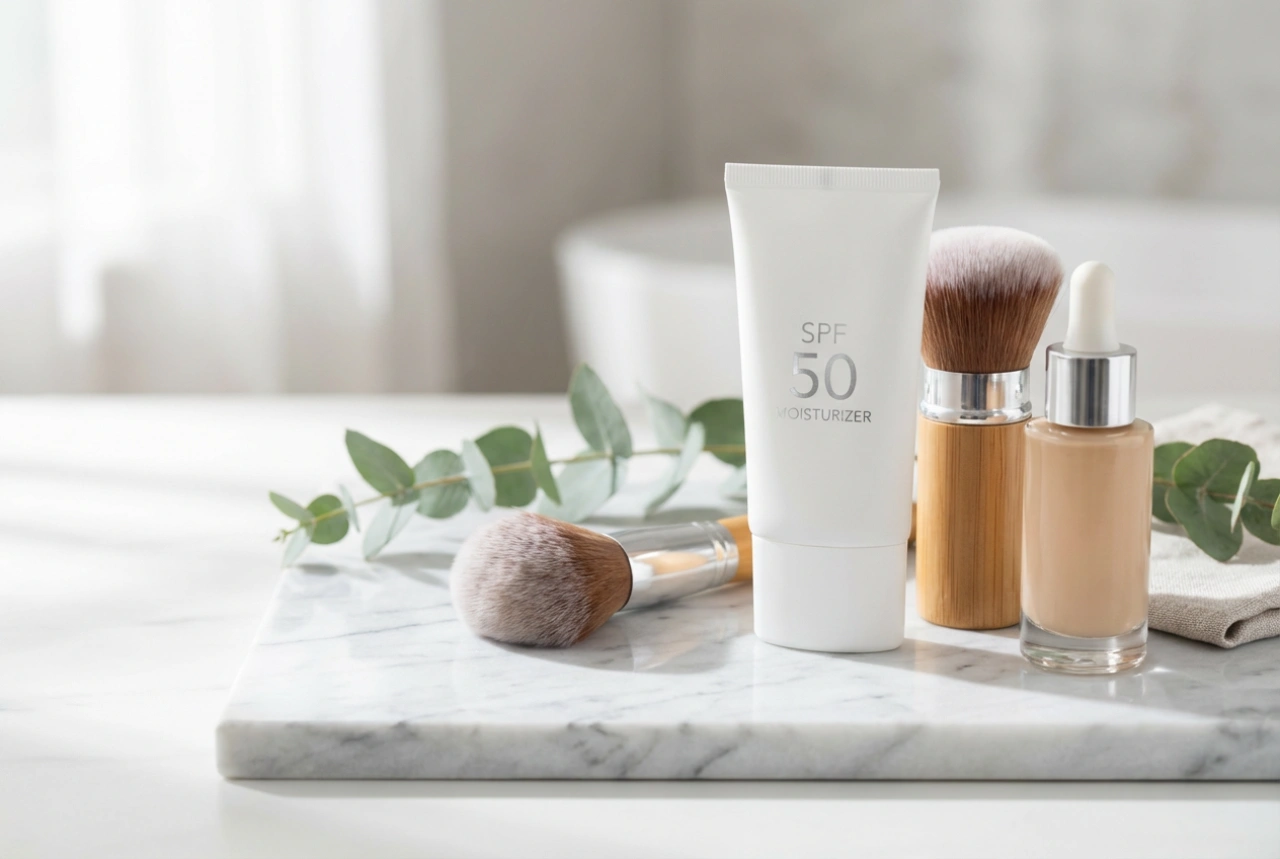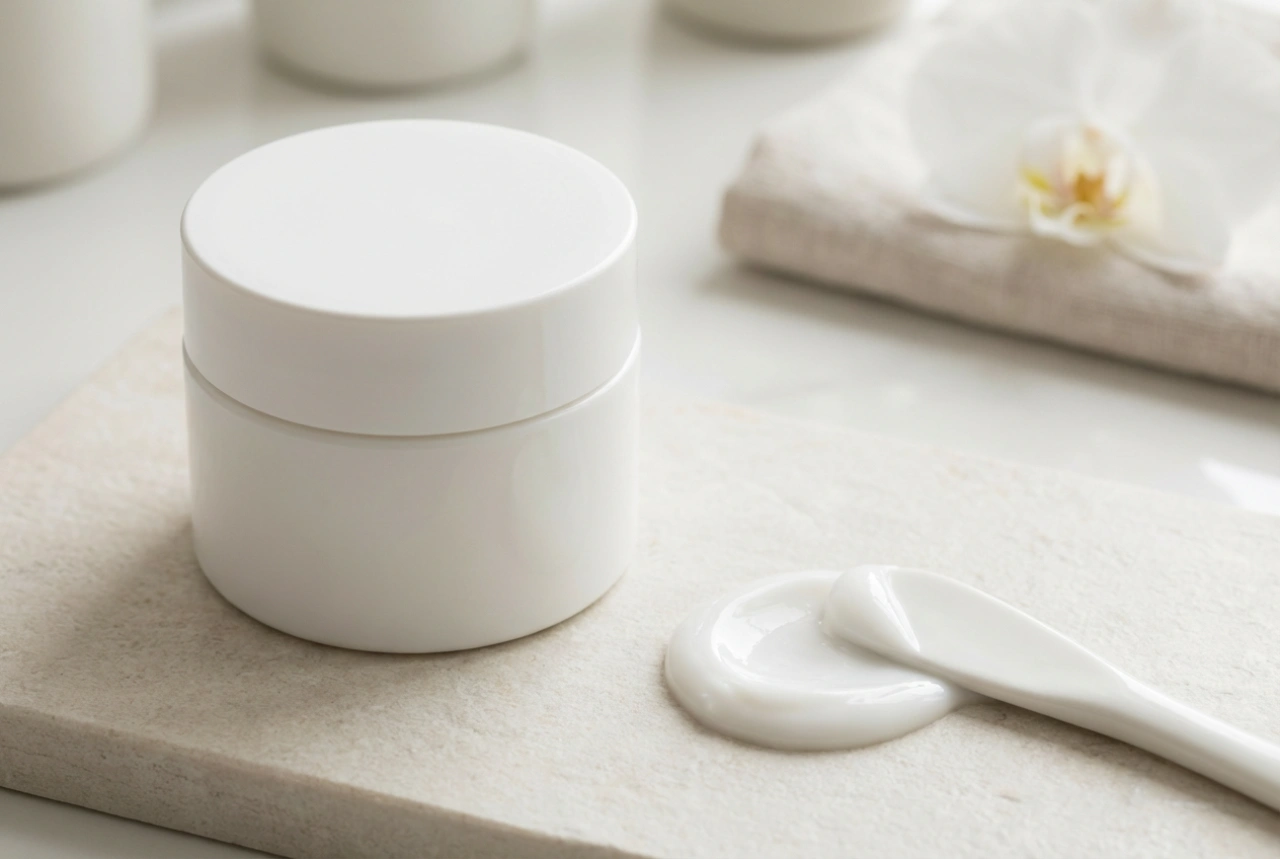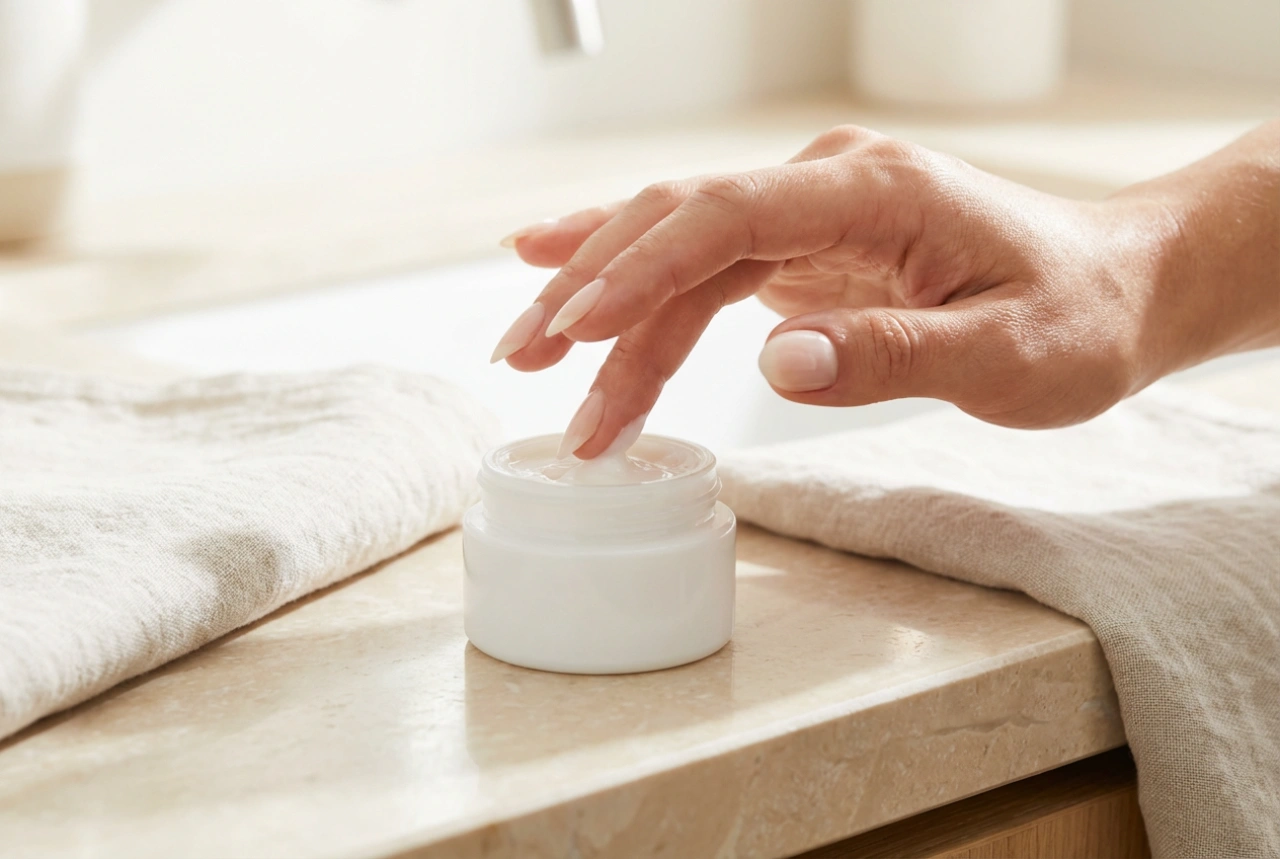


Applying a facial moisturiser seems like the simplest step in any skincare routine, yet doing it correctly can be the difference between a radiant, comfortable complexion and one that feels lacklustre or greasy. This fundamental gesture is more than just slathering cream on your face; it's a moment of care that, when performed with the right knowledge, can significantly enhance your skin's appearance and health. Mastering the when, how much, and how of moisturising will elevate your daily ritual into a truly effective practice.
When to Apply Your Moisturiser for Maximum Benefit
Timing is crucial for ensuring your moisturiser works its best. The two most important moments for application are in the morning and in the evening, each serving a distinct purpose.
In the morning, applying moisturiser after cleansing helps to lock in hydration and create a smooth, protective barrier against environmental stressors you'll encounter throughout the day. It also creates an ideal canvas for makeup, helping it to apply more evenly and last longer. Think of it as preparing your skin for the day ahead.
In the evening, your skin enters a natural restorative phase. Applying moisturiser as the final step in your nighttime routine, after cleansing and any serums, supports these processes. It provides sustained hydration throughout the night, helping you wake up with skin that feels soft, plump, and refreshed. This is when the nourishing ingredients have the best chance to be absorbed without interruption.
A key tip for both morning and night is to apply your cream to slightly damp skin. After cleansing, gently pat your face with a clean towel, but leave it with a touch of moisture. This residual dampness helps the moisturiser to spread more easily and effectively seal in hydration, rather than trying to add moisture to a completely dry surface.
How Much is Enough? Finding the Right Amount of Cream
One of the most common points of confusion is the amount of product to use. Using too much can lead to a heavy, greasy feeling, potential pilling of products, and unnecessary waste. Using too little, on the other hand, means your skin isn't receiving the full hydrating and protective benefits.
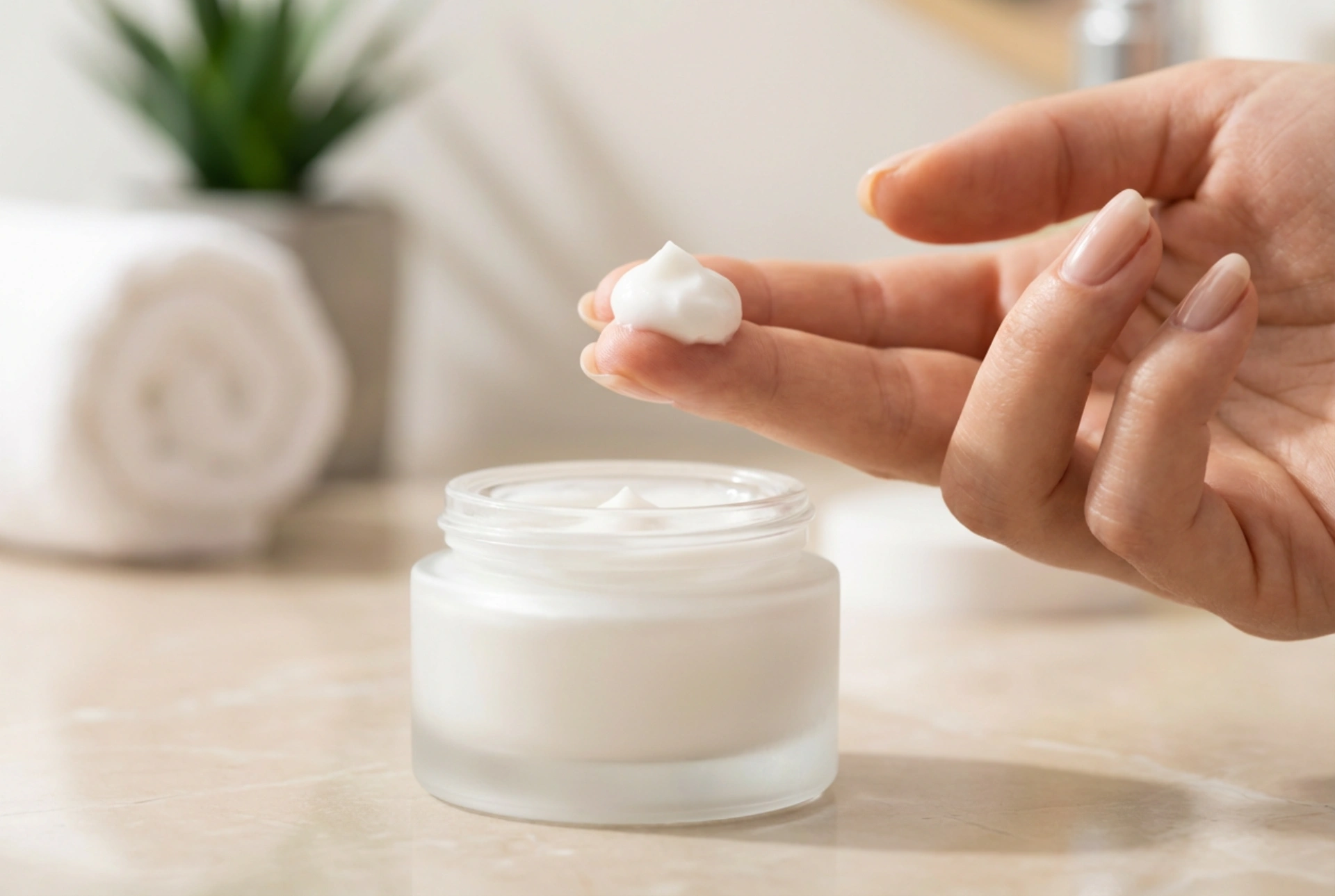
A general rule of thumb is to use a pearl-sized or pea-sized amount for your entire face. This is typically enough to provide adequate coverage without overloading the skin. It's always better to start with a small amount and add a little more if needed, rather than starting with too much.
Consider these factors when adjusting the amount:
- Skin's Needs: Skin that is naturally drier may require a slightly more generous application than skin that is more combination or oily. Pay attention to how your skin feels after application—it should feel comfortable and hydrated, not slick or tight.
- Product Texture: A lightweight lotion or gel formula may require a slightly larger amount than a very rich, dense cream.
- Seasonal Changes: You might find your skin needs more moisture during cold, windy winter months and less during humid summer weather. Adjust your application accordingly.
The Art of Application: A Step-by-Step Guide
The technique you use to apply your moisturiser matters just as much as the timing and amount. An aggressive, rushed application can pull at the skin, whereas a gentle, mindful technique promotes absorption and provides a moment of relaxation.
Step 1: Start with Clean Hands and a Clean Face
Always wash your hands thoroughly before touching your face or your skincare products. Apply your moisturiser to a freshly cleansed face to ensure you are not sealing in dirt or impurities.
Step 2: The Dotting Method
Instead of scooping a large amount onto your palm, take your pearl-sized amount onto your fingertips. Gently dot the cream onto five key points of your face: your forehead, your cheeks (one dot on each), your nose, and your chin. This ensures a more even distribution of the product.
Step 3: Gentle, Upward Strokes
From the dots, use your fingertips to gently massage the cream into your skin using light, upward and outward strokes. Start from the centre of your face and work your way out. For your forehead, sweep upwards from your eyebrows towards your hairline. This gentle, upward motion helps to avoid tugging downwards on the skin.
Step 4: Don't Forget the Neck and Décolletage
The skin on your neck and upper chest is just as delicate as the skin on your face and is often one of the first areas to show signs of ageing. Extend your moisturiser application down your neck and across your décolletage, again using gentle, upward strokes to blend the product in fully.
Common Moisturising Mistakes and How to Avoid Them
Perfecting your routine often means unlearning a few common habits. Be mindful of these simple mistakes to get the most from your moisturiser.
- Applying to completely dry skin: As mentioned, applying cream to slightly damp skin greatly enhances its hydrating effect.
- Being too aggressive: Avoid rubbing, scrubbing, or pulling at your skin. A gentle touch is all that's needed for the product to be absorbed.
- Forgetting the neck: The neck is an extension of your face. Consistently including it in your routine is key for maintaining a uniform appearance.
- Inconsistent application: For your skin to reap the long-term benefits of hydration, moisturising must be a consistent, twice-daily habit.
- Applying over unclean skin: Always cleanse thoroughly before moisturising to avoid trapping impurities, which can lead to skin issues.