

Our feet carry us through life, yet they are often the most neglected part of our beauty regimen. We tuck them away in shoes and forget about them until discomfort arises, often in the form of dry, rough skin and cracked heels. Establishing a simple, consistent evening foot care routine can transform their condition, turning a source of discomfort into one of comfort and confidence. An evening ritual is not just about aesthetics; it's a moment of restorative self-care that provides lasting benefits you can feel with every step.
Why an Evening Routine is Key for Foot Care
The evening is the ideal time to provide intensive care to your feet. After a long day, they finally get a chance to rest, making it the perfect window for treatments to work their magic uninterrupted. Unlike applying a cream in the morning before rushing into shoes, an overnight treatment allows products to absorb deeply without being rubbed away by socks and footwear. The skin on the soles of our feet is unique; it's naturally thicker to withstand daily pressure, but it also lacks the sebaceous glands that help keep other areas of our skin moisturised. This makes it particularly prone to dryness and cracking, especially on the heels where pressure is most concentrated. A dedicated evening routine directly addresses this vulnerability, delivering much-needed moisture and care when the body is in its natural repair cycle during sleep.
Your Step-by-Step Guide to Softer Feet
Consistency is more important than intensity. Follow this simple, soothing routine two to three times a week for exfoliation, and daily for moisturising, to achieve and maintain soft, healthy-looking feet.
Step 1: The Soothing Soak
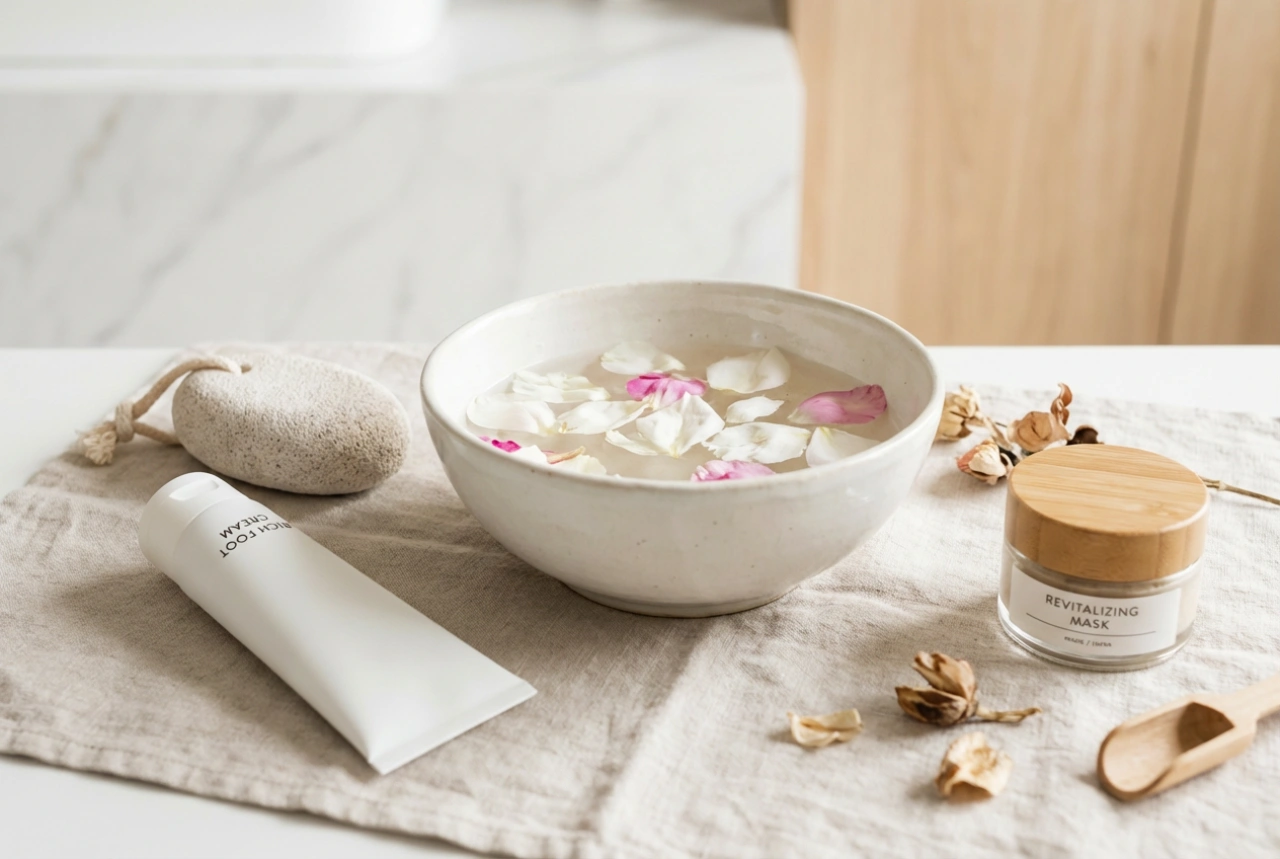
Begin by preparing a warm foot bath. It's crucial that the water is warm, not hot, as excessively hot water can strip the skin of its natural oils and worsen dryness. Fill a basin with enough water to cover your ankles. For an enhanced experience, you can add a handful of Epsom salts to help soothe tired feet or a few drops of a gentle, skin-conditioning bath oil. Submerge your feet and allow them to soak for 10 to 15 minutes. This step is not just relaxing; its primary purpose is to soften the tough, dry skin and calluses, preparing them for gentle exfoliation.
Step 2: Gentle Exfoliation
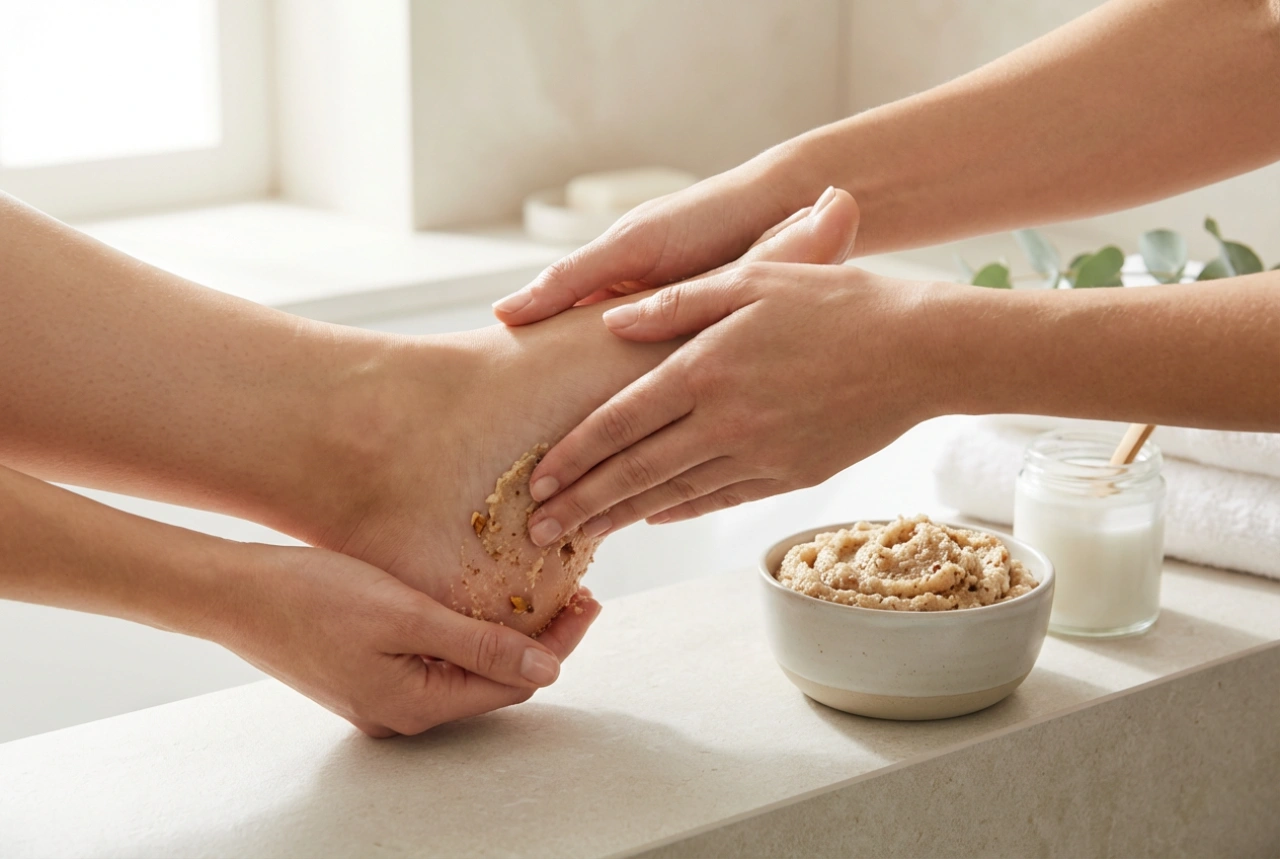
Once the skin is softened, it's time to exfoliate. The goal here is to remove the outermost layer of dead, hard skin, not to scrub down to sensitive new skin. Use a pumice stone or a fine-grit foot file. Pat your feet slightly so they are damp but not dripping wet. Gently rub the tool over the callused areas, such as the heels, balls of the feet, and the sides of the big toes. Use light to medium pressure with circular or back-and-forth motions. Let the tool do the work and never press so hard that it causes pain or redness. A few minutes per foot is sufficient. Remember, aggressive scrubbing can damage the skin and trigger it to grow back even thicker as a protective measure.
Step 3: Rinse and Dry Thoroughly
After exfoliating, rinse your feet with clean, lukewarm water to wash away any sloughed-off skin. This next part is critical: dry your feet completely with a soft, clean towel. Pay special attention to the areas between your toes, as lingering moisture can create an environment for other skin issues to develop. Pat your skin dry rather than rubbing it vigorously to avoid irritation.
Step 4: Deep Moisturization
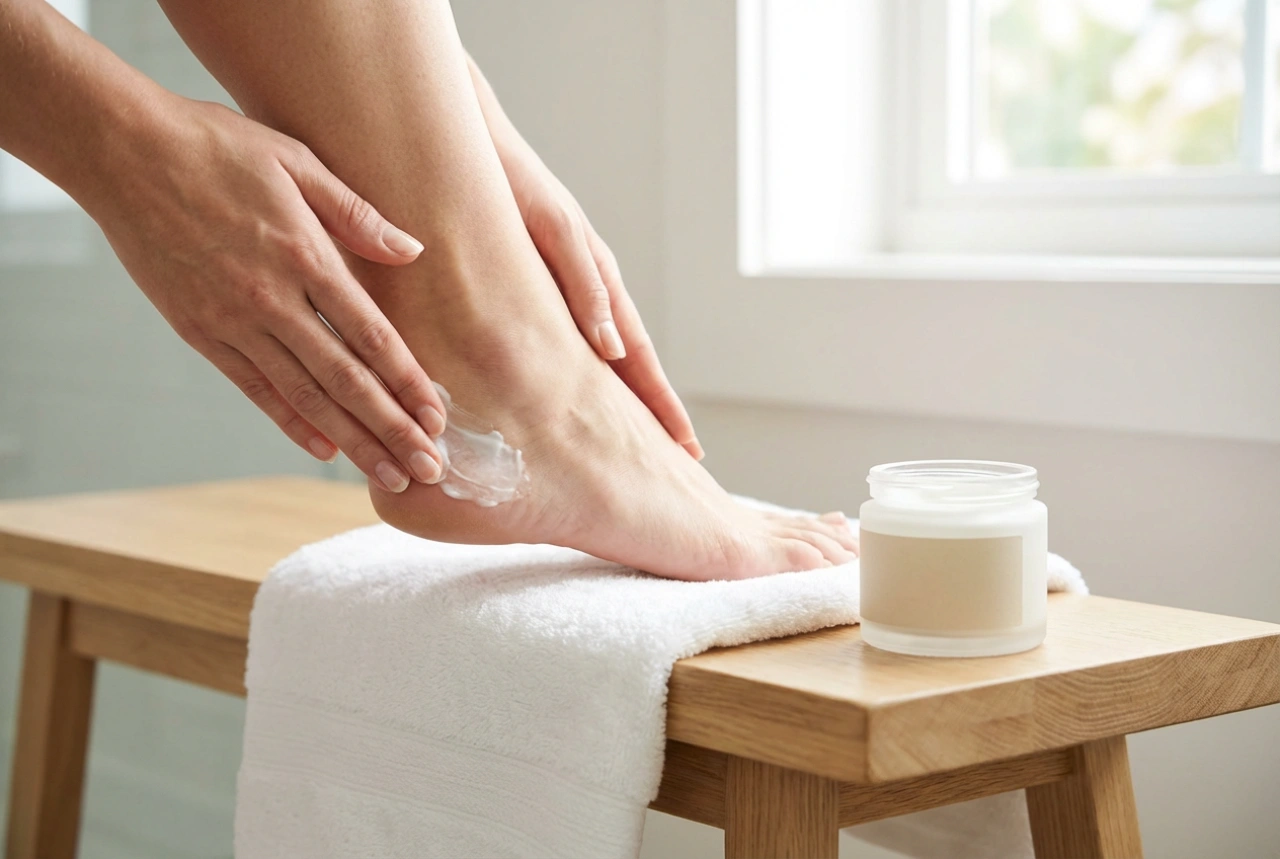
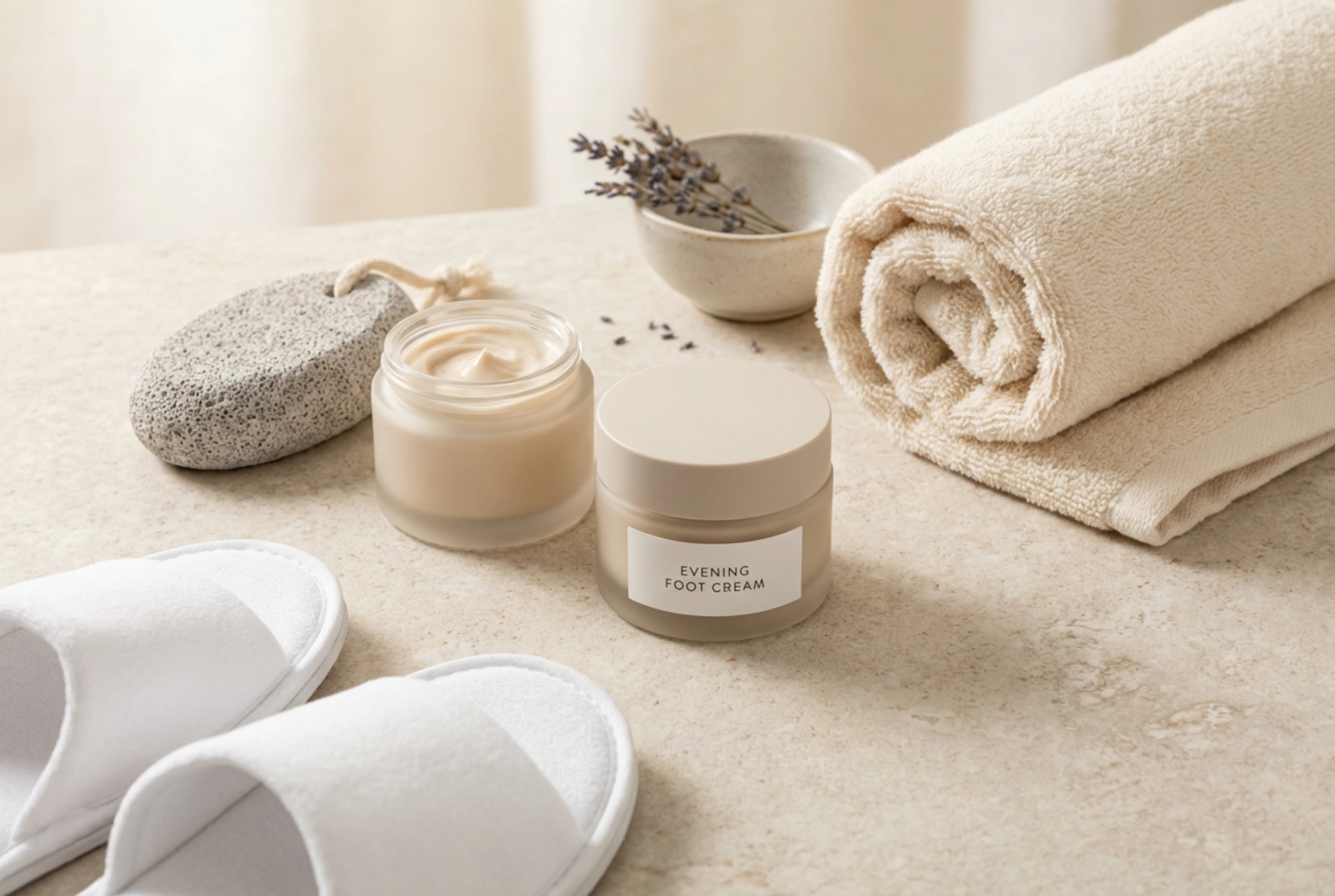
This is arguably the most vital step in preventing cracked heels. Immediately after drying, while the skin is still slightly receptive from the soak, apply a generous amount of a rich foot cream. Look for moisturisers specifically formulated for feet, as they tend to be thicker and more occlusive than regular body lotions. Ingredients like urea, glycerin, shea butter, and ceramides are excellent for hydrating and repairing the skin barrier. Take a minute to massage the cream into your skin, focusing on your heels and any other areas of dryness. This not only helps the product absorb but also stimulates circulation.
Step 5: Lock It In
To maximise the benefits of your moisturiser, create an overnight 'mask' for your feet. After applying the cream, slip on a pair of clean cotton socks. The socks help to lock in the moisture, allowing the cream to penetrate deeply throughout the night. This also has the practical benefit of protecting your bed linens from greasy residue. You'll wake up to feet that feel significantly softer and more hydrated.
Essential Tools and How to Care for Them
Using the right tools safely is paramount for an effective home pedicure.
- Pumice Stone: A natural, lightweight volcanic rock that's excellent for gentle, regular exfoliation.
- Foot File: A manual tool, often with a handle, that has a filing surface to smooth rough skin. Opt for ones with a fine or medium grit rather than coarse, cheese-grater-like surfaces.
Tool hygiene is non-negotiable. After every use, scrub your pumice stone or file with soap and a small brush under running water to remove skin debris. Allow them to air dry completely before storing them in a dry place. Never share your foot care tools with anyone, and replace them regularly or when they become difficult to clean.
Common Pitfalls to Avoid
To ensure your efforts are successful, be mindful of these common mistakes:
- Over-Exfoliating: As mentioned, being too aggressive or exfoliating too frequently can damage the skin's protective barrier and worsen the problem. Stick to 2-3 times per week at most.
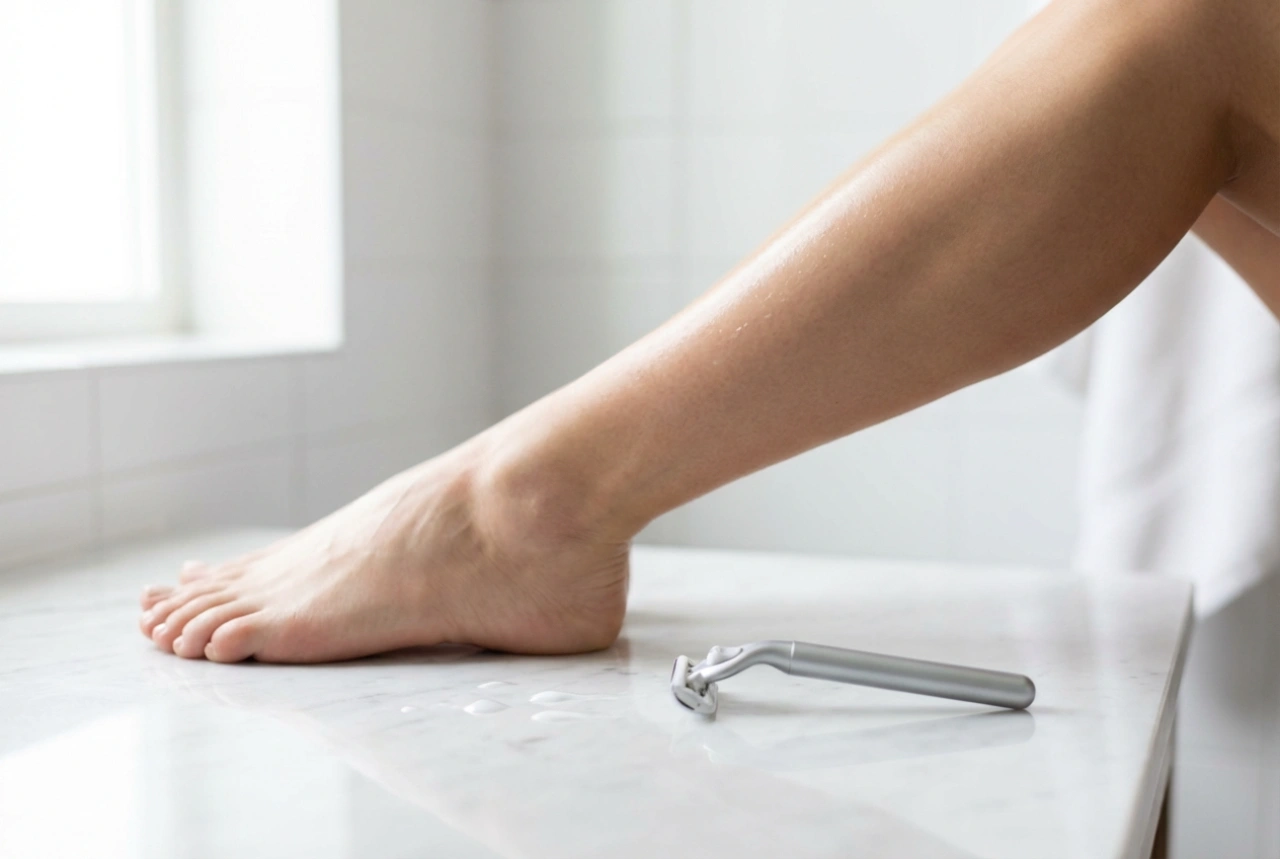
- Using Sharp Tools: Avoid any tools that cut or shave the skin, such as blades or razors. These are not safe for home use and can easily cause cuts and lead to more serious problems.
- Ignoring Daily Care: While the full routine is great for a couple of nights a week, applying a layer of foot cream every single night before bed will make the most significant difference in maintaining softness.
- Forgetting About Footwear: Constantly wearing open-backed shoes like sandals or slingbacks can contribute to dry heels, as they allow the fatty pad under the heel to expand sideways, increasing pressure on the skin. Be mindful of your shoe choices and give your feet a break in supportive, closed-heel shoes.