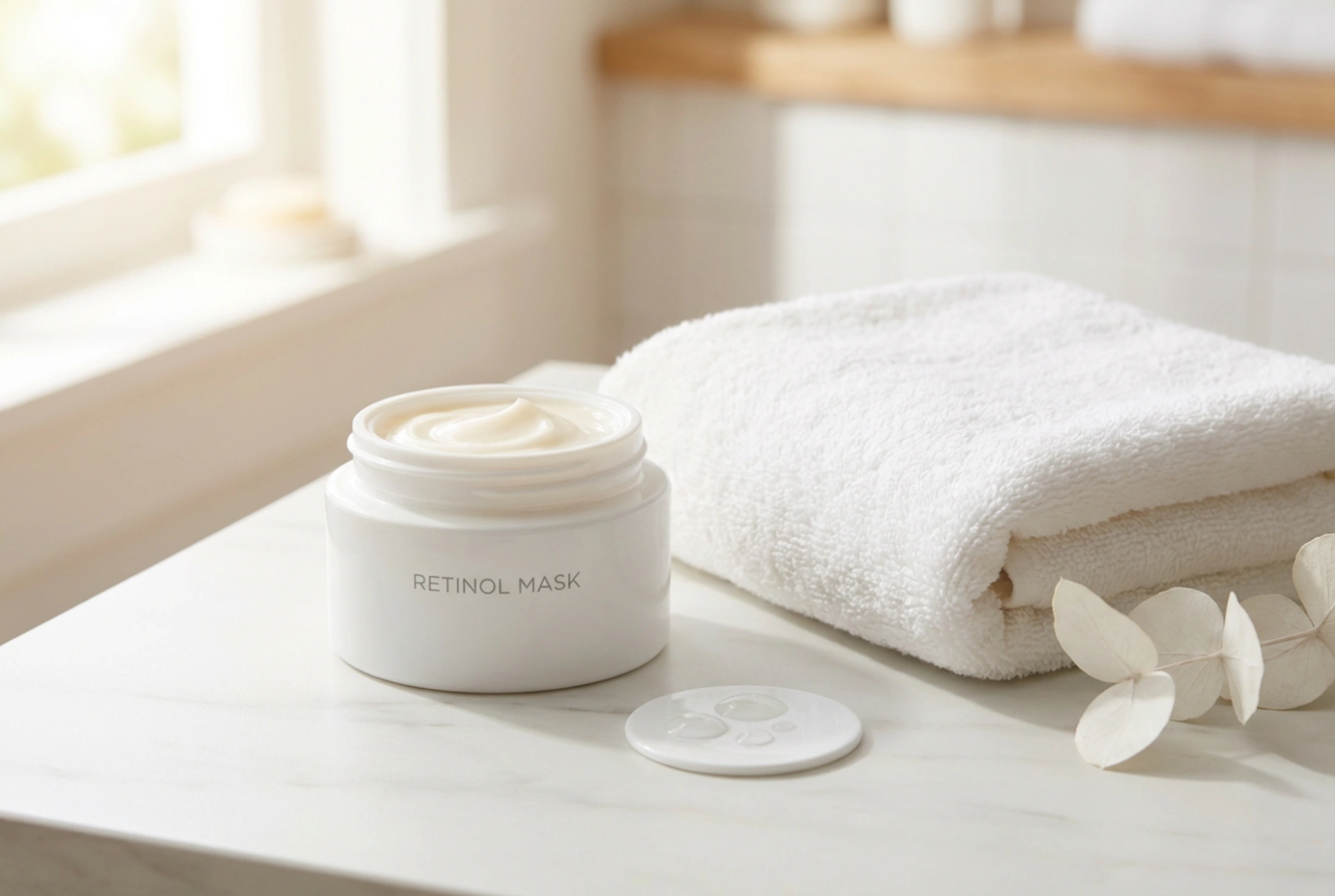


Retinol is one of the most celebrated ingredients in modern skincare, valued for its remarkable ability to refine skin texture and promote a radiant appearance. While often found in serums and creams for nightly use, retinol is also available in the form of face masks. These masks offer a more intensive, periodic treatment, but their potency means they require a careful and considered approach. Understanding how to use a retinol mask safely is key to unlocking its benefits while respecting your skin's health and comfort.
Before You Begin: Preparing for Your Retinol Mask
Proper preparation is the foundation of a successful and safe retinol application. Rushing this step can lead to unnecessary irritation and diminish the positive effects of the treatment. Before you even open the jar, there are a few things to consider.
The Patch Test: A Non-Negotiable Step
Especially if you are new to retinol or trying a new product, a patch test is essential. Apply a small amount of the mask to a discreet area of skin, such as behind your ear or on your inner arm. Leave it on for the recommended duration, rinse it off, and wait for 24-48 hours. If you experience no significant redness, itching, or discomfort, you can proceed with applying the mask to your face. This simple test helps you understand how your skin will react.
Clean and Completely Dry Skin is Crucial
Always apply a retinol mask to freshly cleansed skin. Use a mild, non-stripping cleanser to remove all makeup, dirt, and oil. Afterwards, gently pat your face dry with a soft towel. It is critically important that your skin is completely dry before application. Applying retinol to damp skin can increase its penetration, which might sound good but can significantly heighten the risk of irritation. Allow your skin to air-dry for several minutes after patting it with a towel to be certain.
The Application Process: A Step-by-Step Guide
Using a retinol mask is a precise ritual where technique and timing matter more than quantity. Follow these steps for a safe and effective treatment.
Apply a Thin, Even Layer
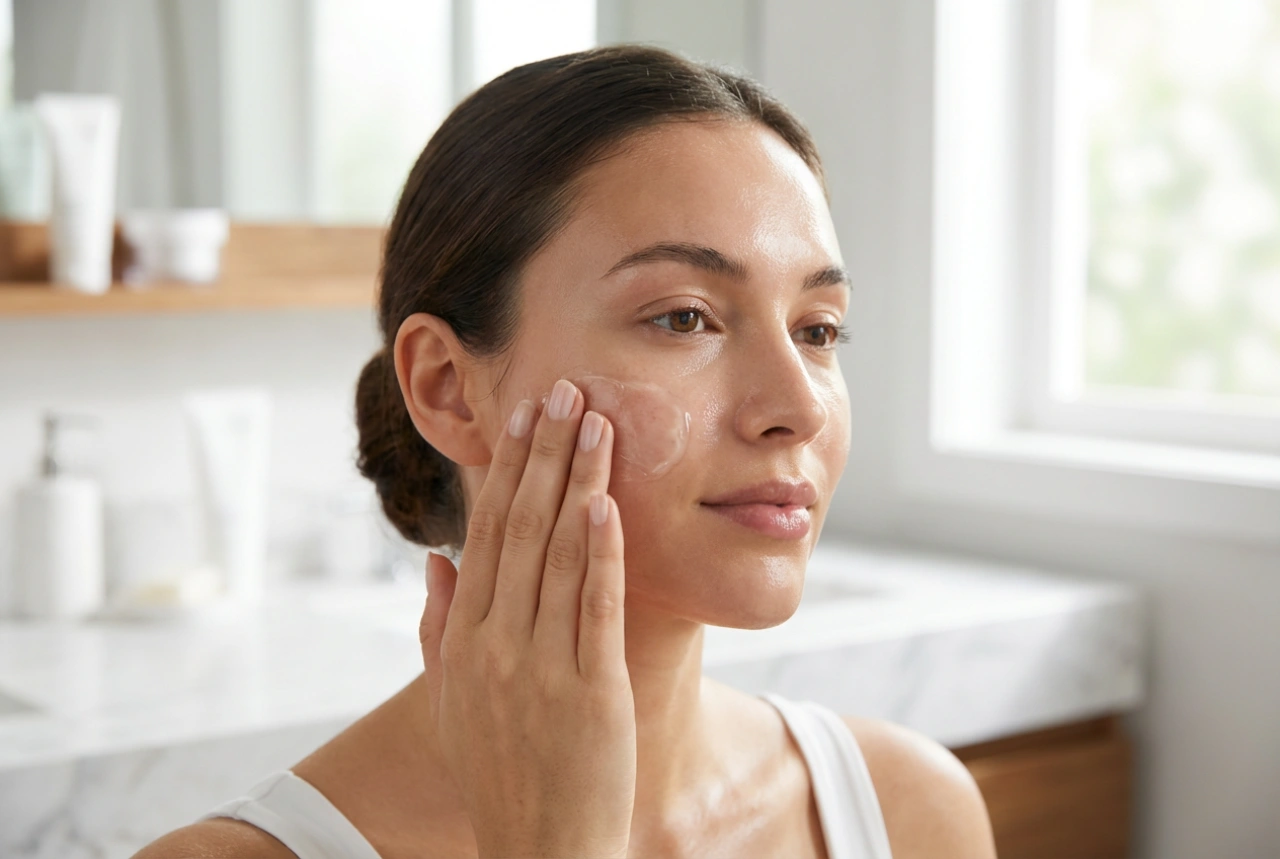
Using clean fingers or a dedicated mask brush, apply a thin, even layer of the product across your face. You do not need a thick coat for the mask to be effective; a little goes a long way. Be mindful to avoid the most sensitive areas of your face. Steer clear of the delicate skin directly around your eyes, the corners of your nose, and the corners of your mouth, as these areas are more prone to dryness and irritation.
Respect the Recommended Time
One of the biggest mistakes with active masks is leaving them on for too long, assuming 'more is better'. With retinol, this is not the case. Adhere strictly to the time limit suggested on the product's packaging, which is typically between 5 to 15 minutes. If you are a beginner or have sensitive skin, it is wise to start with the shortest recommended time and gradually increase it in subsequent sessions as your skin builds tolerance.
Rinsing and Immediate Aftercare
Once the time is up, rinse the mask off thoroughly using lukewarm water. Avoid hot water, as it can be stripping and add to potential sensitivity. Gently pat your skin dry with a clean, soft towel—never rub. Immediately follow up with a simple, soothing, and deeply hydrating moisturiser. Look for ingredients that support the skin barrier. Do not apply any other active ingredients, such as exfoliating acids or potent vitamin C serums, on the same evening.
Post-Mask Care: The Following Days
What you do after your retinol treatment is just as important as the application itself. The 24-72 hours following the use of a retinol mask are focused on hydration, protection, and gentle care.
Focus on Hydration and Barrier Support
In the days following your mask, simplify your skincare routine. Use a gentle, creamy cleanser and follow up with hydrating serums and a nourishing moisturiser. Your skin has undergone an intensive treatment, and its primary need is to be soothed, hydrated, and protected. This is the time to support your skin barrier, not challenge it further.
Sun Protection is Essential
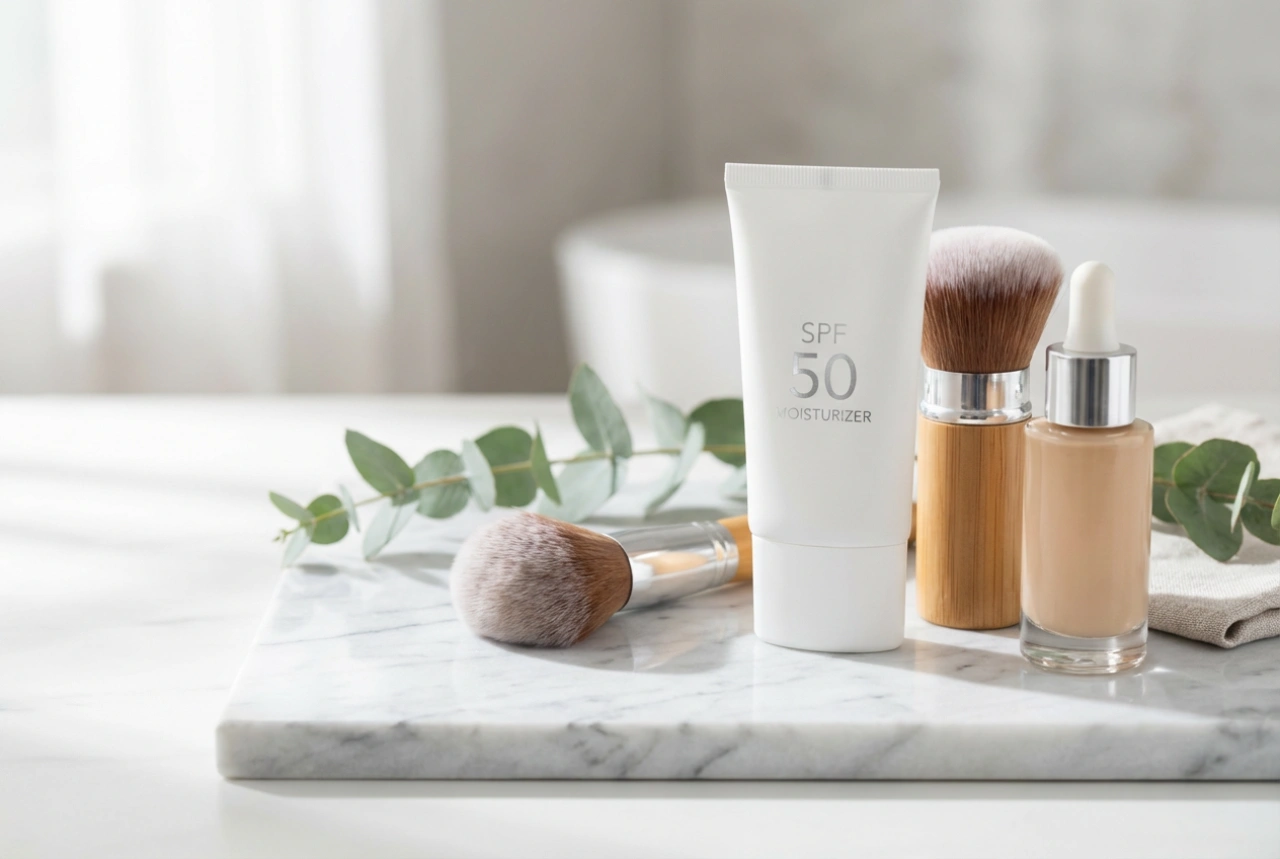
Retinol increases your skin's photosensitivity, making it more vulnerable to sun damage. This effect can last for several days after application. Therefore, using a broad-spectrum sunscreen with an SPF of 30 or higher every single morning is non-negotiable. Reapply as needed throughout the day. Skipping this step can not only lead to sun damage but also negate the very benefits you are trying to achieve with retinol.
Avoid Other Potent Actives
Give your skin a break from other strong ingredients. For at least 2-3 days after using a retinol mask, avoid exfoliants (like AHA and BHA), scrubs, and high-concentration vitamin C serums. Combining too many potent products can overwhelm your skin barrier, leading to redness, peeling, and discomfort. Listen to your skin and let it guide your routine.
Common Mistakes to Avoid
To ensure a positive experience, be mindful of these common pitfalls when incorporating a retinol mask into your routine:
- Using it too often: Retinol masks are intensive treatments, not daily products. For most people, once a week or even once every two weeks is sufficient.
- Applying to compromised skin: Never apply a retinol mask to sunburnt, irritated, chapped, or broken skin.
- Ignoring your skin's signals: Mild tingling can be normal, but burning or intense stinging is a sign to rinse the mask off immediately. Some light flaking a few days later can occur, but excessive peeling and persistent redness mean you should reduce the frequency or duration of use.
- Forgetting the neck and décolletage: These areas have thinner skin and may be more sensitive. If you apply the mask here, be extra cautious and always perform a patch test first.