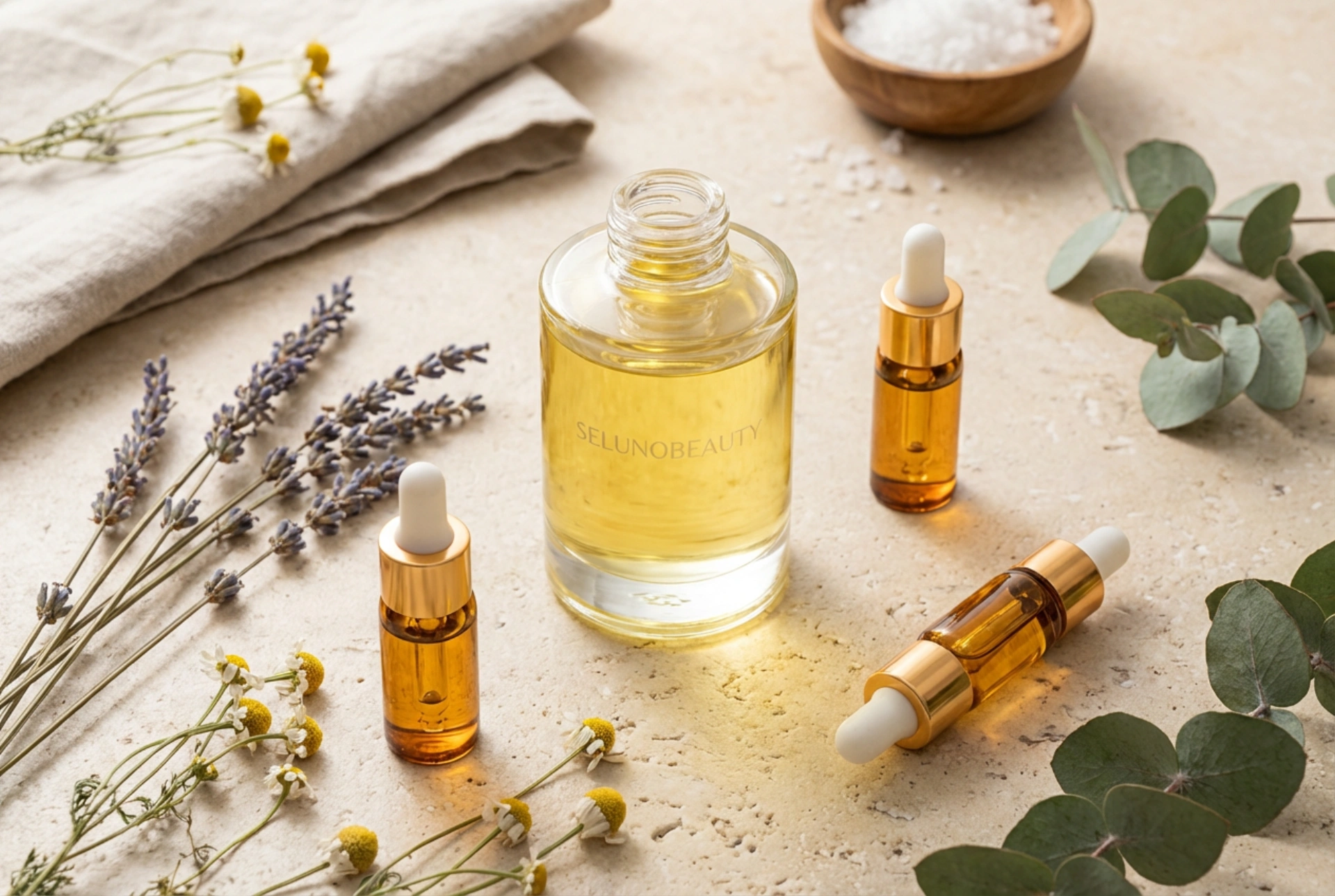


Creating your own natural massage oil is a simple yet profound act of self-care. It transforms a routine into a ritual, allowing you to tailor every element—from the texture to the scent—to your personal preferences and your skin's needs. Moving beyond off-the-shelf products gives you full control over the ingredients, ensuring a pure, nourishing experience. This guide will walk you through selecting a base, infusing it with beautiful aromas, and applying it for maximum relaxation and benefit.
Choosing the Right Base Oil
The foundation of any great massage oil is the carrier oil, also known as the base oil. This oil not only facilitates the smooth glide needed for massage but also delivers its own unique set of moisturising and skin-conditioning properties. Different oils have different weights, absorption rates, and textures, so your choice can significantly impact the massage experience.
When selecting a base, consider your skin type and the desired feel:
- Sweet Almond Oil: A classic choice for massage, this oil is rich in Vitamin E and has a slightly sweet, nutty aroma. It's a medium-weight oil that spreads easily and absorbs at a moderate pace, leaving skin feeling soft and nourished without excessive greasiness. It is suitable for most skin types.
- Jojoba Oil: Technically a liquid wax, jojoba oil has a chemical structure that is very similar to the skin's natural sebum. This makes it incredibly compatible with the skin. It is lightweight, absorbs well, and is non-greasy, making it an excellent option for those who prefer a less oily finish. It has a very long shelf life and is virtually odourless, so it won't interfere with your chosen essential oils.
- Grapeseed Oil: This is a very light, fine-textured oil that is easily absorbed by the skin. It has a clean, non-greasy feel and is a great choice for a lighter massage or for those with skin that tends to be more oily. Its light texture allows for a silky, smooth glide.
- Fractionated Coconut Oil: Unlike regular coconut oil, this version remains liquid at room temperature. It's colourless, odourless, and has a very light, non-greasy texture that absorbs quickly. It’s highly stable and resistant to rancidity, making it a practical and versatile base for any blend.
You can use a single oil as your base or create a custom blend by combining two or more to achieve the perfect texture and properties for your needs. For instance, mixing heavier almond oil with lighter grapeseed oil can create a balanced, all-purpose blend.
Infusing Your Oil with Natural Aromas
Adding essential oils elevates your massage oil from a simple moisturiser to a sensory experience that can influence your mood. Whether you seek calm, revitalisation, or focus, there's a natural scent to match. However, safety is paramount when using essential oils, as they are highly concentrated and must be properly diluted.
A safe dilution rate for a body massage oil is typically 1-2%. This translates to approximately 6-12 drops of essential oil per 30ml of carrier oil. Always start with a lower concentration to see how your skin reacts.
Creating Your Scent Profile:
- For Relaxation and Calm: Lavender is the most well-known for its calming properties. Chamomile and Sandalwood also promote a sense of peace and tranquillity. A blend of Lavender and Chamomile can be perfect for an evening massage to help unwind.
- For an Uplifting Mood: Citrus oils like Sweet Orange, Bergamot, and Grapefruit are bright and energising. A few drops of Sweet Orange can bring a cheerful, sunny disposition to your blend. Note that some citrus oils can be phototoxic, so avoid sun exposure on the skin after application.
- For a Refreshing Sensation: Peppermint and Eucalyptus create a cool, tingling sensation that can feel wonderfully refreshing, especially on tired feet or legs. Use these powerful oils sparingly, as a little goes a long way.
Important Safety Note: Before using any new essential oil blend, perform a patch test. Apply a small amount of the diluted oil to a discreet area of skin, like the inside of your elbow, and wait 24 hours to check for any signs of irritation. Never apply undiluted essential oils directly to the skin, and never ingest them. Avoid contact with eyes and other sensitive areas.
The Art of Application: Self-Massage Techniques
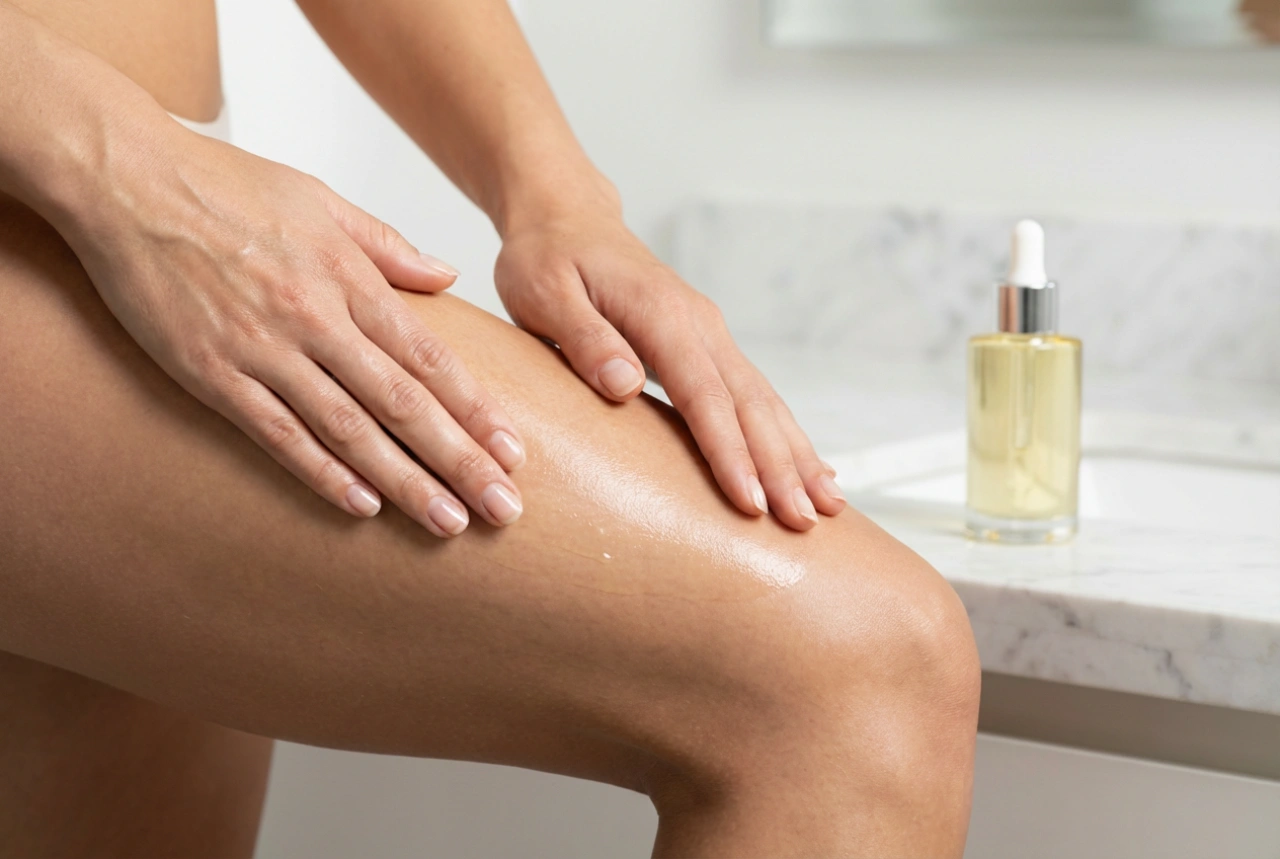
Once you've crafted your oil, the final step is the application. A gentle self-massage can help to release tension, hydrate the skin, and give you a valuable moment of connection with your body. Warm a small amount of oil in your hands before you begin.
- For Neck and Shoulders: Sit in a comfortable position. Using your opposite hand, apply the oil with long, sweeping strokes from the base of your skull down to your shoulder. Use your fingertips to make small, firm circles on the tense muscles at the top of your shoulders. Repeat on the other side.
- For Hands and Arms: Dispense oil into your palm and use your thumb to massage the palm of the other hand in a circular motion. Gently pull on each finger to stretch it. Use long, gliding strokes up your forearm towards your elbow to encourage relaxation.
- For Legs and Feet: Start at your ankles and use long, upward strokes towards your knees and thighs. This helps to promote circulation. Spend extra time on your calves. For your feet, use your thumbs to apply firm pressure along the arches, and gently massage each toe.
The key is to use gentle, consistent pressure and to focus on your breathing. This isn't about deep tissue work but about soothing the skin and calming the mind.
Storing Your Homemade Massage Oil
To preserve the freshness and potency of your homemade oil, proper storage is essential. Store your blend in a dark glass bottle, such as amber or cobalt blue, as this protects the delicate essential oils from degradation by UV light. Keep the bottle in a cool, dark place away from direct sunlight and heat. Most homemade blends with stable carrier oils will last for several months, but always check for any change in smell or appearance, which could indicate the oil has gone rancid.