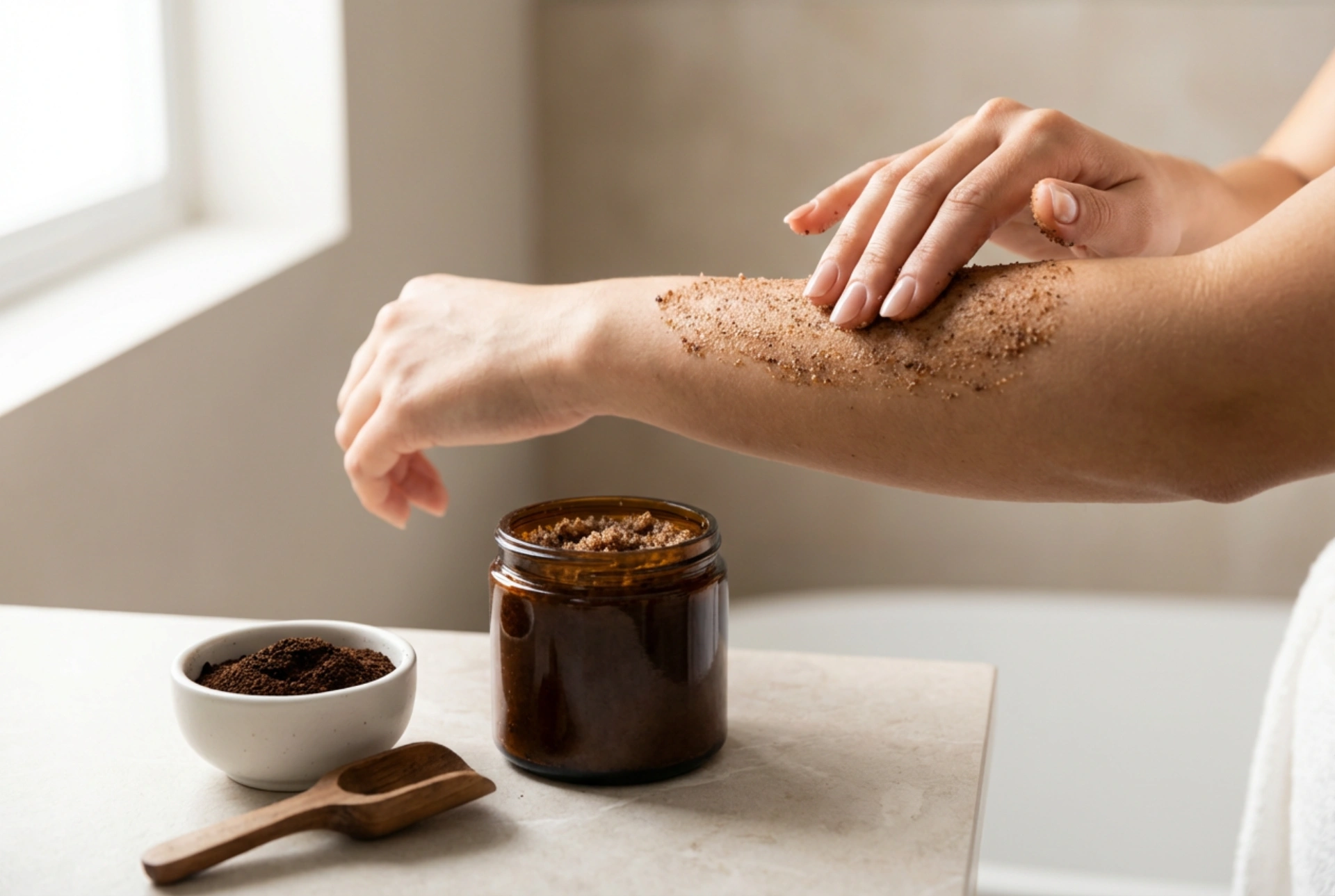


A regular body scrub is more than just a cleansing step; it's a mindful ritual that can significantly improve the texture and appearance of your skin. By focusing on areas prone to unevenness, a well-executed scrub can help promote a feeling of firmness and leave your skin looking smoother and more radiant. Understanding the right ingredients, technique, and frequency is key to transforming this simple practice into an effective part of your body care routine, helping you achieve that coveted soft and supple feel.
The Anatomy of a Firming Scrub: Key Ingredients
The effectiveness of a body scrub designed to improve skin texture lies in its composition. A balanced formula both exfoliates and nourishes, working in synergy to enhance the skin's appearance. When selecting or creating a scrub, consider these key components.
Exfoliating Agents
The primary function of a scrub is to slough away dead skin cells, which can make the skin's surface appear dull and rough. Different exfoliants offer varying levels of intensity:
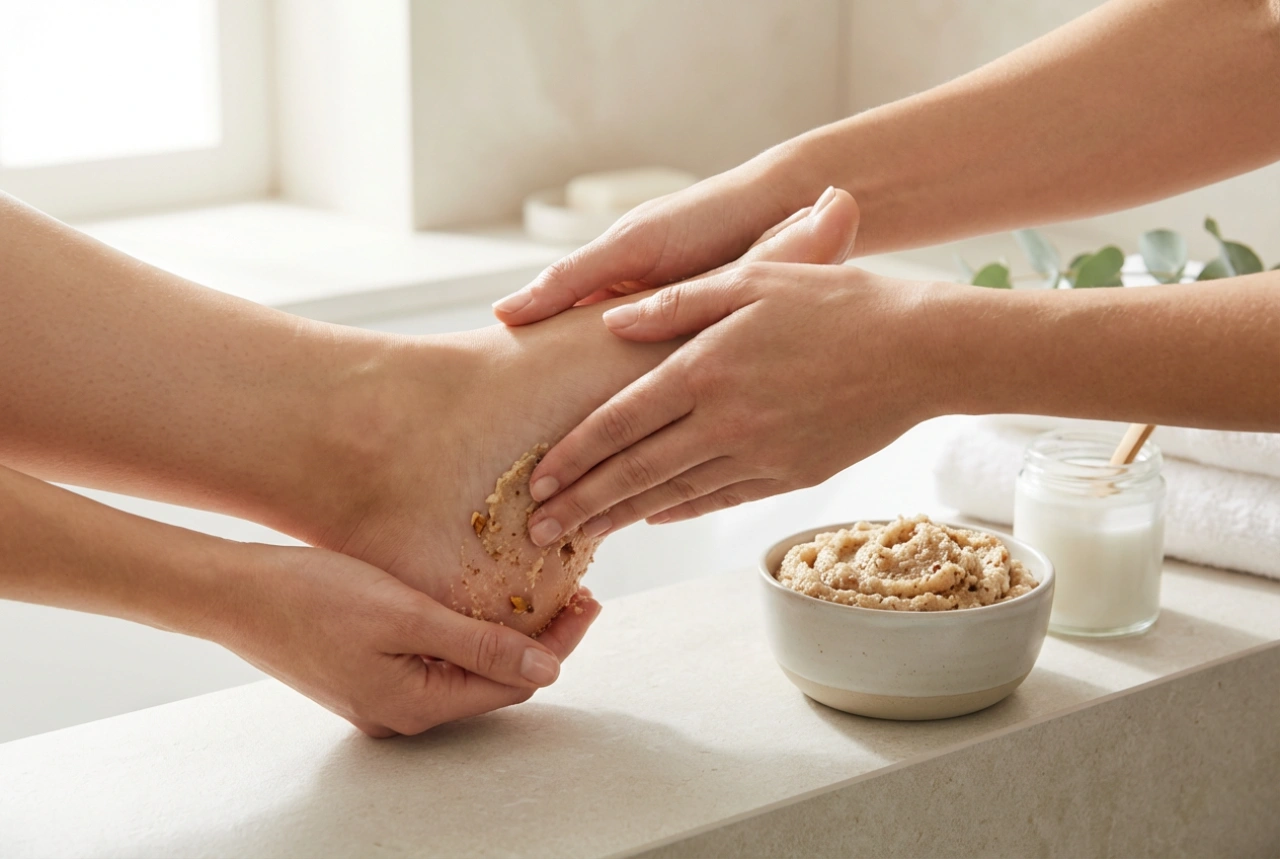
- Coffee Grounds: A popular choice for firming scrubs. The texture provides effective mechanical exfoliation, while the caffeine content is known for its stimulating properties when applied topically, which can help temporarily improve the skin's tone and smooth appearance.
- Sugar: Both brown and white sugar granules are a gentler option. As a natural humectant, sugar helps to draw moisture into the skin. It dissolves partially with water, making it less abrasive and suitable for more sensitive skin types.
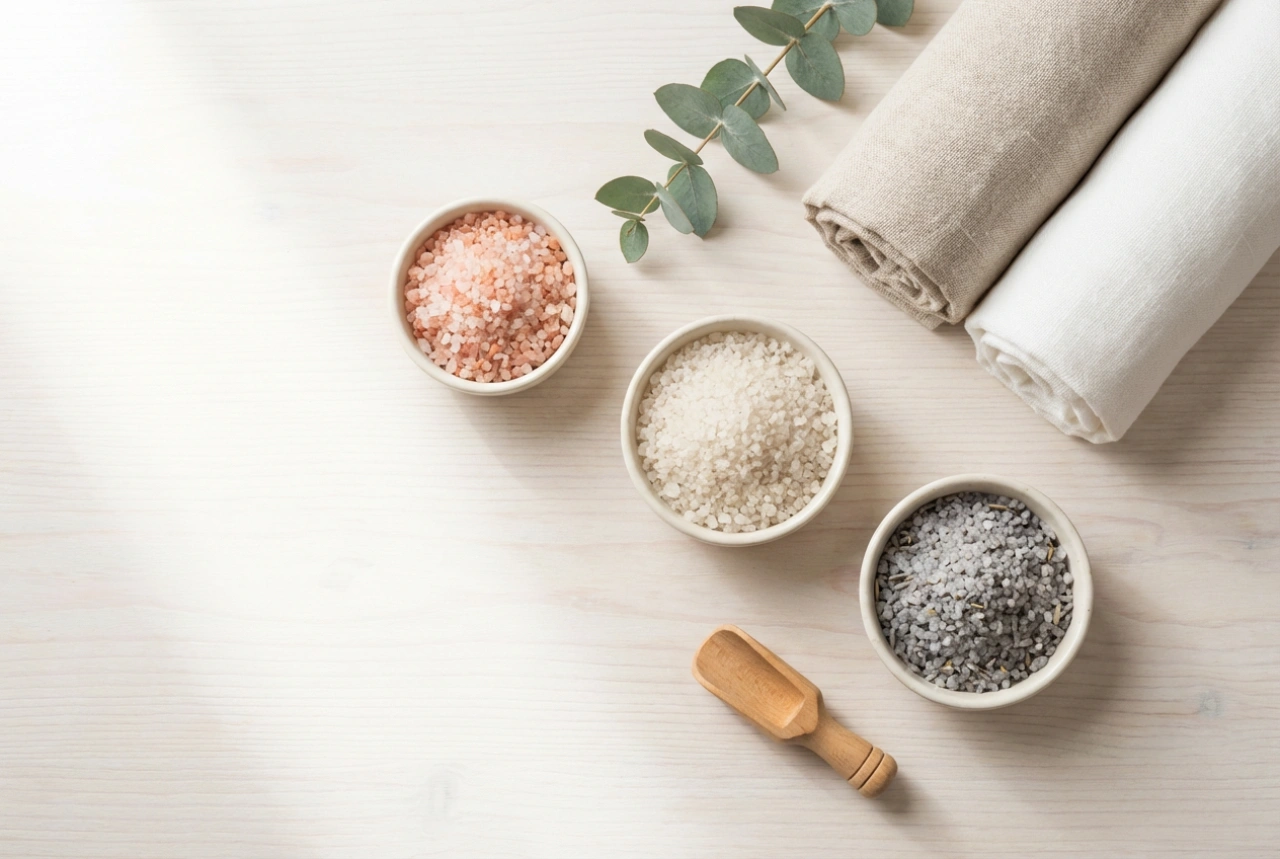
- Salt: Sea salt or Himalayan salt offers a more vigorous scrub. These have a coarser texture and are rich in minerals. They are excellent for tougher areas like elbows and feet but should be used with care on more delicate body skin to avoid over-exfoliation.
Nourishing Carrier Oils
Oils are essential for providing a smooth glide during the massage, protecting the skin from abrasion, and delivering deep hydration. They leave the skin feeling soft and moisturised long after you rinse. Good choices include coconut oil, sweet almond oil, jojoba oil, or grapeseed oil. These oils are rich in fatty acids and vitamins, helping to support the skin's natural barrier.
The Correct Technique: A Step-by-Step Massage Guide
How you apply the scrub is just as important as what's in it. A methodical massage not only ensures even exfoliation but also helps to stimulate microcirculation, enhancing the overall firming effect. Follow these steps for optimal results.
Step 1: Preparation
Begin with clean, damp skin. A warm shower or bath for 5-10 minutes beforehand is ideal as it helps to soften the skin and open up the pores, making the exfoliation process more effective. Do not dry your skin completely; it should be moist to the touch.
Step 2: Application and Massage
Take a generous scoop of the scrub and start from your feet, working your way up the body. This technique of massaging towards the heart is thought to support natural circulation. Apply the scrub using firm, consistent circular motions. Concentrate on areas where you notice uneven texture, such as the thighs, buttocks, hips, and abdomen. The pressure should be firm enough to feel effective but never painful or harsh. Listen to your skin; if you notice any redness or irritation, ease up on the pressure.
Step 3: Rinsing and Aftercare
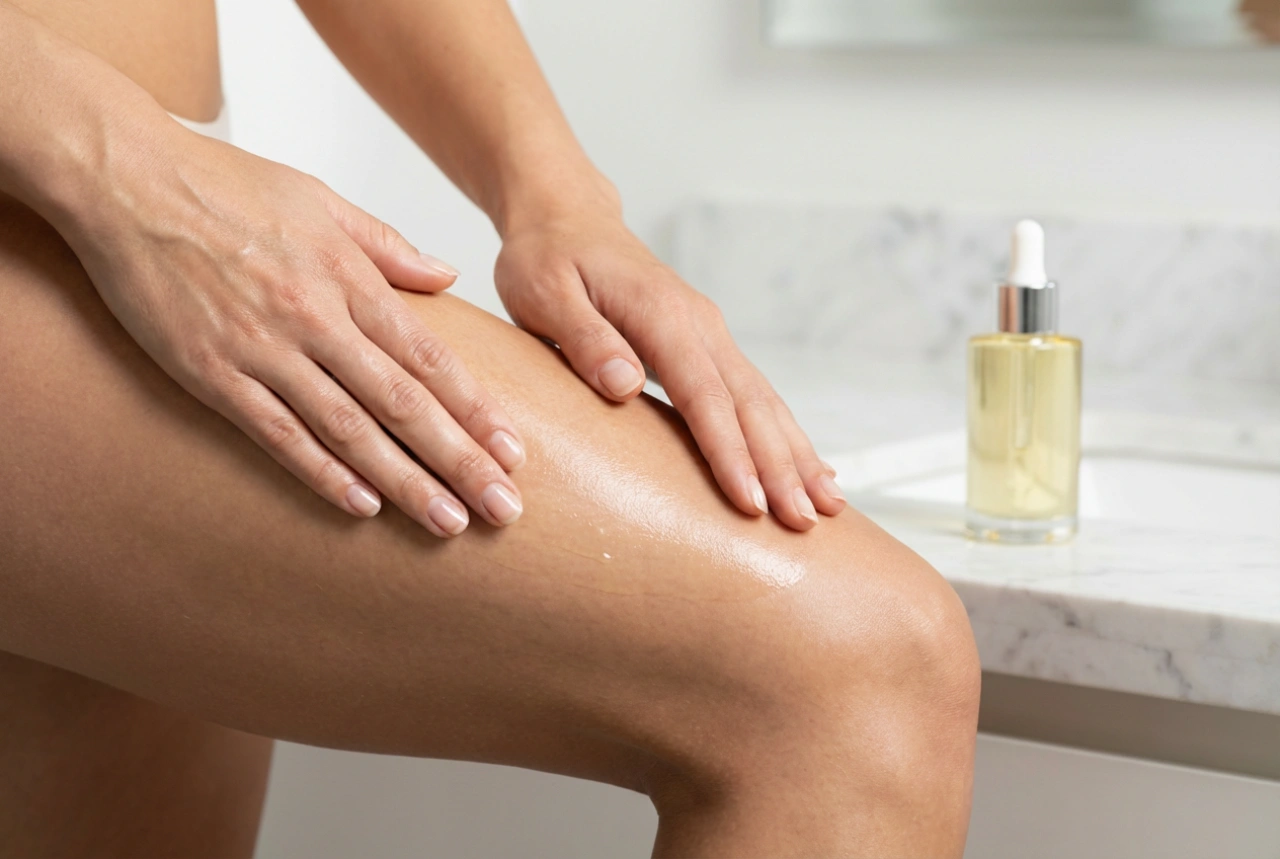
Once you have massaged all desired areas, rinse the scrub off thoroughly with lukewarm water. Avoid using very hot water, as this can strip the skin of its natural oils. After rinsing, gently pat your skin dry with a soft towel. Do not rub vigorously. The final, crucial step is to immediately apply a rich body lotion, cream, or oil to your still-slightly-damp skin. This helps to lock in the moisture and nutrients, leaving your skin feeling exceptionally soft and hydrated.
Frequency and Common Mistakes to Avoid
Consistency is key, but so is moderation. Over-exfoliating can damage the skin's protective barrier, leading to sensitivity and dryness. To get the most out of your body scrubbing routine without causing harm, keep these guidelines in mind.
How Often Should You Exfoliate?
For most skin types, using a body scrub 1-3 times per week is sufficient. If you have sensitive skin or are using a more abrasive scrub (like one with salt), stick to once a week. If you're using a gentler sugar-based scrub, you might be able to use it two or three times a week. Pay attention to how your skin responds and adjust accordingly.
Mistakes to Avoid
- Scrubbing on dry skin: This is too harsh and can cause irritation and micro-tears in the skin. Always apply scrubs to damp skin.
- Being too aggressive: More pressure doesn't mean better results. A firm but gentle touch is all that's needed to remove dead skin cells.
- Skipping post-scrub moisturiser: Exfoliation removes oils along with dead cells. Replenishing this moisture immediately is essential for maintaining a healthy skin barrier.
- Expecting an overnight fix: Improving skin texture is a marathon, not a sprint. Regular, consistent use as part of a comprehensive body care routine will yield the best and most lasting results.