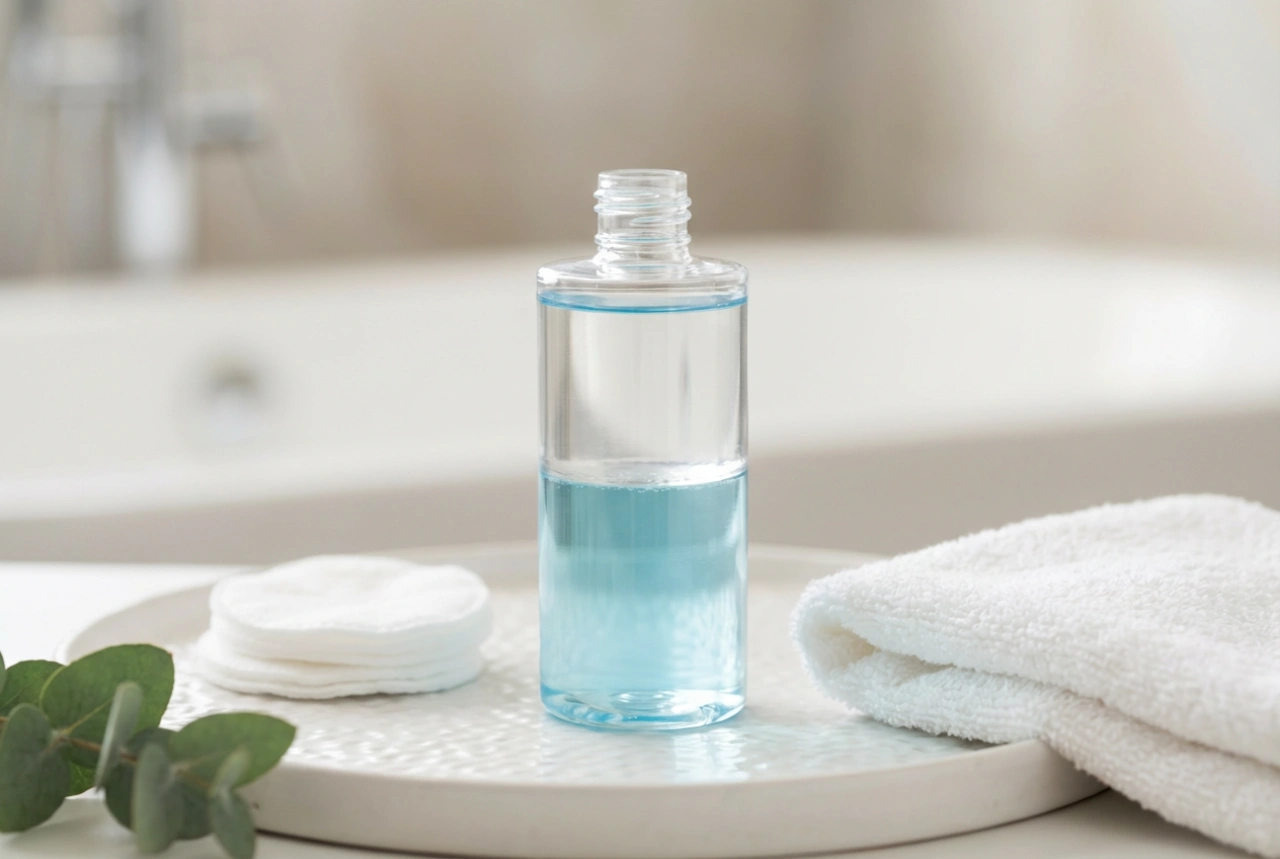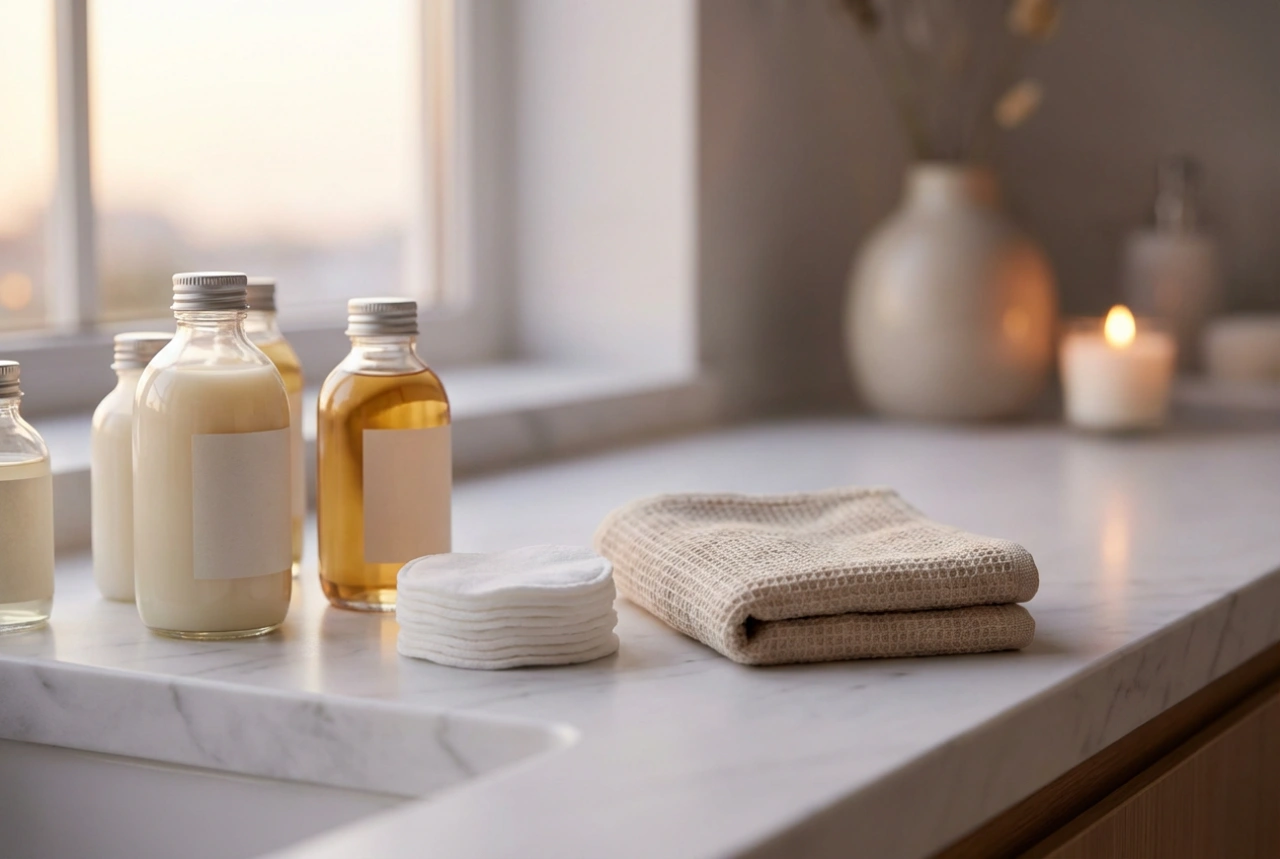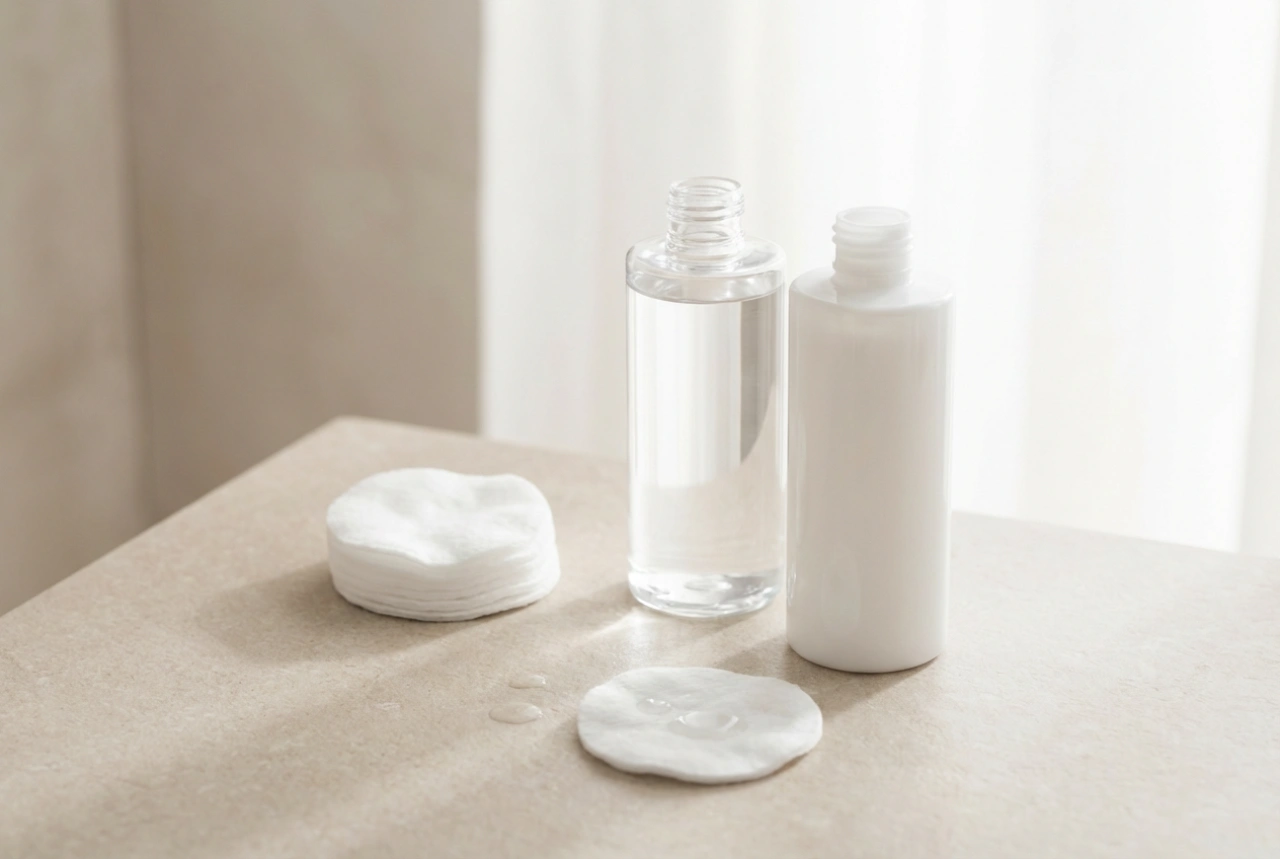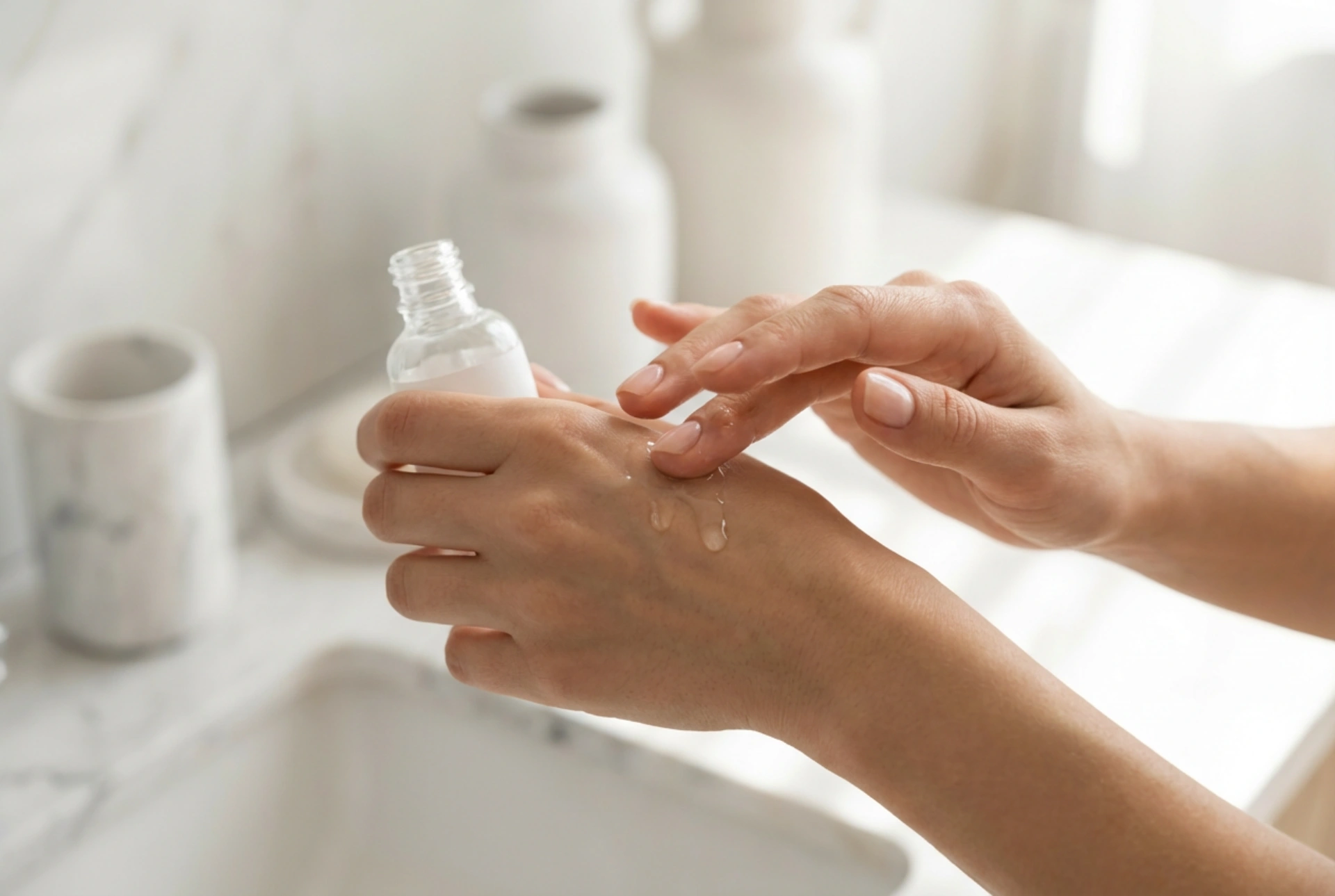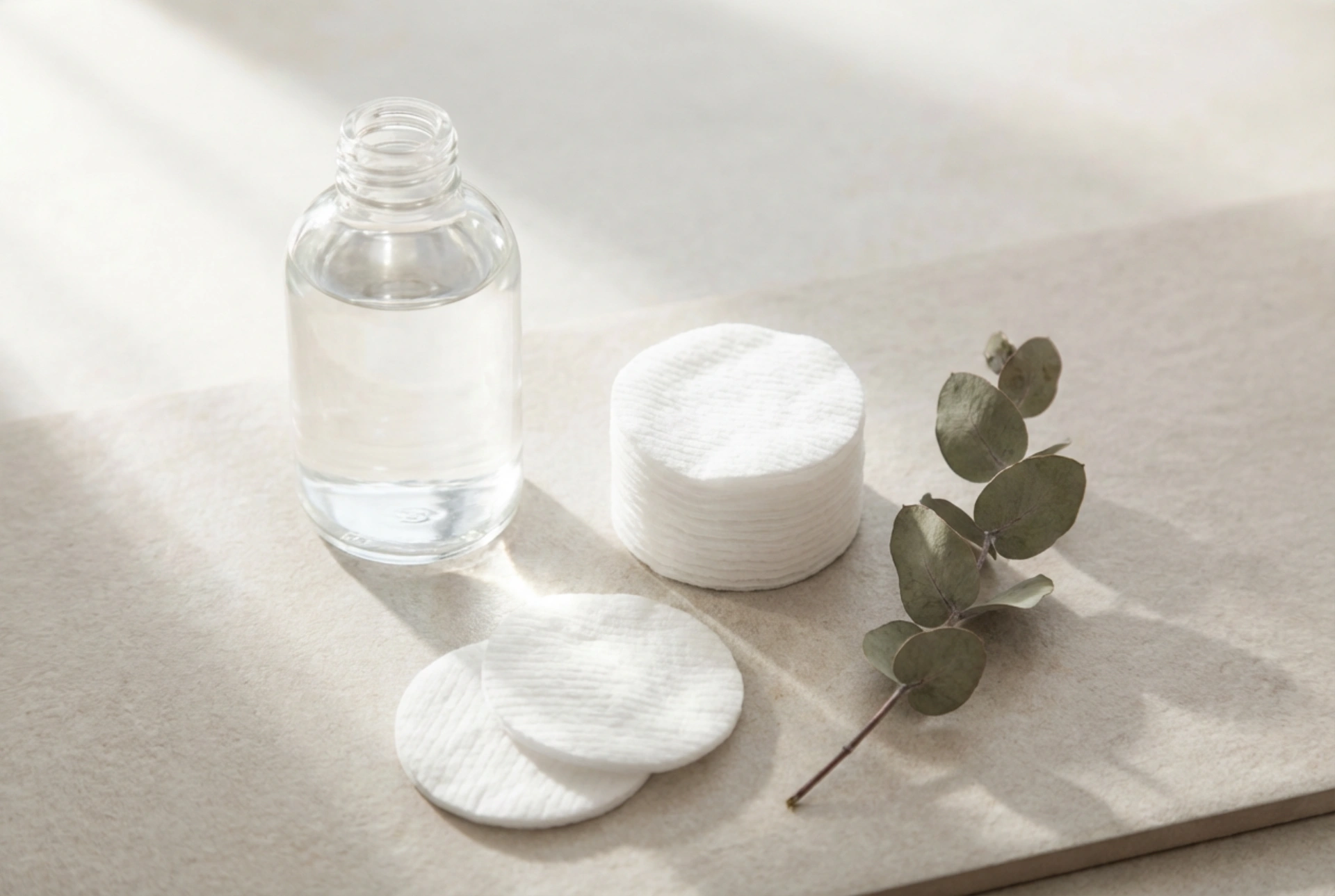


A quiet vanity, a minimalist bottle of makeup remover, and soft cotton pads resting on a clean surface represent more than just a daily chore; they symbolise a mindful ritual of self-care and skin restoration. At the end of a long day, clearing your face of makeup, SPF filters, and environmental impurities is the single most important step you can take to preserve a fresh and healthy complexion. Selecting the right product and applying it with the proper technique ensures that your skin remains balanced, hydrated, and ready to absorb the benefits of your nighttime skincare products.
The Diverse World of Makeup Removers
Not all makeup removers are created equal, and understanding their unique formulations is key to finding the perfect match for your daily routine. Today, the beauty market offers an array of textures designed to dissolve cosmetics efficiently while respecting the natural protective barrier of the skin.
Micellar Water
Perhaps the most popular choice for quick cleansing, micellar water consists of tiny oil molecules called micelles suspended in soft water. These micelles act like magnets, attracting oil, dirt, and makeup without requiring harsh rubbing. It is incredibly lightweight and leaves a refreshed feeling, making it a staple for light daily makeup.
Bi-Phase Liquids
Specifically formulated to tackle stubborn, long-wear, and waterproof cosmetics, bi-phase removers feature two distinct layers: an oil phase and a water phase. Before use, shaking the bottle mixes these layers, creating a temporary emulsion that breaks down waterproof mascara and durable lip tints easily while soothing the delicate eye area.
Cleansing Oils and Balms
Based on the principle that 'like dissolves like,' cleansing oils and solid balms work exceptionally well at melting away sebum, silicone-based primers, and heavy foundation. When massaged into dry skin, they break down cosmetic products. Once mixed with warm water, they emulsify into a milky fluid that rinses off cleanly without leaving a heavy residue.
Cleansing Milks and Emulsions
With a creamy, lotion-like consistency, cleansing milks are highly nourishing. They gently lift impurities while delivering moisture, making them an excellent choice for individuals who prefer a comforting, non-foaming cleansing experience.
How to Choose the Right Product for Your Skin
Selecting a makeup remover should not be a matter of chance; it should be tailored to your skin's unique characteristics and your makeup habits. Aligning the product with your skin type prevents irritation and supports overall skin health.
- Dry and Dehydrated Skin: Opt for rich cleansing oils, balms, or milky emulsions. These formulations help preserve the lipid barrier, ensuring your face does not feel tight or stripped after cleansing.
- Oily and Combination Skin: Lightweight micellar waters or rinse-off cleansing oils that emulsify completely are ideal. They remove excess sebum effectively without clogging pores or leaving an unwanted greasy film.
- Sensitive Skin: Look for minimalist, fragrance-free formulas with calming properties. Avoid products containing harsh surfactants or strong synthetic perfumes that might trigger redness or discomfort.
A Step-by-Step Guide to Correct Makeup Removal
Having the best product is only half the battle; how you use it determines its ultimate efficacy. Applying a gentle and systematic approach protects your skin from unnecessary friction and premature ageing.
Step 1: Start with the Eyes and Lips
The skin around the eyes is incredibly thin and delicate. Soak a soft cotton pad with your chosen remover (a bi-phase or gentle micellar liquid is ideal here). Press the pad gently against your closed eyelid and hold it there for ten to fifteen seconds. This allows the formula to break down mascara and eyeshadow. Slide the pad downwards gently without rubbing sideways.
Step 2: Cleanse the Rest of the Face
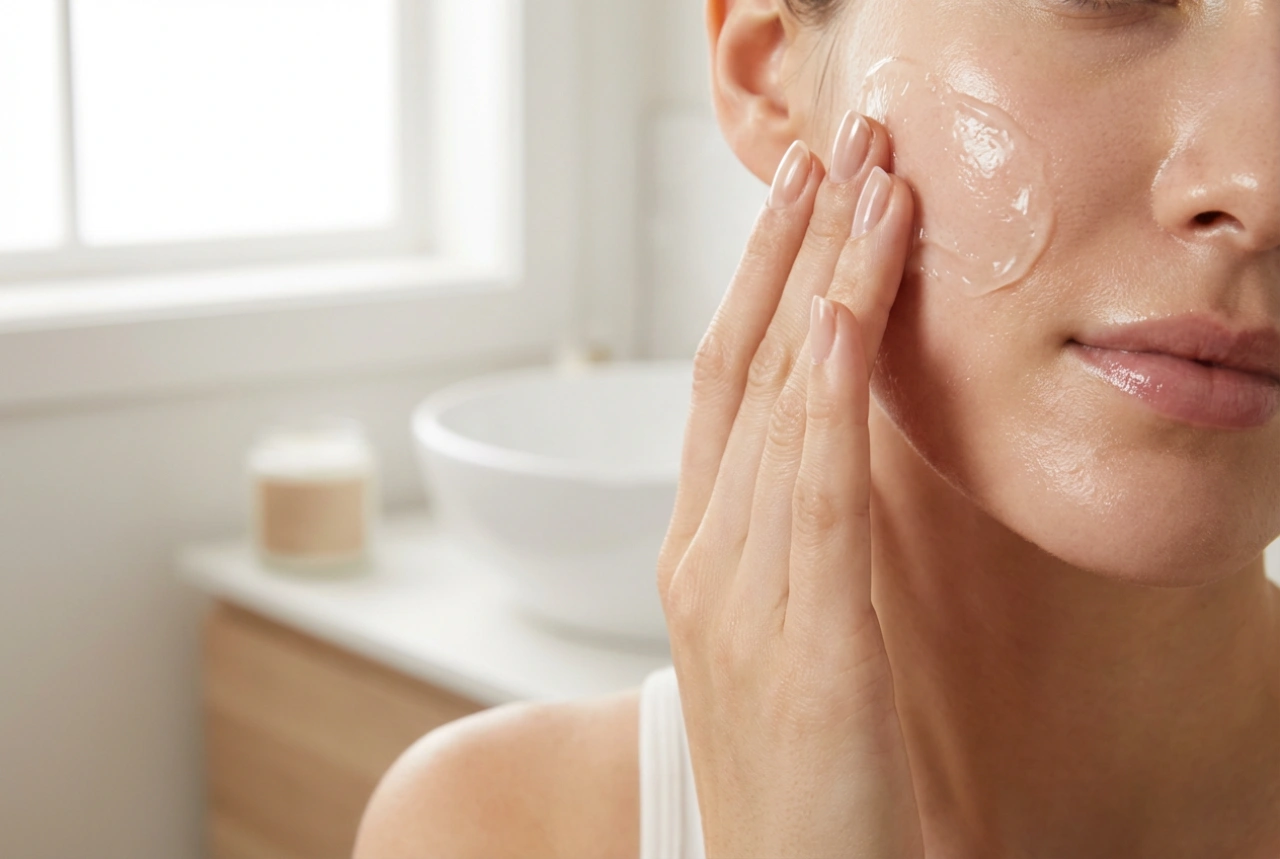
Using fresh cotton pads or your hands (if using a balm or oil), sweep the product across your cheeks, forehead, nose, and chin in upward, outward motions. Be sure to reach the hairline, jawline, and neck, where makeup often builds up and gets overlooked during a hasty wash.
Step 3: The Importance of a Double Cleanse
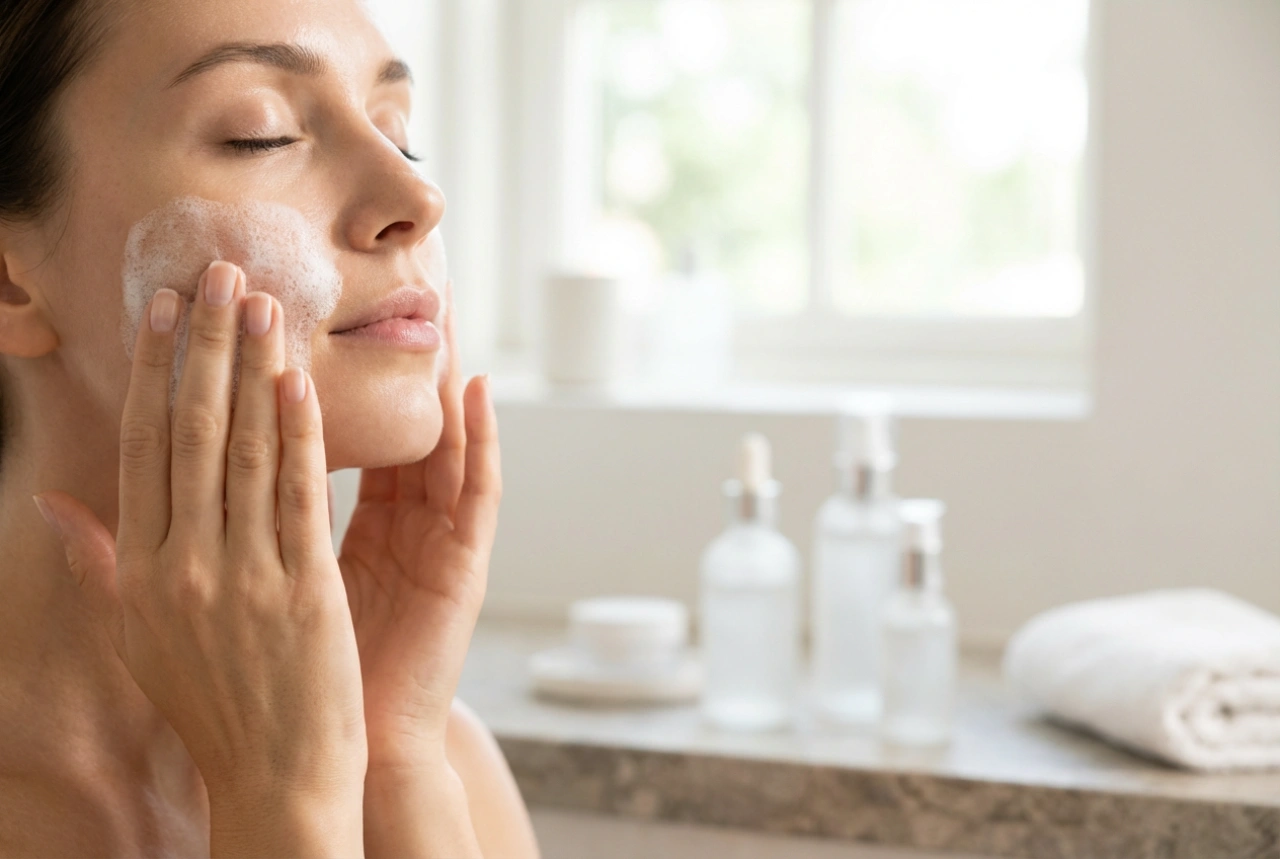
For a truly clean canvas, follow your makeup remover with a gentle water-based cleanser, such as a foaming gel or cream wash. The first step removes the makeup and surface grime, while the second step cleanses the skin itself, ensuring no residue or surfactant remains behind.
Common Makeup Removal Mistakes to Avoid
Even with the best intentions, certain habits can compromise the quality of your skincare routine. Adjusting these minor steps can make a significant difference in the clarity and comfort of your complexion.
One frequent mistake is neglecting to rinse off micellar water. Although many labels suggest it is a 'no-rinse' product, micelles are surfactants designed to trap dirt. Leaving them on the skin can lead to mild dryness or irritation over time. It is always best practice to rinse the face with fresh water or follow up with your secondary cleanser.
Another common error is applying too much physical pressure. Aggressive rubbing with cotton pads can damage the skin barrier and lead to micro-irritation. Let the product do the work; patience and gentle pressing are far more effective than force.
Finally, using a single cotton pad for the entire face simply spreads dissolved makeup around rather than removing it. Use as many pads as necessary until they come away completely clean, ensuring a fresh and pristine result every single evening.