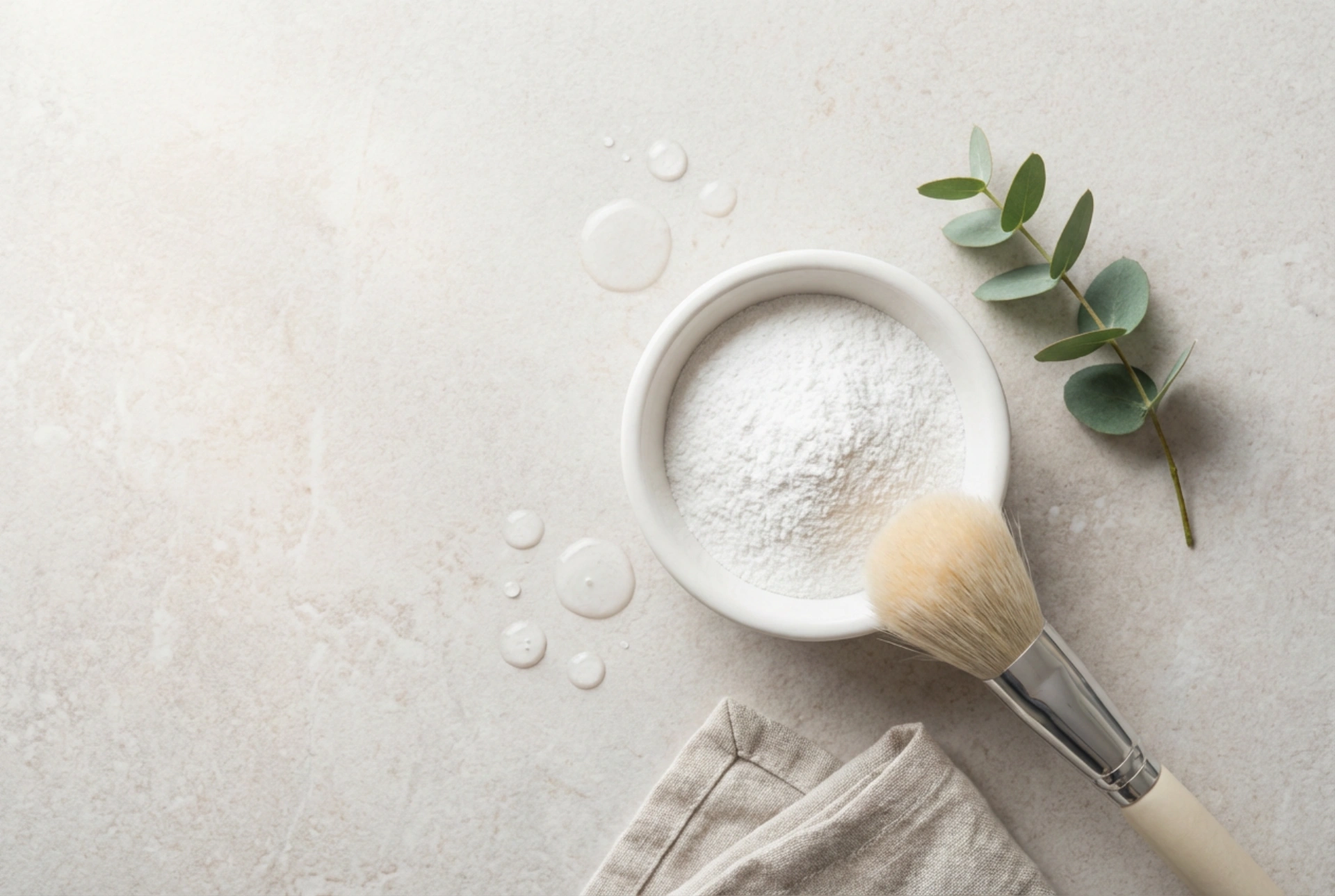


In the world of minimalist skincare, simple household ingredients often become the focus of DIY beauty rituals. A clean flat lay featuring a small bowl of fine white powder, a soft brush, and clear liquid drops captures the essence of mindful, home-based care. Baking soda, or sodium bicarbonate, is one such ingredient that frequently finds its way into home recipes. While it is celebrated for its deep-cleansing properties and fine exfoliating texture, using it on the delicate skin of the face requires caution, precision, and an understanding of how to protect the skin barrier. By following a few simple guidelines, you can enjoy its purifying benefits safely and effectively.
Understanding Baking Soda in Home Skincare
Baking soda is a natural compound with a fine crystalline structure, making it a popular choice for mild physical exfoliation. When mixed with liquid, it creates a smooth paste that can help sweep away dead skin cells, excess sebum, and impurities from the skin's surface. However, to use it safely, one must understand its chemical nature. Unlike the skin, which is naturally slightly acidic with a pH of around 5.5, baking soda is alkaline, with a pH of approximately 9. This contrast means that while baking soda can provide a powerful clarifying effect, it must be used mindfully to prevent disrupting the skin's natural acid mantle.
When the acid mantle is compromised, the skin can become dry, tight, and prone to temporary irritation. Therefore, the key to incorporating a baking soda mask into your beauty routine is moderation and dilution. It should never be used as a harsh scrub or applied directly to compromised or highly sensitive skin. Instead, view it as an occasional, clarifying treatment that must be balanced with nourishing, hydrating ingredients.
Preparing a Balanced and Gentle Recipe
To minimise the risk of irritation, it is highly recommended to combine baking soda with soothing agents rather than water alone. By adding hydrating ingredients, you can buffer the alkalinity and create a much gentler treatment. Here is a simple way to prepare a balanced mixture:
- The Base: Start with one tablespoon of fine baking soda in a small, clean ceramic bowl.
- The Buffering Agent: Add a teaspoon of raw honey or a few drops of a nourishing carrier oil, such as jojoba or sweet almond oil. Honey is a natural humectant that helps retain moisture, while botanical oils provide a protective barrier.
- The Liquid: Add a few drops of lukewarm water or pure rosewater to create a smooth, easily spreadable paste. The consistency should be light and creamy, not thick or abrasive.
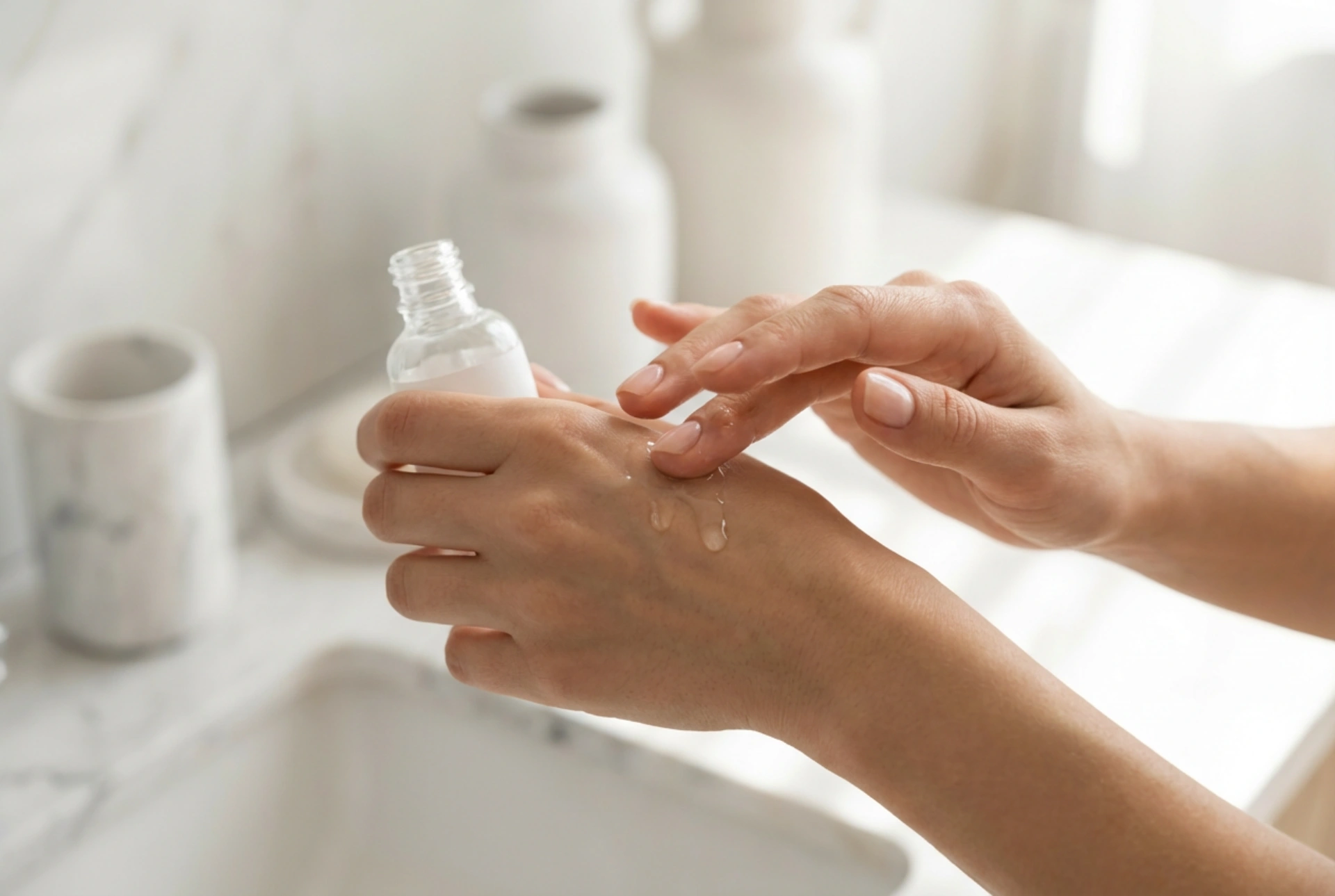
Before applying the mixture to your face, performing a patch test is an essential safety step. Apply a small amount of the paste to your inner arm or jawline and leave it for five minutes. Rinse thoroughly and wait 24 hours to ensure your skin does not exhibit any redness, warmth, or discomfort.
How to Apply the Mask Without Irritation
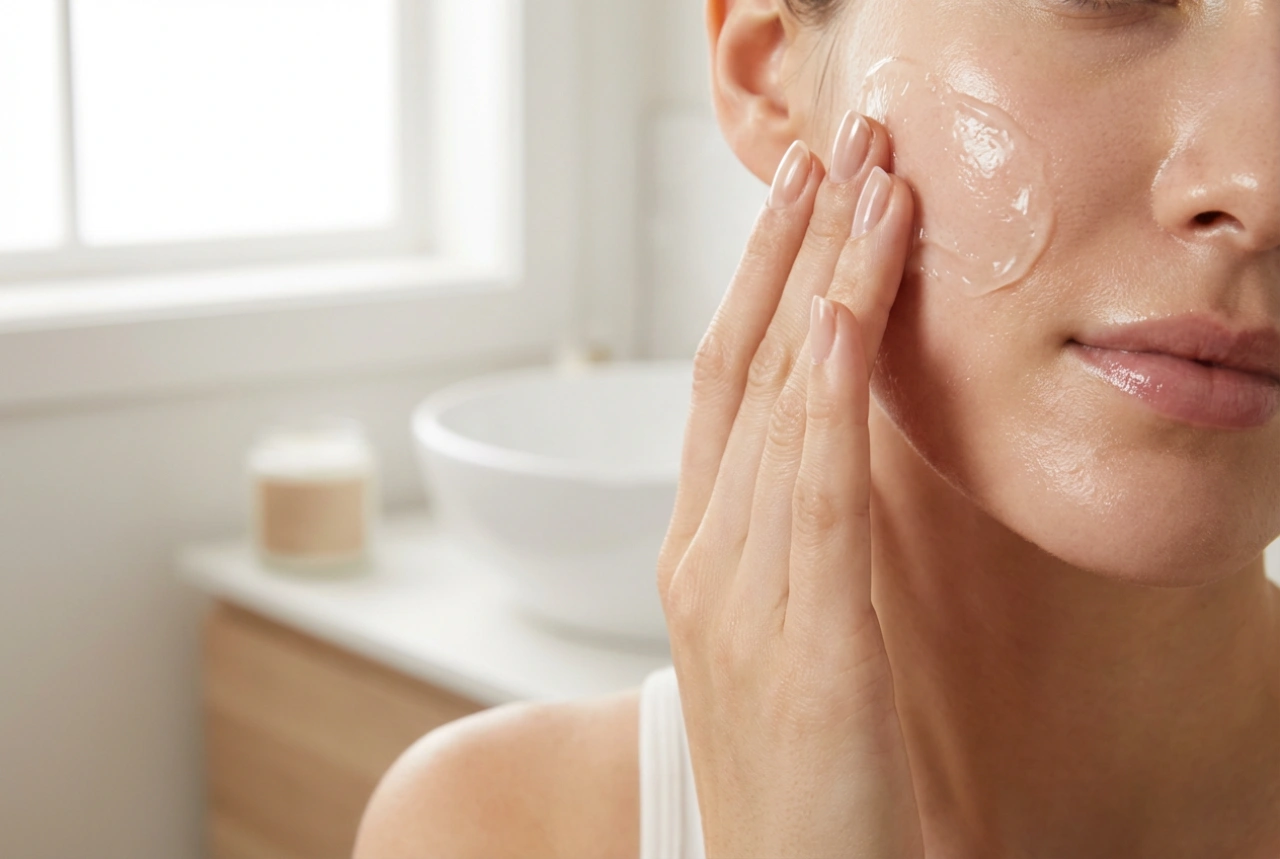
When your skin is ready, application should be treated as a gentle, mindful ritual. Avoid rubbing or scrubbing, as the fine particles of baking soda already provide sufficient physical exfoliation without any added manual pressure.
Using a clean, soft cosmetic brush, apply a thin, even layer of the paste to your face, focusing primarily on areas prone to congestion, such as the forehead, nose, and chin. Completely avoid the delicate skin around the eyes and lips, where the skin is much thinner and highly susceptible to drying out. Keep the application time brief; three to five minutes is generally sufficient for the ingredients to work without causing moisture loss. If you feel any tingling, do not wait—rinse the mask off immediately.
Proper Removal and Restoring Skin Balance
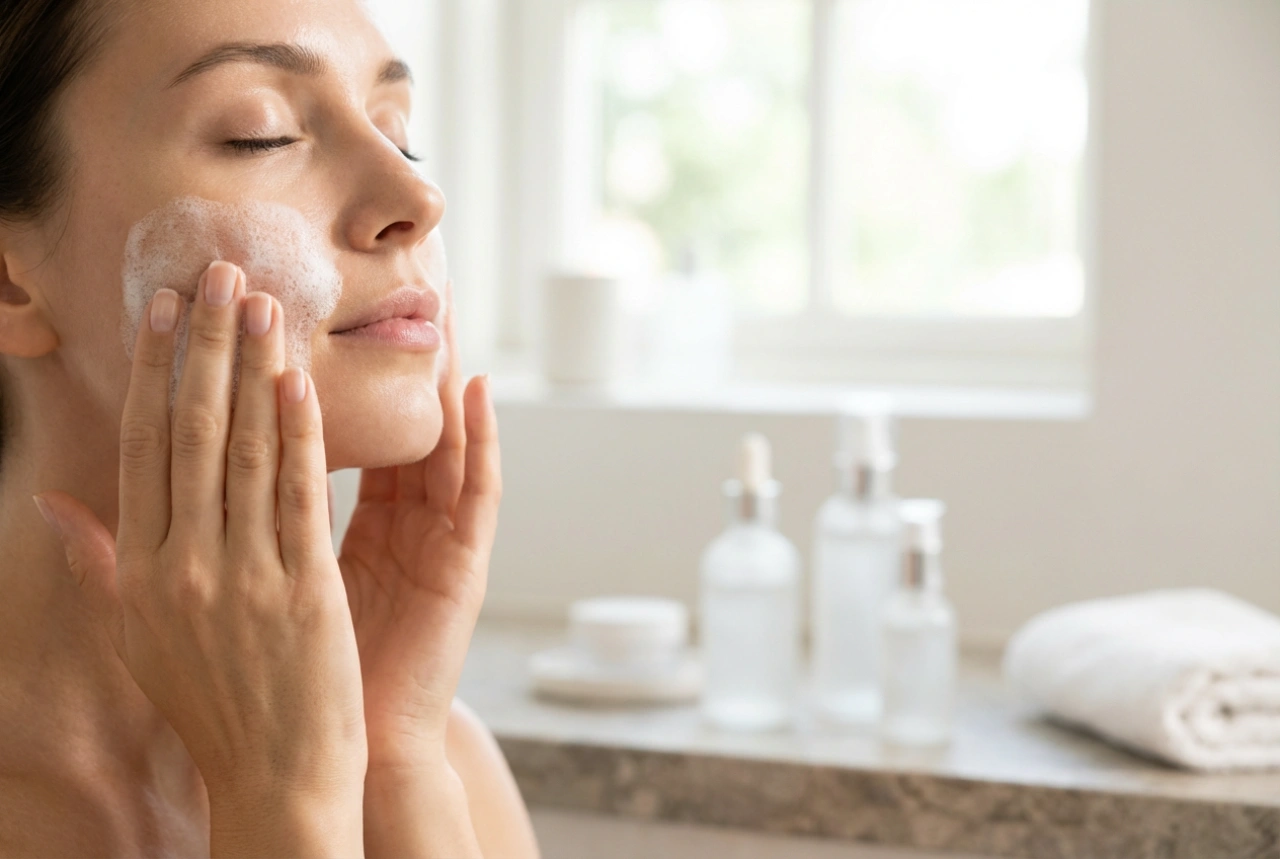
How you rinse off the mask is just as important as how you apply it. Baking soda particles can easily cling to the skin, so thorough yet gentle removal is necessary to prevent residual dryness. Begin by splashing your face with lukewarm water to loosen the paste. Using your fingertips, make light, circular motions to rinse the mixture away. Avoid using washcloths or abrasive sponges, as the physical friction combined with the baking soda can easily cause micro-scratches.
Once the mask is completely rinsed off, gently pat your face dry with a clean, soft towel—do not rub. Because baking soda temporarily alters the skin's pH, the immediate post-mask steps are crucial for restoring balance:
- Tone: Apply a mild, alcohol-free toner or a soothing hydrosol (like chamomile or lavender water) to help rebalance the skin's pH levels.
- Hydrate: Follow up immediately with a lightweight, hydrating serum containing ingredients like hyaluronic acid or glycerin to draw moisture back into the skin.
- Moisturise: Lock in the hydration with a nourishing moisturiser to rebuild the protective lipid barrier.
Best Practices for Different Skin Types
A baking soda mask is not a one-size-fits-all solution. Its clarifying nature makes it most suitable for normal, combination, or slightly oily skin types that occasionally require deep cleansing. For these skin types, using this mask once every two weeks is more than enough to maintain a fresh, smooth complexion.
Conversely, those with dry, mature, or naturally sensitive skin should generally avoid baking soda treatments, as the alkaline nature can exacerbate dryness and lead to flaking. Always listen to your skin's unique needs, prioritising gentle, nourishing care over aggressive cleansing methods to keep your complexion radiant, healthy, and perfectly balanced.