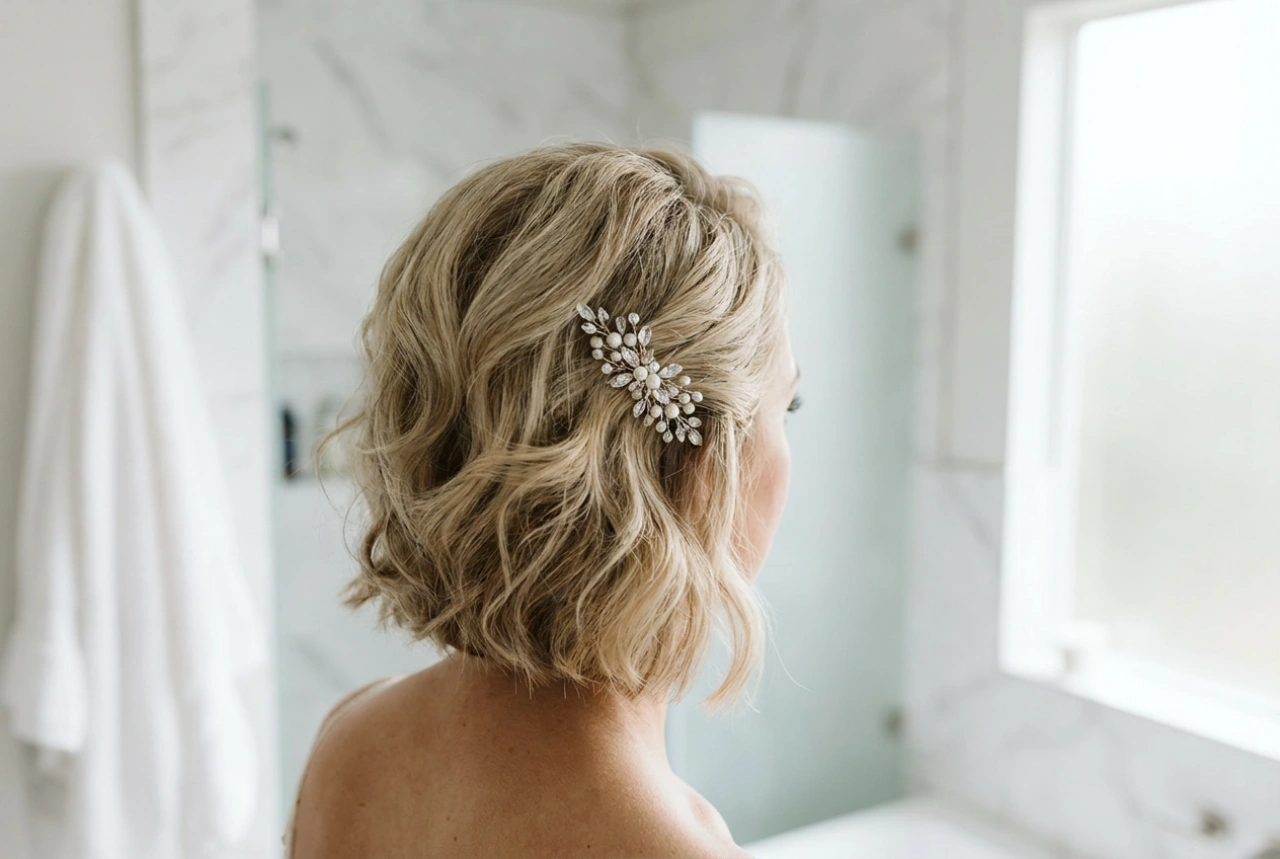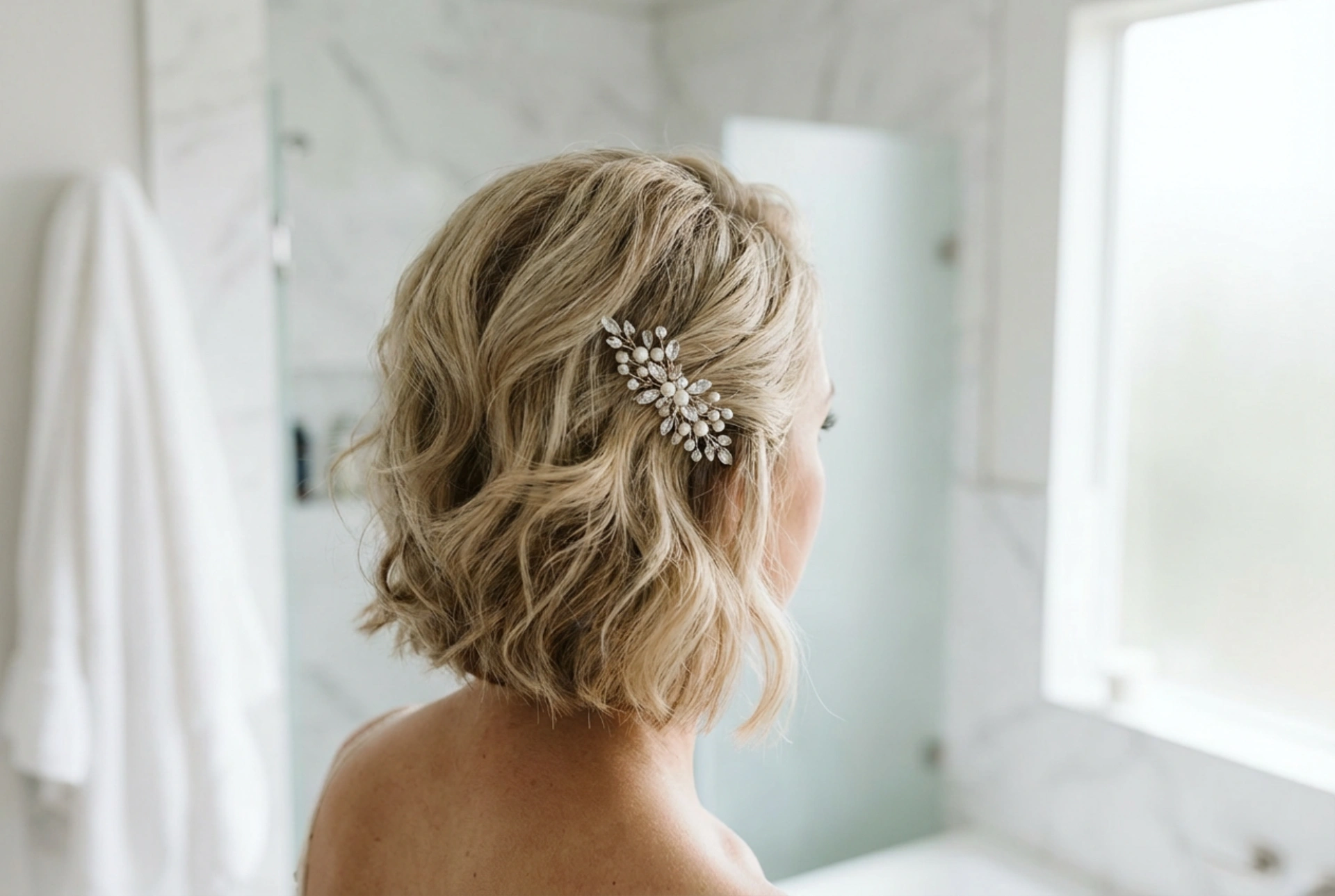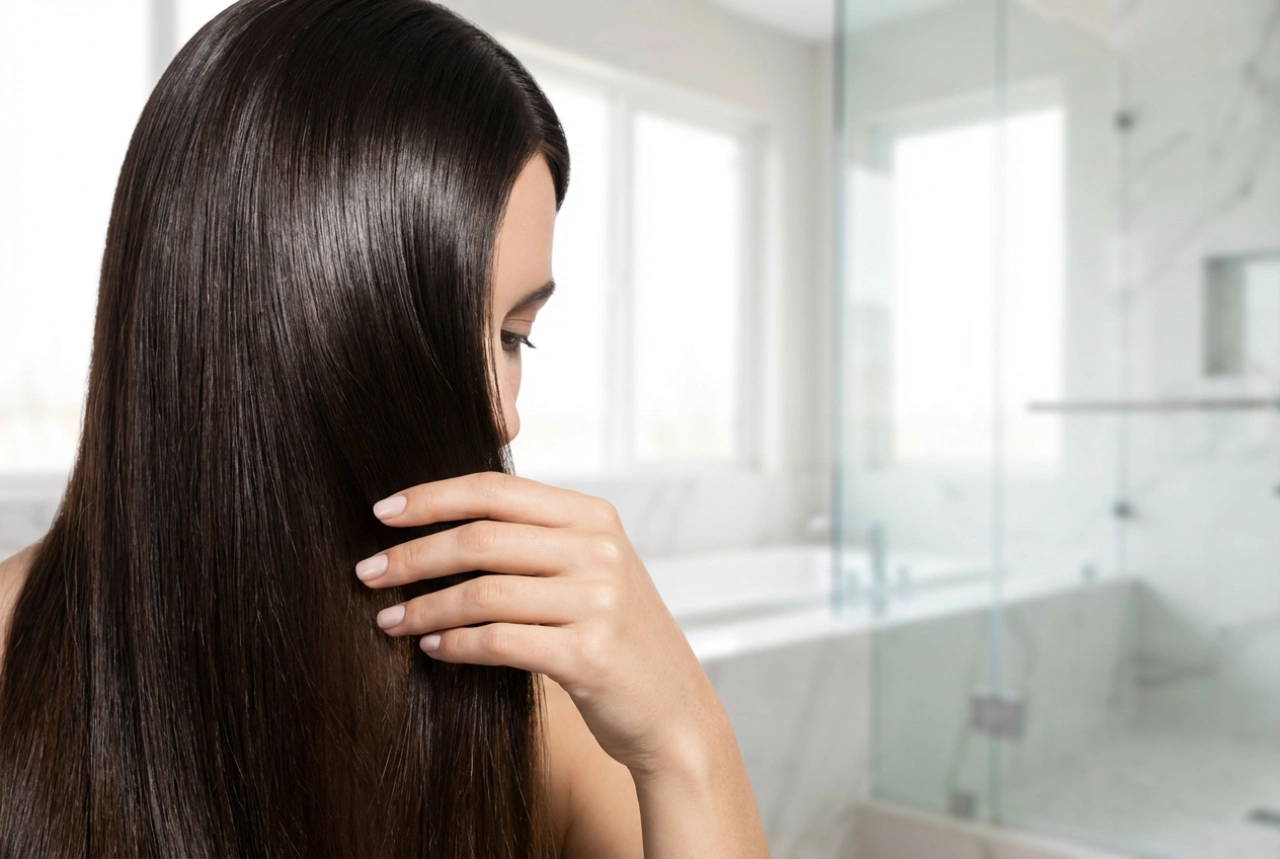


The shoulder-length haircut paired with a fringe is a timeless and wonderfully versatile choice. It effortlessly frames the face, highlights your best features, and can be adapted to suit any style, from sleek and professional to soft and romantic. The true beauty of this cut lies in its ability to work with your hair's natural inclinations, rather than against them. Whether your hair is straight, wavy, or curly, understanding how to style your fringe and lengths is key to unlocking a look that feels polished yet authentically you. This guide will walk you through the essential techniques for every hair texture.
Preparation is Everything: The Foundation for a Flawless Style
Before you even pick up a hairdryer or styling tool, the way you prepare your hair sets the stage for the final result. A great style starts with a clean, well-conditioned base. Use a shampoo and conditioner formulated for your hair's needs, focusing on hydration and smoothness. After washing, gently squeeze out excess water with your hands and then blot your hair with a soft microfibre towel or an old cotton t-shirt. Aggressive rubbing with a standard towel can rough up the hair cuticle, leading to frizz and making your fringe particularly difficult to manage.
The next non-negotiable step is applying a heat protectant. This is crucial even if you only plan to use a hairdryer on a low setting. Your fringe is especially vulnerable to heat damage due to its finer texture and prominent position. Mist a lightweight heat protectant spray evenly through your damp hair, from roots to ends, ensuring the fringe is fully covered. This simple step preserves the health of your strands and creates a smoother canvas for styling.
Styling for Straight to Wavy Hair
For those with straight or gently waving hair, the goal is often to create shape, volume, and movement without it looking stiff.
- The Fringe: The secret to a perfect fringe is a hairdryer and a medium-sized round brush. To eliminate any stubborn cowlicks or awkward partings, start by blow-drying your damp fringe from side to side, holding the nozzle downwards. Once it's about 80% dry, use the round brush to gently grip the fringe from underneath and roll it forwards and down as you dry. This creates a soft, face-framing curve. Avoid using too much tension, which can make it look unnaturally bubbly.
- The Lengths: For a sleek, polished look, use a paddle brush while blow-drying, directing the airflow down the hair shaft to encourage smoothness and shine. For soft, modern waves, you have two main options. You can use a large-barrel curling tong on dry hair, wrapping sections away from your face for a flattering effect. Alternatively, a flat iron can be used to create 'S' shaped waves by bending the plates back and forth as you glide down each section. Finish with a light mist of flexible-hold hairspray or a texturising spray scrunched into the ends for a more lived-in feel.
Embracing and Defining Curls and Coils
If you have curly or coily hair, the aim is to enhance your natural pattern, define the shape of your fringe, and control frizz. The key is hydration and gentle handling.
- The Fringe: Working with a curly fringe requires a different approach. Avoid stretching it out with a brush while it's wet. Instead, apply a small amount of leave-in conditioner or curl cream to your damp fringe. You can then either let it air-dry or use a diffuser on a low speed and low heat setting. To encourage a specific curl pattern, try finger coiling—twisting small sections of your fringe around your finger to shape them. This gives you more control over how your curly fringe sits.
- The Lengths: For beautiful definition throughout, apply your chosen styling products (like a curl cream, mousse, or gel) to soaking wet hair. This helps lock in moisture and ensures even distribution. Gently scrunch the product into your hair with your hands, moving from the ends up towards the roots. Use a hairdryer with a diffuser attachment, cupping sections of your hair in the diffuser bowl and holding it close to the scalp on a low-heat, low-speed setting. Dry your hair to about 80-90% and let the rest air-dry to minimise frizz and preserve your curl clumps.
Common Mistakes to Avoid
Even with the right techniques, a few common pitfalls can compromise your style. Being mindful of these will help you achieve a consistently great result.
- Using Too Much Heat on the Fringe: Your fringe is delicate. Over-using high heat from straighteners or hairdryers can quickly lead to dryness and damage. Always use a heat protectant and opt for lower temperature settings.
- Applying Heavy Products Directly: Applying serums, oils, or heavy creams directly to your fringe can make it look greasy and separate. Instead, apply the product to your hands first, rub them together, and then lightly skim the surface of your fringe.
- Forgetting About Blending: Your fringe should look like a cohesive part of your overall haircut. Ensure the texture and style of your fringe flow naturally into the rest of your hair. A super-straight fringe with very curly lengths, for example, can look disconnected unless styled intentionally.
- Over-Styling: A fringe that is too perfect or stiff can look dated. Aim for a soft, touchable finish that has natural movement. A little bit of imperfection often looks more modern and chic.