

Long hair is wonderfully versatile, offering a canvas for countless beautiful styles. However, for those new to hair styling, the sheer length and volume can sometimes feel more intimidating than inspiring. The good news is that creating elegant and fashionable looks doesn't require professional skills or hours in front of the mirror. With a few basic techniques, you can master simple waves, braids, and updos that are perfect for any occasion, from a casual day out to a special evening event. This guide will walk you through the fundamentals, helping you style your long hair with confidence.
Effortless Waves for a Timeless Look
Soft, flowing waves are a classic style that adds texture and movement to long hair. They can look sophisticated and polished or relaxed and bohemian, depending on how you create them. Fortunately, achieving this look doesn't always require high heat.
Heat-Free Methods for Gentle Waves
Minimising heat is always a good idea for maintaining hair health. Heat-free methods work best on slightly damp hair and require some time to set, making them perfect for preparing overnight.
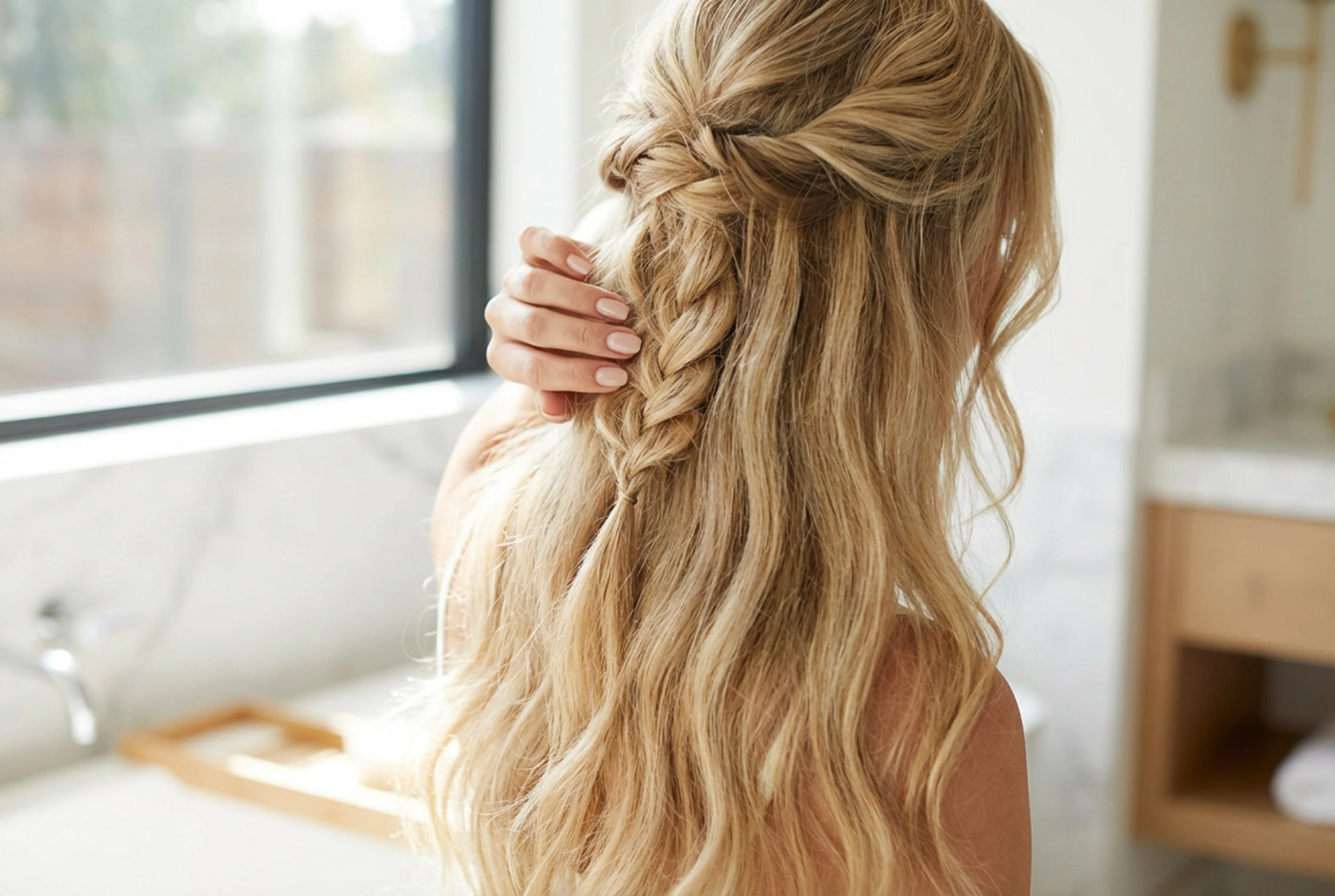
- Braiding: The simplest way to create waves is by braiding your hair. For looser, beachy waves, create one or two thick, loose braids. For tighter, more defined waves, make several smaller braids. Simply braid damp hair, secure the ends, and leave it for several hours or overnight. When you undo the braids, gently separate the sections with your fingers.
- The Bun Method: For soft, bouncy waves, try creating one or more buns. After washing and towel-drying your hair until it's just damp, twist it into a high or low bun (or multiple smaller buns for more texture) and secure it with a soft hair tie or pins. Once your hair is completely dry, take it down and enjoy the soft curls.
- Fabric Twists: You can create beautiful, uniform waves using strips of fabric from an old, clean t-shirt. Take a small section of damp hair, place the fabric strip at the end, and roll the hair up around it towards the scalp. Tie the ends of the fabric strip to secure the roll. Repeat for all sections and leave until dry.
Using Heat Tools Safely
When you need quick results, a curling wand or straightener is effective. The key is to use it correctly to prevent damage.
Always start by applying a heat protectant spray throughout your dry hair. This creates a barrier between the tool and your hair strands. Section your hair using clips; working with smaller, manageable sections yields better results. For waves with a straightener, clamp a section of hair and turn the tool 180 degrees away from your face as you glide it down the hair shaft. With a curling wand, wrap a section of hair around the barrel, hold for 5-10 seconds (depending on your hair type and tool temperature), and release. Let the curl cool in your palm for a moment to help it set. Finish with a light-hold hairspray to maintain the style without making it stiff.
Mastering Simple and Elegant Braids
Braids are not only beautiful but also practical, keeping hair neatly out of your face. While some braids look incredibly complex, many are based on simple, repetitive motions that are easy to learn.
The Classic Three-Strand Braid
This is the foundation of all braiding. Start with detangled hair. Gather it into a low ponytail or leave it down. Divide the hair into three equal sections: left, middle, and right. Cross the right section over the middle section, so it becomes the new middle section. Then, cross the left section over the new middle section. Repeat this pattern—right over middle, left over middle—until you reach the end of the hair, and secure with a hair tie.
An Introduction to the Fishtail Braid
The fishtail braid looks intricate but is surprisingly simple. Divide your hair into two large, equal sections. Take a thin strand of hair from the outside of the left section, cross it over the top, and add it to the inside of the right section. Now, do the opposite: take a thin strand from the outside of the right section, cross it over, and add it to the inside of the left section. Continue this pattern all the way down. The key is to keep the strands you cross over small and consistent in size for a neat look.
Quick and Chic Updos for Any Occasion
An updo is the perfect solution for hot days, formal events, or when you just want your hair up and away. These simple styles prove that an elegant updo can be achieved in minutes.
The Perfect Messy Bun
The 'messy' bun should look effortless, not chaotic. Start by gathering your hair into a high ponytail. Don't pull the hair all the way through the elastic on the final loop; instead, create a looped bun, leaving the ends out. Take the loose ends and wrap them around the base of the bun, pinning them in place. Gently pull at the bun to create volume and texture. You can also pull out a few face-framing strands for a softer look.
A Simple Twisted Chignon
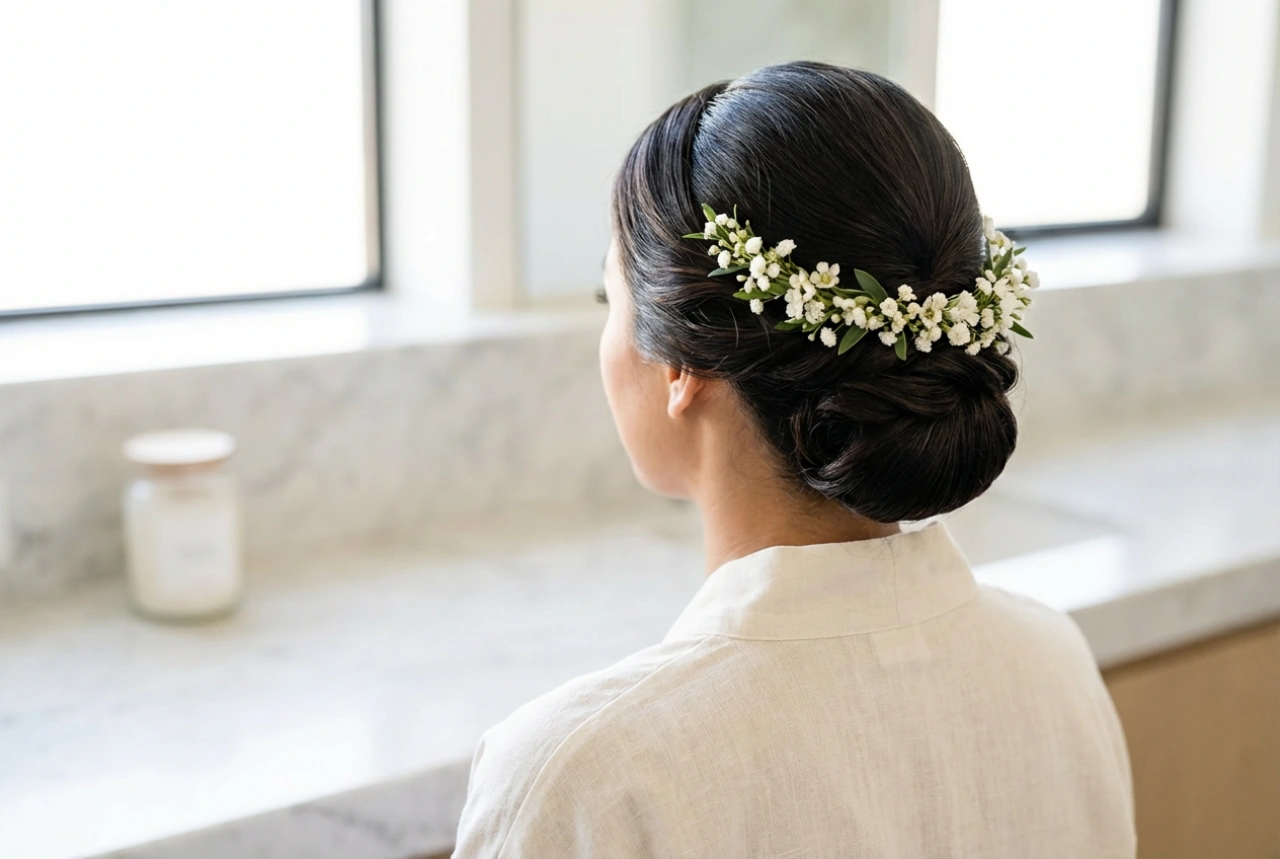
This style looks incredibly sophisticated but takes less than five minutes. Create a low ponytail and secure it with an elastic. Just above the elastic, create a small gap in the hair with your fingers and flip the ponytail up and through the gap (a 'topsy tail'). Now, take the length of the ponytail, twist it, and then coil it up into the gap you created. Secure the coiled bun discreetly with several bobby pins.
Common Styling Mistakes to Avoid
Achieving a beautiful, lasting hairstyle also means knowing what not to do. Avoiding these common pitfalls will protect your hair and improve your styling results.
- Skipping Preparation: Trying to style hair that is tangled or not properly prepped will lead to frizz and a messy finish. Always start by thoroughly brushing your hair. Using a texturizing spray or light mousse on damp hair can also provide grip and make it easier to style.
- Applying Too Much Heat: Using heat tools on the highest setting or holding them on the hair for too long can cause irreversible damage. Stick to low or medium heat settings and never use heat on wet hair.
- Pulling Hair Too Tightly: While a secure style is important, braids and ponytails that are too tight can cause tension on the scalp, leading to hair breakage and discomfort. Aim for a firm but gentle hold.
- Using the Wrong Accessories: Low-quality bobby pins can snag and break hair, while harsh elastics can cause damage. Opt for snag-free hair ties and smooth, high-quality pins.
- Forgetting to Finish the Style: A light mist of a flexible-hold hairspray can make all the difference, helping your style last all day by taming flyaways and providing a gentle hold without a crunchy feel.
Styling long hair is a skill that grows with practice. Don't be discouraged if your first attempts aren't perfect. Experiment with these foundational techniques, be patient with yourself, and soon you'll be creating beautiful hairstyles with ease and confidence.