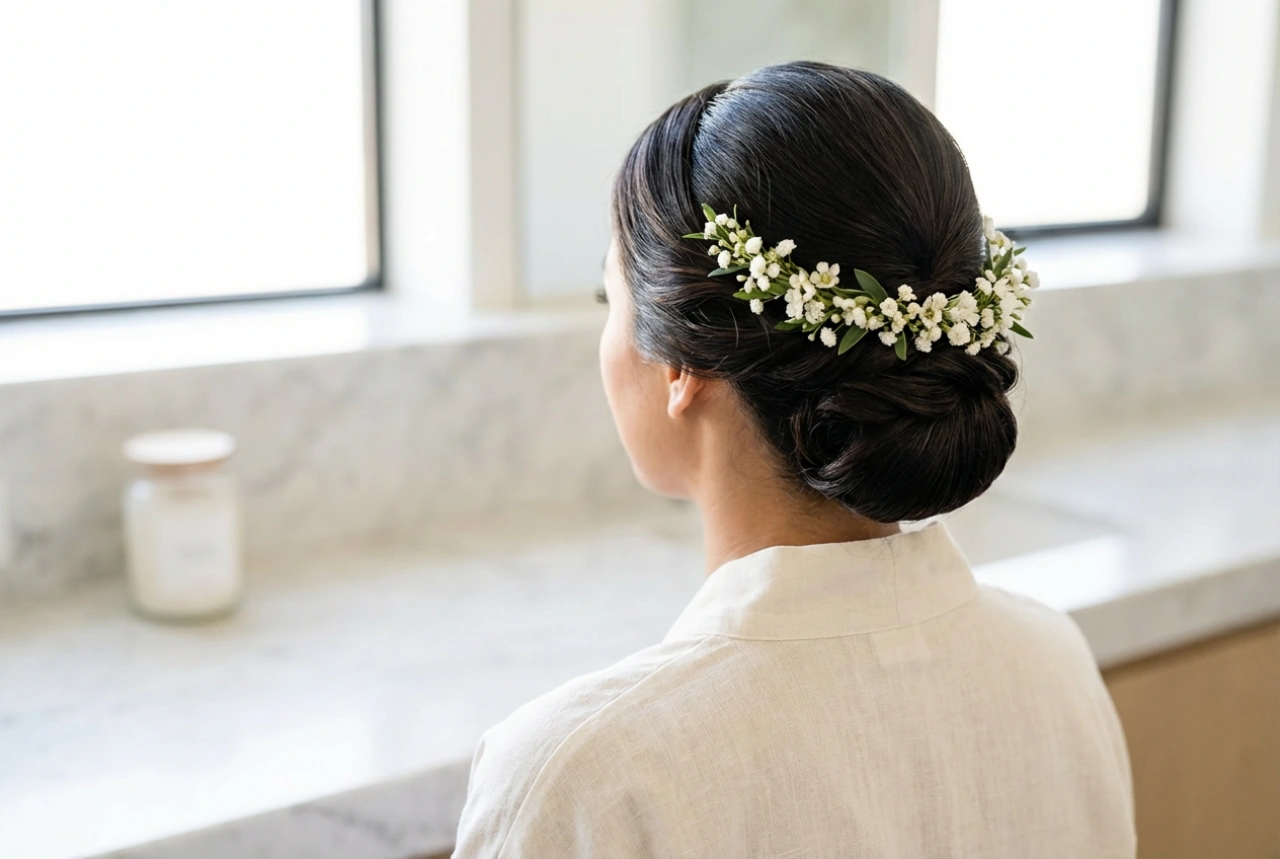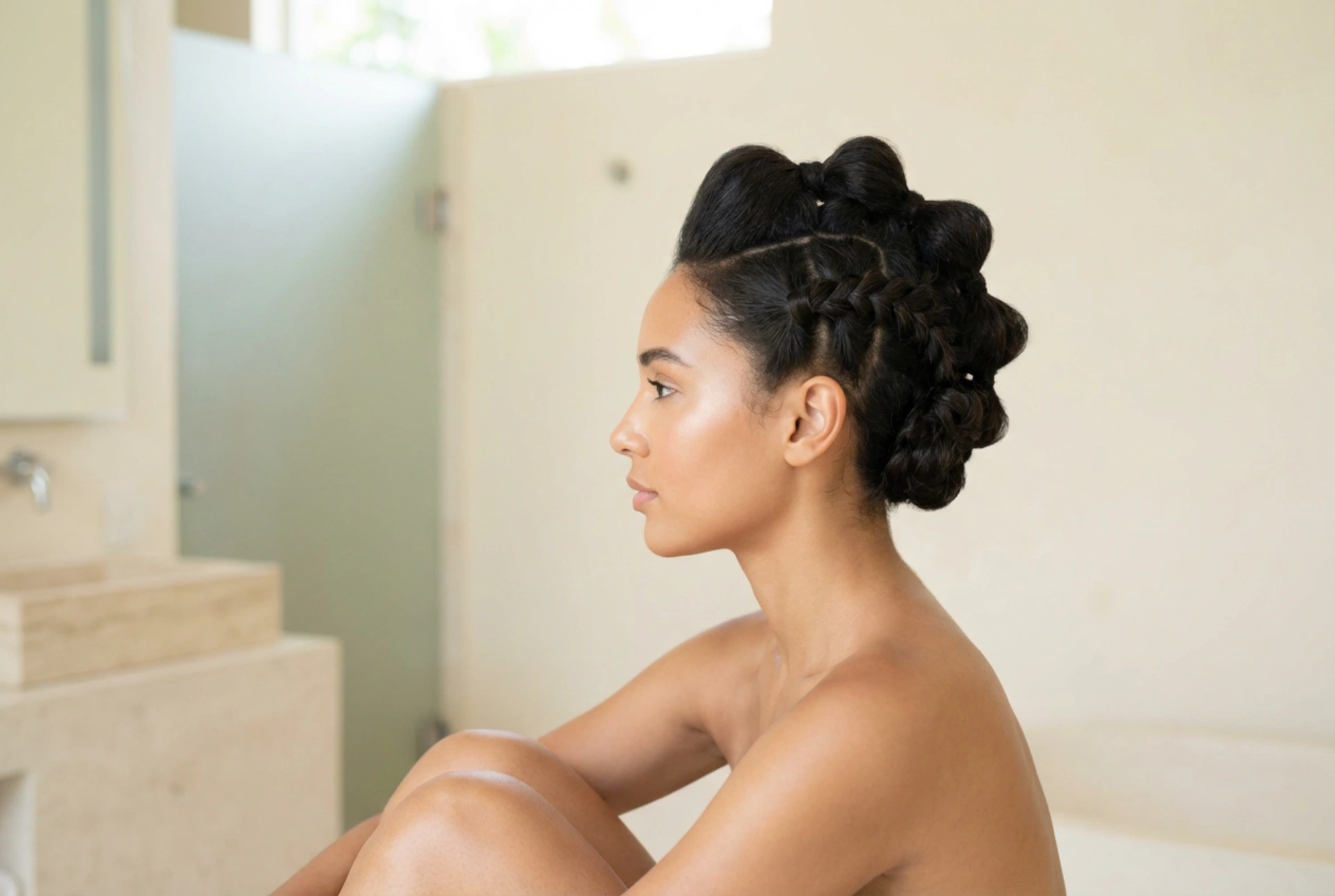


Hair is more than just something to be washed and tamed; it's a versatile medium for artistic expression. While we often stick to familiar, practical styles for daily life, special occasions offer a wonderful opportunity to experiment and create something truly unique. Moving into the realm of avant-garde or sculptural hairstyling doesn't have to be reserved for fashion shows. By understanding the core principles of shape, texture, and hold, you can craft stunning, artistic looks at home that reflect your personal creativity and make a memorable statement.
The Blueprint: Constructing a Solid Shape
Every great architectural creation starts with a solid foundation, and the same is true for a sculptural hairstyle. The initial shape provides the structure upon which all other elements are built. Rushing this stage will often cause the style to lose its form quickly.
Begin with completely dry hair. Depending on your hair type, you may want to wash it the day before, as slightly less-than-pristine hair can sometimes offer better grip. The first crucial step is sectioning. Use clips to divide your hair into manageable sections based on your desired final shape. This allows you to work methodically and maintain control. For instance, if you're planning an asymmetrical updo, you might separate the hair on the left, right, top, and back.
Volume is often essential for creating dramatic shapes. A gentle backcombing technique can build an internal cushion of support. To do this safely, take a small section of hair and hold it taut, perpendicular to your scalp. Using a fine-tooth comb, gently push the hair down towards the roots in two or three short strokes. Avoid aggressive, repeated motions that can cause tangles and damage. Focus the backcombing on the root area where it won't be visible. Once you have built a soft cushion, gently smooth the top layer of hair over it to hide the teased texture. This internal framework gives you something to pin into and helps the style defy gravity.
The Soul of the Style: Playing with Texture
If shape is the skeleton of your hairstyle, texture is its personality. The interplay between different textures—sleek and smooth versus rough and voluminous—is what brings an artistic style to life. Creating contrast is a key technique used to draw the eye and add depth and complexity to your creation.
Creating Sleek, Polished Surfaces
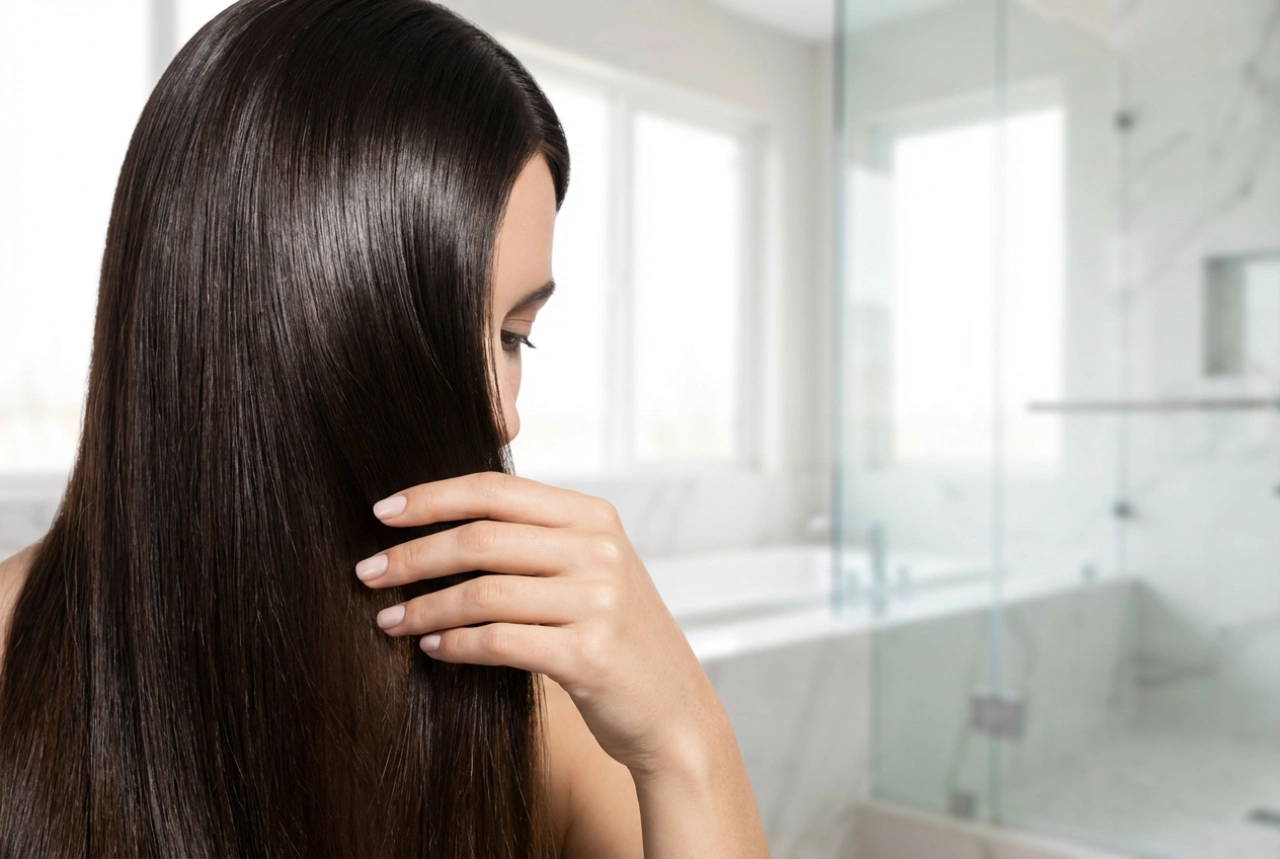
A high-gloss, smooth finish provides a beautiful contrast to more voluminous or intricate elements. To achieve this, apply a small amount of a smoothing lotion or cream to a section of hair. Use a boar bristle brush to gently smooth the hair's cuticle, directing it into the desired position. A light mist of a shine spray can be used as a final touch to enhance the lustre and tame any remaining flyaways. This technique is perfect for creating sharp, defined lines or a liquid-like surface on parts of your style.
Building Volume and Varied Textures
To create a deliberate 'undone' or richly textured look, you need to encourage volume and pattern. Start with damp hair and work a volumising mousse from roots to ends before blow-drying. For a rougher, more matte finish on dry hair, a texturising spray or a light dusting of hair powder at the roots can provide instant grit and lift. You can also create texture without heat. For example, creating multiple small braids or twists on damp hair and allowing them to air-dry will set a consistent, wave-like pattern once undone. For more defined patterns, a crimper or waver can be used—but always after applying a heat protectant spray to shield your strands from damage.
The Final Act: Securing Your Creation
A masterpiece of hairstyling is only successful if it lasts. The art of setting and securing your style ensures that your hard work holds its form throughout an event. This involves the strategic use of products and tools.
- Product Layering: Avoid drenching your hair in a single product. Instead, layer products logically. Mousse provides a foundational structure, a texture spray adds grip and character, and a strong-hold hairspray is the final sealant. Apply products as you build the style, not just at the very end.
- Strategic Pinning: The right pin can make all the difference. Standard bobby pins are best used with the ridged side facing the scalp for maximum grip. For a truly secure hold, try criss-crossing two pins to form an 'X'. U-shaped hairpins are ideal for securing larger sections like buns and twists without creating too much tension. The key to an elegant look is to hide the pins by weaving them into the base of the section you are securing.
- Hairspray Application: The goal is to create a fine, strong web of hold, not a stiff helmet. Hold the can about 20-30 centimetres away from your head and spray in a continuous, sweeping motion. This ensures an even, lightweight distribution. You can also spray a little hairspray directly onto your brush or fingertips to precisely tame small flyaways without disturbing the rest of the style.
Common Pitfalls in Creative Styling
Embarking on a creative hair journey is exciting, but a few common mistakes can lead to frustration. Being aware of them can help you achieve a better outcome.
First is the tendency to overload on products. Using too much serum, mousse, or spray can weigh hair down, making it look greasy and causing your carefully constructed shape to collapse. Always start with a small amount and add more only if necessary. Second, never underestimate the importance of preparation. Styling on hair that isn't properly prepped—for example, trying to create a sleek look on damp hair—will compromise the final result and its longevity. Third, always use a heat protectant. Skipping this step when using hot tools is one of the fastest ways to cause lasting damage to your hair. Fourth, ensure the style is comfortable. A hairstyle that pulls too tightly at the scalp can be distracting. Beauty should not be painful, so adjust pins and bands if you feel any discomfort. Finally, while spontaneity is fun, having a basic plan or an inspiration photo can provide valuable direction and prevent you from feeling lost mid-process.