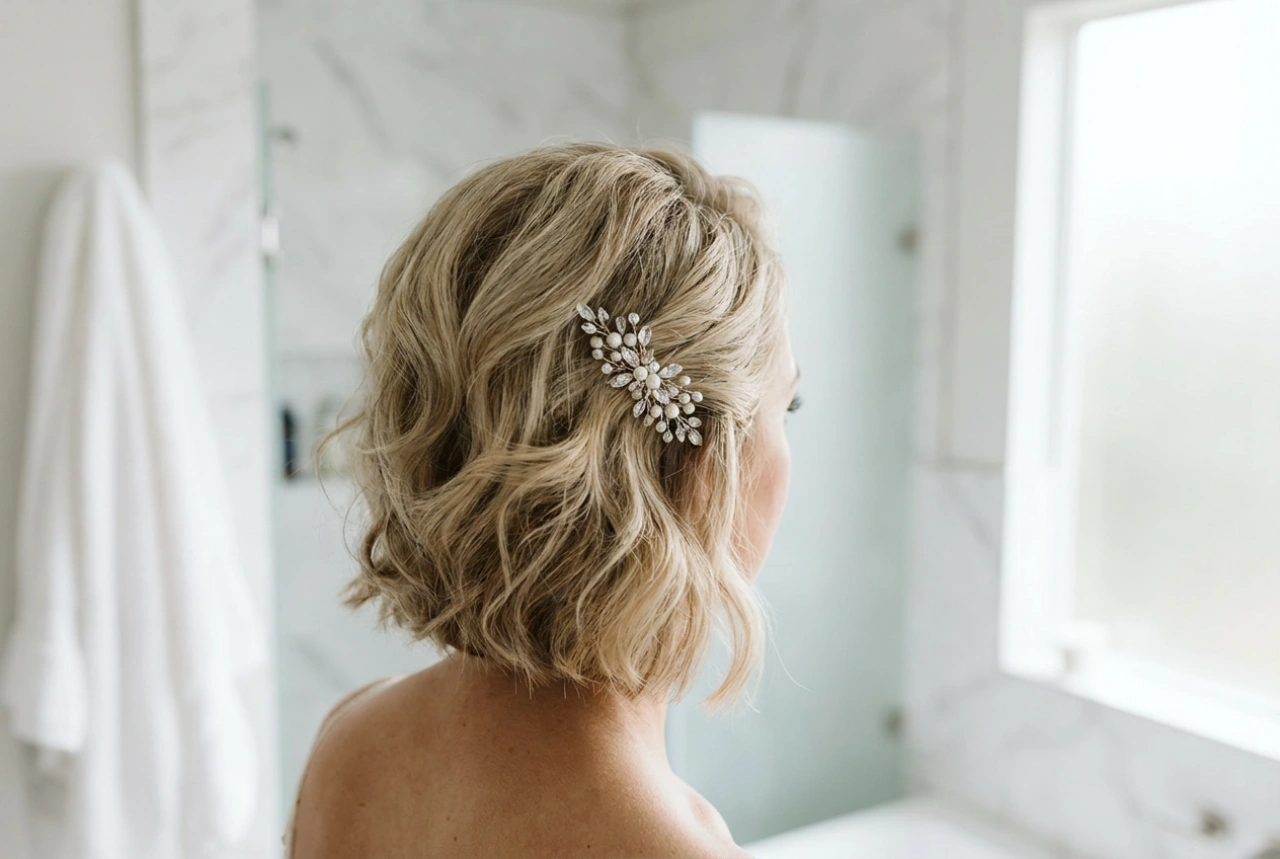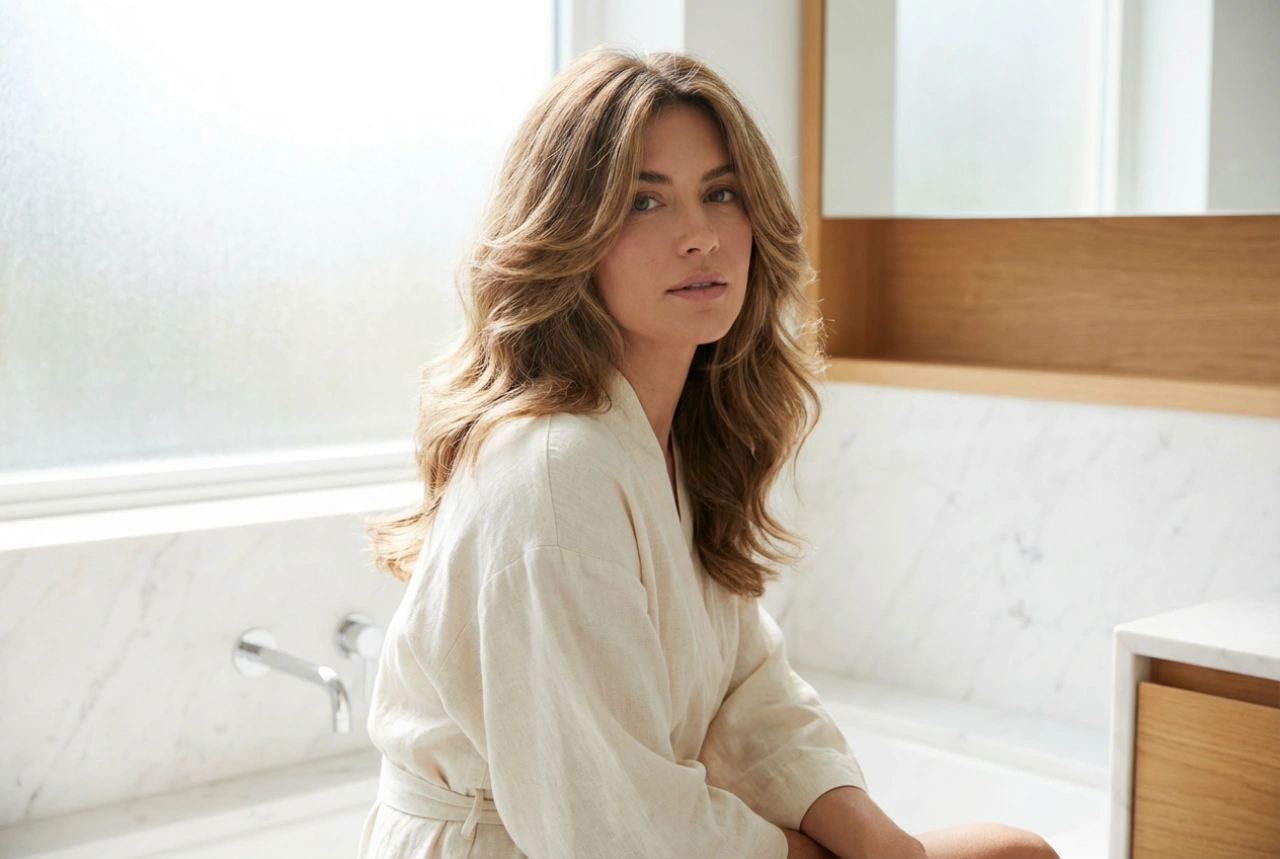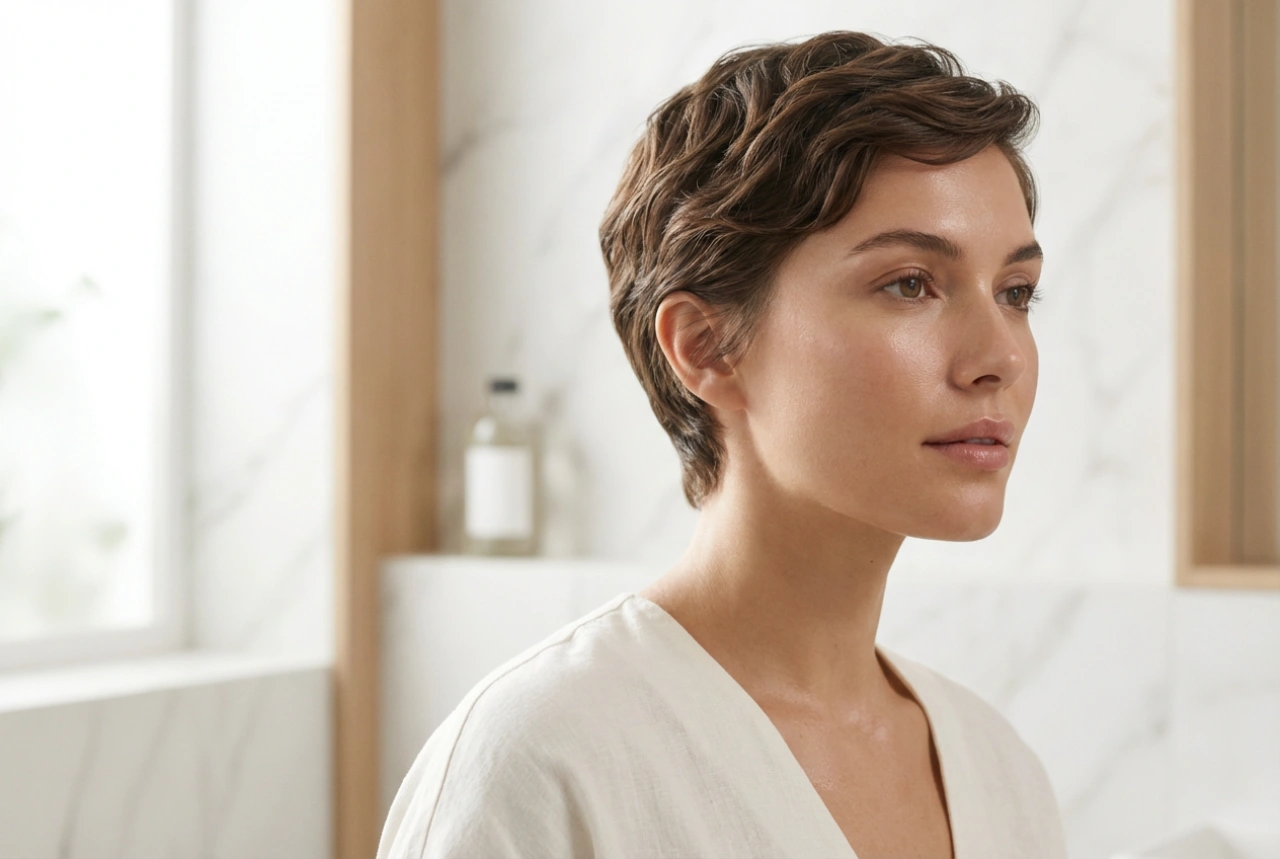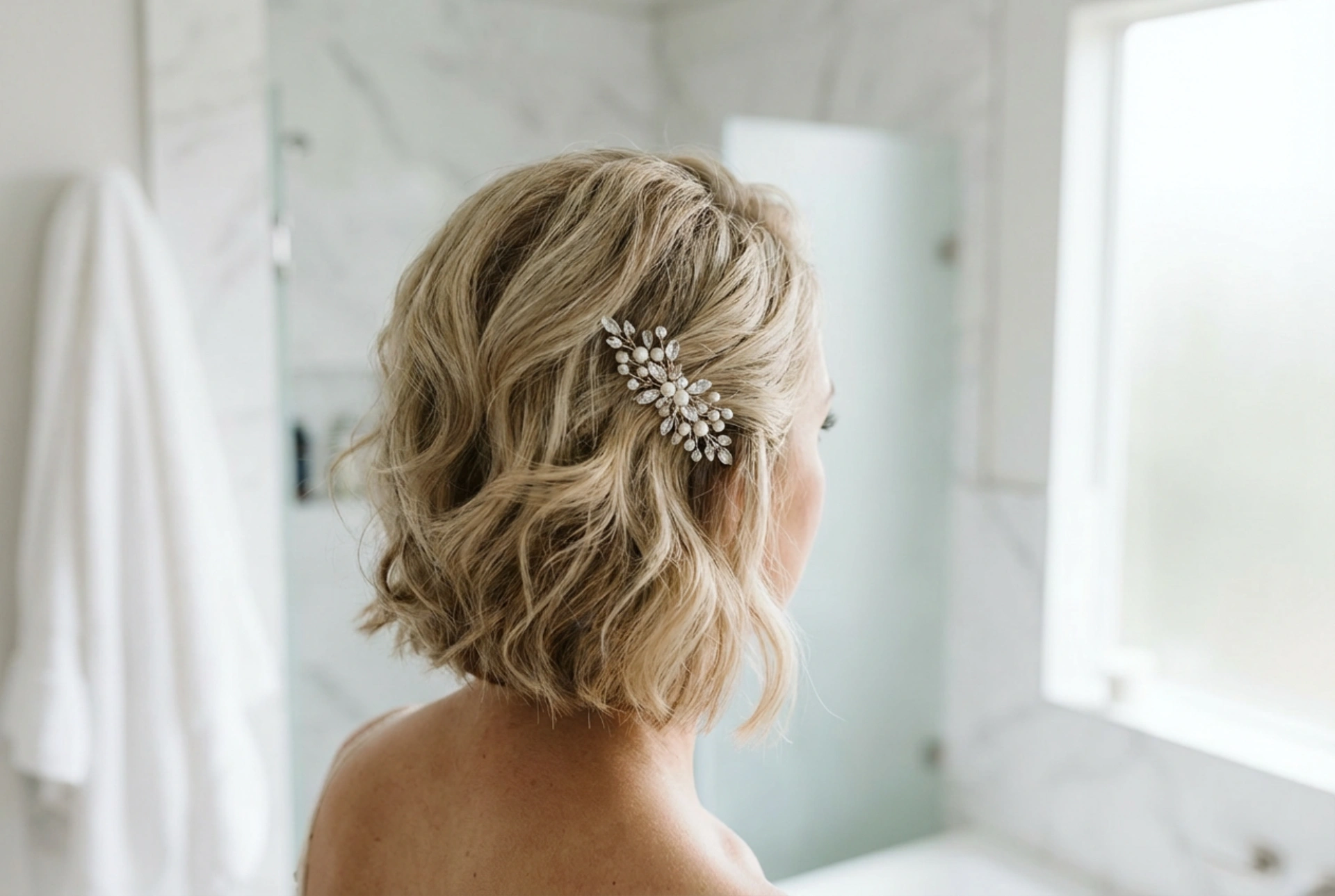


Your hair is one of your most powerful accessories. Much like a well-chosen outfit, the right hairstyle has the ability to balance proportions, highlight your best features, and create a harmonious overall look. The goal is never to hide, but to strategically enhance and flatter your natural face shape. By understanding a few key principles of cutting and styling, you can choose a look that elongates, softens, and fills you with confidence every single day.
The Core Principles of a Flattering Hairstyle
Creating the illusion of a slimmer, more oval face shape revolves around a few simple concepts. It's all about directing the eye and creating lines that work in your favour. The primary goal is to add length and reduce width. Here’s how it works:
- Create Vertical Lines: Anything that draws the eye up and down will have an elongating effect. Long hair, height at the crown, and long layers all contribute to this vertical illusion.
- Add Height, Not Width: Volume is your friend, but only when it’s in the right place. Focus on creating lift at the roots and the crown of your head. Volume at the sides, especially around the cheeks and jawline, can make the face appear wider.
- Embrace Asymmetry: Perfectly symmetrical styles can sometimes emphasise roundness. An asymmetrical element, like a deep side parting or a side-swept fringe, breaks up the symmetry and creates more dynamic, flattering lines.
- Soften the Edges: Soft waves, face-framing layers, and wispy tendrils soften the contours of the face. Harsh, blunt lines can have the opposite effect, creating a stark frame that can seem unforgiving.
Choosing the Right Cut: Length, Layers, and Fringes
The foundation of a great hairstyle is the cut itself. When discussing your options with a stylist, focus on incorporating elements that will work with your features, not against them.
The Ideal Length
While you can wear any hair length with confidence, some are inherently more flattering for fuller face shapes. Generally, styles that fall below the chin to shoulder-length and longer are excellent choices. This length helps to draw the eye downwards, instantly creating a more elongated silhouette. Be cautious with chin-length bobs, especially those that are one length with rounded-under ends, as they can end at the widest part of the face and accentuate fullness.
The Power of Layers
Layers are non-negotiable for adding movement, removing bulk, and shaping the hair. Without them, hair can look heavy and create a 'helmet' effect that adds width. Long, soft layers that start around the chin or collarbone are particularly effective. They frame the face beautifully without adding volume at the sides. Shorter, choppy layers on top can also help create that desirable height at the crown.
Fringes That Flatter
A fringe, or bangs, can completely transform a look. For a slimming effect, the best options are those that create diagonal or vertical lines.
- Side-Swept Fringe: A long, sweeping fringe is a classic for a reason. It cuts diagonally across the forehead, breaking up roundness and drawing attention to the eyes.
- Curtain Bangs: This trendy style, which parts in the middle and sweeps to either side, is also a fantastic choice. It opens up the face and creates a soft, face-framing effect that narrows the forehead.
- What to Avoid: A short, blunt, or heavy straight-across fringe can be challenging. It creates a harsh horizontal line that can visually shorten the face and emphasise its width.
Everyday Styling Tricks for an Elongating Effect
Beyond the cut, how you style your hair daily makes a huge difference. These simple techniques can be easily incorporated into your routine.
Find Your Best Parting
The way you part your hair can instantly change your face shape. While a centre part can work with long hair and curtain bangs, a deep side part is often the most universally flattering option. It creates instant asymmetry and volume on one side, lifting the features and breaking up the facial symmetry. An off-centre part is a softer, equally effective alternative.
Build Volume at the Crown
Height on top is key. When blow-drying your hair, flip your head upside down to direct heat at the roots for an initial lift. You can also use a round brush to lift the sections at the crown as you dry them. For extra staying power, a light tease at the crown, hidden under the top layer of hair, creates subtle, lasting height.
Flattering Updos and Ponytails
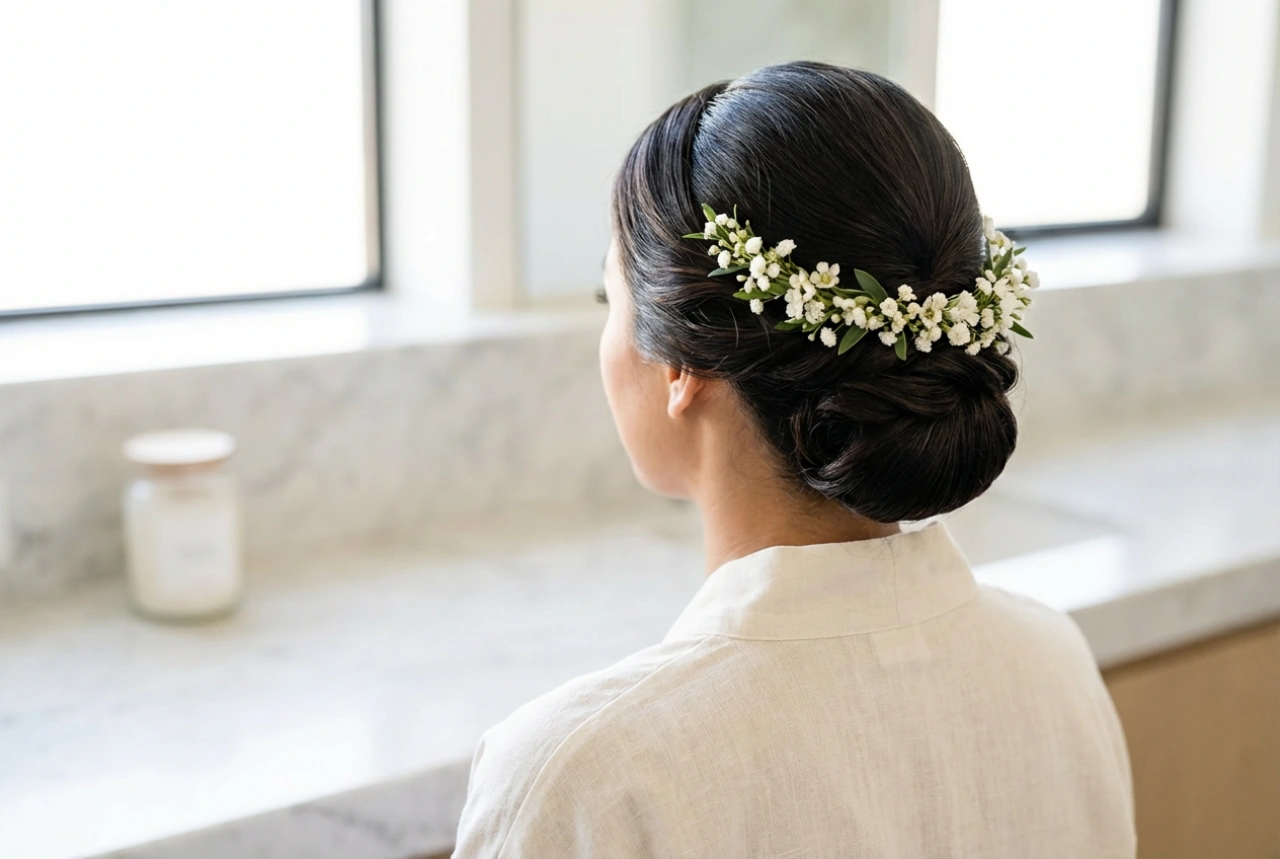
When you want your hair up and away from your face, avoid styles that are slicked back tightly. This can expose the full perimeter of the face and appear severe. Instead, opt for softer, more voluminous updos:
- The High Ponytail: Placing your ponytail high on the crown of your head draws the eye upward and has a lifting effect on the entire face.
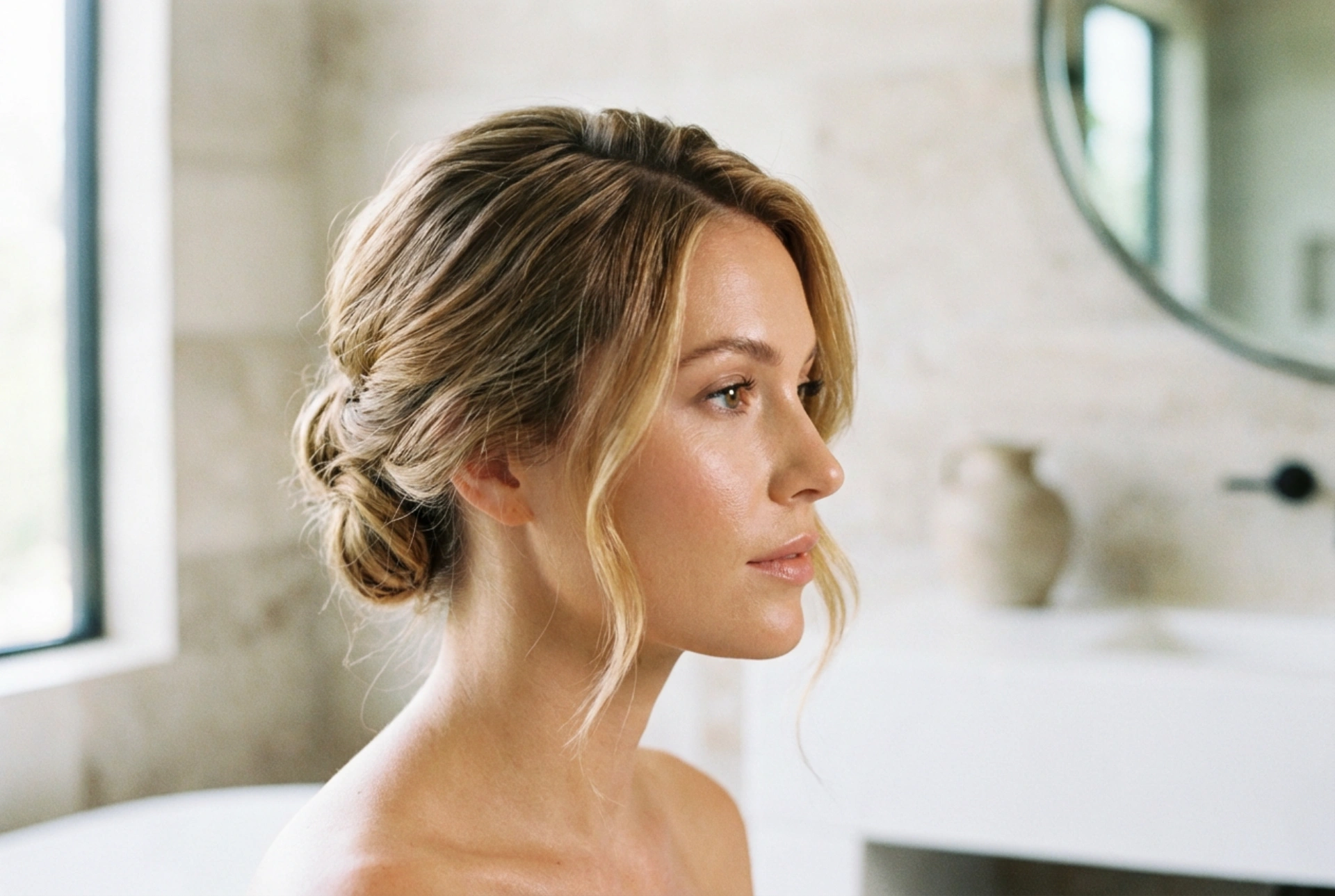
- The Messy Bun: A topknot or a loose, messy bun also adds height. The key is to keep it soft and imperfect.
- Face-Framing Tendrils: Whichever updo you choose, always pull out a few soft pieces of hair or longer tendrils to frame the face. This simple step softens the entire look and prevents it from looking too harsh. A half-up, half-down style is another great way to get the hair off your face while maintaining length and softness around the shoulders.
Common Hair Mistakes to Avoid
Just as important as knowing what to do is knowing what to avoid. Certain styles can inadvertently add width or draw attention to areas you'd prefer to soften. Be mindful of these common missteps:
- One-Length, Chin-Length Bobs: As mentioned, a blunt cut that ends right at the jawline can make a face look wider and rounder.
- Excessive Volume at the Sides: Styles that are flat on top but very full at the ears and cheeks will create a triangular shape that is not typically flattering.
- Severe, Pulled-Back Styles: Tight buns or ponytails without any softness around the hairline can be harsh.
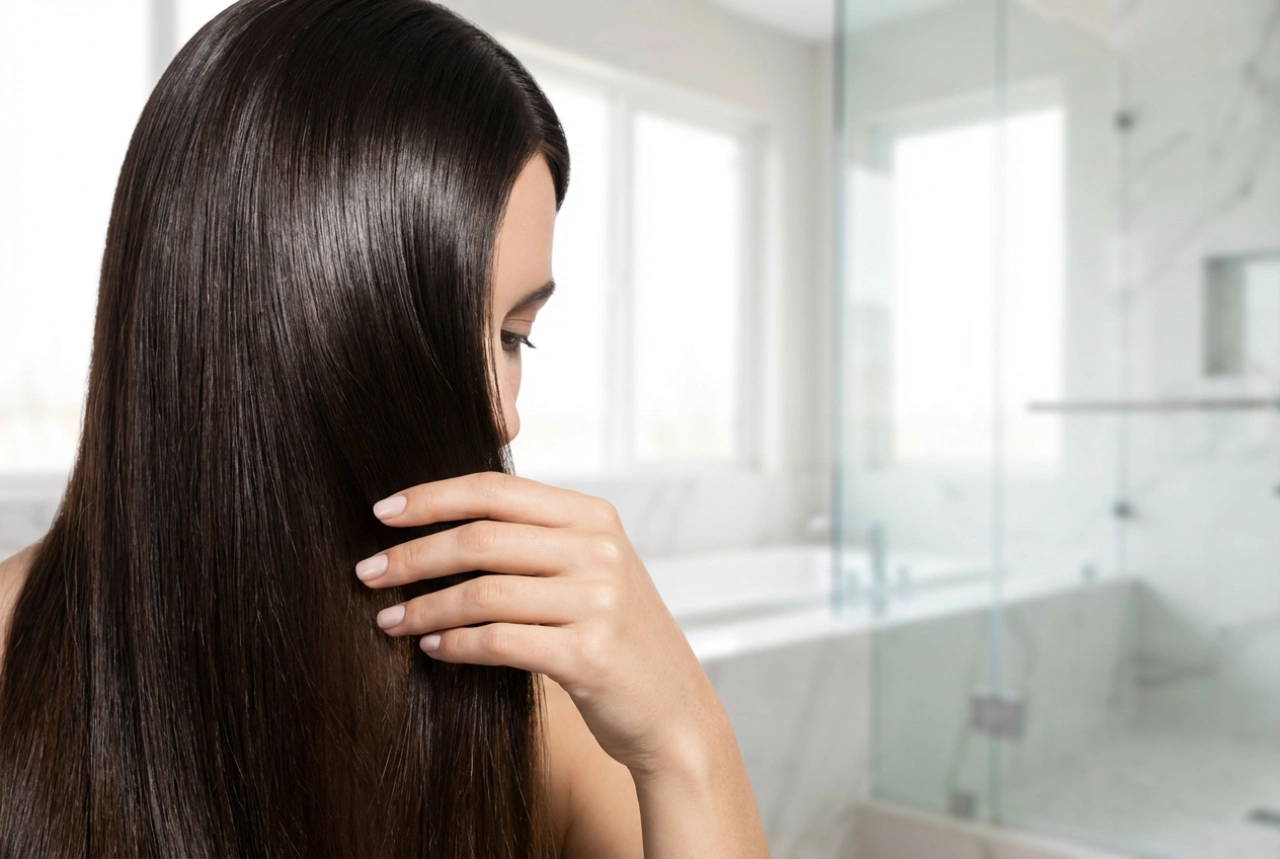
- Perfectly Straight, Flat Hair: Hair that hangs completely straight and flat without any movement or body can cling to the face and emphasise its shape. Adding a slight wave or bend can make a world of difference.
Ultimately, the best hairstyle is one that makes you feel beautiful and confident. Use these guidelines as a starting point to experiment and find the cuts and styles that not only flatter your features but also express your personal style.