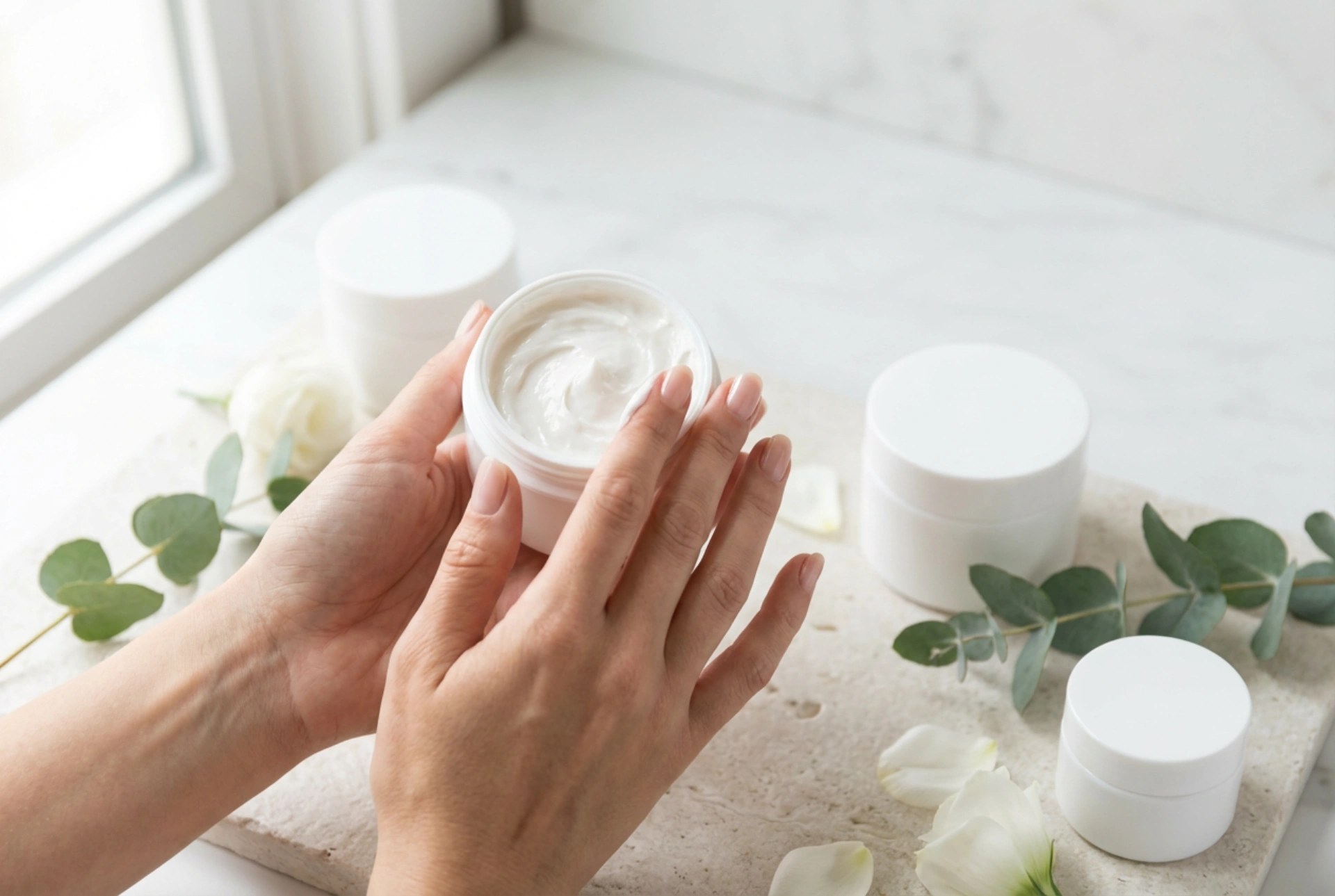


In the quiet moments of a busy week, taking time for a dedicated skincare ritual can restore both peace of mind and the natural vitality of your complexion. When you observe the gentle application of a rich, velvety mask spreading smoothly across the skin, it is easy to appreciate how such a simple gesture can transform a dull, tired face into a radiant, dewy canvas. Hydrating masks are the cornerstone of any effective home-care routine, offering an instant surge of moisture that helps to plump, soothe, and revitalise the epidermis. However, to truly unlock the benefits of these nourishing treatments, it is essential to understand when your skin is crying out for moisture, how to apply the product correctly, and how to prolong its beneficial effects.
When Does Your Skin Need a Hydrating Mask?
Our skin is constantly exposed to environmental stressors such as central heating, air conditioning, shifting seasonal temperatures, and pollution. Over time, these factors can compromise the delicate moisture barrier, leading to dehydration. It is important to distinguish between dry skin, which lacks natural oils, and dehydrated skin, which lacks water. A hydrating mask is a universal remedy that benefits all skin types, including oily and combination complexions, by replenishing vital water content without clogging pores.
There are several key signs that indicate your skin is in desperate need of an intensive moisture boost:
- A feeling of tightness: If your face feels uncomfortable, taut, or stretched, especially after cleansing, its hydration levels are depleted.
- Dullness and lack of radiance: Dehydrated skin loses its natural ability to reflect light, resulting in a matte, greyish, or fatigued appearance.
- Fine lines and rough texture: Dehydration can accentuate tiny, superficial lines around the eyes and mouth, making the skin surface feel uneven or rough to the touch.
- Flakiness or makeup unevenness: When foundation clings to dry patches or appears patchy shortly after application, it is a clear sign that the skin underneath requires deep conditioning.
Step-by-Step Guide: How to Apply a Hydrating Mask for Best Results
Applying a hydrating mask may seem straightforward, but a few deliberate steps can significantly enhance its absorption and overall efficacy. To recreate a serene, spa-like experience at home, follow this simple preparation and application sequence:
1. Thorough Cleansing
Before any mask touches your face, it is vital to create a clean canvas. Remove all makeup, sunscreen, and daily impurities using a gentle, non-stripping cleanser. Applying a mask over unwashed skin prevents active ingredients from penetrating deeply and can trap dirt inside the pores.
2. Gentle Exfoliation
If your skin feels particularly rough, a mild enzymatic or chemical exfoliant can be used beforehand. By removing dead skin cells from the surface, you clear the pathway for the hydrating ingredients to sink in more efficiently. However, avoid harsh scrubs that might irritate the skin barrier prior to mask application.
3. Precise Application
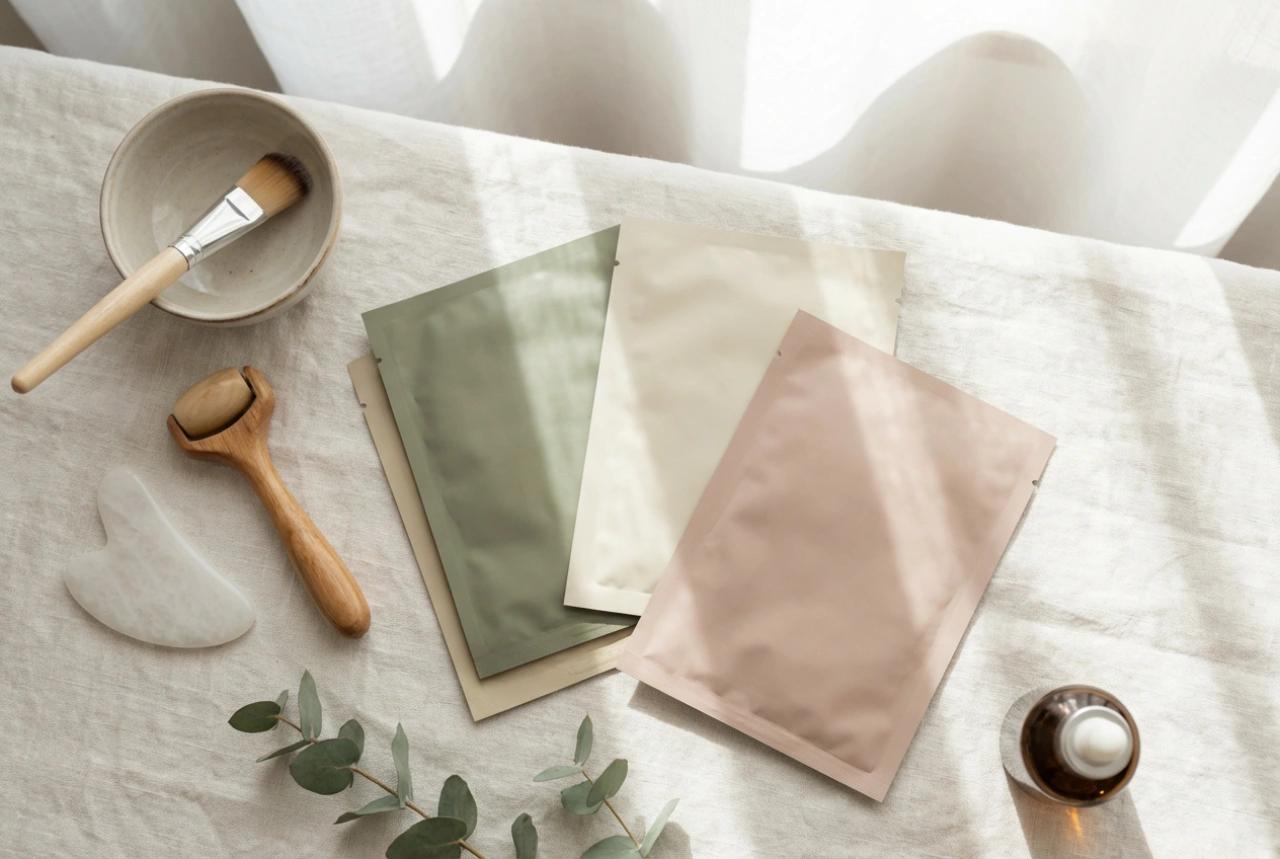
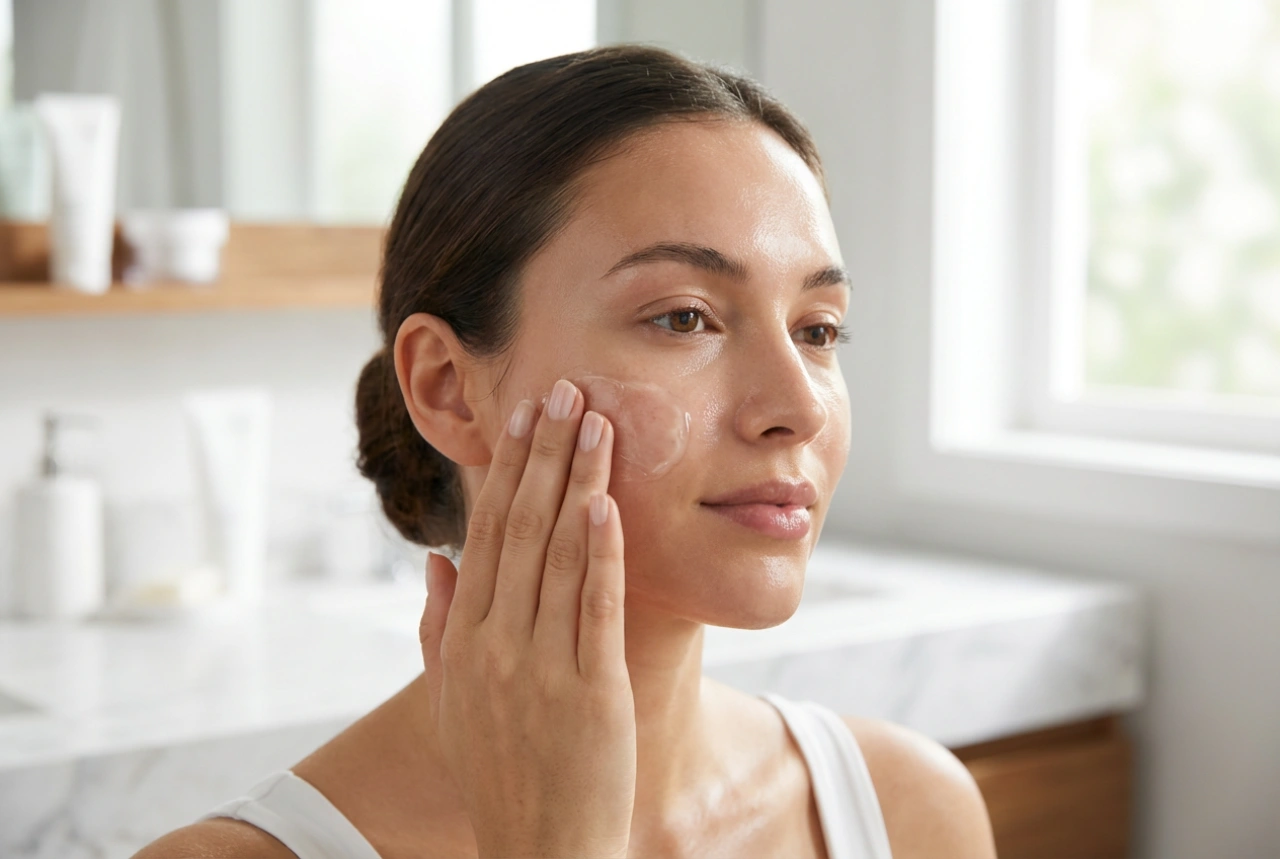
Using clean fingertips or a soft cosmetic brush, apply an even, generous layer of the mask to your face, neck, and décolletage. Be careful to avoid the immediate eye area and lips unless the product is specifically formulated for those delicate zones. The texture should feel rich and soothing as it blankets the skin.
4. Respect the Timing
Always follow the recommended duration on the packaging, which is typically between 10 to 20 minutes. Leaving a mask on for longer than recommended does not guarantee better results; in fact, some formulations may begin to dry out and draw moisture back out of the skin if left on for too long.
How to Maximise and Lock In the Hydration
To elevate your self-care ritual and ensure long-lasting suppleness, you can incorporate a few simple techniques that boost the performance of your hydrating mask. These methods help to optimise absorption and seal the beneficial moisture deep within the epidermal layers.
One highly effective approach is to apply a hydrating serum containing ingredients like hyaluronic acid or glycerin underneath your mask. The mask acts as an occlusive barrier, pressing the serum deeper into the skin and preventing it from evaporating into the air. Additionally, performing a gentle facial massage while applying or removing the product can stimulate local blood circulation, promoting a natural, healthy glow.
After the designated time has passed, gently rinse off any excess product with lukewarm water, or wipe it away with a damp, soft cloth. If you are using a leave-on cream mask, you can simply tissue off the excess and massage the remaining formula into your skin. Immediately follow up with your regular moisturiser and a few drops of a lightweight facial oil to seal in the newly acquired hydration, ensuring your complexion remains plump and dewy throughout the day or night.
Choosing the Right Hydrating Mask for Your Routine
Hydrating masks come in various formulations, each offering a unique sensory experience and level of convenience. Selecting the right format depends on your skin's immediate needs and your personal preferences:
- Cream Masks: Rich, nourishing, and classic, these are ideal for dry or mature skin types. They mimic the skin's natural lipid barrier and provide a comforting, enveloping layer of deep hydration.
- Gel Masks: Lightweight, cooling, and refreshing, gel formulations are excellent for oily, combination, or sensitive skin. They provide intense water delivery without feeling heavy or greasy.
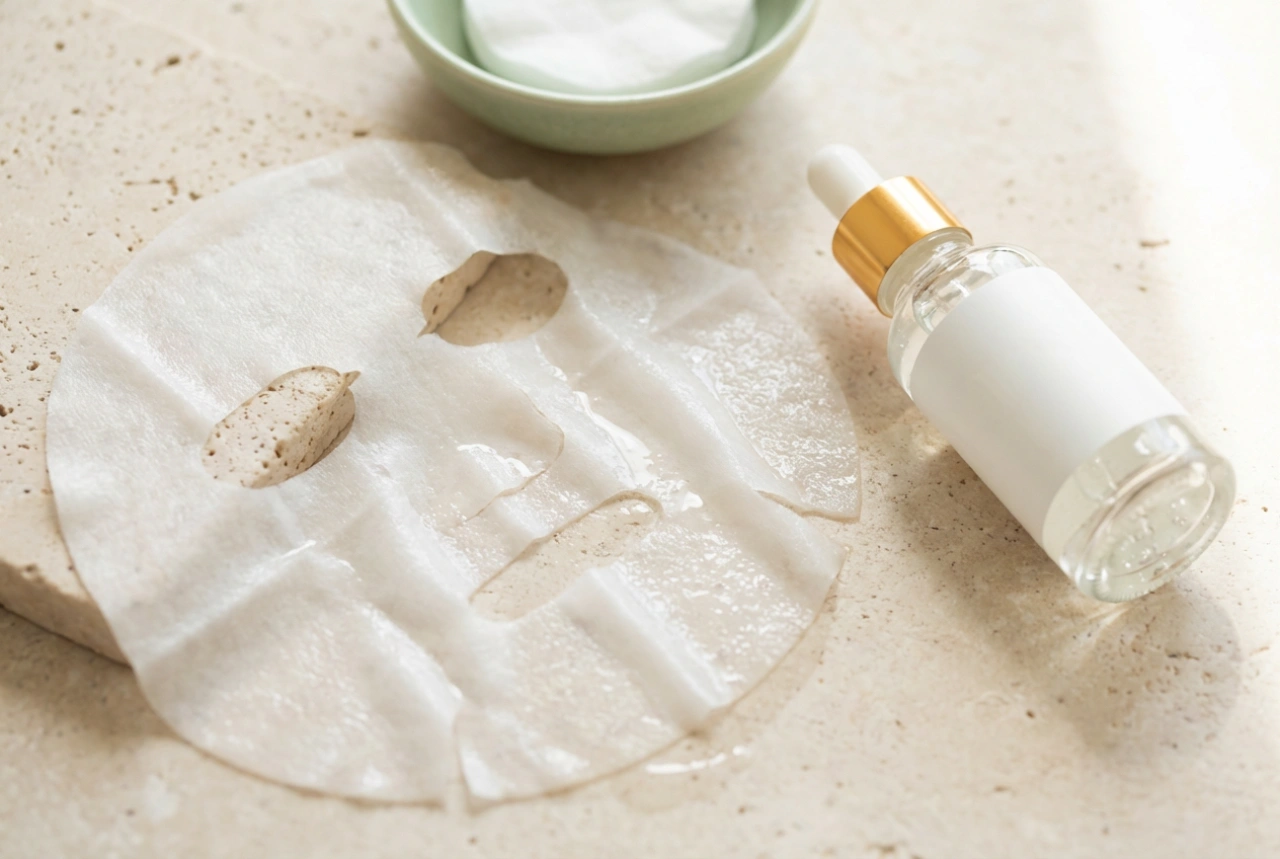
- Sheet Masks: Convenient and highly concentrated, sheet masks are soaked in a potent serum. They physically prevent evaporation, forcing the active hydration into the skin over 15 minutes, making them perfect for quick radiance boosts before events.
- Overnight Sleeping Masks: Designed to work in harmony with the skin's natural nocturnal regeneration process, these masks are applied as the final step of your evening routine and washed off the next morning for an intensely revitalised complexion.