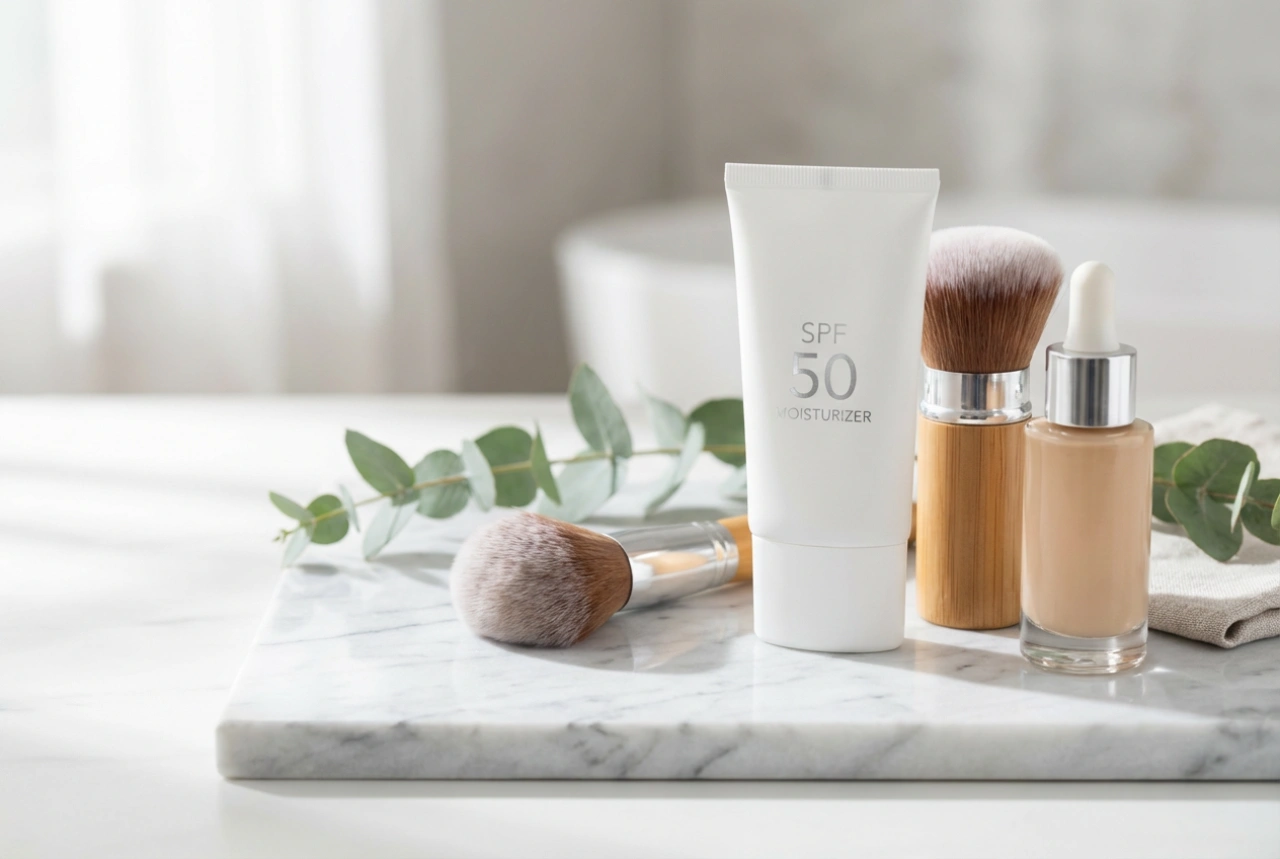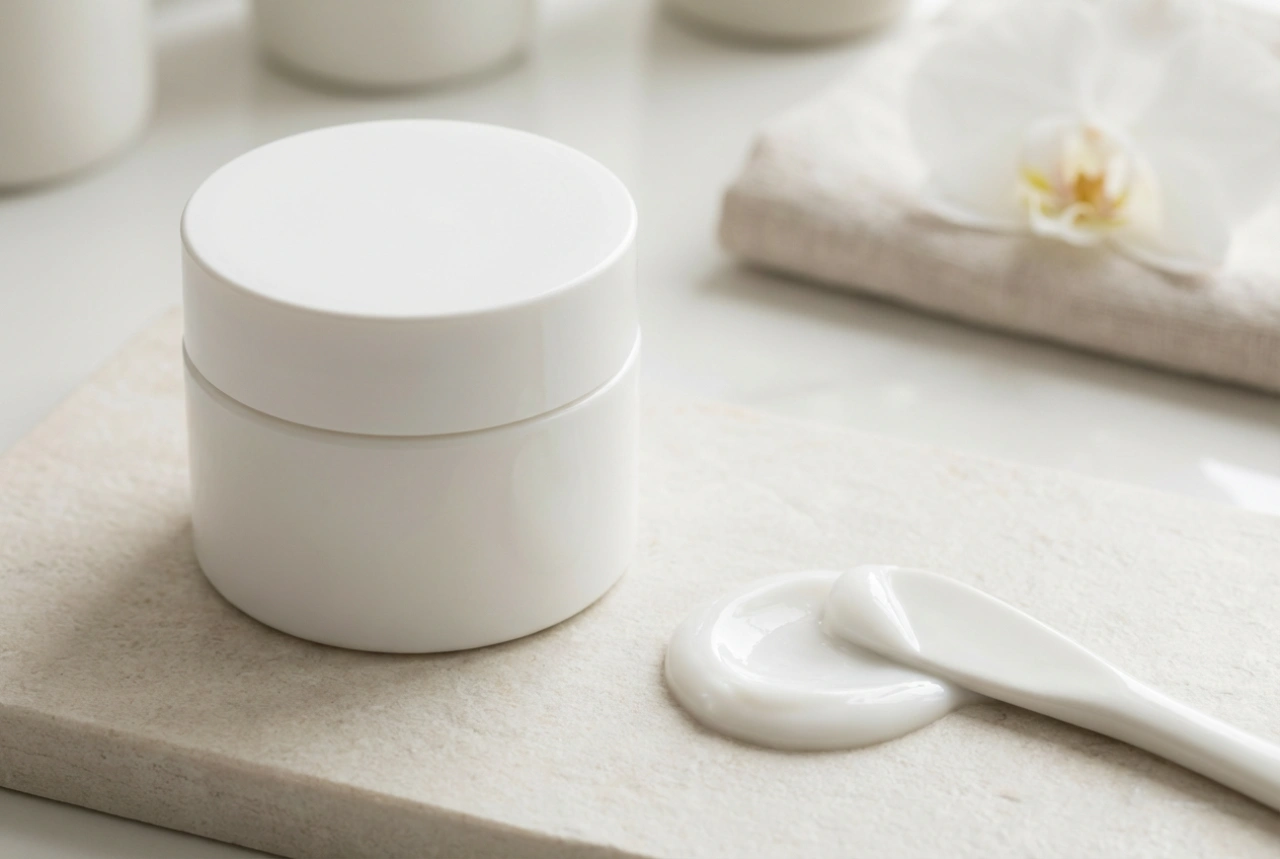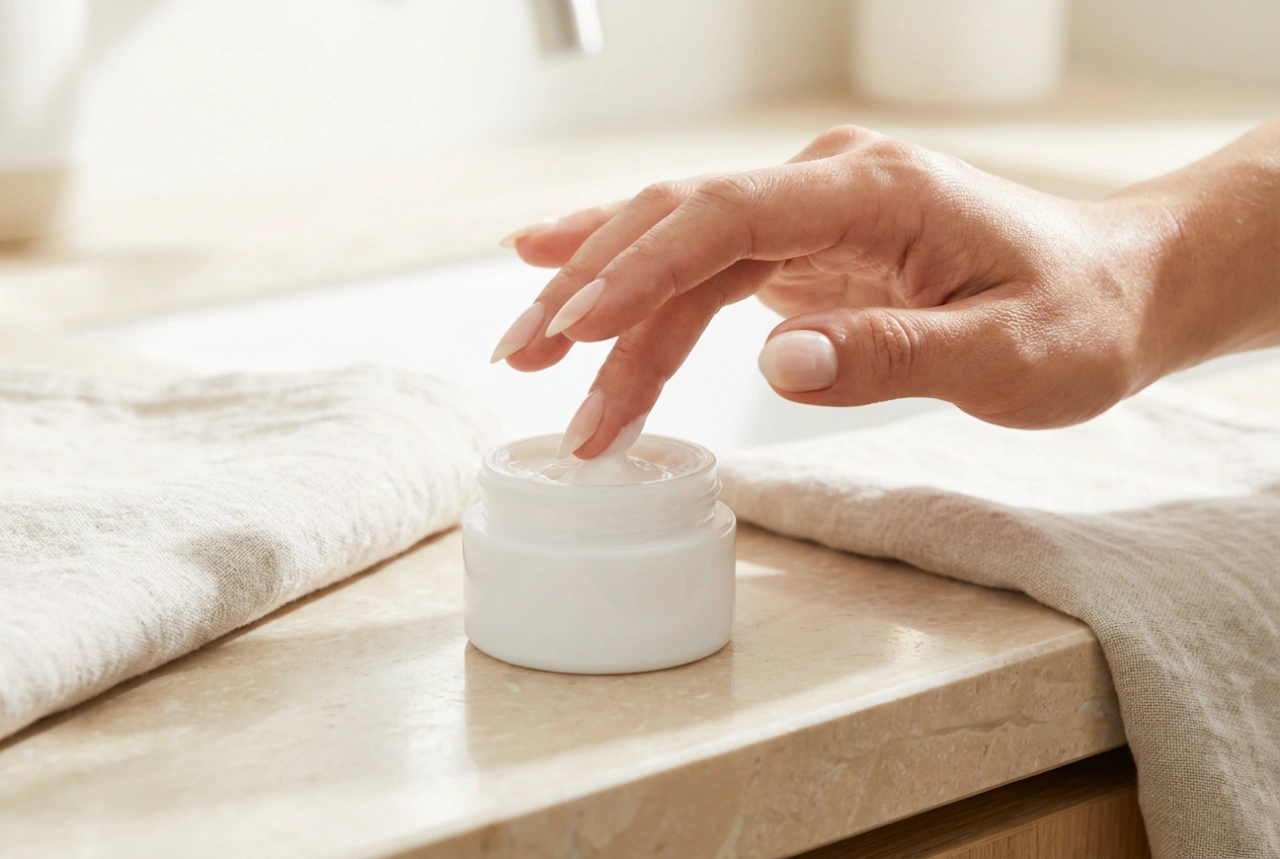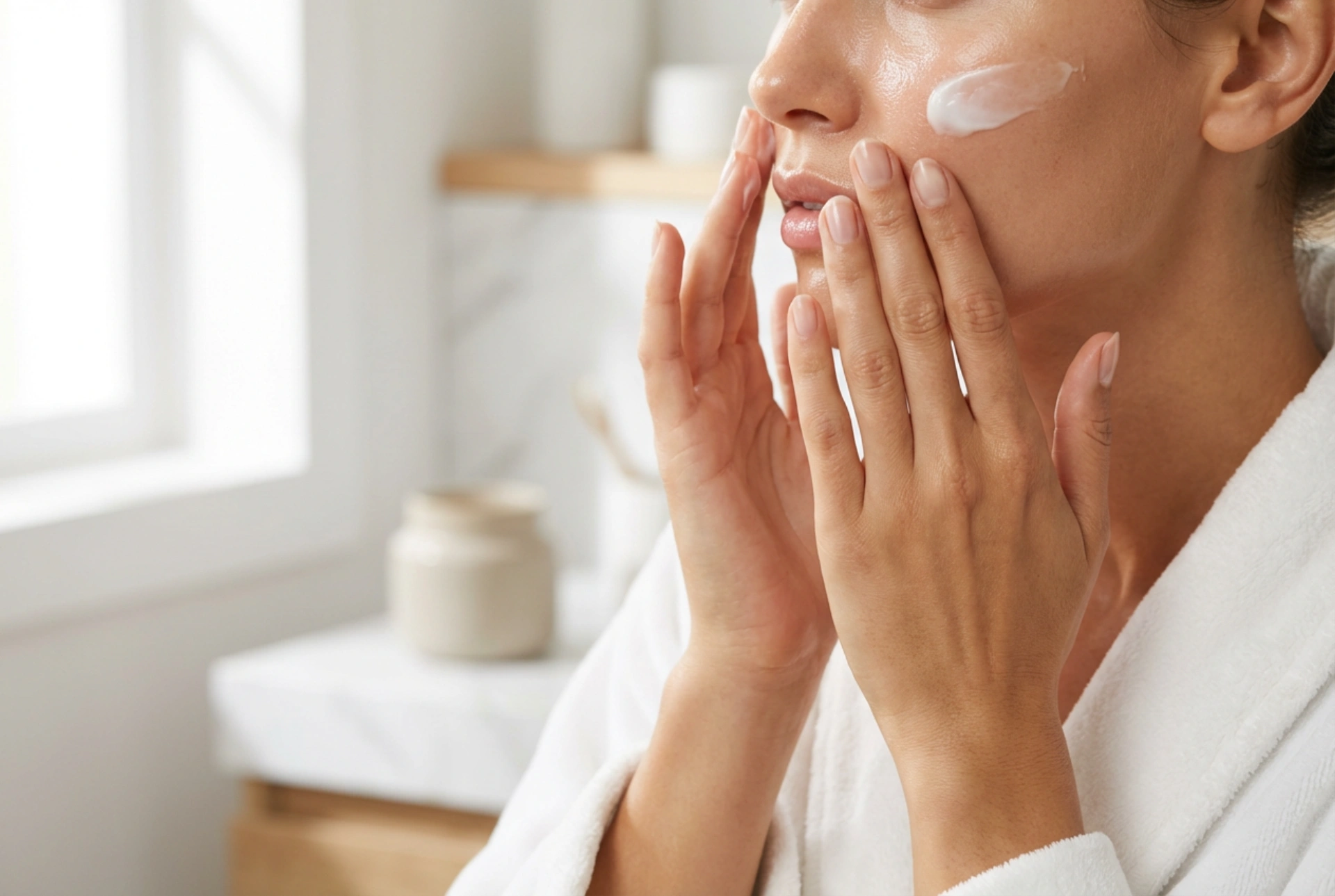


Achieving radiant, dewy skin often starts with a single, mindful ritual in the soft morning light. Gently patting a luxurious, rich cream onto the face not only nourishes the epidermis but also transforms daily skincare into a moment of self-care. The way we select our moisturizing products and the technique we use to apply them can significantly influence how well our skin retains hydration throughout the day, leaving it looking smooth, plump, and healthy.
Understanding the Role of Deep Hydration
The skin's outermost layer acts as a natural shield against environmental factors. When this barrier lacks moisture, the skin can become tight, dull, and prone to flakiness. Deeply hydrating creams work by restoring the balance of water and lipids, ensuring that the skin remains supple and resilient. Unlike lightweight lotions, rich hydrating formulas are designed to provide prolonged moisture retention, making them essential for maintaining a youthful and fresh appearance. Proper hydration helps to smooth out fine dehydration lines and creates an ideal canvas for daily wear.
Key Ingredients to Look For
When searching for the perfect hydrating formula, it is helpful to understand the components that make these products effective. A well-rounded hydrating cream typically combines three types of ingredients:
- Humectants: These substances, such as hyaluronic acid and glycerin, act like sponges, drawing water from the atmosphere and deeper layers of the skin into the outer epidermis.
- Emollients: Ingredients like natural plant oils and squalane fill the micro-gaps between skin cells, smoothing the surface and improving overall texture.
- Occlusives: These form a protective protective barrier on the skin's surface to lock in moisture and prevent transepidermal water loss. Natural waxes and rich butters are excellent examples of gentle occlusives.
Balancing these three elements ensures that the skin not only receives immediate moisture but also retains it over a long period.
Choosing the Right Formula for Your Skin Type
Not all hydrating creams are created equal, and selecting the right texture is crucial for achieving the best results without overloading the skin.
Lightweight Gel-Creams
For those with combination or oily skin types, a heavy cream might feel too occlusive. Gel-creams offer a high concentration of humectants in a water-based formula. They absorb quickly, leaving a refreshed, matte-yet-dewy finish without clogging pores or leaving a greasy residue.
Rich, Velvety Creams
Dry and mature skin types benefit most from richer, lipid-dense formulas. These creams have a thicker consistency and contain higher proportions of emollients and occlusives. They provide comfort to dry areas, restore flexibility, and protect the skin against harsh weather conditions.
The Art of Application: Techniques for Maximum Absorption
How you apply your skincare is just as important as the product itself. Proper application techniques ensure that the cream absorbs deeply and stimulates circulation without pulling or stretching the delicate facial tissues.
Step 1: Preparation and Warmth
Always begin with thoroughly cleansed skin. While the skin is still slightly damp from toner or water, dispense a pea-sized amount of cream. Rub your hands together gently to warm the product. Warming the cream allows it to glide more smoothly and enhances absorption.
Step 2: Gentle Patting and Pressing
Instead of rubbing vigorously, use your fingertips and palms to gently pat and press the cream into your skin. Start from the center of the face—around the nose and cheeks—and move outwards. Patting minimizes friction and helps the active ingredients sink deeper into the skin layers.
Step 3: Upward and Outward Strokes
If you prefer sweeping motions, always move in an upward and outward direction. This respects the natural flow of the lymphatic system and helps to promote a lifted, toned appearance. Be particularly gentle around the eye area, using your ring finger to tap the cream around the orbital bone.
Step 4: Don't Forget the Neck and Decolletage
The skin on the neck and chest is delicate and often shows signs of dehydration early. Extend your application downwards, using gentle upward strokes from the collarbone to the jawline to maintain elasticity and moisture in this area.
Optimizing Your Daily Hydration Ritual
To get the most out of your hydrating cream, consistency and timing are key. Applying your cream within sixty seconds of cleansing locks in maximum surface moisture. During colder months, you may want to layer a hydrating serum underneath your rich cream to provide an extra boost of water before sealing it with lipids. In the morning, always follow your hydrating cream with a broad-spectrum sunscreen to protect the newly nourished skin barrier from UV rays. By selecting the right formula and mastering the application, your daily skincare routine becomes a highly effective, soothing practice that supports radiant skin health.