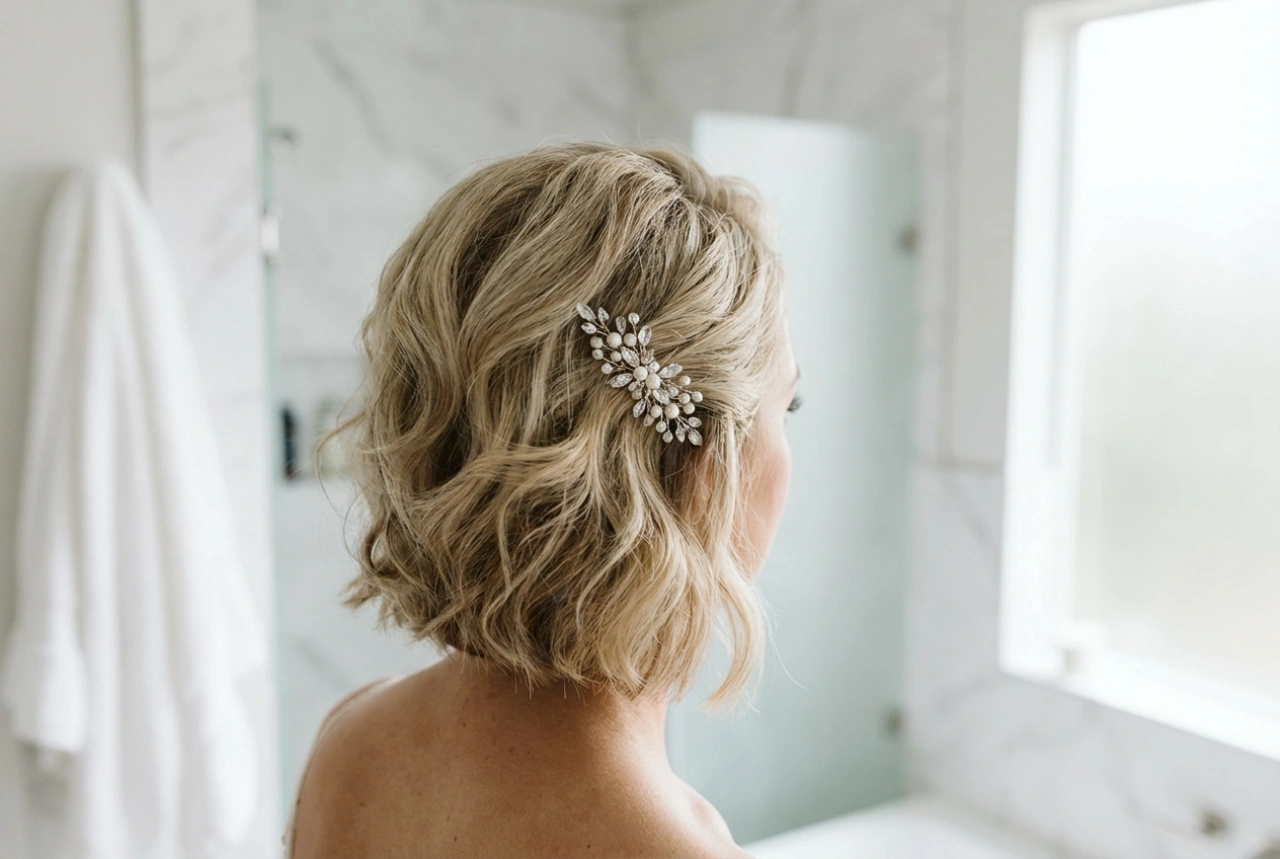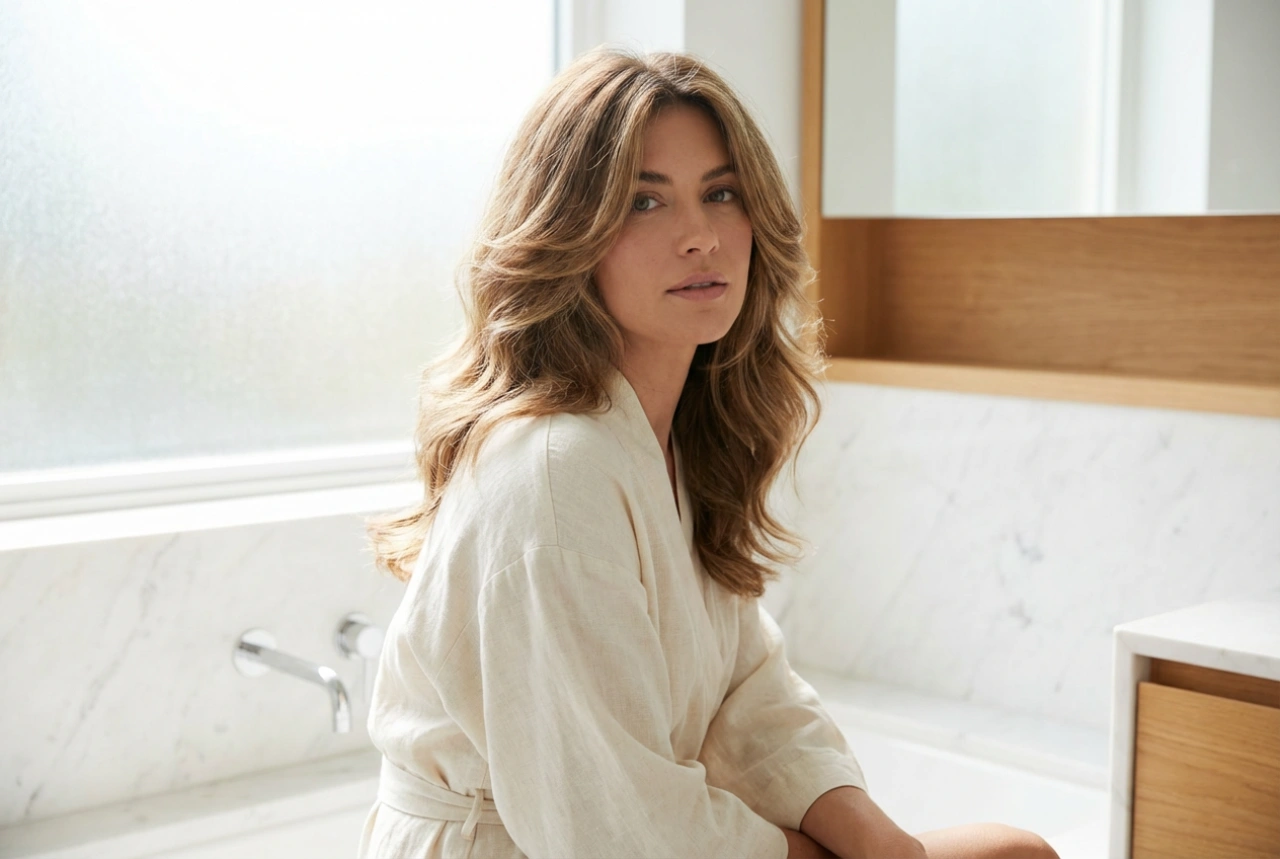


Achieving bouncy, defined curls or soft, beachy waves is a timeless styling goal that brings volume and movement to any hair type. However, the frequent use of heat styling tools often raises concerns about moisture loss, split ends, and structural damage to the delicate hair shaft. Fortunately, modern styling technology focuses heavily on maintaining the integrity of the hair. By choosing the right tool with a protective coating, adjusting the temperature to suit your specific hair type, and mastering safe styling techniques, you can enjoy beautifully styled, shiny curls without compromising the health of your hair.
The Core of Protection: Understanding Curler Coatings
The material of the curling barrel is one of the most critical factors in determining how heat is transferred to your hair. Traditional metal barrels often create hot spots—areas that get significantly hotter than others—which can easily singe the hair cuticles. Modern styling tools utilise advanced materials designed to distribute heat evenly and glide smoothly through the hair strands.
Ceramic coatings are highly popular for good reason. They heat up evenly and retain a consistent temperature throughout the styling process, minimising the risk of heat spikes. Ceramic also emits far-infrared heat, which penetrates the hair shaft from the inside out, preserving natural moisture. Tourmaline is another exceptional material, often infused into ceramic. This natural mineral is a rich source of negative ions, which counteract the positive ions present in dry or damaged hair. The result is a sealed cuticle layer, reduced frizz, and a remarkable boost in natural shine. For thicker, coarser hair types, titanium barrels offer fast heat transfer and highly durable, smooth surfaces that style quickly with minimal friction, preventing mechanical damage during wrapping.
The Role of Temperature Control in Hair Styling
One of the most common mistakes in heat styling is using a temperature that is far too high for the hair type. Hair is made of keratin proteins, which can weaken and degrade when exposed to extreme heat. To keep your strands healthy, it is essential to use a curling iron with adjustable digital temperature settings rather than a simple on-off switch.
Fine, delicate, or colour-treated hair is highly susceptible to heat damage and should be styled at lower temperatures, generally between 120°C and 150°C. Normal or medium-textured hair can safely withstand temperatures ranging from 150°C to 180°C. Coarse, thick, or naturally curly hair may require a slightly higher setting, between 180°C and 200°C, to effectively shape the curl. However, styled waves should never require heat exceeding 210°C. Finding the lowest effective temperature for your hair type is the key to preventing long-term structural weakness.
Essential Styling Techniques for Damage-Free Curls
Even with the most advanced curling tool, proper technique is vital to protect your hair from unnecessary stress. First and foremost, never use a curling iron on damp or wet hair. When water is trapped inside the hair shaft and suddenly heated, it turns to steam, expanding rapidly and causing tiny ruptures in the hair structure. Always ensure your hair is completely dry before styling.
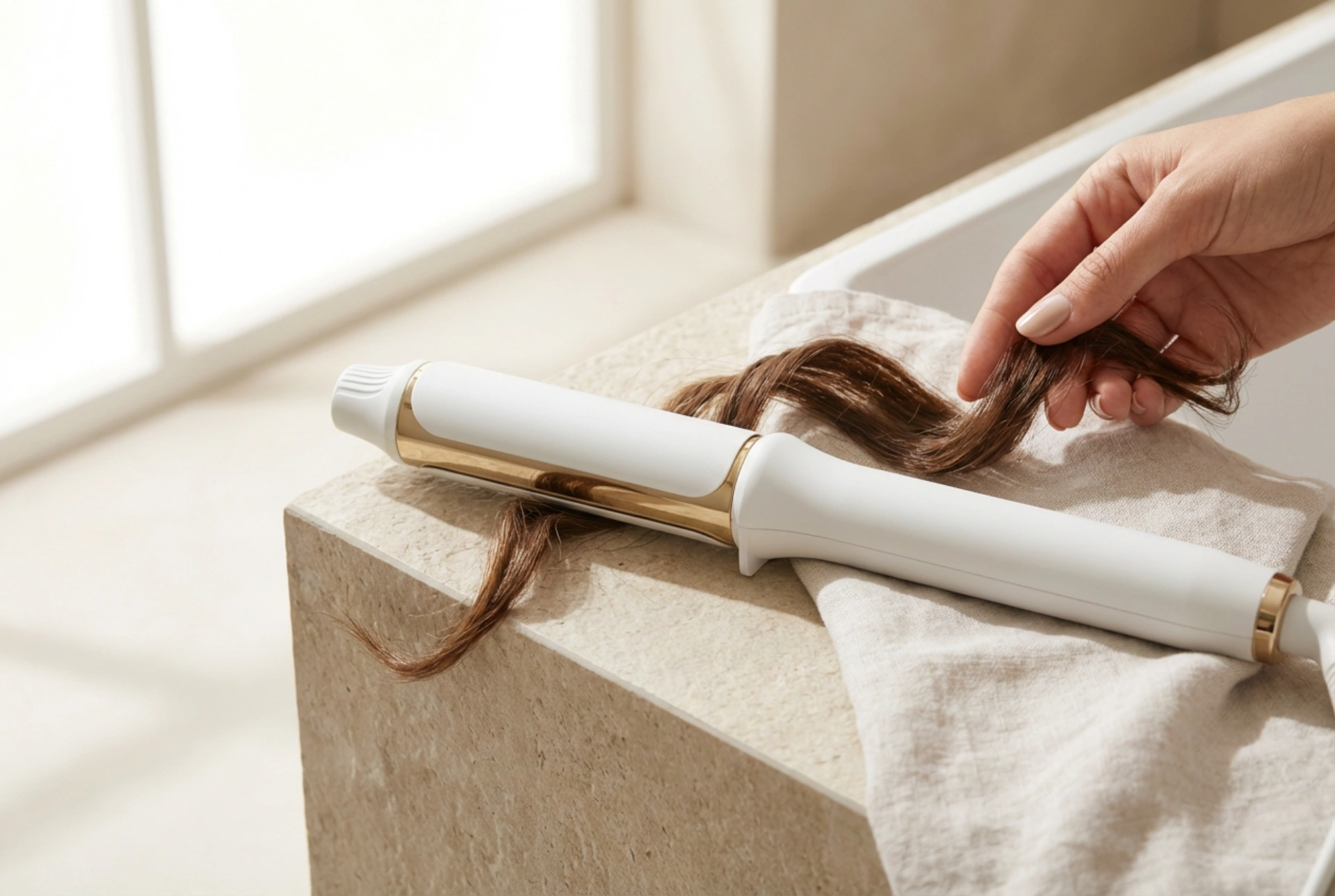
When wrapping your hair around the barrel, aim for consistency. Section your hair into manageable portions so that heat is distributed evenly across each strand. Hold the hair on the barrel for no more than five to eight seconds. Keeping the heat applied for longer does not create a more durable curl; instead, it simply dehydrates the hair fibres. Once you release the curl, let it drop gently into your palm and allow it to cool completely before brushing or running your fingers through it. This cooling process sets the style naturally, ensuring long-lasting bounce without the need for additional heat application.
Preparation and Post-Styling Care
A safe styling routine begins long before you turn on your curling tool. Applying a lightweight heat protectant spray, cream, or serum is non-negotiable. These products contain specialised ingredients that form a protective barrier over the cuticle, slowing down the rate of heat conduction and distributing the temperature more evenly across the hair surface.
Additionally, keeping your hair well-hydrated with regular conditioning treatments, leave-in conditioners, and nourishing hair oils helps build resilience against thermal styling. Healthy, moisturised hair naturally holds a curl better and reflects light with a beautiful, glossy shine. By combining a high-quality curler, a protective styling technique, and a dedicated care routine, you can enjoy flawless waves while maintaining strong, vibrant, and undamaged hair.