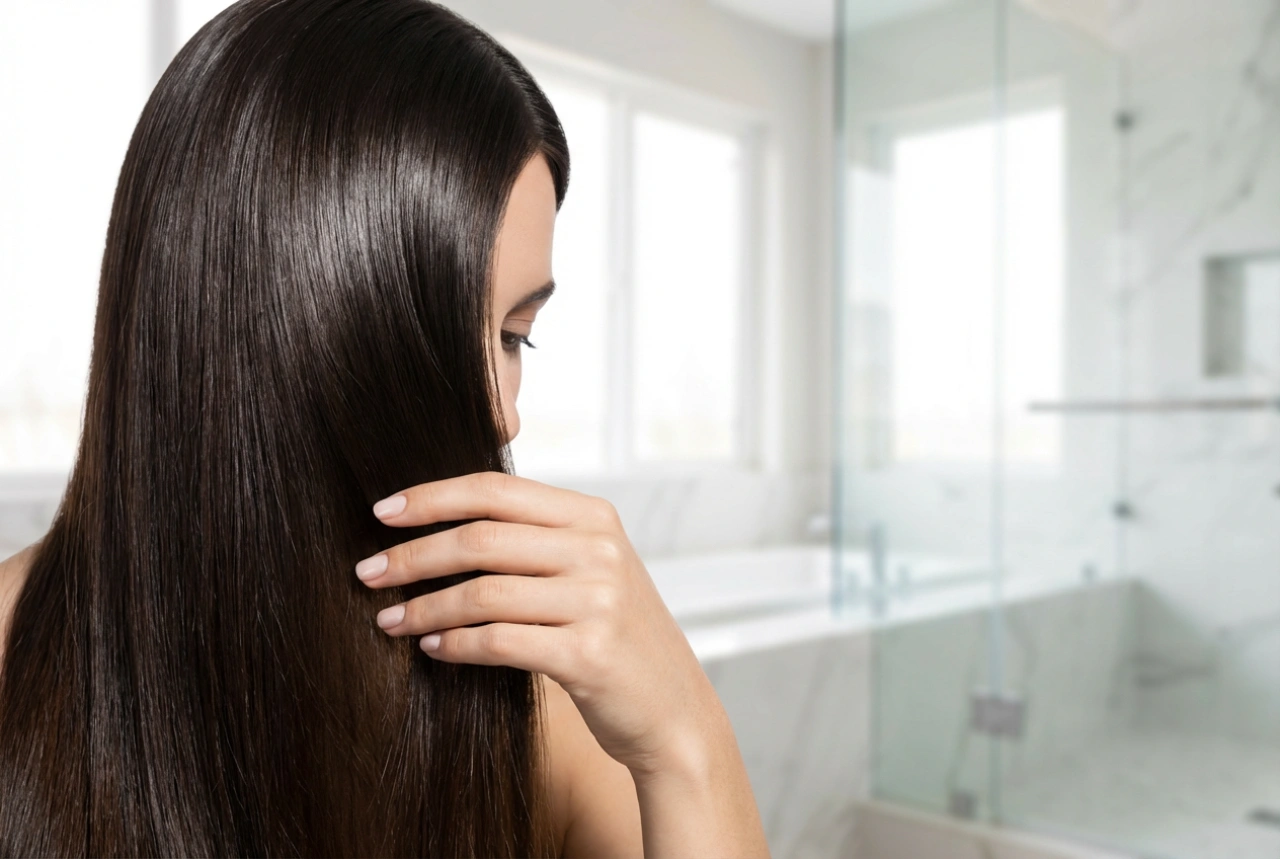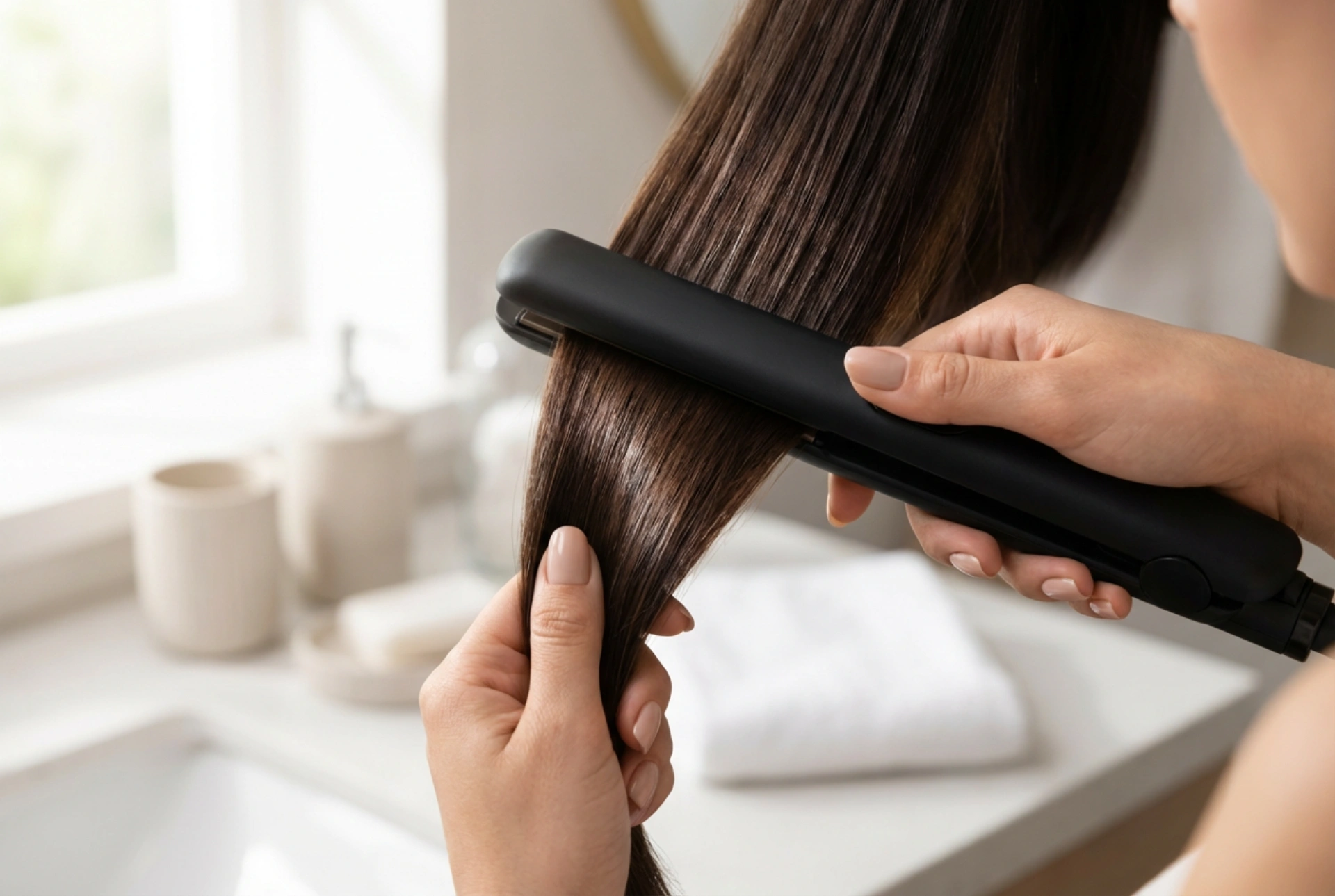


Achieving a perfectly smooth, polished finish on your hair often feels like an art form, especially when you observe the seamless glide of a modern hair straightener through lustrous, dark strands. In the soft, diffused light of a minimalist vanity, the process of transformation from natural texture to silky perfection becomes both a ritual and a pleasure. Central to this styling ritual is the choice of your tool. While ceramic options have long been a staple in home beauty routines, titanium straighteners have emerged as a powerful favourite for those seeking efficiency, speed, and sleek results. Understanding how these high-performance plates work, who they are best suited for, and how to use them safely is the ultimate key to maintaining healthy, radiant hair with a beautiful shine.
What Makes Titanium Straighteners Unique?
Titanium is a lightweight, highly durable metal known for its exceptional heat conductivity. When used in hair straighteners, titanium plates heat up much faster than their ceramic counterparts and distribute heat incredibly evenly across the surface. This rapid heat transfer allows for quick styling, which means you can achieve your desired look in fewer passes, minimising the overall exposure of your hair to heat.
Another significant benefit of titanium is its natural ionic charge. When heated, titanium plates release a high volume of negative ions. These ions work to neutralise the positive charges found in dry or damaged hair, effectively sealing the hair cuticle, locking in natural moisture, and eliminating static and frizz. The result is a highly polished, reflective finish that enhances the natural beauty of your hair.
Who Should Choose Titanium Plates?
Because titanium straighteners transfer heat so efficiently, they are particularly well-suited for specific hair types and styling needs. If you have thick, coarse, curly, or highly textured hair, a titanium tool can make a dramatic difference. These hair types require consistent, high heat to break down the hydrogen bonds that hold curl patterns, and titanium delivers exactly that, allowing you to style stubborn strands with ease.
However, if you have very fine, fragile, or heavily chemically treated hair, caution is required. Fine strands can easily succumb to heat damage if the temperature is too high or if the plate remains on one section of hair for too long. For delicate hair types, a titanium straightener can still be used, but only with precise temperature adjustments and meticulous preparation.
Temperature Guide: Matching Heat to Hair Type
Using the correct temperature setting is essential to prevent heat damage while ensuring your style lasts throughout the day. Titanium straighteners heat up rapidly, so always start at a lower setting and adjust upwards only if necessary. Here is a general guideline for setting your device:
- Fine or fragile hair: Keep the temperature between 150°C and 170°C. This range is gentle enough to style without scorching delicate fibres.
- Normal, wavy, or medium-textured hair: Set your device between 180°C and 190°C. This provides sufficient heat to smooth waves and medium textures in a single glide.
- Thick, coarse, or curly hair: Use a setting between 200°C and 210°C. These higher temperatures are needed to penetrate thick hair shafts and seal the cuticle effectively.
Regardless of your hair type, it is highly recommended to avoid the maximum heat settings (often reaching 230°C) for everyday home styling, as these temperatures are generally reserved for specific salon treatments and can quickly deplete hair of its natural moisture.
Step-by-Step Guide to Styling for a Silky Finish
To achieve that sought-after sleek look while preserving the health and vitality of your hair, follow a structured styling routine that prioritises protection and precision.
Step 1: Thoroughly Dry Your Hair
Never use a titanium straightener on damp or wet hair. When water on the hair's surface is exposed to intense, direct heat, it can instantly boil and turn into steam inside the hair shaft, leading to permanent structural damage known as bubble hair. Ensure your hair is completely dry before you begin styling.
Step 2: Apply a Heat Protectant
This is a non-negotiable step in any heat-styling routine. A high-quality heat protectant spray, cream, or serum creates a protective barrier over the hair cuticle, distributing heat more evenly and reducing the risk of thermal damage. Apply it evenly from roots to ends and comb through to ensure uniform distribution.
Step 3: Section and Glide
Divide your hair into clean, manageable sections. Attempting to straighten large clumps of hair at once leads to uneven heat distribution and forces you to run the plates over the same section multiple times. Take small, horizontal sections about two inches wide. Smoothly glide the straightener from root to tip in a single, fluid motion. Avoid stopping or pausing mid-strand, as this can create unsightly creases and heat spots.
Caring for Your Titanium Straightener
To maintain the smooth glide and longevity of your tool, regular maintenance is essential. Over time, styling products, heat protectants, and natural hair oils can build up on the plates, reducing their effectiveness and causing friction. Once your straightener has completely cooled down, gently wipe the plates with a soft, slightly damp microfibre cloth. Avoid using harsh chemical cleaners or abrasive materials, as these can scratch and damage the titanium surface.