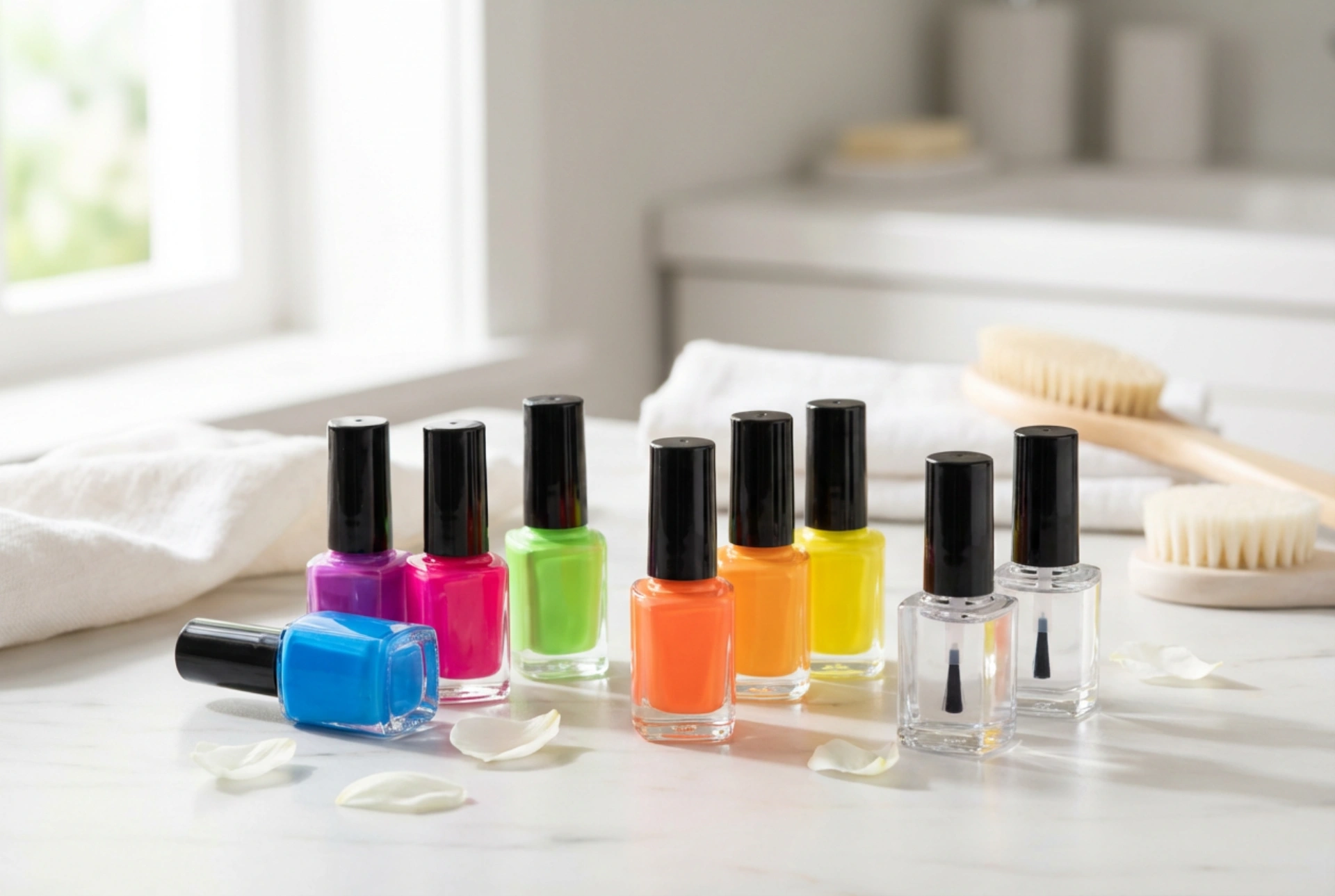


Neon colours bring an unmatched energy and vibrancy to any manicure, making them a popular choice for summer holidays, festivals, or simply to add a bold splash of colour to your day. However, anyone who has attempted an at-home neon gel manicure knows they can be tricky. Achieving that flawless, intensely saturated finish seen in photos requires more than just a couple of coats. The secret lies in understanding the unique properties of neon pigments and using the right preparation, base, and top coats to make them truly shine.
Why Neon Gel Polishes Require a Special Approach
The vivid, almost fluorescent quality of neon polishes comes from pigments that are inherently different from those in standard colours. These pigments are often more translucent or semi-sheer by nature. This is why applying a neon shade directly onto a natural nail or a clear base can result in a patchy, uneven appearance, even after multiple coats. Without a suitable foundation, the colour can look washed out, and the natural nail tone may show through, dulling the neon effect. Furthermore, these specialised pigments can be more susceptible to colour fade when exposed to sunlight over time. A successful neon manicure, therefore, depends on a specific strategy to build opacity and protect the vibrancy of the colour.
The Foundation: Creating the Perfect Canvas for Neons
The base coat is arguably the most crucial step for a perfect neon manicure. While a standard clear base coat provides adhesion and protects the natural nail, it does little to enhance the neon colour. To make neons truly pop, you need an opaque, light-coloured canvas.
The most effective solution is to use a white or very light, milky-white gel base coat. Applying a thin, even layer of white polish before your neon shade acts like a primer for a painting. It creates a bright, uniform background that cancels out the natural colour of your nail plate and allows the neon pigment to appear as vibrant and true-to-bottle as possible. This simple trick dramatically improves opacity, meaning you can often achieve full, streak-free coverage in just two coats of your neon colour, instead of three or four. This not only saves time and product but also results in a thinner, more elegant-looking manicure.
How to apply the base:
- Begin with properly prepared nails: gently buffed, cleansed, and dehydrated.
- Apply a thin layer of your chosen bonding base coat and cure as directed.
- Follow with one or two thin coats of a pigmented white or off-white gel polish. Ensure the coverage is smooth and even, without any streaks. Cure each layer fully.
- You are now ready to apply your neon colour onto a perfect, bright canvas.
Application Technique for Flawless Neon Colour
Once your base is prepared and cured, the application of the neon polish itself requires a careful hand. The key principle is to work in thin, even layers. Applying a thick coat in an attempt to get opacity quickly will almost always lead to problems like wrinkling, bubbling, or improper curing.
Start by applying the first thin coat of neon gel polish, focusing on smooth, deliberate strokes from the cuticle to the free edge. Don't worry if this first layer looks streaky or sheer—that is completely normal, especially over a white base. The goal here is to establish the first layer of colour. Be sure to 'cap the free edge' by running the brush along the tip of the nail to seal it. Cure this layer completely according to the polish manufacturer’s instructions. Apply a second thin coat in the same manner. This second layer should build upon the first, evening out the colour and deepening the intensity. For most high-quality neon polishes, two coats over a white base will be sufficient for a stunning, opaque result. Only apply a third coat if absolutely necessary, keeping it just as thin as the previous ones.
Sealing the Vibrancy: The Role of the Top Coat
The final step, the top coat, does more than just add shine and protect your manicure from chips and scratches. When it comes to neons, the right top coat has an additional, vital job: protecting the colour from fading. Neon pigments can lose their intensity when exposed to UV rays from the sun. A high-quality gel top coat that offers UV protection is essential for maintaining that 'just-applied' vibrancy for weeks. When choosing a top coat, look for one that is specifically formulated to be non-yellowing and has UV inhibitors. This will not only shield the neon colour but also prevent the white base underneath from taking on a yellowish cast over time. A 'no-wipe' top coat is a convenient option that provides a high-gloss finish without leaving a sticky inhibition layer after curing.
Common Mistakes to Avoid with Neon Gels
Achieving a professional-looking neon manicure at home is easy when you know what pitfalls to avoid. Steer clear of these common errors for a perfect finish every time:
- Applying Thick Coats: This is the most frequent mistake. It leads to uneven curing, wrinkling, and a bulky appearance. Always use thin, controlled layers.
- Skipping the White Base: Applying neon colours directly onto a clear base or natural nail will result in a less intense, often patchy look that requires too many coats to fix.
- Inadequate Curing: Neon pigments can sometimes require a slightly longer curing time than other shades. Ensure each layer, from base to top, is fully cured under your lamp to guarantee durability.
- Poor Nail Preparation: Rushing the prep step by not properly cleansing or buffing the nail plate can cause lifting and chipping, no matter how well the polish is applied.
- Forgetting to Cap the Free Edge: This small step is crucial for preventing chipping at the tips of your nails and ensures a longer-lasting manicure.
- Using a Standard Top Coat: A top coat without UV protection may not be enough to prevent your bright neon manicure from fading after a few days in the sun.