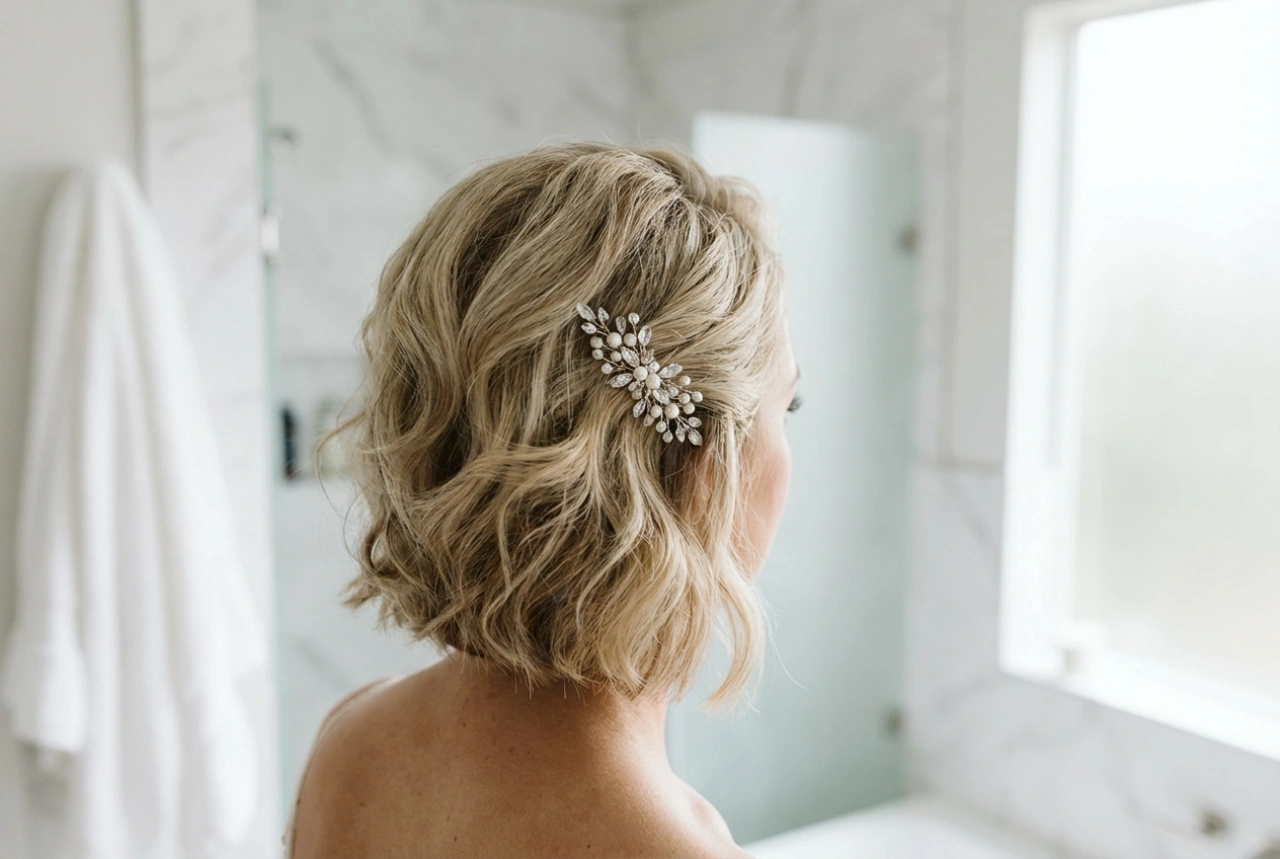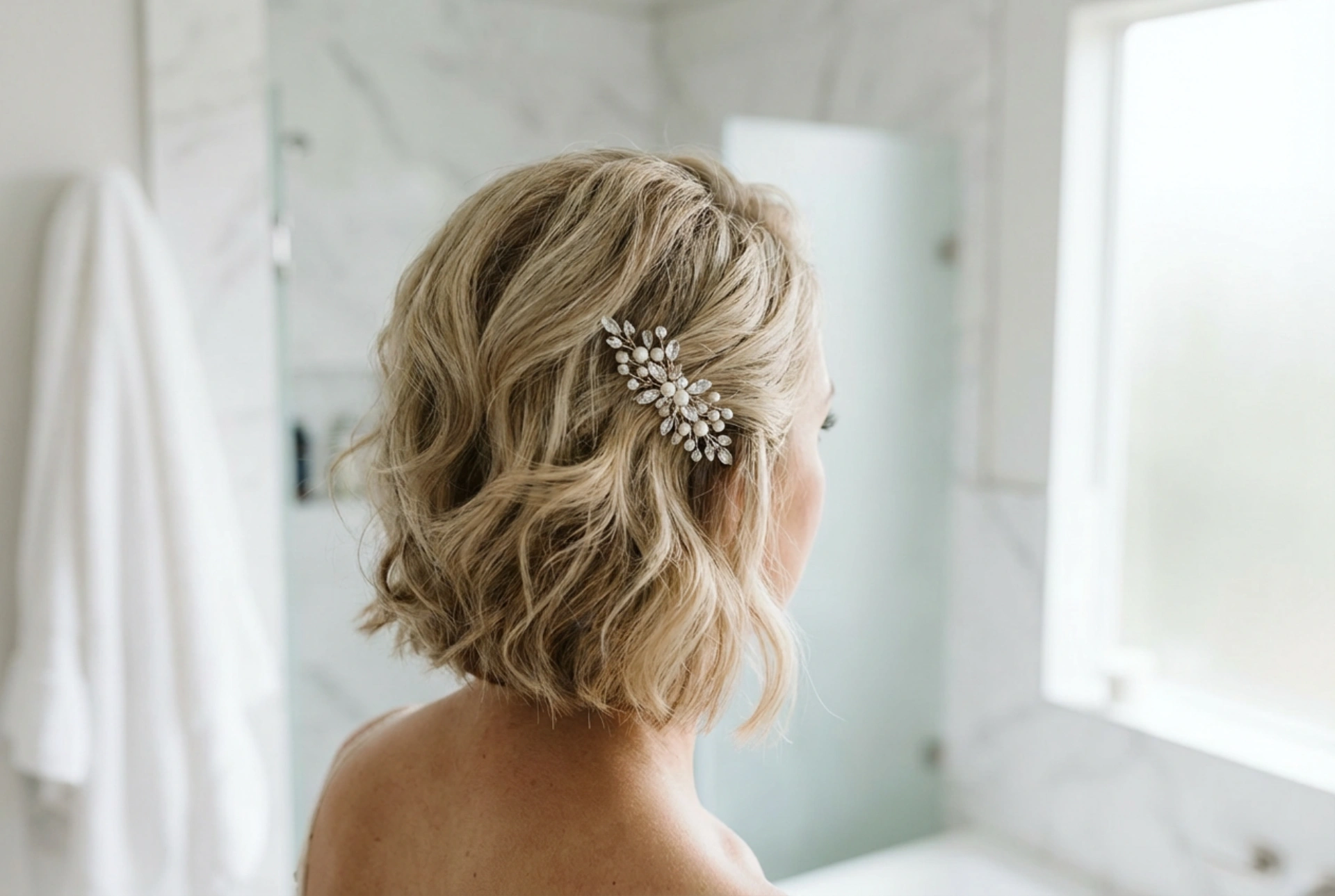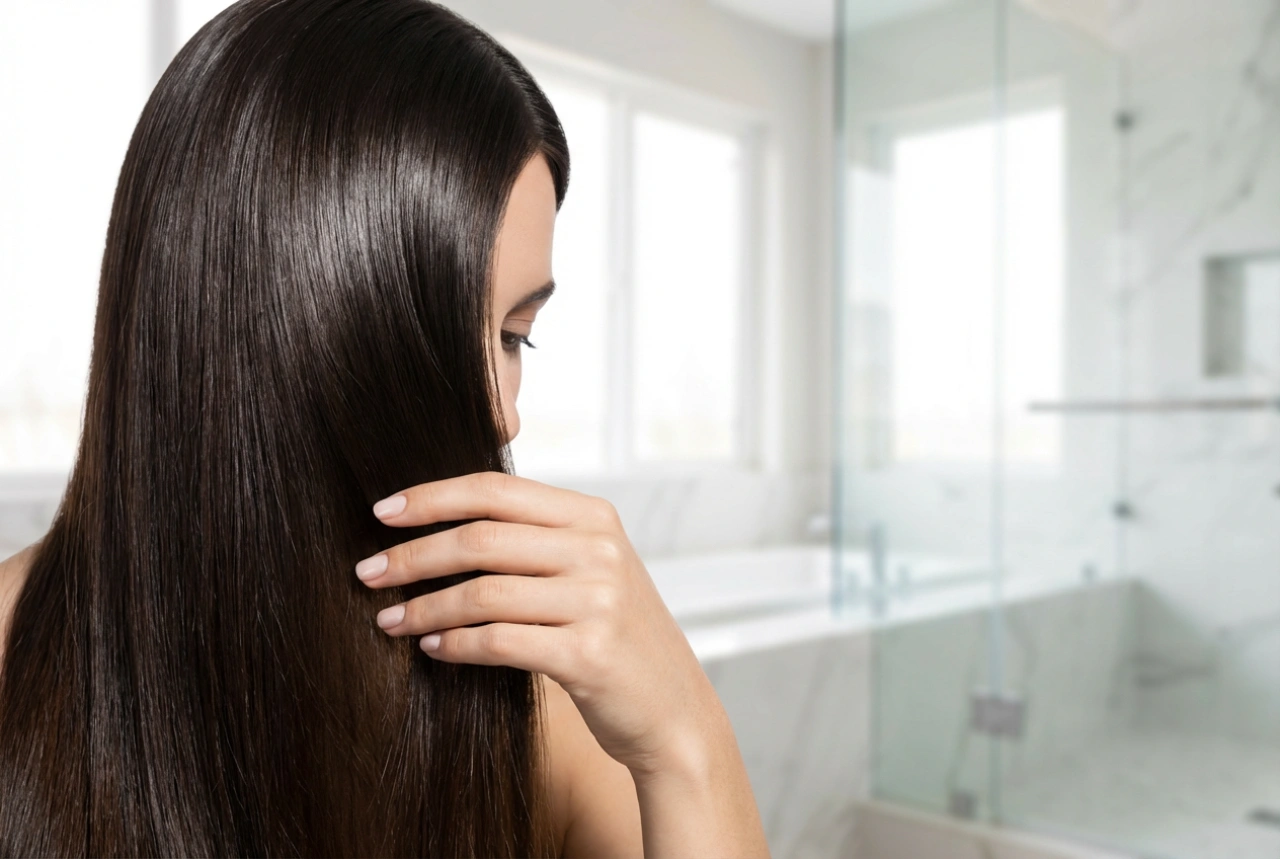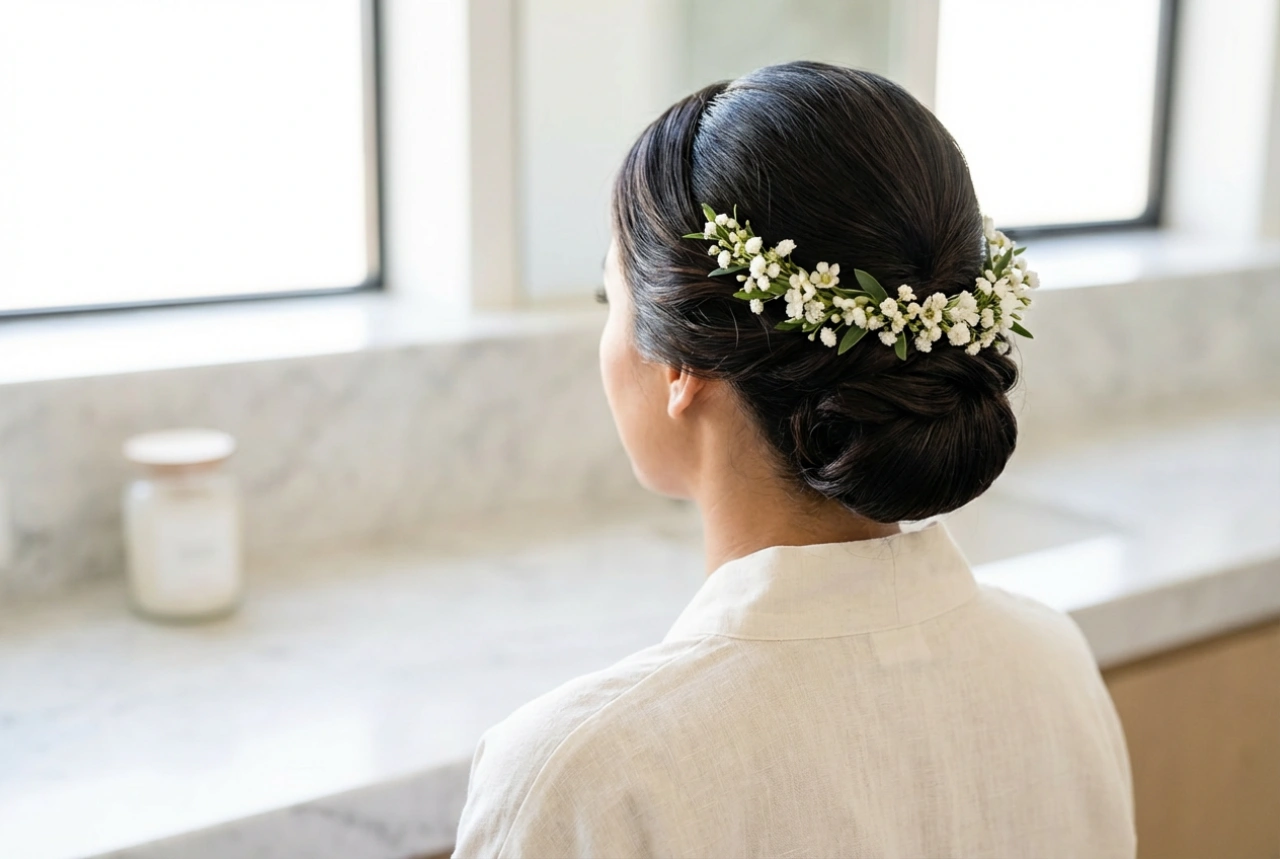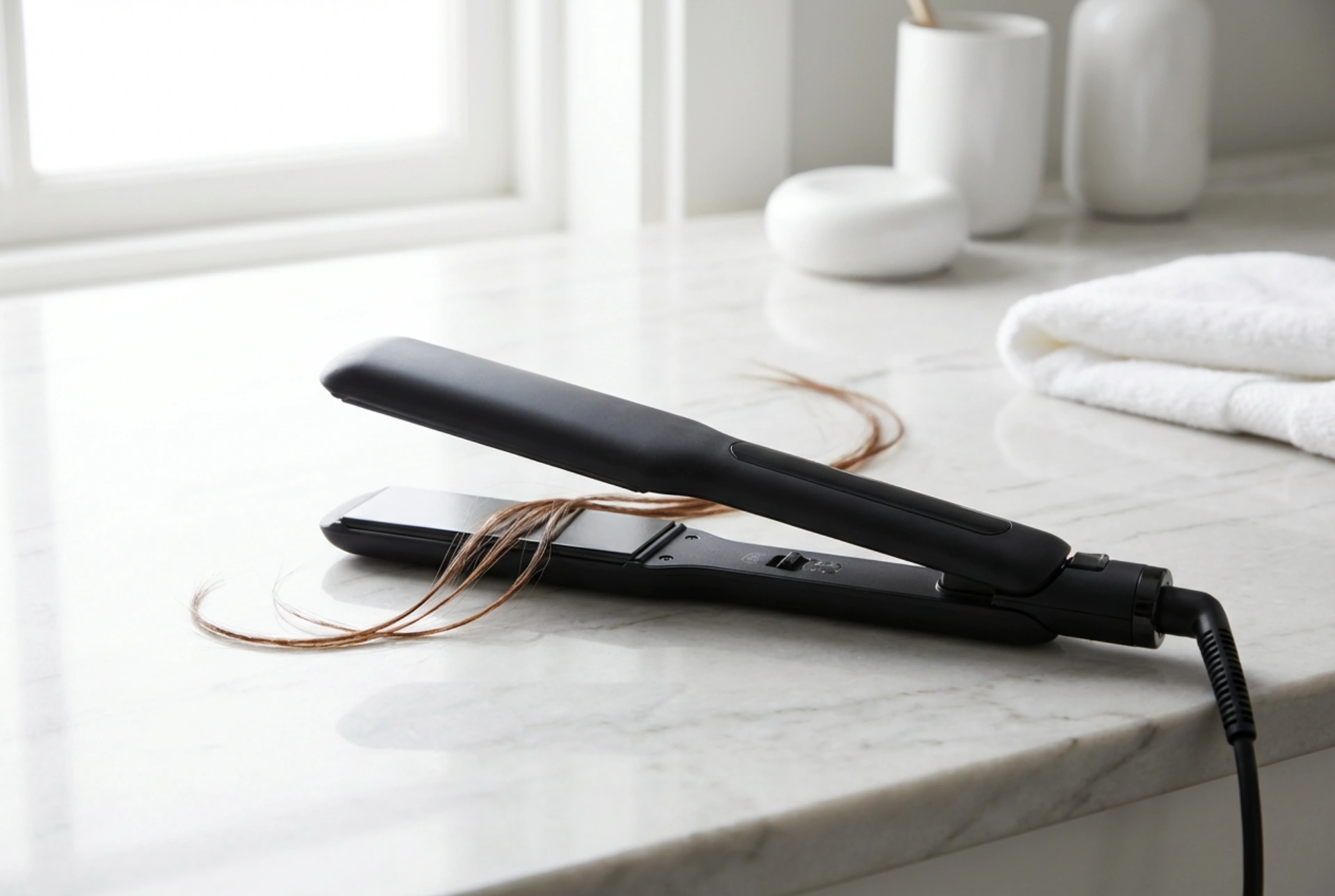


Achieving a sleek, glossy finish without compromising the health of your hair requires both the right tools and the correct technique. While standard styling irons are versatile, wide hair straighteners offer distinct advantages, particularly for those with longer or thicker hair types. When placed on a clean, minimalist surface alongside silky strands, a quality styling tool represents the perfect balance between efficient styling and advanced hair protection. Understanding when to opt for wider plates and how to use them safely is the first step towards achieving a salon-quality look at home.
Why Choose a Wide Hair Straightener?
Standard hair straighteners typically feature plates that are about one inch wide. While these are excellent for short to medium-length hair or creating waves, they can make the straightening process incredibly time-consuming for other hair types. Wide hair straighteners, which generally feature plates of one and a half to two inches, are specifically designed to address these challenges.
These wider tools are particularly beneficial for:
- Long hair: The increased surface area allows you to style larger sections of hair at once, cutting styling time in half.
- Thick or coarse hair: Thicker hair requires consistent heat distribution. Wide plates cover more density, ensuring even heat application.
- Curly or frizzy hair: The broad plates provide greater control, allowing you to smooth out natural curls from root to tip with fewer passes.
The Benefits of Wider Styling Plates
Choosing a wider plate is not just about saving time; it is also a fundamental strategy for preserving the structural integrity of your hair. Each time you pass a heated tool over a strand of hair, you risk drying out the cuticle. By covering a larger surface area in a single pass, wide straighteners significantly reduce the total exposure time to high temperatures.
Additionally, modern wide plates are designed to distribute heat more evenly across their entire surface. This prevents hot spots, which are a major cause of localised heat damage and breakage. The balanced pressure exerted by wider plates also ensures that the hair cuticle is sealed smoothly, leaving a reflective, shiny finish that minimises frizz throughout the day.
Step-by-Step Guide: Damage-Free Straightening
To enjoy the benefits of sleek hair without the worry of dryness or split ends, it is essential to follow a structured, protective styling routine. Here is how to achieve the best results:
1. Complete Dryness is Vital
Never use a straightener on damp or wet hair. When water is trapped inside the hair shaft and subjected to high heat, it boils and turns into steam, causing irreversible structural damage known as bubble hair. Always blow-dry or air-dry your hair completely before styling.
2. Apply a Heat Protectant
A high-quality heat defence spray or serum is non-negotiable. This product acts as a barrier, diffusing the heat and slowing down the conduction of thermal energy to the inner cortex of the hair. Apply it evenly throughout your damp hair before drying, or lightly mist it onto dry hair just before straightening.
3. Section the Hair Properly
Working in organised sections ensures that you do not apply unnecessary heat to the same strands repeatedly. Divide your hair into at least four quadrants, securing them with clips. Work from the bottom layers upwards, taking sections that are no wider than the plates of your straightener.
4. Select the Right Temperature
Higher heat does not necessarily mean better results; it often just means more damage. Fine or chemically treated hair should be styled at lower temperatures (around 150°C to 170°C), while normal hair can tolerate 180°C to 190°C. Only thick, coarse, or highly textured hair should require temperatures up to 210°C.
5. The Smooth Glide Technique
When straightening, move the plates smoothly and continuously from the roots to the tips. Avoid stopping or pausing at any point, as this can cause heat marks and weaken that specific section of the hair. Aim for a single, controlled pass per section.
Essential Tips for Maintaining Hair Health
While proper technique during styling is crucial, long-term hair health depends on your overall care routine. Regularly treating your hair to deeply hydrating masks and conditioning treatments helps replenish the moisture lost during thermal styling. Incorporating nourishing oils, such as argan or jojoba oil, into your post-styling routine can also seal the ends and maintain a glossy appearance. Finally, try to give your hair a break from heat styling a few days a week to allow its natural moisture levels to recover.