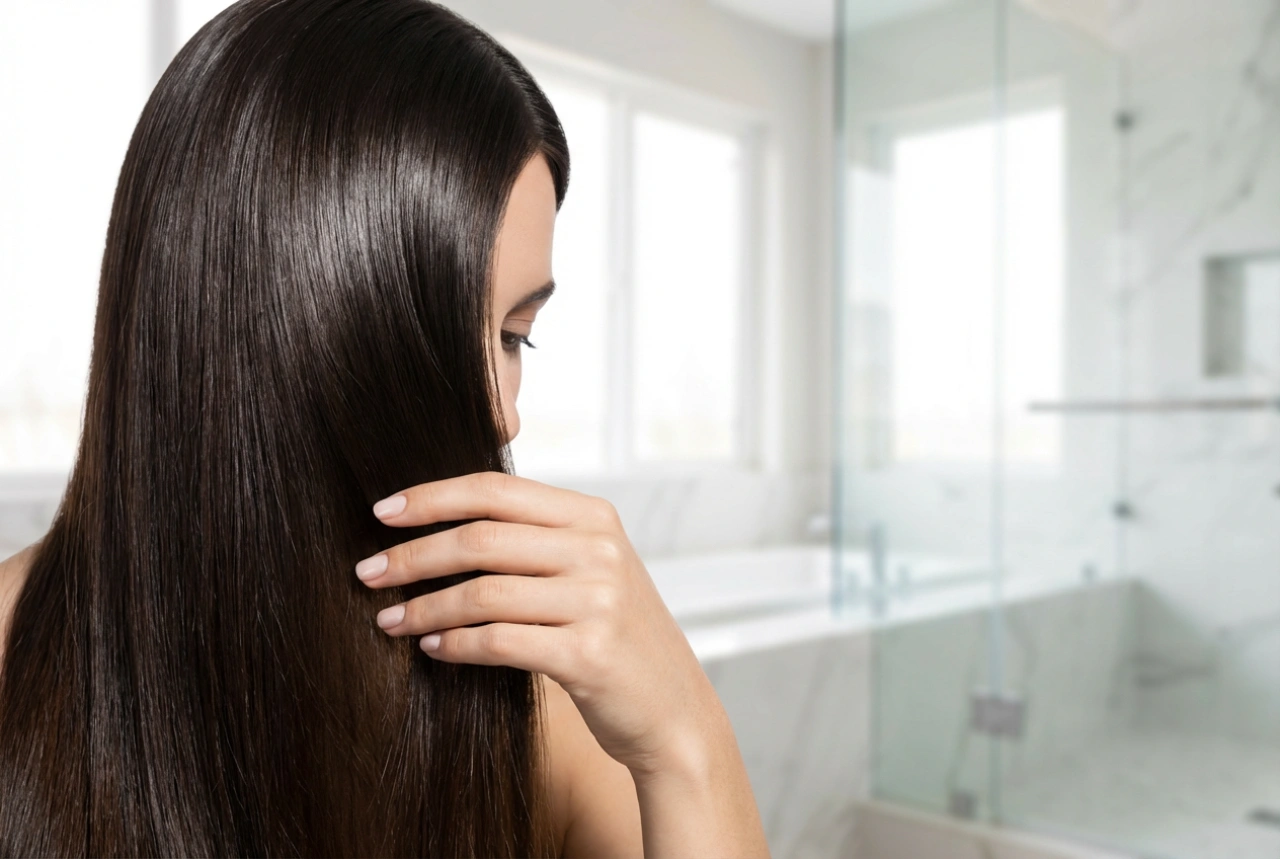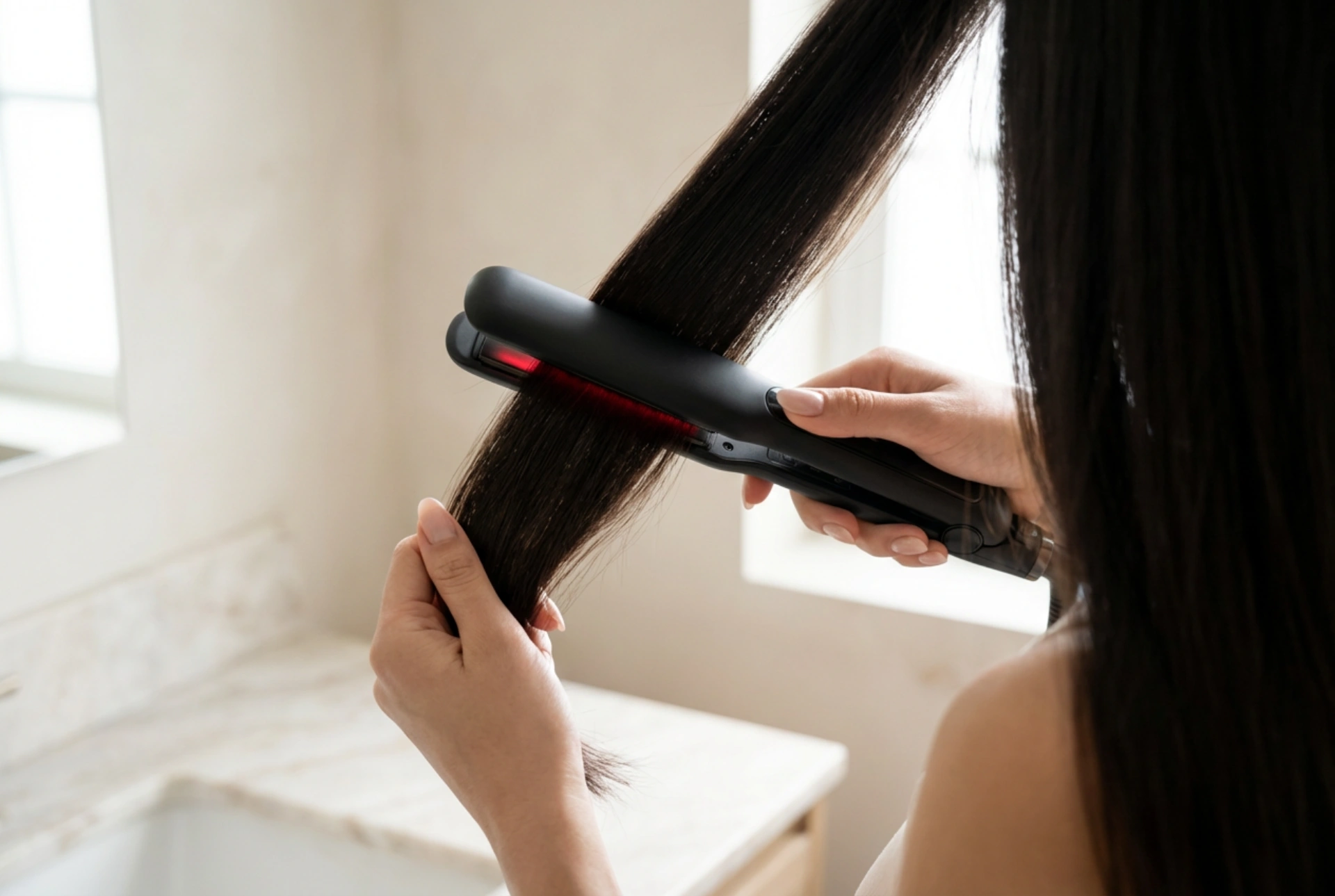


When aiming for sleek, smooth, and lustrous hair, choosing the right styling tools is essential. Modern hair styling has evolved significantly, introducing technologies that focus not only on achieving the perfect straight look but also on maintaining the hair's natural hydration. An infrared hair straightener is one such innovative tool, designed to gently guide warmth through sections of hair while minimising the traditional risks associated with high-heat styling. By understanding the technology behind this modern device, you can achieve beautiful, healthy-looking results at home without compromising the structural integrity of your tresses.
Understanding infrared technology in hair styling
Traditional hair straighteners work by heating the hair from the outside in. This conventional method relies on high surface temperatures on the styling plates, which can easily strip the hair of its natural moisture and scorch the delicate outer cuticle. This often leads to dryness, split ends, and a dull, lifeless appearance over time. When the outer layer of the hair is repeatedly exposed to extreme surface heat, it becomes porous, making it harder to retain moisture in the future.
In contrast, infrared hair straighteners utilise far-infrared light waves to style the hair. This advanced technology allows the heat to penetrate directly into the core of the hair shaft, warming it gently and evenly from the inside out. By heating the hair internally, the outer cuticle layer remains smoother, flatter, and less exposed to direct, damaging heat. This even distribution of thermal energy ensures that the styling process is much gentler, requiring fewer passes with the device to achieve the desired straightness. It works in harmony with the hair's natural moisture rather than fighting against it.
The benefits of infrared heat for your hair
Switching to an infrared styling tool offers several key advantages for your daily hair care and styling routine. Because the technology works differently from standard heating elements, it actively helps to preserve the natural condition of your hair. Here are some of the main benefits:
- Moisture retention: Unlike standard heat that evaporates water from the hair structure, infrared waves lock in the natural moisture within the shaft, preventing the dry, straw-like texture often caused by daily styling.
- Enhanced shine and smoothness: By heating the hair evenly, the cuticle scales are flattened and sealed. This creates a smooth surface that reflects light beautifully, giving your hair a lustrous, healthy sheen.
- Frizz and static control: Sealed cuticles are less susceptible to environmental humidity, which means your sleek style is likely to last longer without frizzing up. It also helps neutralise static charge in the hair.
- Faster styling: Because the heat penetrates the hair shaft quickly and efficiently, you do not need to hold the device on one section of hair for too long, reducing overall styling time and heat exposure.
Step-by-step guide to safe styling with infrared heat
Even though infrared technology is significantly gentler on your hair, proper technique is still vital to prevent unnecessary tension, mechanical damage, or heat fatigue. Following a structured styling routine will help you achieve the best results while keeping your hair in peak condition.
1. Ensure your hair is completely dry
Using any hot tool on damp or wet hair can cause the water trapped in the hair shaft to boil and turn into steam instantly, leading to severe internal damage known as "bubble hair." Always blow-dry or air-dry your hair fully before you begin the straightening process.
2. Apply a quality heat protectant
A lightweight heat-protecting spray, cream, or serum acts as an extra defensive barrier. Apply it evenly through your hair, paying special attention to the mid-lengths and ends, which are typically the oldest, driest, and most fragile parts of your hair. Let the protectant dry for a moment before applying heat.
3. Section the hair carefully
Working with smaller, manageable sections ensures that each strand receives equal heat distribution. Gently guide the straightener through one section at a time, starting from the roots and moving steadily down to the tips in a continuous motion. This prevents you from having to repeat the motion multiple times over the same section.
4. Select the appropriate temperature
Most modern infrared straighteners come with adjustable temperature settings. Fine, damaged, or chemically treated hair should be styled at lower temperatures, while thicker, coarser hair may require a slightly higher setting to achieve a smooth finish. Always start with the lowest effective temperature and adjust only if necessary.
Choosing the right features for your styling needs
When selecting an infrared straightener, consider the plate materials. Ceramic and tourmaline plates are excellent choices when combined with infrared technology, as they release negative ions that further smooth the hair and glide without snagging. Titanium plates are also popular for their rapid heat transfer, but they require a careful hand. Look for devices with digital temperature displays, as they offer precise control over the heat level. A swivel cord and an automatic shut-off feature also add convenience and safety to your styling routine.
Post-styling care for long-lasting smoothness
Once you have finished styling, allowing your hair to cool down is important before applying finishing products or tying it up. To lock in the smooth, sleek look, you can apply a tiny amount of natural hair oil or a lightweight serum to the ends. This adds an extra layer of protection against humidity and keeps your hair looking vibrant and soft throughout the day. Regular conditioning treatments and deeply hydrating hair masks should also remain a staple of your weekly hair care routine to support overall hair elasticity, strength, and vitality.