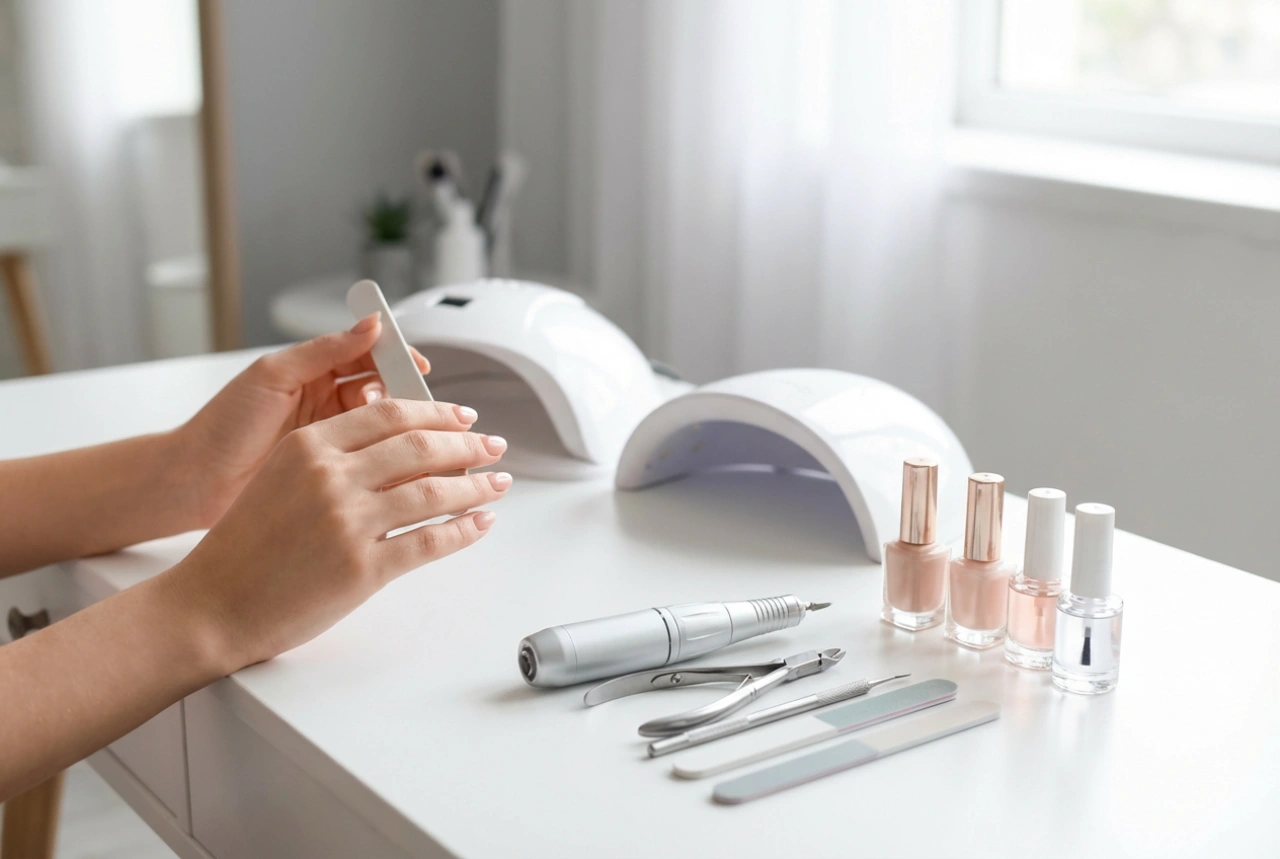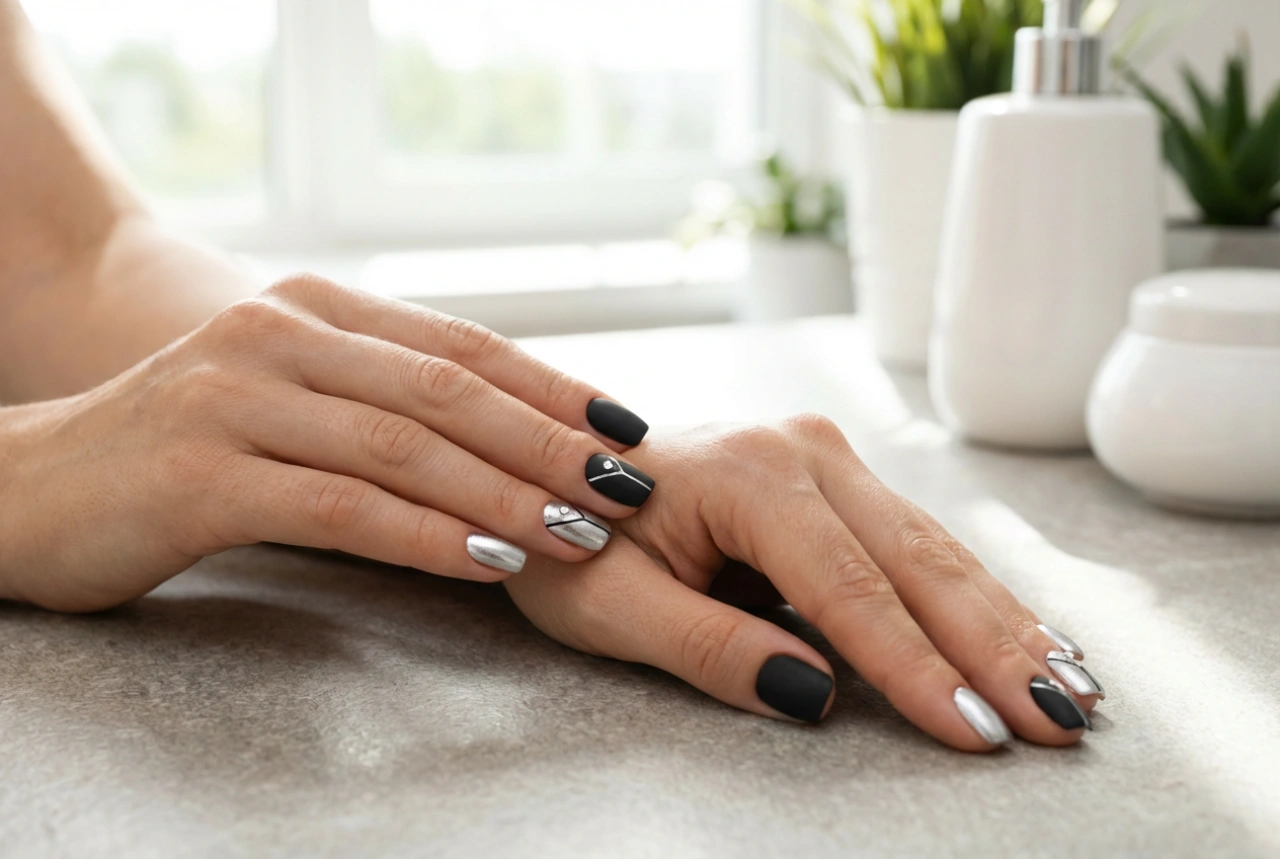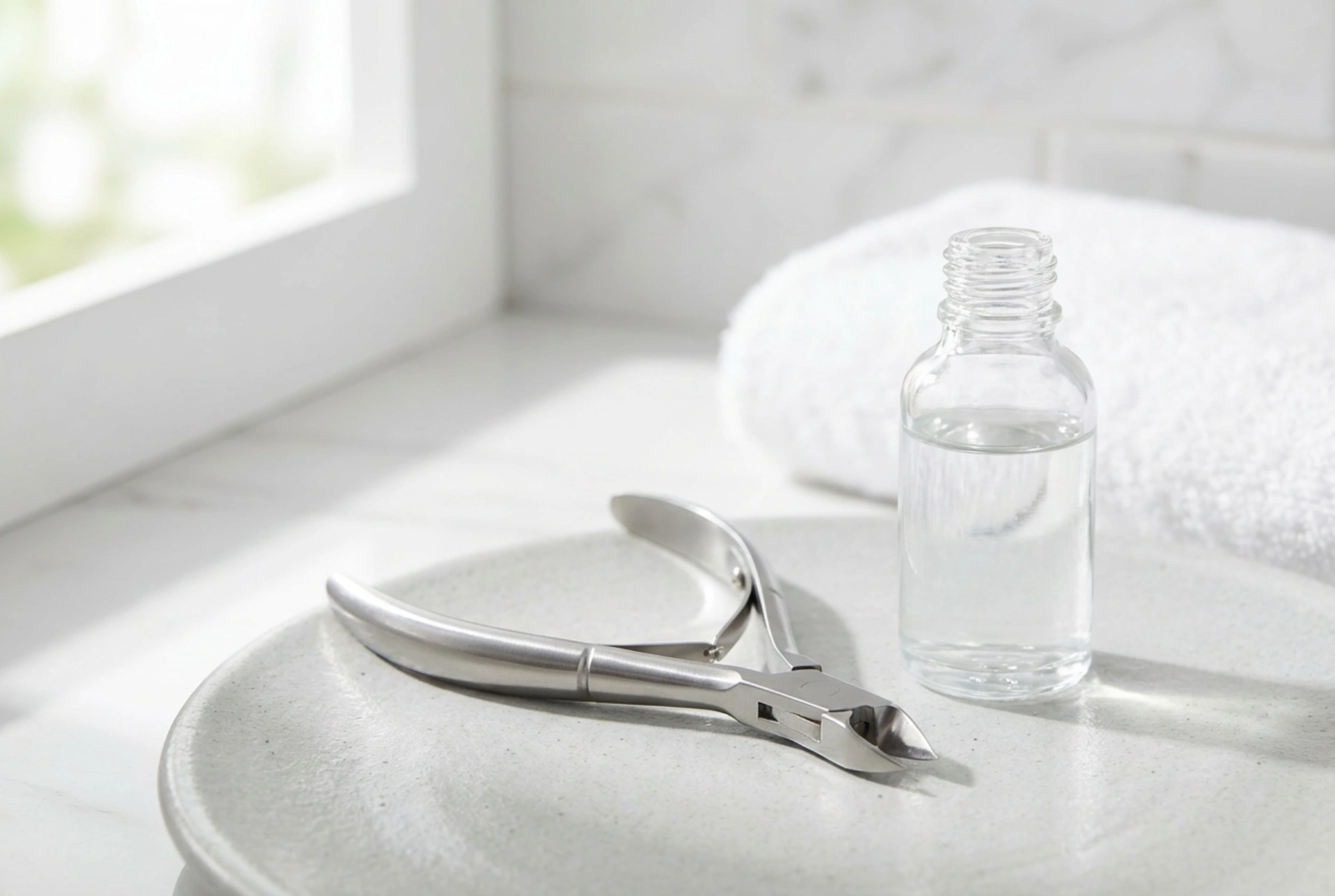


Achieving a flawless home manicure relies heavily on the quality and condition of your grooming tools. When you look at a set of elegant, polished cuticle nippers resting on a clean, minimalist surface, it evokes a sense of professional care and precision. Taking care of your hands is not just about aesthetic appeal; it is a calming ritual that requires the right instruments and a safe technique. Cuticle nippers are essential for removing excess, dry skin around the nail plate, but using them incorrectly can lead to discomfort and damage. Understanding how to use and care for these precise metal tools ensures that your home manicure remains both beautiful and safe.
Selecting the Perfect Cuticle Nippers for Home Use
When choosing cuticle nippers, material and design should be your top priorities. High-quality stainless steel is the preferred choice for beauty tools because it is durable, resistant to rust, and easy to clean. Look for nippers with a smooth, responsive spring mechanism that allows you to control the pressure easily. The blade size is another critical factor. Beginners often find smaller blades, such as 3mm or 4mm, easier to control, as they offer greater precision in tight corners. More experienced users might opt for 5mm or 7mm blades to cover larger areas more quickly. Whichever size you choose, the blades must meet perfectly along their entire length when closed to ensure a clean cut rather than a tear.
Preparing the Skin for Safe Cuticle Trimming
Safe cuticle trimming begins with preparation. You should never cut dry, hard skin, as this increases the risk of slipping and causing minor injuries. Follow these steps to prepare your hands:
- Soak your fingertips: Spend three to five minutes soaking your hands in warm water. You can add a few drops of a nourishing natural oil, such as sweet almond or jojoba oil, to help soften the skin around the nails.
- Apply a cuticle softener: If your cuticles are particularly stubborn, apply a gentle cuticle remover cream or gel for a minute to further soften the dead skin cells.
- Gently push back the cuticles: Use a wooden orange stick or a rounded metal pusher to gently lift and push the softened cuticle skin back from the nail plate. This defines the area that actually needs to be trimmed and prevents you from cutting live skin.
How to Use Cuticle Nippers Safely and Effectively
Once the skin is softened and pushed back, you can proceed with trimming. The key to using cuticle nippers is patience and gentle movements. Hold the nippers at a slight angle, parallel to the nail bed, so that you are only cutting the dead, translucent skin that has lifted away from the nail. Avoid pulling, tugging, or tearing at the skin; if the nippers do not cut through easily, the blade may be dull, or you may be grasping too much tissue.
Work in small, incremental snips, moving slowly from one side of the nail to the other. Only remove the loose, dry hangnails and the topmost layer of dead cuticle. The living tissue at the base of your nail serves as a natural protective barrier, so it should never be cut. Removing too much skin can lead to roughness, as the body will attempt to repair the barrier by producing thicker, harder skin in response.
The Importance of Tool Care and Disinfection
Proper maintenance of your cuticle nippers is vital to preserve their sharpness and ensure hygienic use. After every manicure, the tools should be thoroughly cleaned. Even if you are the only person using them, skin oils and microscopic debris accumulate on the metal surfaces, which can affect the performance of the blades over time.
To clean your nippers, wash them with warm, soapy water to remove any visible residue. Dry them completely with a clean towel to prevent moisture from causing rust, even on stainless steel. Next, use a high-quality rubbing alcohol or a specialised sanitising solution to disinfect the blades. You can apply the liquid using a cotton pad or gently submerge the cutting tips in a small container of the solution for a few minutes. Allow the tool to air-dry completely before storing it in a dry, dust-free case. If your nippers have a protective cap for the blades, always use it to prevent the delicate tips from bending or becoming dull from contact with other objects.
Maintaining Sharpness and Longevity
Over time, even the best beauty tools will lose their edge. Dull cuticle nippers are highly inefficient and can be hazardous to use, as they tend to chew or tear the skin rather than cutting it cleanly. To extend the life of your nippers, avoid using them to cut nails, wires, or any other hard materials. They are designed exclusively for delicate skin tissue. If you notice that the blades are no longer cutting smoothly, consider having them professionally sharpened. Regular maintenance ensures that your tools remain a reliable and safe component of your beauty routine, allowing you to achieve elegant, polished results every time.